In each of our nostrils, two types of nerves play an essential role in our health. The olfactory and trigeminal nerves capture odors and send information to the brain, more specifically to the olfactory bulb, for interpretation. In turn, this communicates with the cortex, responsible for the conscious perception of odors, but also with the limbic system, which controls mood and unconscious emotions. This is the body's defense against bad smells or irritating or strong odors, creating aversion to those that could harm us in some way.
But not all pollutants can be detected through this sophisticated system, and they have an intrinsic ability to positively or negatively influence our health. In fact, research has shown that air quality can be quite poor and even worrying in many indoor environments, where we spend about 90% of our lives. This is usually caused by inadequate ventilation of the space, external pollution, and biological contaminants; but mainly chemical contaminants from internal sources. That is, the building materials used in space. Therefore, there are some products that should be avoided whenever possible.
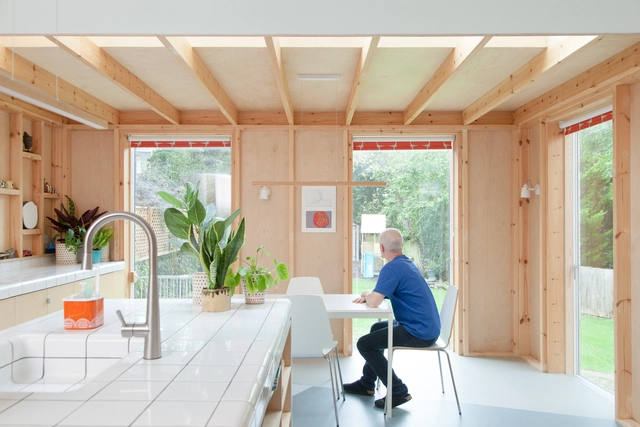
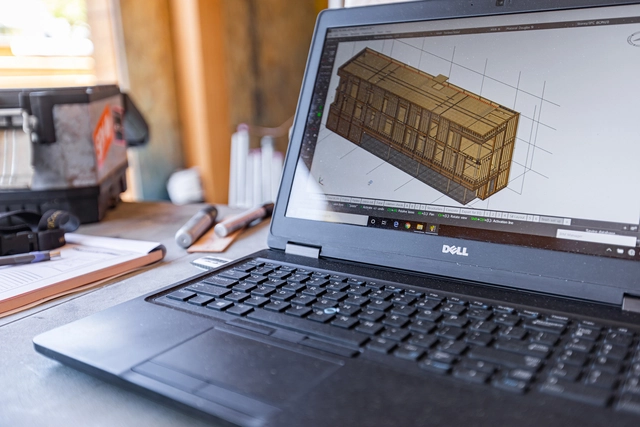
In the original design for the Sydney Opera House, Jørn Utzon envisioned the shells supported by precast concrete ribs under a reinforced concrete structure, which turned out to be prohibitively expensive. As one of the first projects to use computational calculations, the final solution - reached jointly between the architect and the structural engineer - consisted of a precast ribbed system of concrete shells created from sections of a sphere. At the Guggenheim Museum in Bilbao, the project team used CATIA software (typically used by the aerospace industry) to model and materialize the complex curvilinear shapes of the titanium-coated volume designed by Frank Gehry. Challenging projects tend to spark the creativity of those involved to make them possible, but there are constructive systems that interact well with existing technologies. This is the case, for example, with engineered wood and the BIM system. When used simultaneously, they usually achieve highly efficient and sustainable projects.
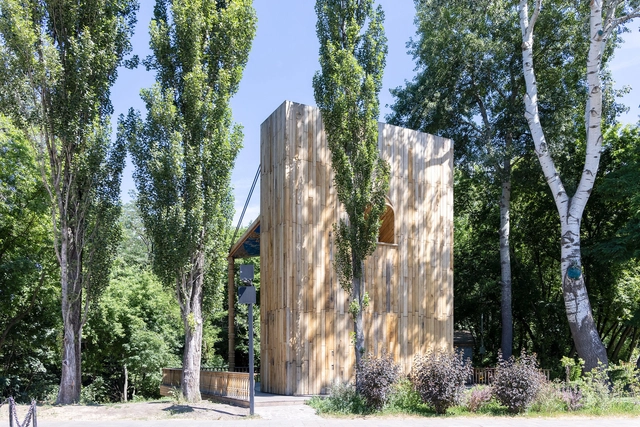
Babyn Yar Synagogue by Manuel Herz, image by Iwan Baan. Image Courtesy of BYHMC
Babyn Yar, a ravine in the Ukrainian capital Kyiv, witnessed the killing of more than 33,000 Jewish men, women, and children, on September 29 and 30, 1941. The site of one of the largest single massacres perpetrated by occupying German troops against Jews during World War II, Babyn Yar became a symbol of the Holocaust by Bullets.
While the main tragic event took place in 1941, throughout the occupation, the site was used as a killing location by the German forces. In fact, it is reported that 70 to 100 000 people lost their lives in Babyn Yar. With no architecture to the tragedy and only a remaining “broken” landscape, people struggled with achieving memorialization and public recognition.
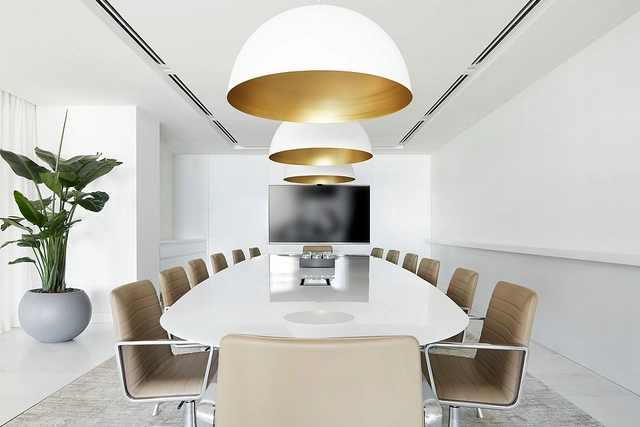
Interior Furniture in Coromandel Offices | Andreu World. Image Courtesy of Andreu World
Having a physical location as a workspace has many inherent benefits, such as bringing employees together in a collaborative environment and giving companies the opportunity to create culture and identity. But when hybrid and remote work began to rise in the early stages of the pandemic, many wondered it this meant the end of the physical office. However, now that two years have passed, the pattern has been clear: instead of being completely replaced by remote methods, many companies have adapted to new employee needs and conditions by opting for team-based, comfortable and flexible spaces that foster creativity, collaboration, and productivity.
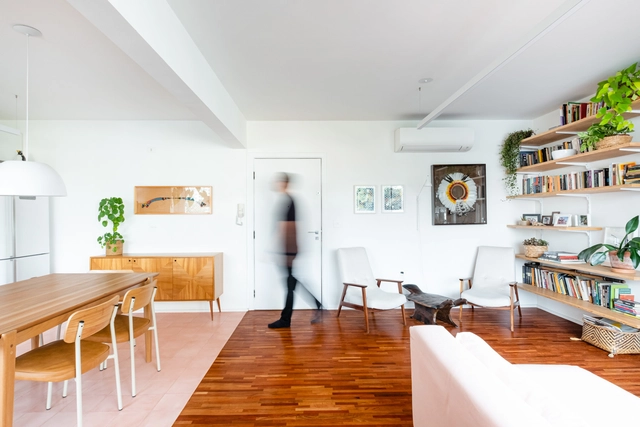
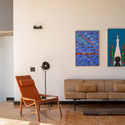
For some people, hanging pictures is not always an easy task, after all, in addition to the works portraying an image that reflects part of the personality of the residents, imagining forms of composition that make the environment even more pleasant can be challenging. With that in mind, here are some examples and guidelines that can be adopted to make it easier to create an exhibition in your home.
https://www.archdaily.com/976737/ideas-and-tips-on-how-to-hang-pictures-at-homeEquipe ArchDaily Brasil
Zhanjiang Central Station Hub by Aedas. Image Courtesy of Aedas
This week’s curated selection of Best Unbuilt Architecture highlights projects submitted by established firms. From river-side commercial centers to mixed-use towers, this article explores commercial and residential functions designed by global architecture offices that are either conceptual, have won first-prize in design competitions, or are currently being realized.
Featuring a pedestrian bridge by Grimshaw Architects in France, and a finance-district skyscraper dubbed as the "Lighthouse of the 21st Century" by Ronald Lu & Partners, this roundup explores how established architecture firms have designed buildings that cater to the spatial and environmental needs of their users and respective functions. This round up also includes designs from SOM, IMPLMNT, Gensler, and Aedas, among other notable architects.
With buildings glazed on all sides and very brightly as well as monotonously lit rooms, it's no surprise that we long for indoor and outdoor retreats that are less bright. Places with shade from glaring sun, dimmed rooms and exciting contrasts act on the eyes like a welcome oasis. High energy consumption and globally increasing light pollution show how acute the problem of too much light is and the alarming rate of contribution toward climate change. For a better future, it is imperative to explore ways in which we can design and focus on using darkness.
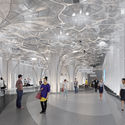
Interior Urbanism describes interior spaces so large that they behave like cities. These kinds of constructions can develop either as an adoc growth over time, or as a planned and cohesively designed set of volumes. Each approach has its own opportunities and problems when it comes to efficiency and architectural integrity. This video explores both and uses Chicago’s Pedway and John Portman’s Hyatt Regency near O’Hare airport as examples. Stewart Hicks visits these examples, discusses the implications of bringing our urbanism indoors, and compares and contrasts the spatial qualities of each — the contingent and gritty urbanism of the Pedway, with the pristine perfection of the hotel lobby and conference center.
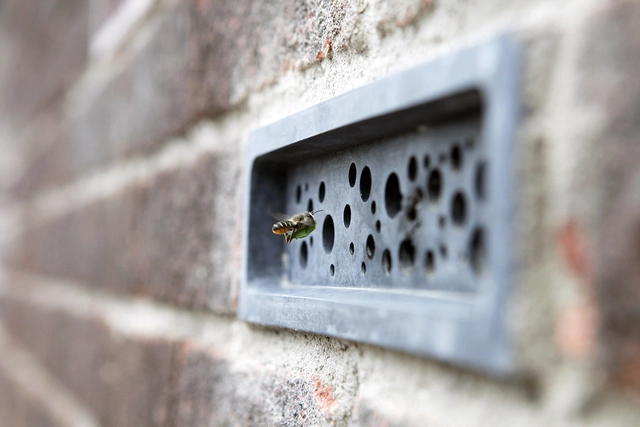
Humanity's relationship with insects is ancient and complex. While they can spread disease and wipe out crops, they are also vital to our survival on Planet Earth, as pollinators and recyclers. Edward Osborne Wilson, a leading American biologist, stated in one of his articles that “If insects were to vanish, so would nearly all flowering plants and the food webs they support. This loss, in turn, would cause the extinction of reptiles, amphibians, birds and mammals: in effect, nearly all terrestrial animal life. The disappearance of insects would also end rapid decomposition of organic matter and thus shut down nutrient cycling. Humans would be unable to survive.”
Especially in the case of bees, public opinion has changed in recent years and their importance in food production has sparked warnings about the indiscriminate use of poisons and pesticides around the world. But unlike nature, with its meanders and countless possibilities for resting places, our modern cities and buildings generally do not create adequate environments for insects, and even birds or other animals. The English company Green&Blue has been working on this and creating refuges to incorporate nature into our buildings. We spoke with them to better understand these products.
With one of the most varied performances of contemporary architecture in São Paulo, Metro Arquitetos has built its legacy varying between different scales, from design to urban planning.
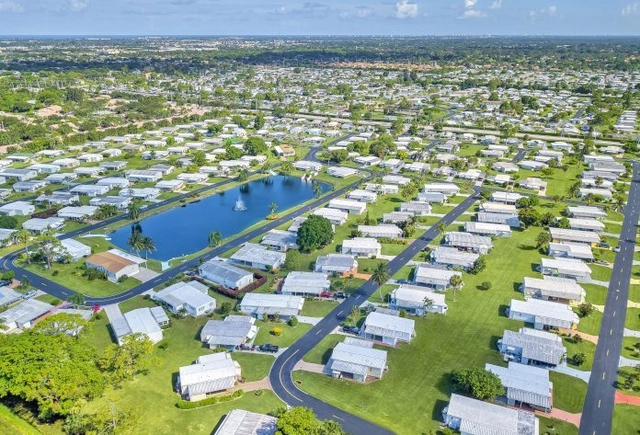
Royal Manor Mobile Home Park. Image Courtesy of MH Village
The future of manufactured homes may reinvent the form of something that already widely exists- trailer parks. All across the United States, these small homes are being reimagined by architects by utilizing more sustainable materials, inventive construction techniques, and value engineering to create affordable homes and reinvent the once negative connotation that surrounded this housing typology.
When talking about energy efficiency in buildings, it is inevitable to mention thermal insulation. We rarely see it in a finished building and, even in the technical drawings, the insulating layer appears as a thin hatch. But this is an element that is of vital importance, as it acts as a barrier to the flow of heat, hindering the exchange of energy between the interior and the exterior, reducing the amount of heat that escapes in winter and the thermal energy that enters in the summer. In a building with good thermal insulation, there is less need for heating to keep the house at a pleasant temperature, also reducing its carbon footprint. Currently, there are many countries that require a minimum level of thermal insulation for buildings, with increasingly strict parameters. But how should this issue be dealt with in the near future, with the worrying climate crisis forecast?
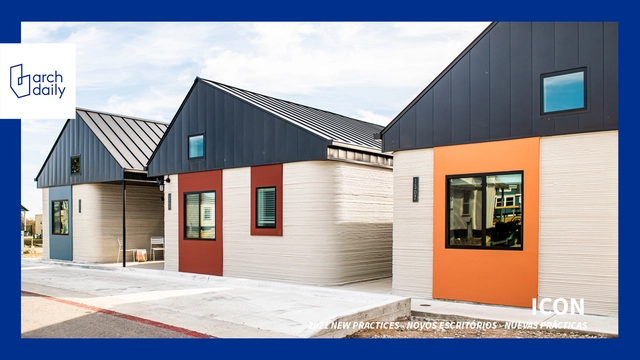
Founded in late 2017, named one of the "Most Innovative Companies in the World" in 2020, and selected as ArchDaily's Best New Practices of 2021, ICON is a construction company that pushed the boundaries of technology, developing tools to advance humanity including robotics, software, and building materials. Relatively young, the Texas-based start-up has been delivering 3D-printed homes across the US and Mexico, trying to address global housing challenges while also developing construction systems to support future exploration of the Moon, with partners BIG and NASA.
Featured on Times' Next 100, as one of the 100 emerging leaders who are shaping the future, Jason Ballard, CEO and Co-Founder of ICON spoke to ArchDaily about the inception of the company, worldwide housing challenges, his ever-evolving 3D printing technology, and process, his partnership with BIG, and the future of the construction field on earth and in space.
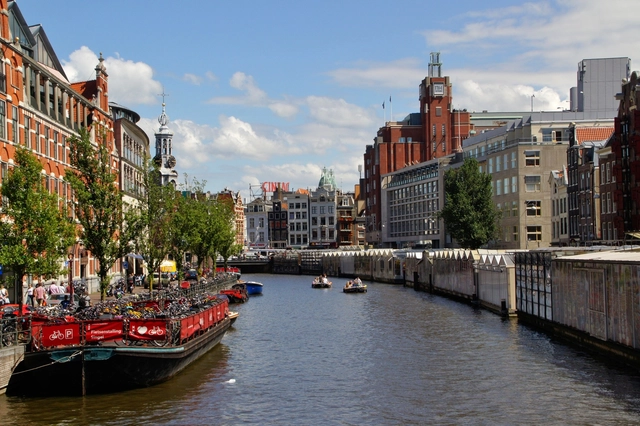
Compact city refers to the urban model associated with a more densified occupation, with consequent overlapping of its uses (homes, shops and services) and promotion of the movement of pedestrians, cyclists and public transport users. Amsterdam and Copenhagen are known examples of such a model.
The glass-shatter sound effect has been a mainstay of classic comedy routines for a long time. Whenever a lightweight prop object flies off-screen or stage, it inevitably smashes through glass a beat later. Right now, it’s still amusing, if harmlessly ludicrous, but before long, the idea of a rogue schoolchild’s rogue football shattering through a neighbor’s window will be met only with query and disdain.
The term ‘Architect’ can be open to interpretation much like the reverence of an Artist. However, the universally recognized definition of the role is regarded as one who designs and plans buildings, a key member in terms of building construction. Architecture as a profession presents itself as a very diverse occupation. As an Art and Science in every sense, it offers insight into a vast range of subjects that can be applied to a range of different ventures.
Often Architecture students are offered with such a rigid path, constrained with these short-sighted ideas that an Architect must follow a particular direction to flourish in the field. When in fact it is interesting to note the vast opportunities that arise when given opportunity to diversify. Here are the Architects that have branched out and become successful fashion designers …
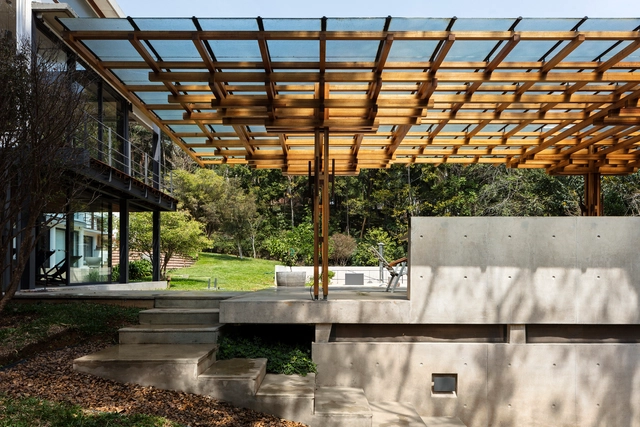
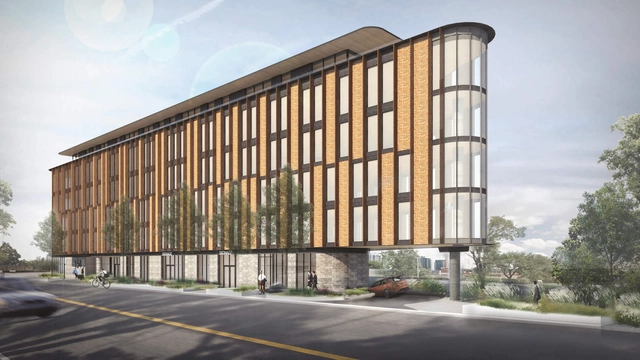
Canada suffers no shortage of flatiron buildings, with historic examples dotting the provinces from Toronto to Vancouver to Lacombe, Alberta, and beyond. Canada also enjoys its status as a hotbed of mass timber construction with Quebec serving as an epicenter of sorts for the movement. However, these two things—flatiron building design and the use of engineered wood products—have never yet been combined.
PARKROYAL COLLECTION Pickering, designed by WOHA and Tierra Design. Image Courtesy of WOHA
Singapore as of late is continually building its reputation as a City in Nature, with Singaporean design long having a strong consciousness to acknowledge that green spaces matter. Urban planners and architects alike have taken a conscientious decision to weave in nature throughout the city as it continues to uproot new buildings and developments, incorporating the implementation of plant life in any form, whether it be through green roofs, cascading vertical gardens, or verdant walls.
This article will explore the pioneering actions taking place in Singapore to create a more biodiverse city and nation, and how this provides a view of how other major cities can adopt similar initiatives over the next decade to provide a blueprint for the future.











.jpg?1644868215&format=webp&width=640&height=580)














..jpg?1644514229&format=webp&width=640&height=580)

._1.jpg?1644514203 "Oasia Hotel Downtown, designed by WOHA and STX Landscape Architects. Image Courtesy of WOHA")

.jpg?1644514319 "Kampung Admiralty, designed by Ramboll Studio Dreiseitl and WOHA. Image Courtesy of WOHA")
..jpg?1644514229)