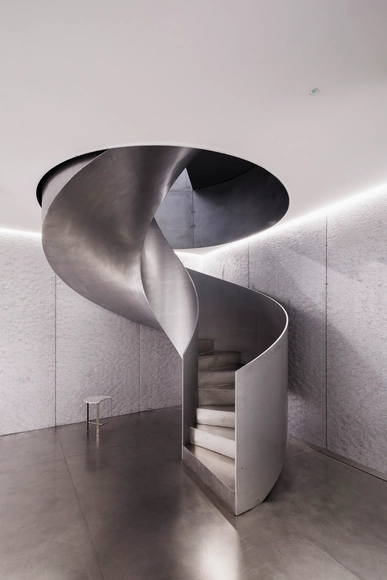
Shortly before the First World War, Harry Brearley (1871-1948), who had been working as a metalworker since he was 12 years old, developed the first stainless steel. Seeking to solve the problem of wear on the inner walls of British army weapons, he ended up obtaining a corrosion resistant metal alloy, and added chrome to the cast iron. The invention found applications in almost all industrial sectors including for the production of cutlery, health equipment, kitchens, automotive parts, and more, replacing traditional materials such as carbon steel, copper, and even aluminum. In civil construction, this was no different, and stainless steel was soon incorporated into buildings.
Amidst the immense possibility of constructive solutions, all have advantages and disadvantages, gains and limitations. Whether for economic reasons, deadlines, material availability, or spatial performance, each type of material responds to the project in a certain way and gives it a specific visual and environmental aspect. In general, multiple construction systems are required, enabling the offsetting of any shortcomings in one material through the performance of another. This approach ensures a balanced and effective implementation of diverse materials to address specific project requirements. Drywall panels, or drywall, are on this threshold between rejection and preference.
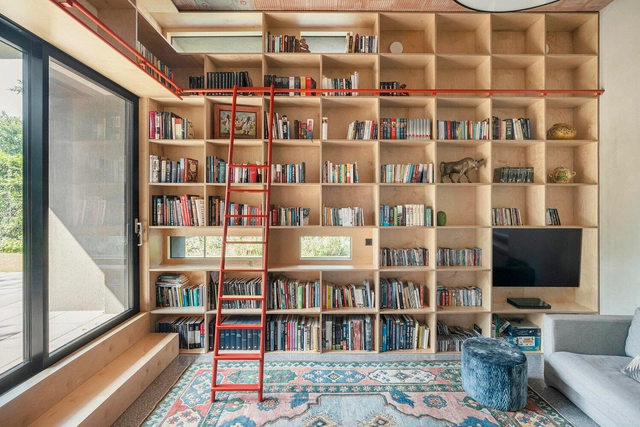
Hidden in plain sight right above our heads, there’s around 50-150cm of wasted space going unused and unnoticed. Those hard-to-reach spots atop wardrobes, kitchen cupboards, and bookcases are reserved only for seldom-used objects, left to be forgotten and gather dust. Helping rooms with high ceilings make full use of their additional height, however, interior ladders allow storage spaces to reach their full potential, while making sure they remain safe, comfortable, and easy to access by everyone.
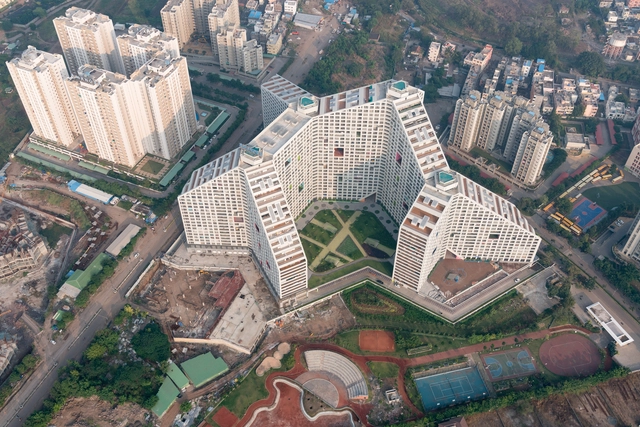
Like most countries, India faces a perpetual housing crisis. As the world’s most populous nation, with an urban population expected to grow from 410 million in 2014 to 814 million by 2050, this becomes a pressing concern. The Indian built landscape brings further complexities in the form of a pervasive market-driven approach and the need for socially relevant housing. Looking into the future, how will India address the needs of its growing population to house the next million urbanites?
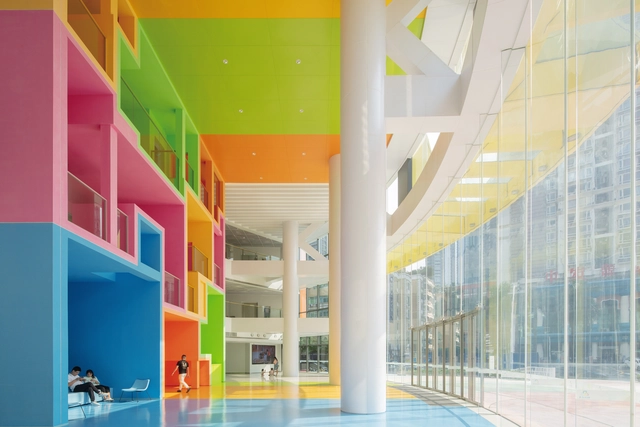
Respecting others seems like something still distant from prevailing in humanity. In a world where news bombards us with various forms of violence, it is always necessary to find ways to recognize the worth and dignity of each person and to respect differences. We need to cultivate tolerance towards what we don't know, and in this regard, architecture can be an important ally.
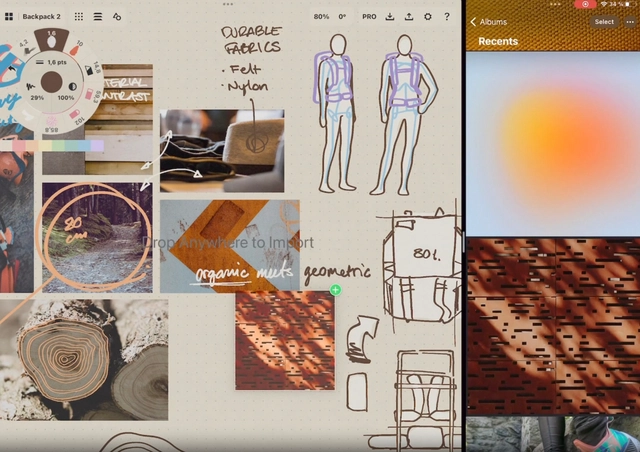
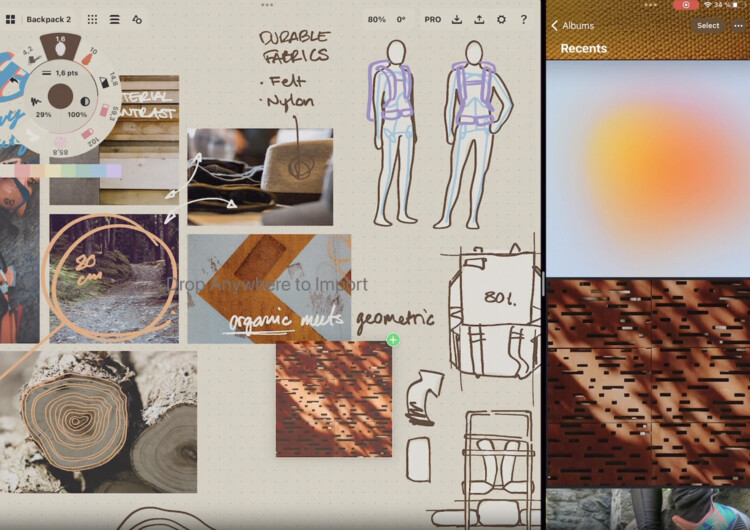
Smartphones and tablets have become so powerful that has abruptly changed the concept of workshops since the introduction of apps into the architecture industry. They have generated a more productive and efficient workflow on-site or on the go, covering different aspects of the field with versatility and variety. While some are specific to professionals, others appeal to every architecture enthusiast, with user-friendly interfaces, simplified navigations, and reachable information.
ArchDaily has selected the best architecture apps in 2023 featuring technical drawing and modeling essentials, sketching canvas for all levels, construction and management platforms, toolbox apps, and interfaces to get inspiration from.
Winds of change continue to blow through the international textile sector. From 9 to 12 January 2024, when the exhibition halls in Frankfurt am Main will once again be full and bustling for Heimtextil, visitors will experience an omnipresent reorientation in the field of home and contract textiles: a move away from the classic trend concept as an economic driver, towards transformation in the direction of sustainable value creation.
Videos
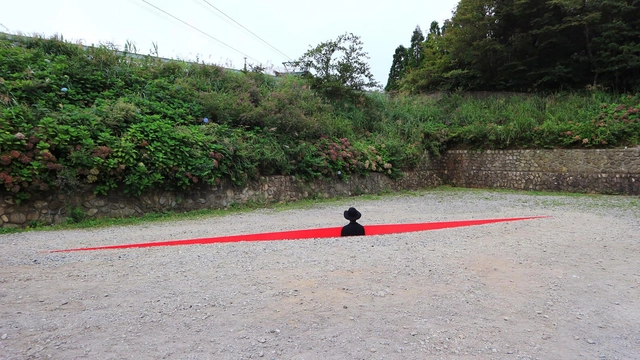
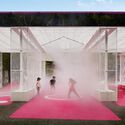
I Was Born Installation / HAJIME YOSHIDA ARCHITECTURE + YOSHIHIRO MIKAMI. Photo: Courtesy of HAJIME YOSHIDA ARCHITECTURE + YOSHIHIRO MIKAMI
A space is much more than just its appearance. Textures, smells, and sounds can strongly affect the user's experience. Based on this, sensory architecture can transform the interaction between people and the built environment into something even deeper.
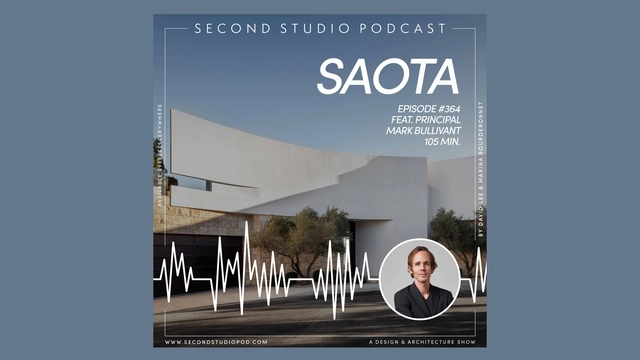
The Second Studio (formerly The Midnight Charette) is an explicit podcast about design, architecture, and the everyday. Hosted by Architects David Lee and Marina Bourderonnet, it features different creative professionals in unscripted conversations that allow for thoughtful takes and personal discussions.
A variety of subjects are covered with honesty and humor: some episodes are interviews, while others are tips for fellow designers, reviews of buildings and other projects, or casual explorations of everyday life and design. The Second Studio is also available on iTunes, Spotify, and YouTube.
This week David and Marina of FAME Architecture & Design are joined by Architect Mark Bullivant, Principal of SAOTA to discuss his background; attending architecture school in South Africa; working on projects across continents; the differing roles of contractors in different areas of the work; their collaborative approach; leadership and management of a large office; the various types of projects they work on; and more!
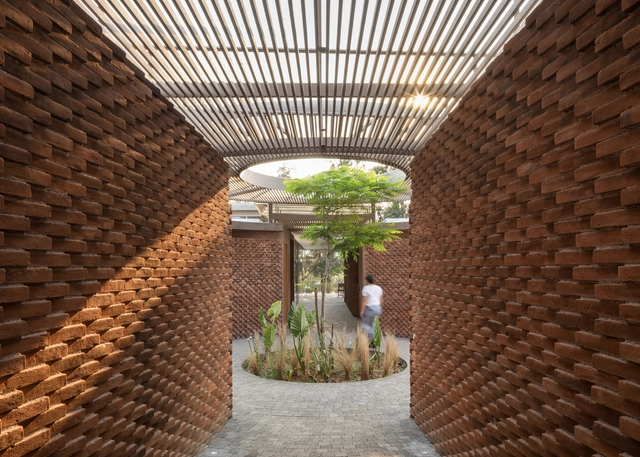
The term brick is often used as a synonym for common clay solid blocks, but there's more to it. Bricks are perhaps the most elementary of building materials and can be used to design modular, optimized, and most importantly, versatile buildings. This article explores the most popular types of bricks according to their use in construction.
Buildings that are designed to layer stories and memories, evoke a sense of aspiration, define cultural narratives, and build a national identity will always be important in all societies. When buildings have this power to shape communities, make an impact on a city’s image, and change the course of socio-economic growth, then they can be identified as iconic. Though the term “iconic” is subjective, it is one that pushes the boundaries of architecture in any context. It calls for spatial originality, proposes innovative material technology, and necessitates a radical socio-economic investment to be realized.
However, since the economies of developing countries in the global south cannot meet the requirements of these architectural structures, is there a more suitable socio-economic model for monumental structures in this context? Can the incremental principles of small adaptable changes and growth be applied to the finite iconic aspiration of this architecture?
By imagining an alternative reality and rediscovering his cultural background, architect Jae Kyung Kim of JK-AR established his identity as an architect when creating his practice, selected as one of ArchDaily’s New Practices 2023. After studying and working in South Korea and the US, he’d noticed an absence of traditional Asian architecture, which had peaked his interest. He began to thoroughly look at a possibility where the traditional timber buildings of East Asia had still been relevant and continued to evolve.
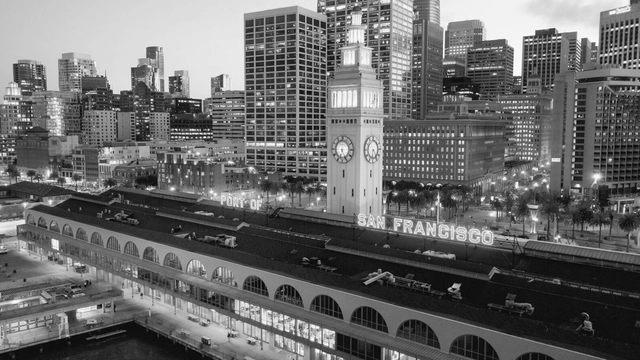
Can telling the story of one building tell a larger story about the city it’s a part of? That’s the central premise of John King’s engaging new book, Portal: San Francisco’s Ferry Building and the Reinvention of American Cities (W.W. Norton). The long-time urban design critic for the San Francisco Chronicle has written a brisk, lively history of this beloved edifice, which opened in 1898 and served as the principal gateway to the city until the emergence of the automobile (and the bridges that served them).
For decades it sat largely empty and neglected, cordoned off by the Embarcadero Freeway. After the Loma Prieta earthquake in 1989, the damaged highway was eventually removed, freeing up the Ferry Building, which was given new life as a transportation hub, food hall, and office building. Last week I talked to King about the genesis for the book, the terminal’s seminal importance to the city of San Francisco, and the threat it faces from rising sea levels.
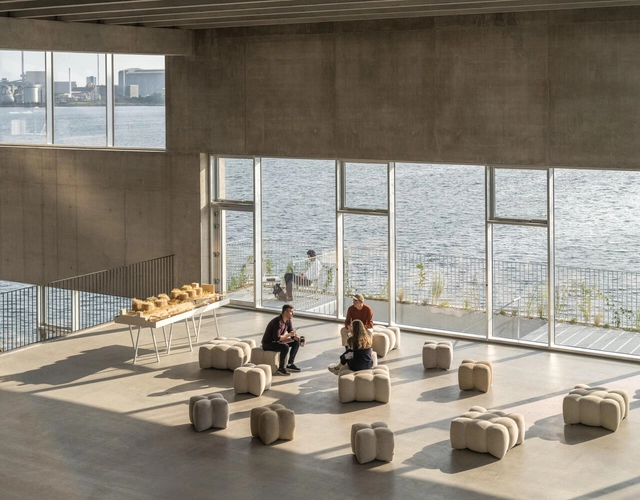
Surrounded by water and with a distinctly energetic vibe, Danish architecture studio BIG – Bjarke Ingels Group has based its new headquarters in Copenhagen's flourishing harbor district, Nordhavn. With its newly constructed office building, the design pioneers are striving to showcase the art of blending technology, innovation and creativity while also designing a space that nurtures inventiveness and fosters a sense of community in the workplace.
When we conceive an architectural project, it is crucial to transcend mere aesthetics and consider all aspects of our material decisions. The spaces where we live, work, and interact should not only be visually pleasing but also contribute to our safety and comfort. What if, in addition, they could improve air quality and reduce the amount of pathogens on surfaces? This is why the selection of materials plays a fundamental role, and architects and specifiers need to strive to acquire as much knowledge as possible about the materials and systems they incorporate into their projects.
In July, Las Vegas unveiled an extravagant spectacle - a colossal LED-wrapped spherical structure, standing 366 feet tall and 516 feet wide. This entertainment event venue instantly captured the public's gaze, becoming a local landmark and attracting global attention through extensive news coverage. Similar spherical concepts have been proposed in London and at a smaller scale in Los Angeles. These massive display structures open up questions about facades as digital canvases. What role can architecture take as an urban canvas other than as a billboard? And what are different ways for architecture to engage the public through digital art besides gigantic LED spheres?
Within the shifts in architectural movements and styles, furniture design has also evolved throughout the years, transitioning from elaborate curvy lines and opulent materials to simple and functional layouts, and back again, in constant movement. As it continues to evolve, contemporary furniture design is often influenced by technological advances, exploring digital fabrication and user-centered design, while also responding to sustainable strategies. These innovations have elevated custom furniture design, crafting unique pieces tailored to individual needs, preferences, and space specifications.
With the ability to adapt to each user, bespoke furniture design creates unique pieces crafted to meet individual needs, preferences, and space specifications. Delving into augmented reality (AR) and virtual reality (VR), Tylko creates customized, long-lasting, and sustainable solutions for sideboards, wall storage, bookcases, wardrobes and TV stands. Analyzing their tech-forward approach to creating endless possibilities of made-to-measure furniture, we showcase their design process experience, along with their intuitive online configurator and augmented reality app.
Lithuania's architectural narrative is a mosaic of diverse influences and styles, representing its historical evolution, cultural heritage, and resilience through changing times. Despite a focus on traditional craftsmanship, functional minimalism, and sustainable materials, the country's design language has been profoundly influenced by its geopolitical position and historical events, resulting in a blend of styles from different periods. A key factor that cuts across all expressions, however, is Lithuanian architecture's seamless connection with its natural surroundings.