In a post-Covid period of reinvention, Porto-based furniture brand Hamilton Conte is embracing modularity, new shapes and above all, comfort.


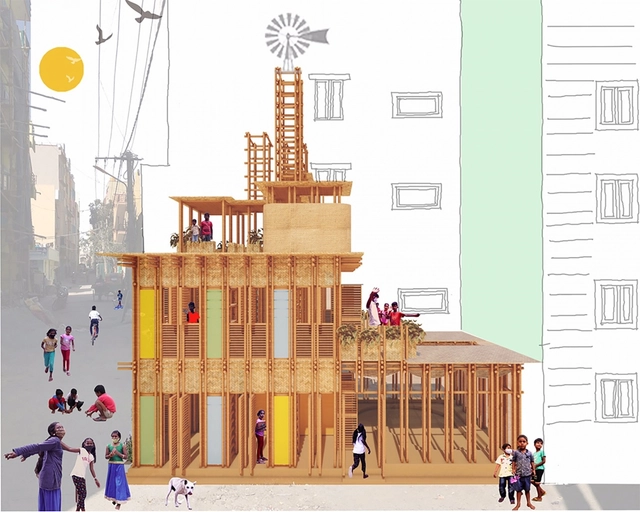
Architecture-in-Development (A--D) is proud to announce the six finalists of the 2021 Global Challenge. A--D will partner with these six teams in a 6-month accelerator programme aiming to match potential partners, collaborators and resources to each project’s critical needs - giving the teams the opportunity to build the necessary capacity to bring their projects to life.
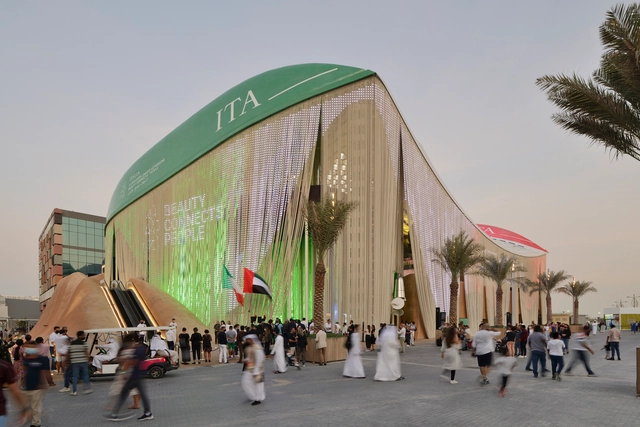
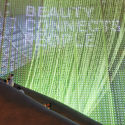
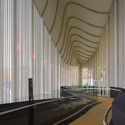
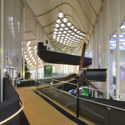
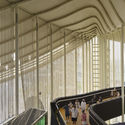
CRA-Carlo Ratti Associati and Italo Rota Building Office, along with Matteo Gatto and F&M Ingegneria designed the Italian Pavilion at the Expo 2020 Dubai with a focus on reconfigurable architecture and circularity. The architects used orange peel, coffee ground, algae, and sand as construction materials, along with recycled plastic for the façade's ropes and boat hulls for the roof. The architectural design of the pavilion and the materials used create a natural climate mitigation system that substitutes for air conditioning.

Italian architecture practice Spacelab designed an energy self-sufficient shelter for temporary use, a parametric project that can be built without foundations on any site, leaving no trace and no damage to the site at the end of its life cycle. Named Zero in reference to the lack of waste during construction or removal and its zero-emissions operation, the structure can be demounted and reassembled multiple times, tapping into issues of circular economy, impermanence and reuse.


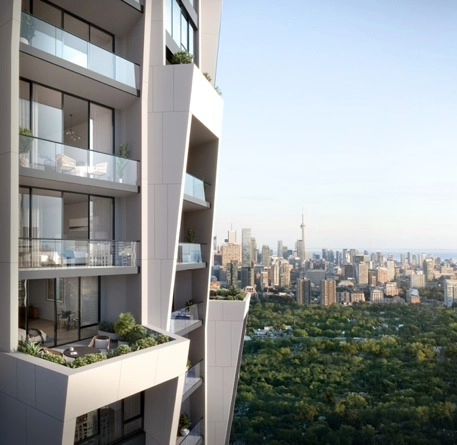
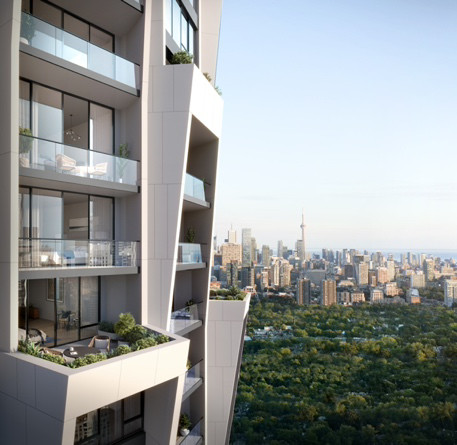
Studio Gang has designed a honeycomb-shaped residential building, titled One Delisle that offers residents an all-year-round outdoor patio overlooking Toronto, Canada. The project is designed as a windbreaker inspired by a German beach chair known as the Strandkorb. The tower will include up to 47 floors, with each distinct penthouse spanning one-third or one-half of the 16-sided building, and will offer residents hotel-style amenities.

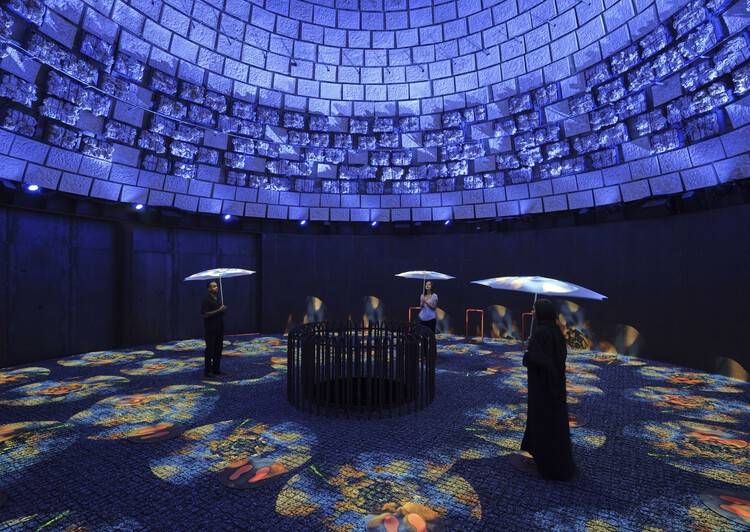
The Netherlands Pavilion at Expo 2020 Dubai proposes a circular climate system that harvests water, energy, manufactures rain and produces food, creating a temporary biotope that embodies the fusion between art, architecture and technology. Designed by V8 Architects, with a visitor experience curated by Kossmanndejong, the pavilion creates a multi-sensory narrative around natural phenomena. Industrial materials like metal sheets, steel tubes, ducts and pipes blend unexpectedly with vegetation and textile fabrics to create a spatial journey culminating in a centrepiece that provides a tranquil stop amidst the bustle of the Expo.
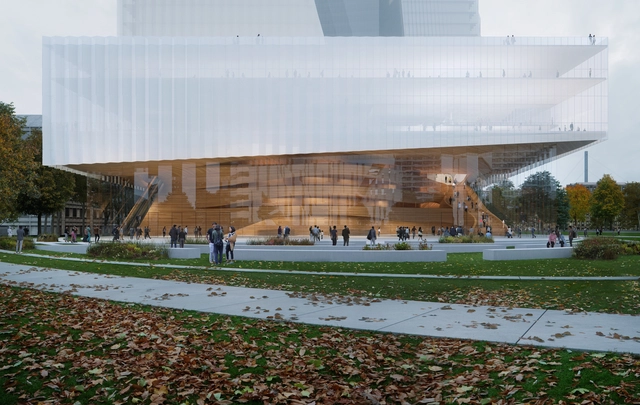
Snøhetta revealed its design for Duett Düsseldorf, a new opera house set to become the German city’s new cultural destination. Stemming from the horizontal volume containing the new music venue are two sloping towers containing a hotel, restaurants, office spaces and residential units, creating a multi-layered development serving the arts and culture scene of Düsseldorf. Neighbouring the historic Hofgarten park and the Rhein river, the project’s ground-level blurs the boundaries between indoor and outdoor, with a glass façade revealing a cultural wood wall within the foyer, welcoming users to the opera house.
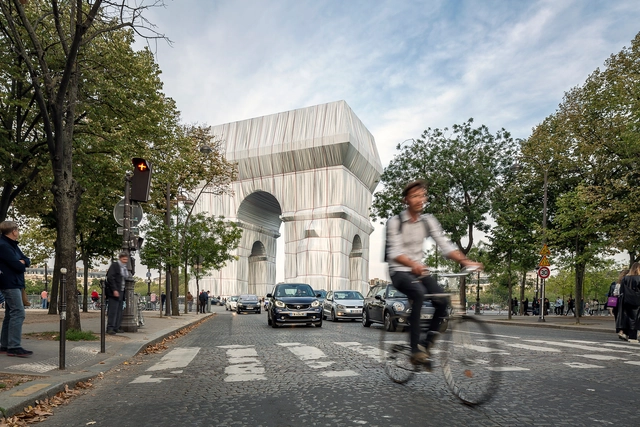
Andreas Ruby, Director of the Swiss Architecture Museum shares his thoughts on the wrapped Arc de Triomphe installation by Christo and Jeanne-Claude, in a 3 part essay, converting a monument glorifying war into a monument of decolonization. The temporary installation opened to the public on September 18, 2021, and will be dismantled starting October 3, 2021.
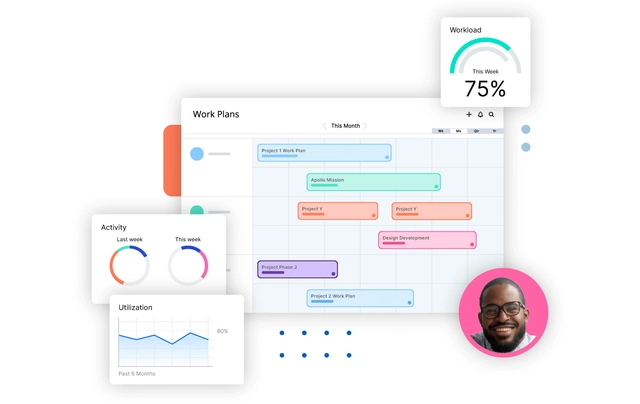
Working smarter, not harder is the goal of every business; but in architecture, where margins can be thin, it’s an imperative. So how do firms work smarter without spending tons of time wising up? By leveraging artificial intelligence—or AI.
Put simply, AI analyzes huge datasets to solve the historically unsolvable. AI unburdens people from time-consuming activities, like planning projects and work. Our brains aren’t wired to manage dozens of conflicting schedule dates, projects, and staff. But Mosaic—AI-powered resource management software—is here to help architects effectively plan.
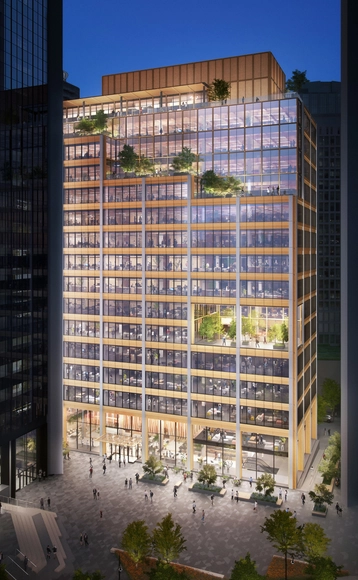
Kohn Pedersen Fox Associates has released images of its latest project, the Burrard Exchange, a hybrid mass timber office building at the Bentall Centre in Vancouver, Canada. The structure will be the first timber project designed by the architecture firm and is set to be one of the tallest of its type in North America.


The Finnish Pavilion for Expo 2020 Dubai showcases the country's deep connection with nature and sustainability, contributing to its high quality of life. Titled "Snow Cape", the pavilion designed by JKMM Architects subtly evokes Finnish natural settings through materiality and atmosphere while embodying the principles of circular economy championed by the Nordic country. The structure with its tent-like entrance creates a point of commonality, reminding of Finland's nomadic heritage, as well as the Arabic text.
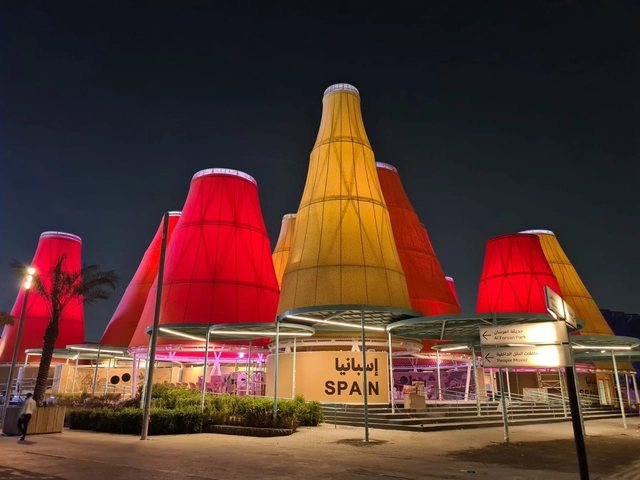
Under the motto of 'Intelligence for life', the Spanish Pavilion at the 2020 Expo in Dubai seeks to synthesize "our ingenuity, our creativity and our innovative capacity as essential tools to preserve life and biological diversity as well as to build a sustainable future". The architectural project entrusted to the studio Amann-Cánovas-Maruri is located in the "Sustainability" thematic area, close to what will undoubtedly be one of the largest meeting points: Al Wasl Square and the UAE Pavilion designed by Santiago Calatrava.
Monograph—a leading practice operations platform designed to help architects and engineers oversee projects, timesheets, and forecasts in one integrated and simple interface—has launched its latest add-on feature, Planned Profit Report and Profit Drivers. During the company’s first-ever virtual conference, Section Cut, in August 2021, Monograph announced the introduction of Planned Profit Report and Profit Drivers, designed to provide architecture and design firms with a better understanding of their profitability.
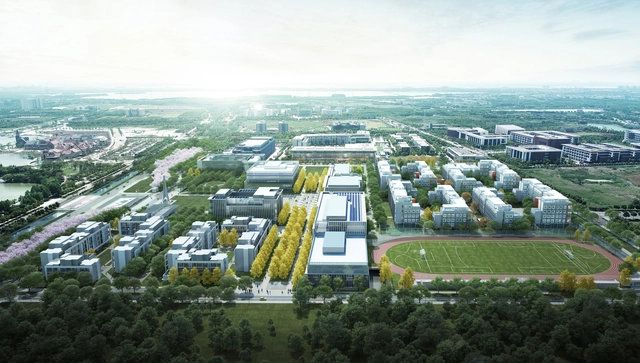
Perkins&Will has revealed the designs of the second phase of Duke Kunshan University which reflect the natural context and local culture of Kunshan, China. The architecture blends nature and architecture, and highlights the university's ethos and education values through spaces dedicated for living and learning. The 189,334 sqm master plan includes 22 buildings of administration, educational, and recreational facilities.
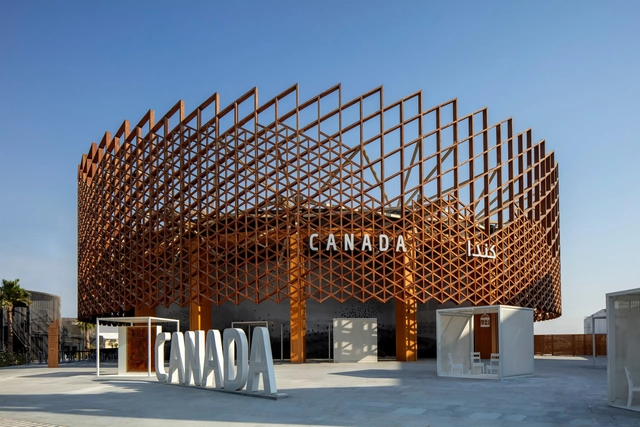
Designed by Toronto-based practice Moriyama & Teshima Architects and construction company ElisDon, the Canadian Pavilion for Expo 2020 Dubai aims to bridge the two cultures by echoing Canada’s landscapes and incorporating Arabic architectural elements with its wooden lattice facade a reference to the traditional Mashrabiya. Accompanying the pavilion is the art installation Traces created by Montréal-based firm KANVA, which brings a poetic reflection on the uncertainty of the future of ecosystems to the exhibition grounds.
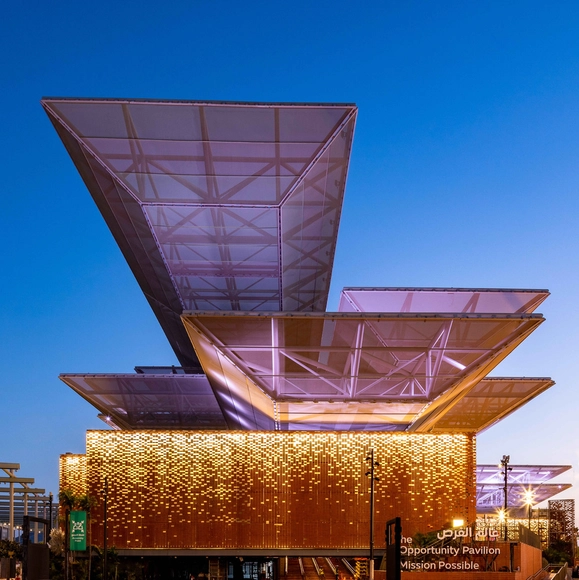
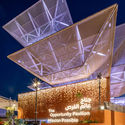
Designed by AGi Architects, Mission Possible, Expo 2020 Dubai's Opportunity Pavilion offers social and cross-cultural engagement through a universal and urban platform. Opportunity is one of the three main themes of this year's expo, alongside Sustainability and Mobility, which explore how we can "unlock the potential of individuals and communities, highlighting that each of us has a role to play in creating positive change". The structure resembles a large public plaza with a universal architectural identity since the feature has transcended generations, cultures, and eras.
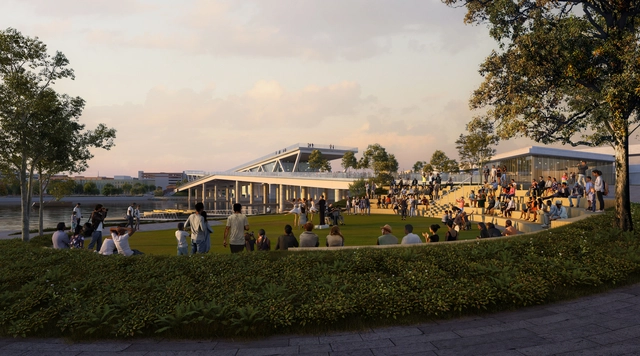
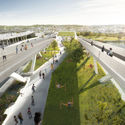
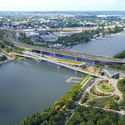
OMA/Jason Long’s 11th Street Bridge Park has reached new major milestones in its design and capital campaign after a series of design refinements. The design team has further improved the program areas across the bridge park, and has shifted the locations of the amphitheater and main gathering space, extending its capacity up to 250 people. Finishes and landscape designs have also been refined, whereas the pedestrian pathways, terraces, centers and public plazas have remained unchanged.