Earlier this month, a series of cities worldwide have revealed various initiatives that would help them better understand the effects of climate change and shape a more environmentally conscious environment. From several American cities creating digital twins to help curb carbon emissions to the city of Brighton mandating bee bricks to foster biodiversity and Central Park becoming a laboratory for studying climate change adaptation in urban parks, cities take on a multidisciplinary and multi-scalar approach to environmental issues.
The United States Artists Fellowship Award is an annual grant that recognizes the "most compelling artists working and living in the United States, in all disciplines, at every stage of their career". Every year, individual artists are anonymously nominated to apply by a diverse group of scholars, critics, producers, and other arts professionals. Among the 63 recipients of 2022, 5 were selected from the fields of architecture and design with the aim of strengthening and enriching the industry and their communities.
Continuing its long-lasting collaboration with Prada, OMA’S research and design branch AMO created a cinematic scenography for the brand’s 2022 Fall Winter Menswear show. Yellow carpeting envelops the hall of Deposito at Fondazione Prada, reimagined as a theatrical setting with olive-green theatre chairs and stage lighting. In juxtaposition, sci-fi looking metal-clad tunnels bathed in neon lights emphasize “the uncanny relationship between the theatrical and technological atmospheres”.
The Royal Institute of British Architects (RIBA) has named Friendship Hospital in Bangladesh, designed by Kashef Chowdhury/URBANA as the winner of the 2021 RIBA International Prize, the biennial award highlighting worldwide projects that "demonstrate design excellence and social impact". The remote community hospital set within a riverine landscape translates the site's conditions prone to flooding into the central theme of the design, crafting a serene environment around the water element. The jury commended the project's thoughtful and innovative design within a modest budget, its use of local craftsmanship, and its climate-resilient response.
Early last week, the European Commission and the Fundació Mies van der Rohe announced the 40 shortlisted projects of the EU Mies Award, a prize that commends excellence in architecture, highlighting its contribution to sustainable development. In this context, and two years after the European Parliament voted to support the Green Deal, we review the steps taken by the EU in 2021 towards achieving its sustainability goals and shaping a resilient built environment.
It’s a truth universally acknowledged that BIM is booming. It’s the future, and the AEC industry’s definitive move into complete digitization. In fact, in just four years from now, by 2026, the BIM market is projected to be valued at a jaw-dropping 10.7 billion USD. It’s no surprise then that young architecture professionals are looking to BIM for both financially and intellectually rewarding career paths.
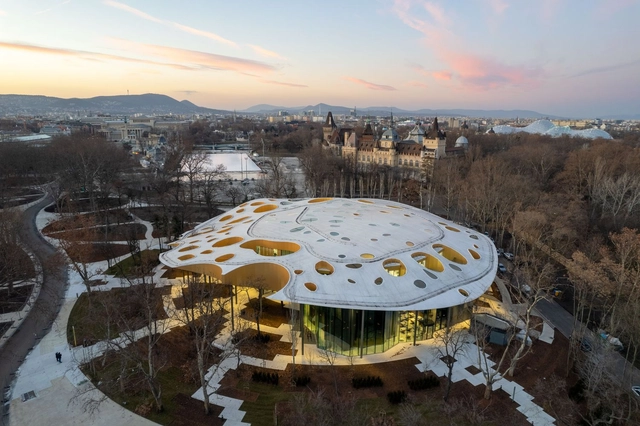
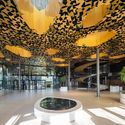
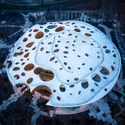
Sou Fujimoto’s House of Hungarian Music, a contemporary cultural landmark dedicated to music in Budapest's City Park has officially opened its doors to the public. Considered as one of the most anticipated buildings of the year, the project is nestled within the park's trees, and is designed as an extension of its natural setting through uninterrupted glass volumes and a perforated roof structure. The museum offers a unique artistic experience combining landscape, architecture, and exhibition design, all dedicated to the creation of music and sound.
Helsinki seeks to transform the Makasiiniranta area into an extension of its pedestrian city centre through a competition that will reshape a significant part of its maritime façade. The two-phase competition has shortlisted nine international groups whose proposals were made available for public feedback under anonymity. As most of the former industrial areas of the city have been redeveloped, Makasiinirantais is the last part of the old harbour waiting to undergo transformation and the most significant one, as it is considered a nationally valuable environment.
In a building industry where topics such as quality and sustainability are high on the agenda amongst the leading players, the contract team at BoConcept London is gaining traction.
The Second Studio (formerly The Midnight Charette) is an explicit podcast about design, architecture, and the everyday. Hosted by Architects David Lee and Marina Bourderonnet, it features different creative professionals in unscripted conversations that allow for thoughtful takes and personal discussions.
A variety of subjects are covered with honesty and humor: some episodes are interviews, while others are tips for fellow designers, reviews of buildings and other projects, or casual explorations of everyday life and design. The Second Studio is also available on iTunes, Spotify, and YouTube.
This week David and Marina are joined by Jimenez Lai, Founder of Bureau Spectacular to discuss civic and infrastructural spaces in cities; collage architecture; what makes a living room, a living room?; his current project, “Citizens With No Places”; his book “Citizen of No Place”; living and studying at Taliesin West; and suburban developments.
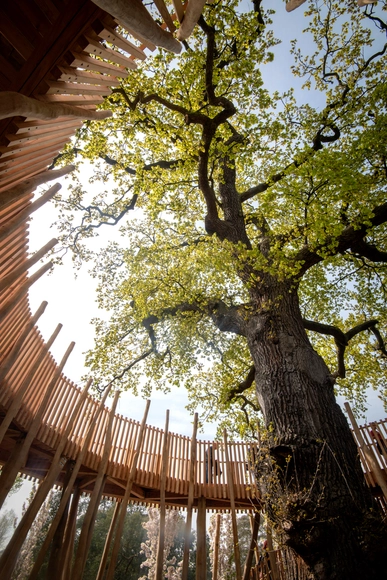
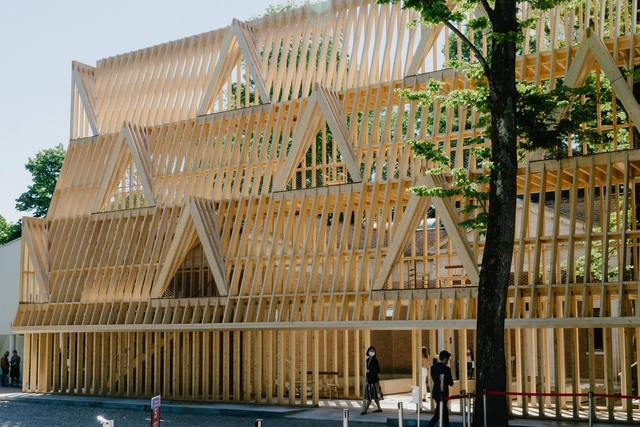
Royal Botanic Gardens, Kew, and the Museum of Architecture (MoA) have launched a competition to find three exceptional designs to create three treehouses across RBG Kew's UNESCO World Heritage Site as part of a larger ‘Treehouses at Kew’ Exhibition.
‘Treehouses at Kew’ will be Kew’s main exhibition running from April to October 2023, and provide one of the most unmissable visitor experiences of the 2023 London cultural calendar.
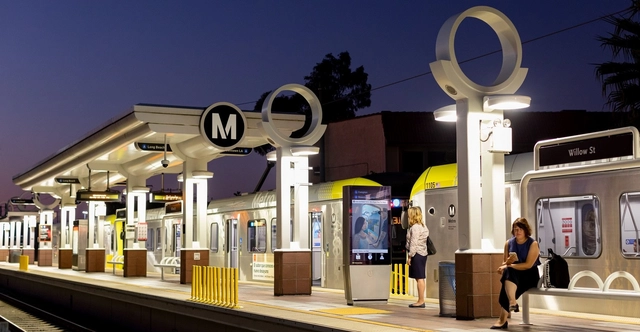
Following California's Covid-19 health regulations in early 2020, Metro, the Los Angeles public transit agency stopped collecting fares on its busses as a safety precaution measure. However, the company's decision turned into the United States' biggest free-transit experiment, as ridership never dipped below 50 percent, even with the stay-at-home orders enforced by the government. Following 22 months of the decision and around 281 million fare-free transits, the company has decided to restart collecting fares, but is planning on using the information gathered throughout these two years to implement future improvements and introduce other free or reduced-fare programs in the city.
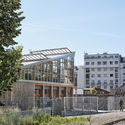
Powerhouse Company revealed its design for the new Tilburg University Lecture Hall, which upon completion, will be the Netherlands’ first academic building made of cross-laminated timber. Set within a wooded landscape, the lecture hall is a nod to the 1960s grade-listed Modernist architecture of the campus, echoing its monastic atmosphere through the rhythm of the windows and the limestone façades.
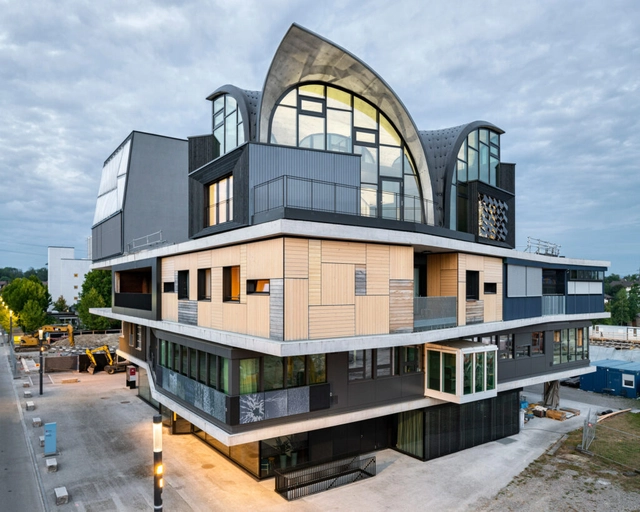
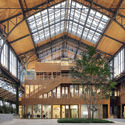
Dübendorf, Switzerland is something of hallowed ground for architectural technologists. There, on the shared academic campus of the Swiss Federal Laboratories for Materials Science and Technology and the Swiss Federal Institute of Aquatic Science and Technology, public university ETH Zurich has conducted nearly a decade of engineering and construction experimentation at the ever-evolving NEST research building. In August, ETH Zürich unveiled its latest extension of the building, HiLo (short for high performance-low emissions)—a two-story modular addition to the chameleon structure that harnesses medieval building principles and contemporary digital methods to raise the bar for more sustainable applications of concrete.
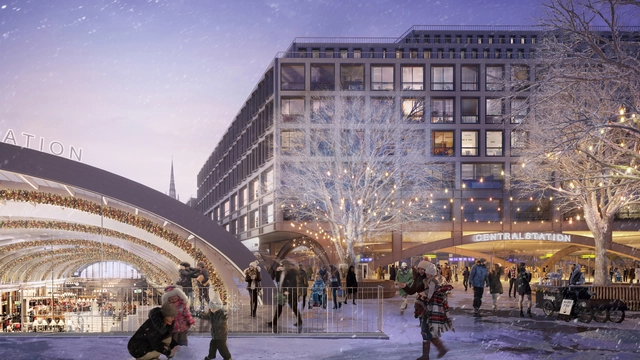
An integrated team led by Foster + Partners in collaboration with Marge Arkitekter have won a design competition for the redevelopment of Stockholm's central station, Sweden's largest transportation facility. The winning design aims to bring together several modes of transport in an integrated hub, while prioritizing pedestrian circulation and creating a new mixed-use urban district that combines old and new architecture.
Over the past year, established practices have continued to champion the transformation of existing structures, with adaptive reuse and renovations increasingly becoming a defining aspect of contemporary architecture From the renovation of landmark structures to the adaptive reuse of obsolete facilities, the idea of giving new life to existing buildings has been embraced as the premise for a more sustainable practice, but also as a means of reinforcing the urban and cultural identity of cities. Discover 8 designs and recently completed projects that showcase a new common practice of reusing existing building stock.
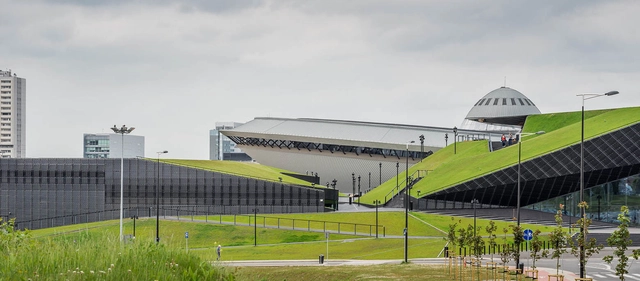
Centro Internacional de Conferencias de Katowice / JEMS. Image via JEMS
"Transforming our cities for a better urban future", is the main theme of the next World Urban Forum (WUF) which will take place, for the first time in Eastern Europe, in the city of Katowice, Poland, from the 26th to the 30th of June 2022. This global event on sustainable urbanisation is convened every two years by the United Nations Human Settlement Programme (UN-Habitat), and this time, it is co-organised by the Polish Ministry of Development Funds and Regional Policy and the Katowice City Office.
In this two-part episode of Design and the City - a podcast on how to make cities more livable – reSITE covers the 17th Venice Architecture Biennale, exploring the question of “How will we live together". Part-one looks into the works of the U.S, Nordic, and Luxembourg Pavilion curators, focusing on their use of timber construction as an answer to the exhibition's theme. Part-two features curator Hashim Sarkis and Greg Lindsay, along with the British and Austrian pavilion curators, as they explore the topic of accessibility.
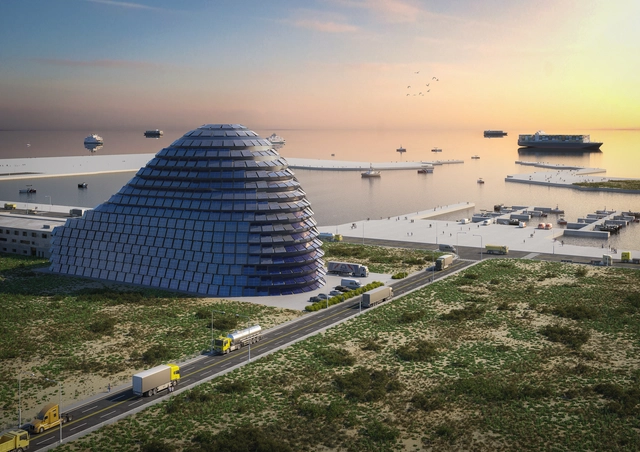
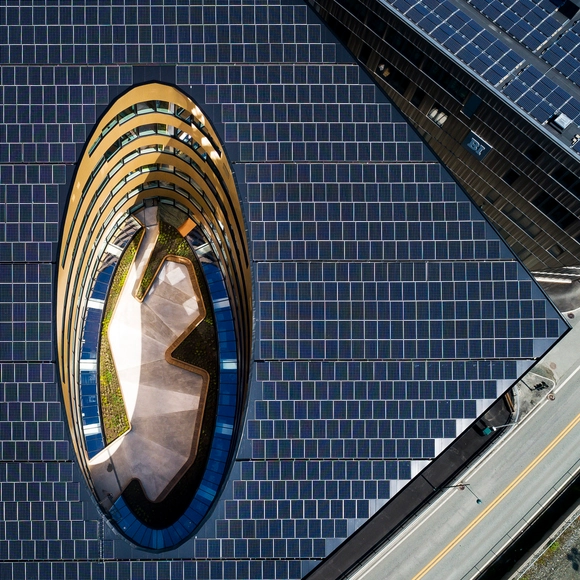
MVRDV ‘s latest project designed for government-owned power company Taipower is “a tool for energy production”, communicating Taiwan’s goal of transitioning to green energy. The morphology of the project and its architectural image are entirely data-driven, the expression of the most efficient way of generating solar energy on the site. An operations facility comprising offices, a maintenance workshop, storage spaces, and a public gallery, the project is defined as a “built manifesto”, projecting the company’s aspirations for achieving a “carbon-free future”.
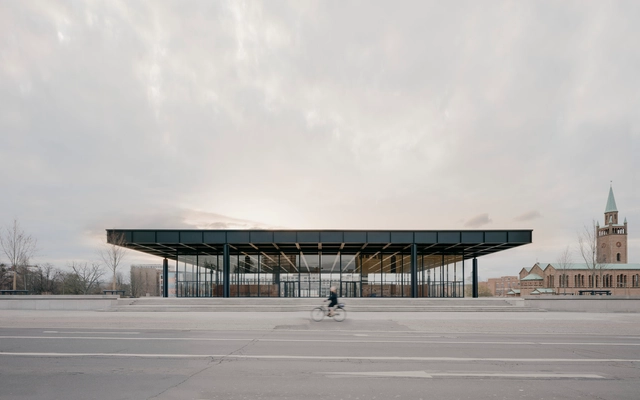
The European Commission and the Mies van der Rohe Foundation have announced the 40 shortlisted works that will compete for the 2022 European Union Prize for Contemporary Architecture – Mies van der Rohe Award. The shortlist featured projects built across 18 different European countries, with Spain, Austria, and France topping the list with 5 entries each. The winners will be announced in April 2022 and the Award ceremony will take place in May 2022.
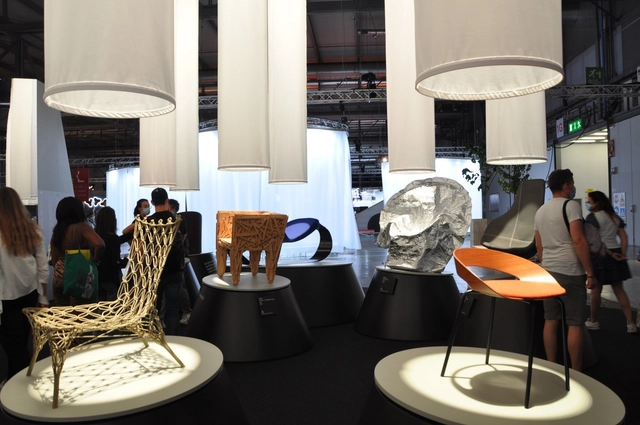
The 60th edition of Salone del Mobile.Milano has been postponed and will now take place from the 7th till the 12th of June 2022. The decision was taken by the Board of Federlegno Arredo Eventi, in agreement with Fiera Milano, who voted to postpone the event from April 2022 to June 2022.
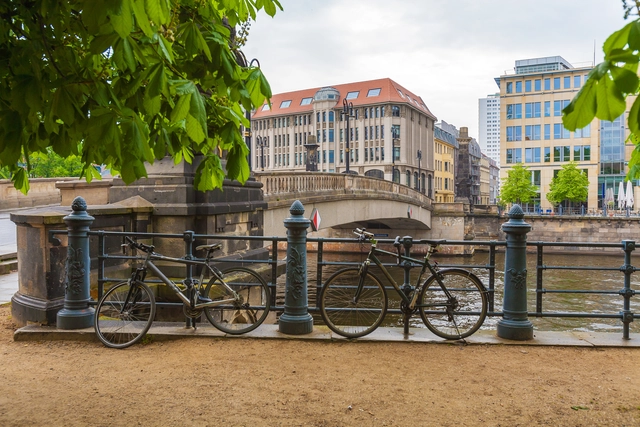
Volksentscheid Berlin Autofrei (People’s Decision for Auto-Free Berlin), has proposed a plan to limit cars within Berlin's Ringbahn, a long circle route around the inner city, making it the world's largest car-free area once approved. The citizen-initiative is aimed mostly at banning the use of private cars in central Berlin, with the exception of emergency vehicles, garbage trucks, taxis, delivery vehicles, and residents with limited mobility, who would all be given special access permits.








.jpg?1643020143 "Courtesy of Liget Budapest Project")
.jpg?1643020177 "Courtesy of Liget Budapest Project")