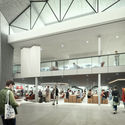
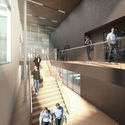
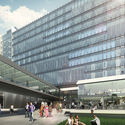
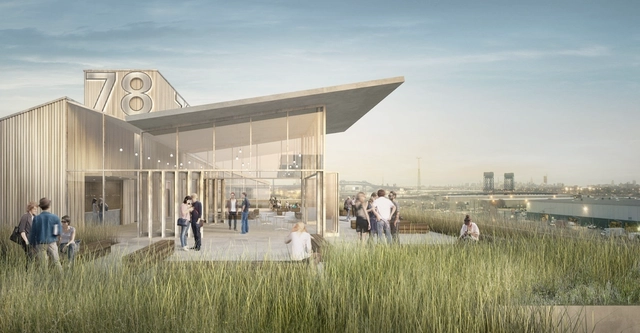
2016 New York State Firm of the Year WXY Architecture + Urban Design has been commissioned to masterplan and develop a 130-acre former shipyard into a modern “innovation district” featuring flexible workspaces and a modern maker hub at Kearny Point, New Jersey. Working with owner Hugo Neu, WXY’s plan calls for the adaptive reuse of several former maritime industry buildings that once served as factories for warships.
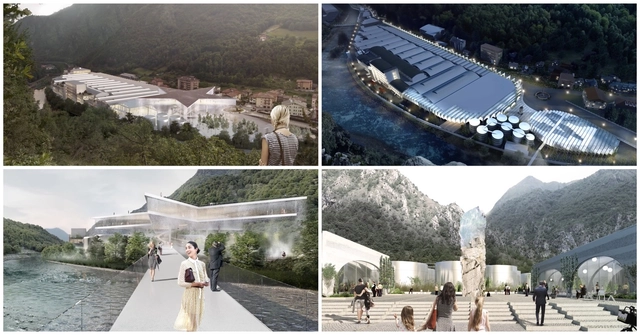
The competition to design a new flagship factory and bottling plant for San Pellegrino has been narrowed down to two firms: BIG and MVRDV. Searching for a “truly innovative project that not only conveys an artistic vision, but also sets new standards in terms of efficiency and compliancy to environmental sustainability,” the jury committee selected the two final proposals from a 4-firm list which also included designs from Snøhetta and aMDL Michele De Lucchi.
“The judging committee were so impressed by the four proposals that they decided to narrow their selection to a shortlist of two and deliberate further before announcing the winning project early next year,” explained San Pellegrino in a press release.
San Pellegrino also released video proposals of the designs, explained by firm founders Bjarke Ingels and Winy Maas.
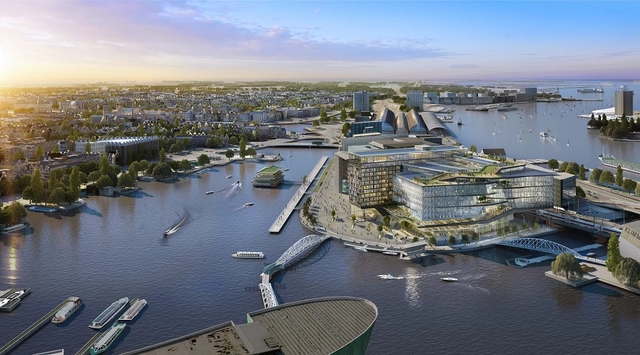
UNStudio has designed the final portion of a 225,000 square meter (2,420,000 square foot) urban plan for the district of Oosterdokseiland in the city center of Amsterdam. Located at the tip of the island, the last sub-plan will consist of a lively social hub and 72,500 square meters (780,000 square feet) of public facilities, apartments and office space for Amsterdam-based company Booking.com.
“The design for this fully integrated new urban campus is envisioned as a highly multifunctional living and working environment, enriched with special amenity and public programmes,” said UNStudio Founder Ben van Berkel. “The urban gesture of the building weaves together with the existing streets, while the east side of the building will become a recognisable emblem for Oosterdok.”
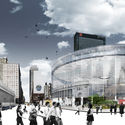
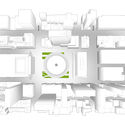
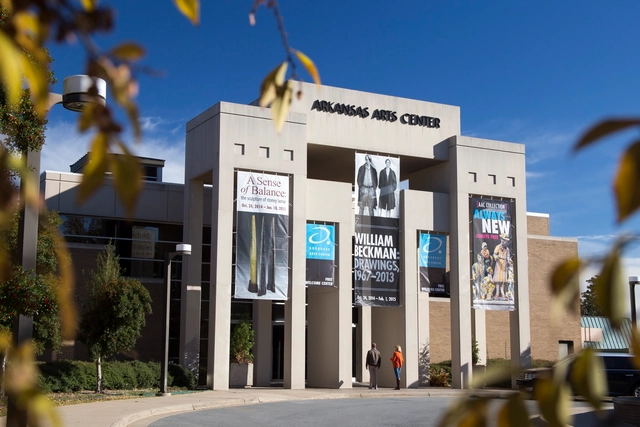
The Arkansas Arts Center has selected five top architecture firms to compete for the design of a $55 million to $65 million museum expansion project in Little Rock, Arkansas. The project will include a renovation to existing theater and studio spaces, as well as new education facilities for families and gallery space to house the museum’s expanding art collection.
An advisory panel and selection committee named the finalists following a RFQ process featuring 23 local and international firms.
The MIT School of Architecture’sSelf-Assembly Lab has teamed up with Google to create Transformable Meeting Spaces, a project that utilizes woven structure research in wood and fiberglass pods that descend from the ceiling, transforming a large space into a smaller one. Designed as a small-scale intervention for reconfiguring open office plans—which “have been shown to decrease productivity due to noise and privacy challenges”—the pods require no electromechanical systems to function, but rather employ a flexible skeleton and counterweight to change shape.
This skeleton is composed of 36 fiberglass rods, which are woven together into a sort of textile or cylindrical braid. Thus, the structure behaves “like a Chinese finger trap: The circumference of the pod shrinks when it’s pulled, and expends when relaxed.”
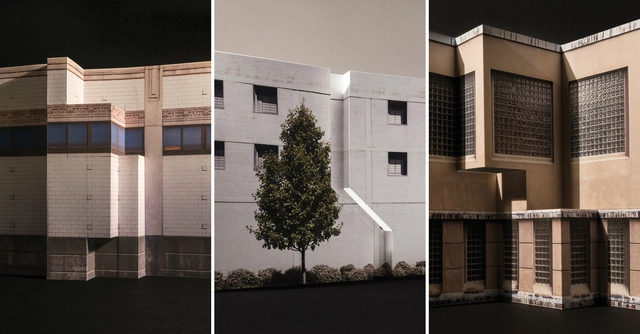
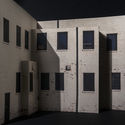
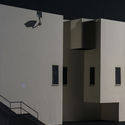
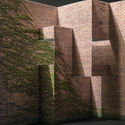
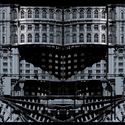
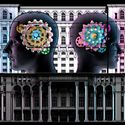
In Hidden Dimension, Boston-based Russian photographer Anna Yeroshenko converts a series of architecture photographs into three-dimensional structures. The work is intended to transform the viewer’s perspective of forgettable utilitarian buildings and encourage a closer look at the physical and social impacts of the built environment on our everyday lives.
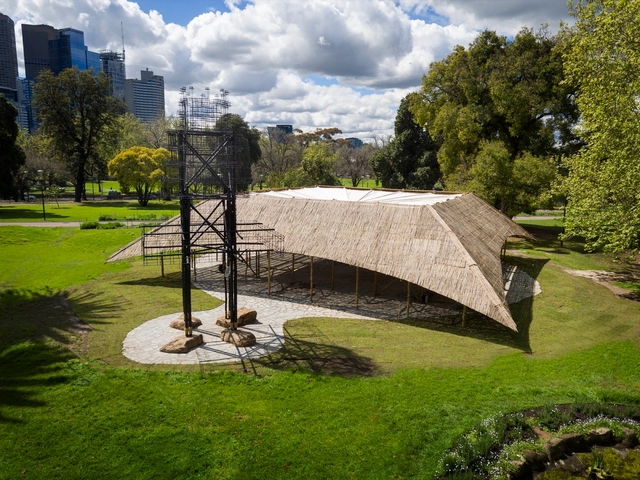
The 2016 MPavilion, designed by Indian architect Bijoy Jain of Studio Mumbai, has opened in Melbourne’s Queen Victoria Gardens. Over the next four months, the bamboo structure will play host to a free public program of over 400 talks, workshops, performances and installations.
Bijoy Jain’s design joins the growing international trend of “handmade architecture” as it becomes the largest bamboo structure in Australia, utilizing 7 kilometers of Indian bamboo, 50,000 kilograms of Australian bluestone, 5,000 wooden pins and 26 kilometers of rope to cover a 16.8 square meter area. The slatted roof panels are constructed from sticks of the Karvi plant and were woven together by craftspeople in India over a four month period.
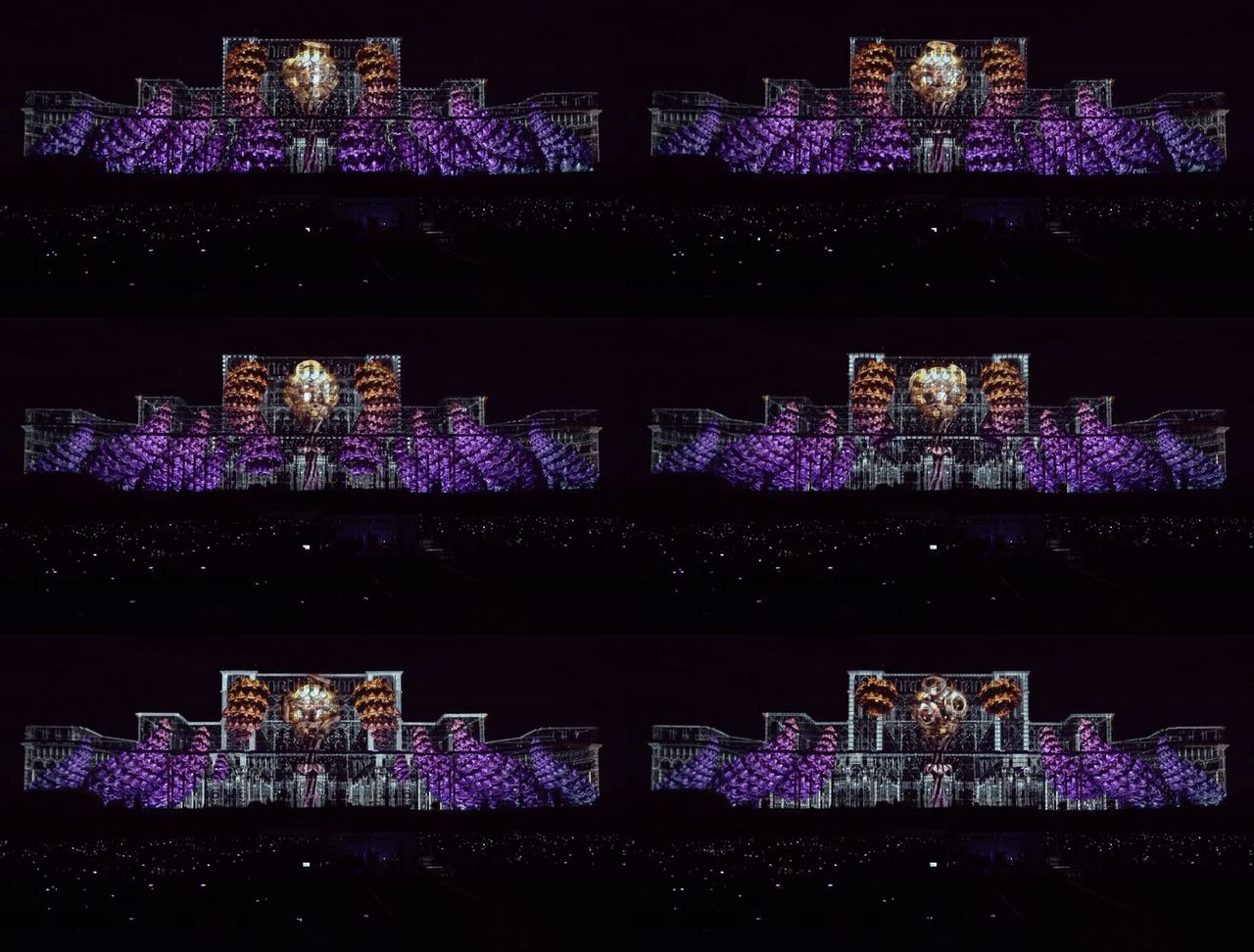
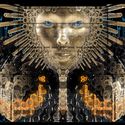
Installation art collective Limelight has transformed the Parliament Building of Romania into a eye-popping, psychedelic light show for the iMapp Bucharest International Video Mapping Competition. Titled “Interconnection,” the video utilized projection mapping (also known as spatial augmented reality) techniques to render the world’s third largest building in a blaze of shape-shifting, technicolor graphics and animations. Taking home top honors at the event, the projection required the use of 104 video projectors to cast the 23,000 square meter surface of the Parliament’s front facade in over 1 million ANSI lumens.
According to its creators, “the projection mapping shows the interconnectedness of all things from micro to macro as well as the outer and the inner universe. Conjuring emotions and feelings, the amazing display of color, light and sound aims to reopen the dialogue between the internal and the external, through a cinematic journey from the state of separation to the state of eternal openness.”
Check out animation stills and the full video performance after the break.
ArchDaily is looking for a motivated and highly-skilled architecture-lover to join our team of interns for Winter 2016/2017! An ArchDaily internship in Classics provides a unique opportunity to learn about our site and write about historically significant architecture projects.
Interested? Then check out the requirements below.
https://www.archdaily.com/796599/call-for-archdaily-classics-interns-fall-2016AD Editorial Team
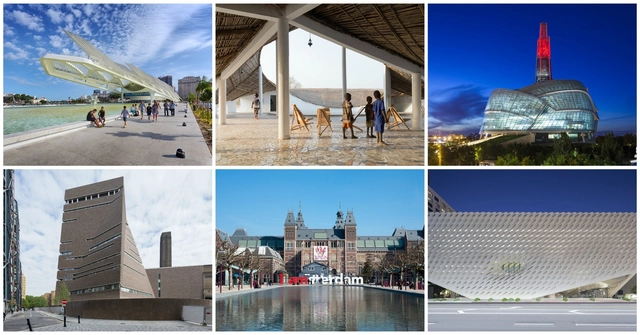
The winners of the 2016 Leading Culture Destinations Awards have been announced. Presented this past weekend at a ceremony in London, the LCD Awards are given annually to recognize the success of “museums, art organizations, and cultural destinations from around the world [that] are investing in iconic architecture, cross-sector collaborations, [and] audacious programming […] to diversify the experiences offered to visitors and establish their global reputations.”
This year, awards were presented in four categories: Leading Cultural Destination of the Year; Best New Museum of the Year (for museums opened in the past 15 months); Best Soft Power Destination of the Year (a new award for 2016, given to destination who exhibit 'excellence, relevance, transparency, accountability and sustainability'); and the Traveller’s Award for Best Place to Visit.
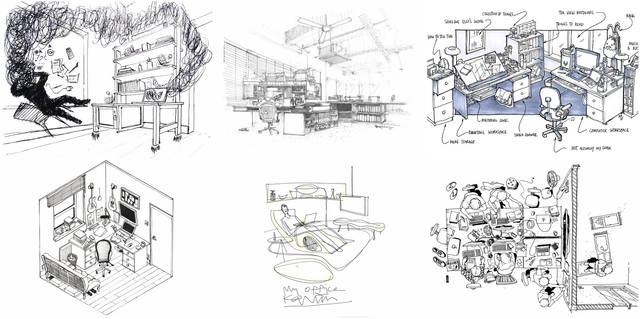
Last month we put out a call to our readers to show us where they work. It was a pleasure to receive so many submissions, each showing the particular talent and creativity--and, the incredible geographical scope--of the ArchDaily community. These are our favorites (in no particular order). Enjoy and submit your own drawing in the comments.
https://www.archdaily.com/796178/42-sketches-drawings-and-diagrams-of-desks-and-architecture-workspacesAD Editorial Team
Maybe it’s the eighties nostalgia. Maybe it’s the cast of lovable characters (a few reminiscent of The Goonies). Or maybe it’s just a break from reality via a fantastical monster. Whatever your reason for watching (binging) it, the hit Netflix series Stranger Things has left fans yearning for Season 2.
Presenting more than 70 projects from five continents by designers, architects, artists, theorists, choreographers, filmmakers, historians, archaeologists, scientists, laboratories, institutes and NGOs, the exhibitions will be spatialized by Andrés Jaque and the Office for Political Innovation and spread across five main venues – the Galata Greek Primary School, Studio-X Istanbul and Depo in Karaköy, Alt Art Space in Bomonti, and the Istanbul Archaeological Museums in Sultanahmet. The work of a dense array of international writers, video makers, and designer researchers will also be presented online.
https://www.archdaily.com/796581/participants-projects-2016-3rd-istanbul-design-biennial-are-we-human-revealedAD Editorial Team
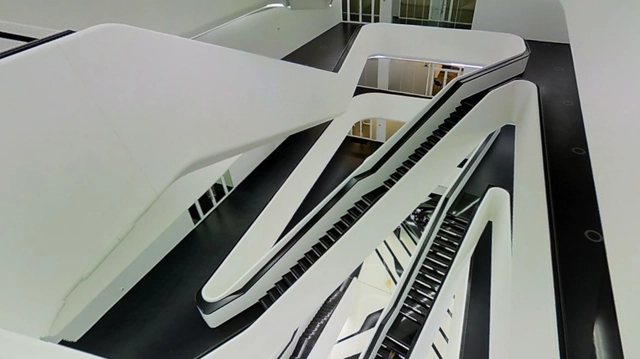
Maksim Sodomovsky of iVision3D has created a virtual tour of the Dominion Office Building, designed by Zaha Hadid Architects, in Moscow, Russia. Completed in 2015, the project is among the new infrastructure being built to support the growing creative and IT industries in the southeast of the city. The design is organized as a series of stacked plates, connected with curving elements and surrounding a central atrium exposed to natural light.
Videos
2016 Aga Khan Award for Architecture Recipients
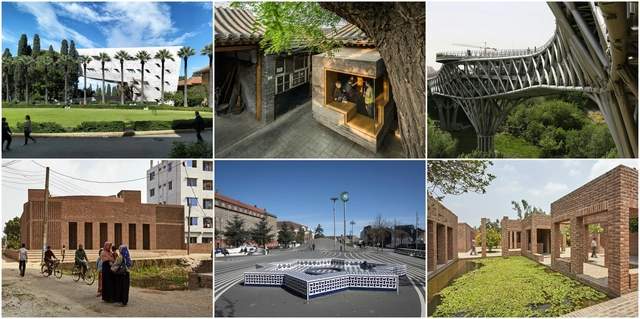
Six exemplary projects have been announced as winners of the 2016 Aga Khan Award for Architecture. Presented once every three years, the award was established by the Aga Khan in 1977 to “identify and encourage building concepts that successfully addressed the needs and aspirations of communities in which Muslims have a significant presence.” To be considered for the award, projects must exhibit not only architectural excellence, but also the ability to improve users overall quality of life.
Vancouver-based Leckie Studio Architecture + Design has founded the Backcountry Hut Company to bring affordable recreation structures to outdoor enthusiasts. Inspired by IKEA's philosophy of providing superior design at a moderate price point, the prefabricated hut prototype aims to embody the company's four cornerstones: function, quality, sustainability, and value.
From Yaba in Lagos to the suburb of Bandra in Mumbai, Metropolis Magazine provides a scenic tour around the world’s “most creative” neighborhoods. Spread across ten rapidly growing cities like Cape Town and Turin, the article provides a comprehensive glimpse into these lesser discussed hubs of creativity.
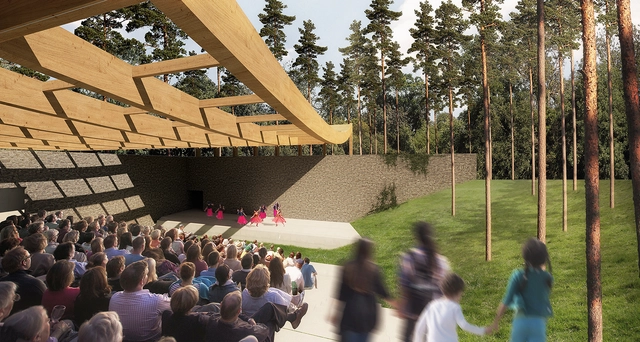
The Fallen Leaf, designed by Eric Rodrigues, has been named the first-place winner of the competition for the new Sylvan open air theatre in Cherkasy City Park, Ukraine. With a plan to demolish the old building, the new theatre is inspired by nature: it integrates into the landscape of the Cherkasy municipal park and uses only natural and locally sourced stone and wood. The form of the glue laminated timber roof is that of a falling leaf, whose organic slope helps to enhance the theatre's acoustics.
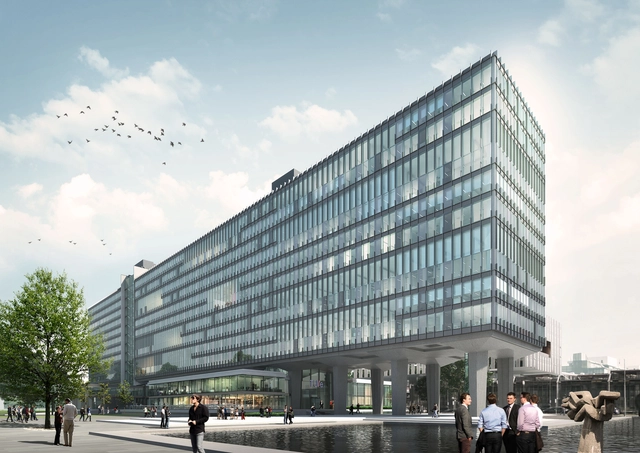
Total Engineer Team RSVP has unveiled the renovation design for the Main Building of the Eindhoven University of Technology in the Netherlands, which, once completed, will be the most sustainable university building in the world. On September 27, the design was awarded as BREEAM Outstanding under the BREEAM-NL sustainability label of the Netherlands, with a score of 93.86%.
The university building, which will be called Atlas upon completion, was designed by a multidisciplinary team consisting of Team V (architect), Van Rossum (construction engineer), Valstar Simonis (building installations engineer), and Peutz (building physics engineer and sustainability expert).
Images by: Virgile Simon Bertrand, Owencn_95, Courtesy of Zaha Hadid Architects, Thomas Mayer, Khoo Guo Jie
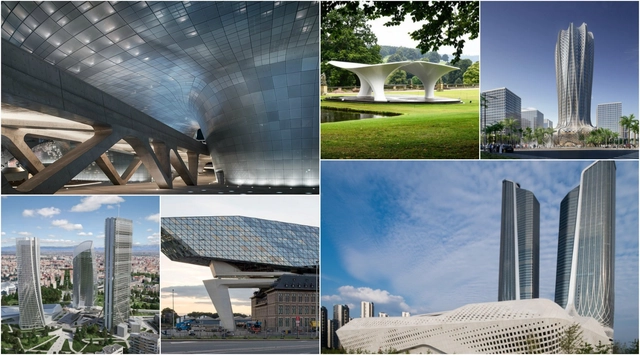
As Zaha Hadid’s successor and current leader of the firm, Schumacher relays a host of opinions, including those on parametricism, which he deems the “architectural style of capitalism.” The term describes the avant-garde practice that uses digital animation to create equations for designs. Patrik Schumacher, who coined this term in 2008, believes this style extracts doubt from the design process, relying instead on the infallibility of science.
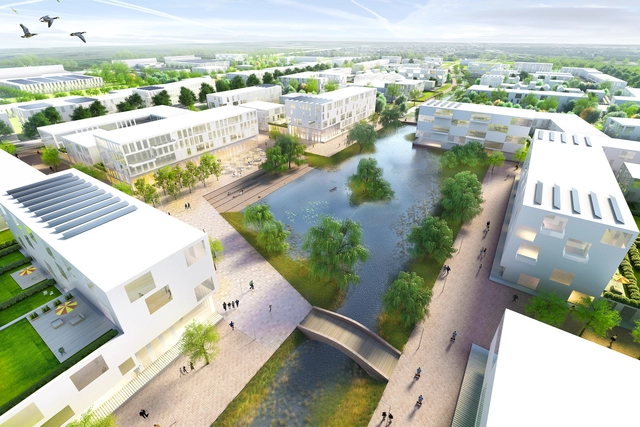
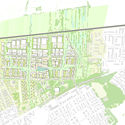
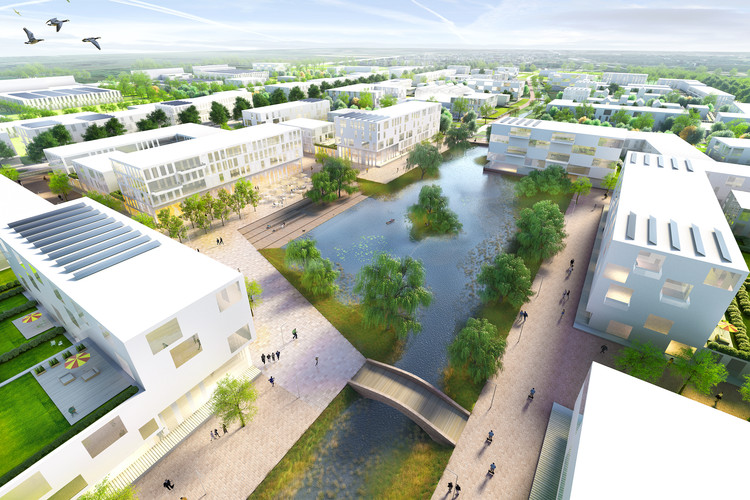
KCAP Architects & Planners in cooperation with Kunst + Herbert have won the international Fischbeker Reethan competition to master plan the Harburg district of Hamburg, Germany. The 70 hectare site is being developed by the IBA Hamburg (International Building Exhibition) as a new residential and business district with the aim of creating a “Garden City of the 21st Century.” The design will accommodate a total of 2,200 apartments, 100,000 square meters (1,080,000 square feet) of small industry space and nearly 200,000 square meters (2,150,000 square feet) of diverse public landscapes.
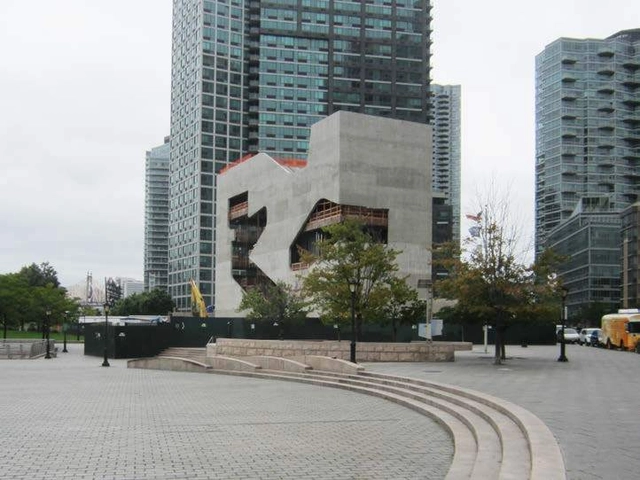
The new Hunters Point Community Library, designed by Steven Holl Architects, has topped out. Located along the East River in Long Island City, New York, the 22,000 square foot library will add a new community-devoted space to the waterfront, while serving as a new icon that can be seen from across the river in Manhattan.
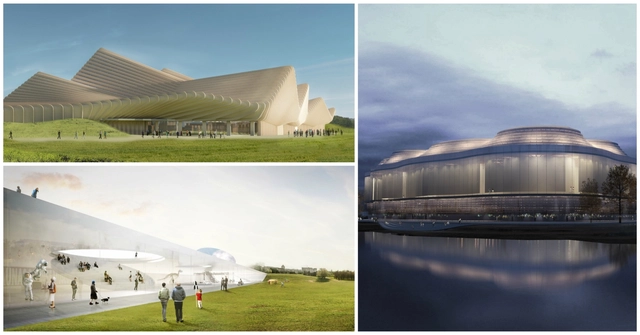
The government of Lithuania announced today the 3 winning architecture firms of a competition to design a new National Science and Innovation Center, to be known colloquially as “Science Island,” in the city of Kaunas, Lithuania. The competition, organized by Malcolm Reading Consultants, saw entries from 144 teams, making it the largest design content ever held in Lithuania.
Nestled in the heart of the UNESCO designated and celebrated university city, Kaunas, the science center will be located on a 13,000 square meter (140,000 square foot) site on Nemunas Island in the Neman River, adjacent to the Žalgiris Arena and within short walking distance to Kaunas’ historic Centras district. The new €25M complex will “celebrate recent achievements in science and global technologies with the aim of inspiring visitors to expand their knowledge and support innovation,” and will focus on research on the environment and ecosystems.












.jpg?1475505954&format=webp&width=640&height=580)

.jpg?1475182796 "via Boryana Ilieva")
.jpg?1475182814 "via Boryana Ilieva")
.jpg?1475182832 "via Boryana Ilieva")

_smaller.jpg?1475205786&format=webp&width=640&height=580)


_smaller.jpg?1475205786)