



-
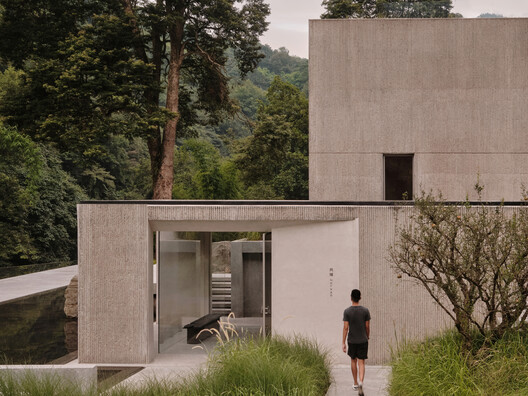
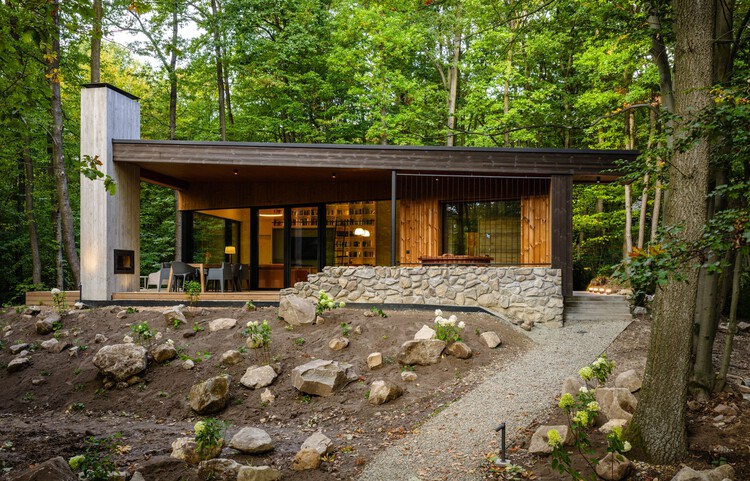
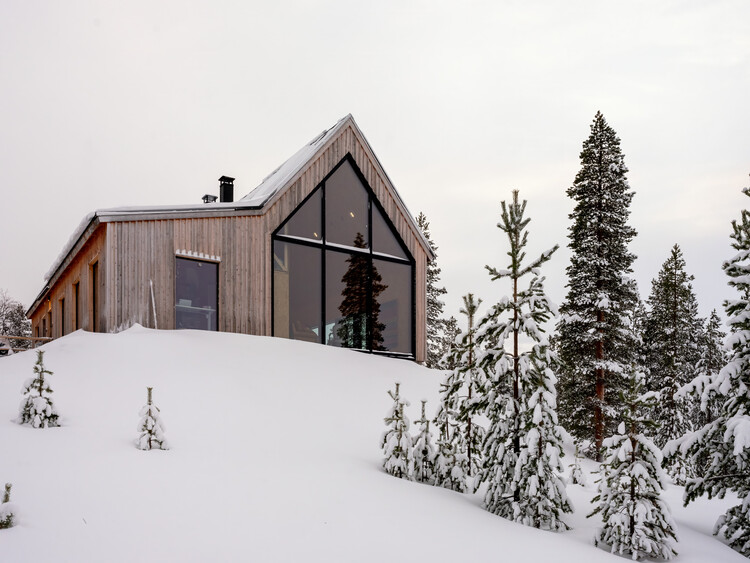
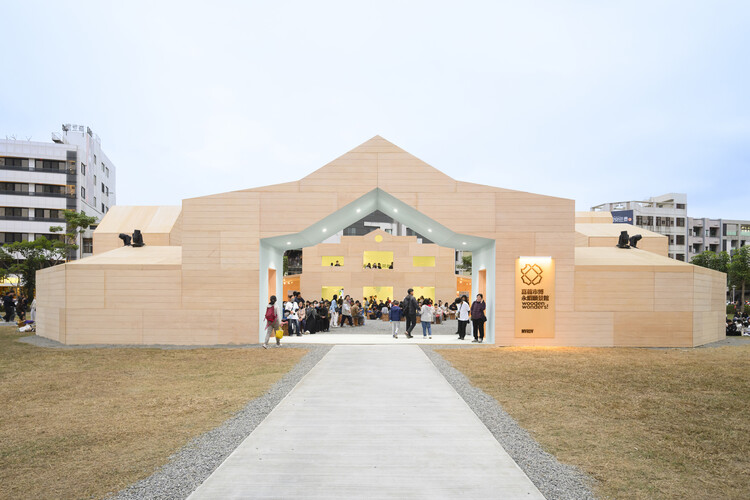
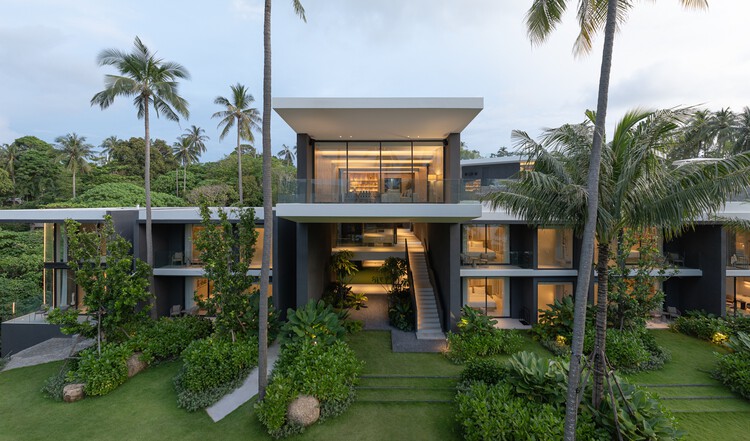
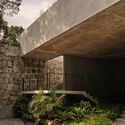
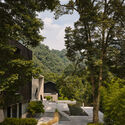
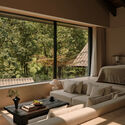
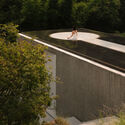
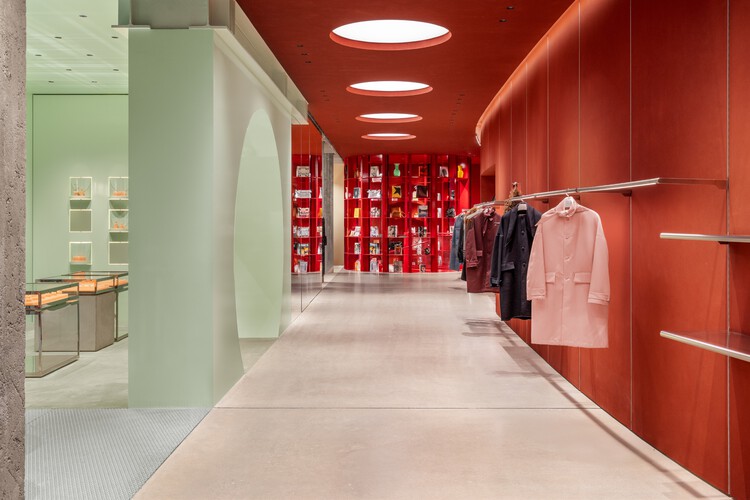
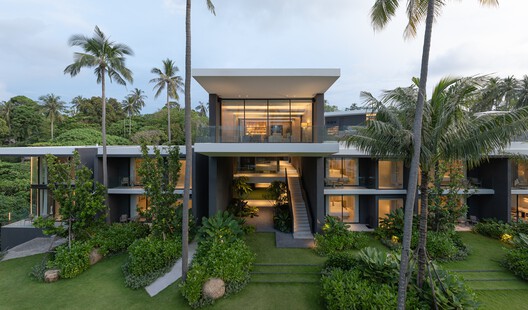
Architects: Karimoku Case, NORM Architects
- Year: 2025


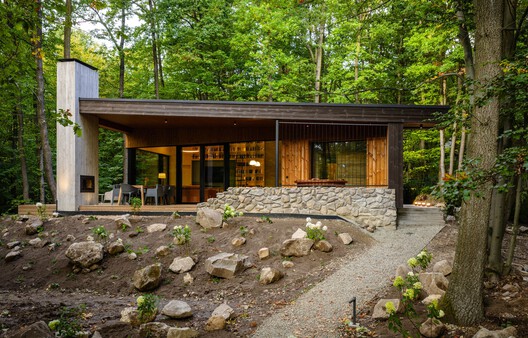
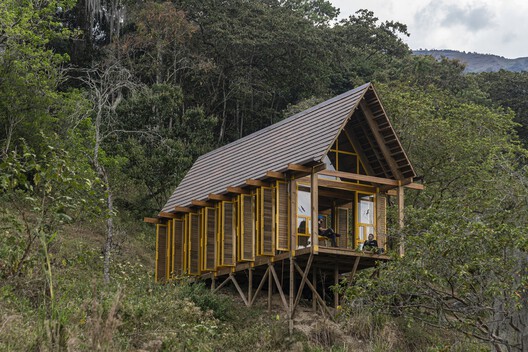
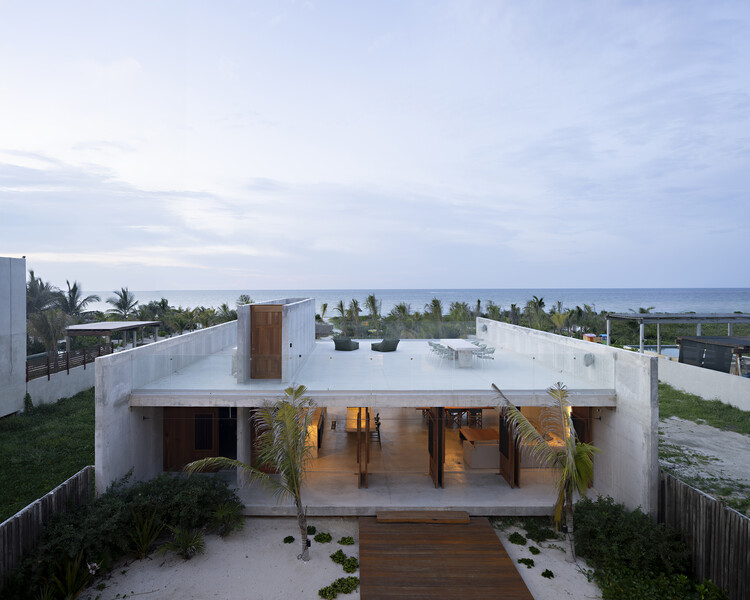
Each year, the ArchDaily Curatorial team reviews the projects that resonated most with our readers, identifying the architectural trends and design approaches that captured the greatest attention throughout the year. Across our local sites – ArchDaily Brasil and ArchDaily en Español – residential architecture remains the most popular category, with projects built in Latin America standing out year after year.
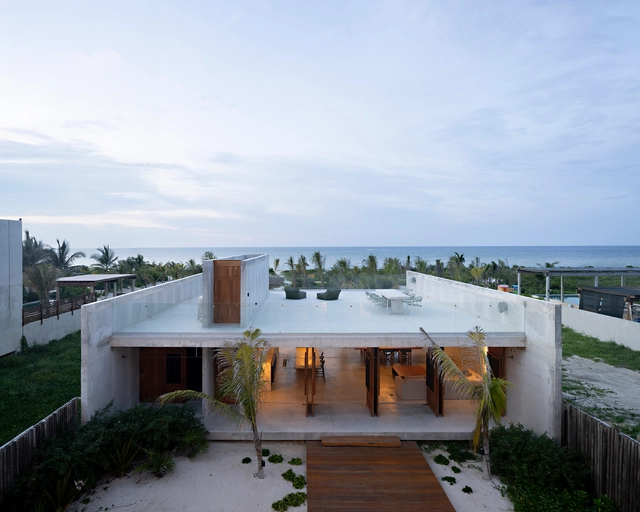
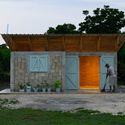
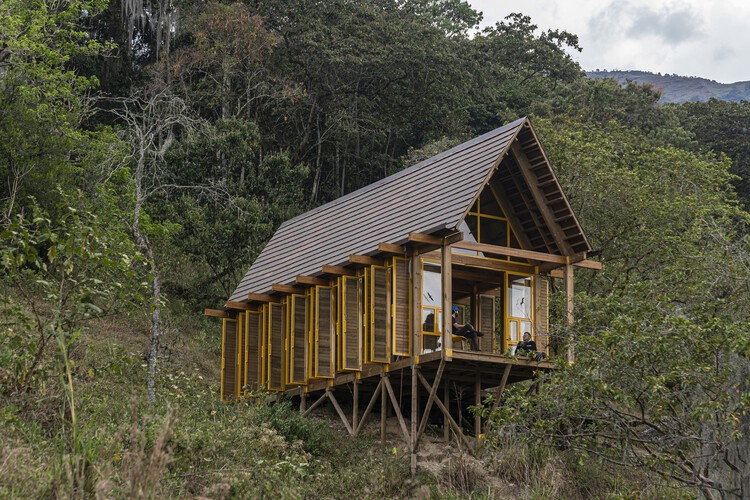
This year's selection of Best Latin American Houses brings together both renovations and ground-up projects, covering reinterpretations of local construction techniques and innovative architectural responses. The works are set in a wide range of contexts, from dense urban environments to rural and coastal landscapes.
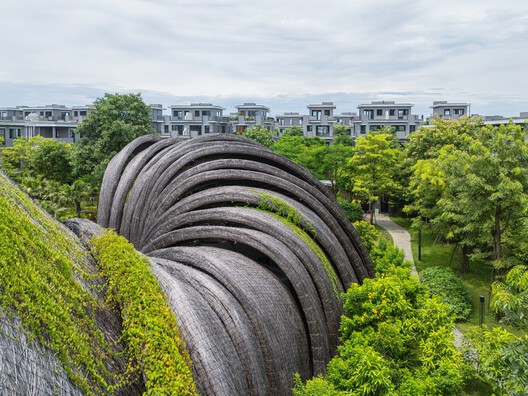

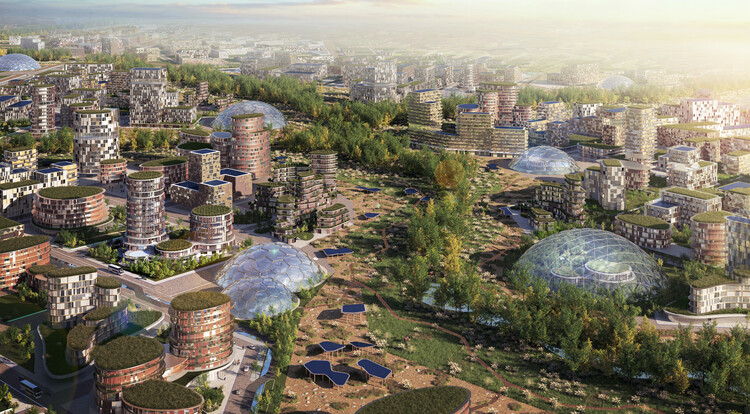
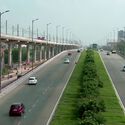
Bechu & Associés has been selected as the winner of the international open competition for the masterplan of Hunnu City, a new satellite city planned south of Ulaanbaatar, Mongolia. Announced in 2025, the winning proposal establishes a long-term urban framework for a 31,503-hectare site located near Chinggis Khaan International Airport, with phased development planned between 2025 and 2045. The project forms part of Mongolia's broader territorial strategy under the Ulaanbaatar 2040 Master Plan and the national Vision 2050 framework, positioning Hunnu City as a new emerging major city intended to support population decentralization, economic diversification, and long-term urban resilience.

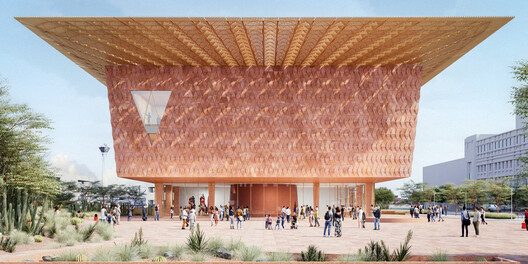
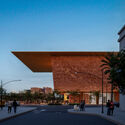
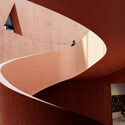
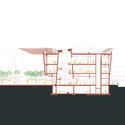
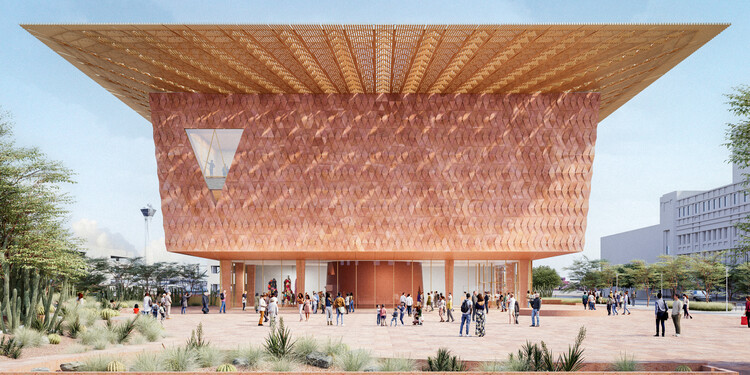
The future Las Vegas Museum of Art (LVMA) will be the city's first stand-alone museum, designed by Pritzker Prize-winning architect Francis Kéré. In fall 2024, the City of Las Vegas granted LVMA two acres of land in Symphony Park, neighboring the city's downtown arts district, as part of a public-private partnership. The project is intended to serve the city's more than 2.4 million year-round residents, including nearly 300,000 students living within a 10-mile radius of the park, as well as tens of millions of visitors from around the globe. The 60,000-square-foot building was designed by Kéré Architecture, which teamed up with Skidmore, Owings & Merrill (SOM) to provide Las Vegas with "a gathering place for community and a beacon for the cultural world," and is scheduled to open in 2029.
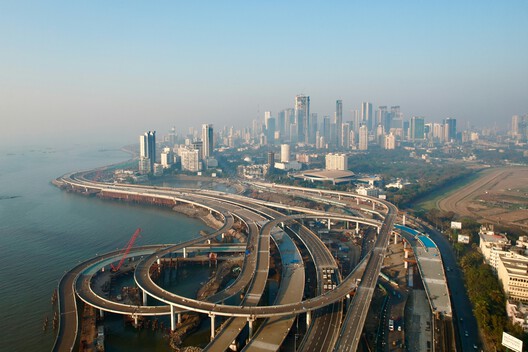
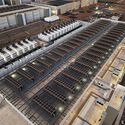
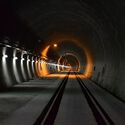
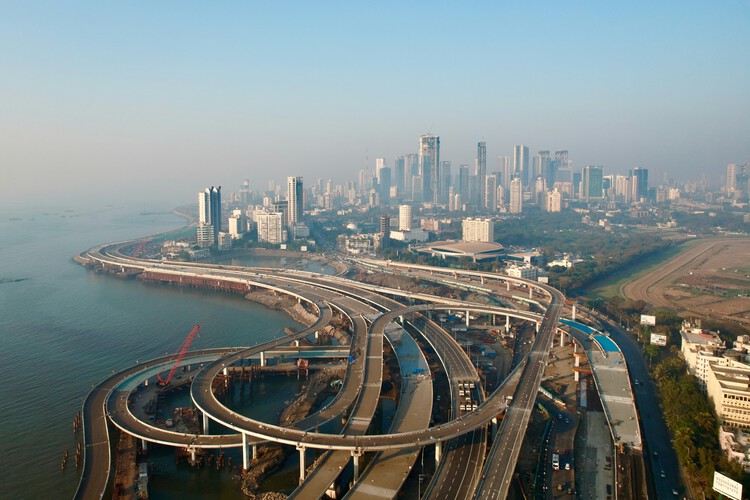
In 2025, India's most consequential design projects unfolded largely out of sight. While public attention gravitated toward museums, cultural landmarks, and visually arresting façades, the architecture that most decisively shaped daily life existed underground, at the city's edges, or inside secured compounds few citizens would ever enter. Sewage networks were rebuilt, flood tunnels bored beneath dense neighborhoods, substations lifted above floodplains, and data centers multiplied across peri-urban landscapes. These were not peripheral works of engineering; they were the spatial systems that allowed Indian cities to remain functional through record heatwaves, erratic monsoons, and accelerating urban growth.

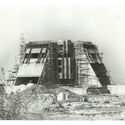
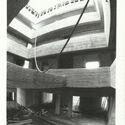
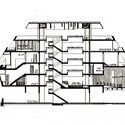
As Syria is emerging from over a decade of conflict at the time of writing, it is an opportunity to rediscover its architectural gems. Just to the north of the country's principal port city of Latakia is a Modernist creation that is the Center for Marine Research. Its pyramidal structure is situated on a prominent headland surrounded by sea on three sides. To the east is a bay with hotels and beaches while to the north and west is the open Mediterranean Sea reaching Turkey and Cyprus beyond. Despite its importance both as a research institution and as a piece of architecture, it lies abandoned and isolated today.
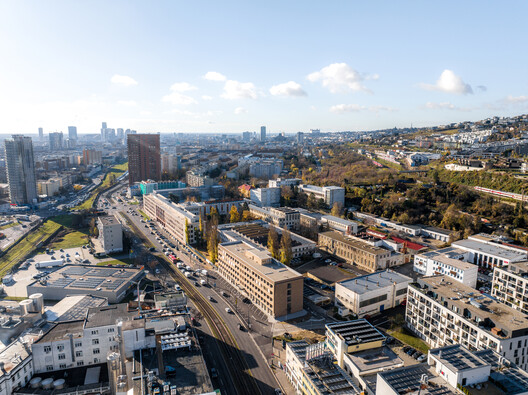
Bratislava, the rapidly developing capital of Slovakia—located in the heart of Europe—continues to strengthen its presence on the European architectural map. As a growing hub of contemporary design—already home to projects by Zaha Hadid Architects, Massimiliano & Doriana Fuksas, Stefano Boeri, Studio Egret West, and Snøhetta—the city has now reached another important milestone: an international architectural and urban design competition has been announced to shape the future of Zváračák, one of the last major brownfield sites near the city center.