


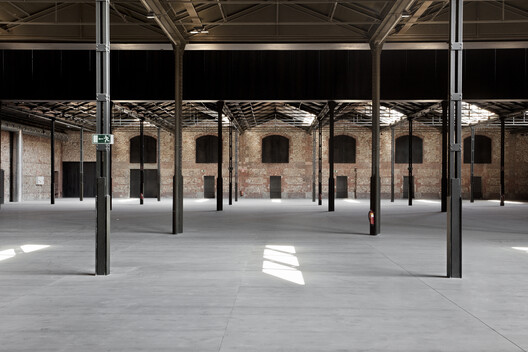
In cities across the world, the relics of industrial production have become the laboratories of a new urban condition. Warehouses, power plants, and shipyards, once symbols of labor and progress, now stand as vast empty shells, waiting to be reimagined. Rather than erasing these structures, architects are finding creative ways to adapt them to contemporary needs, transforming spaces of manufacture into spaces of culture, education, and community life.
This shift reflects a broader change in architectural priorities: building less and reusing more. The practice of adaptive reuse responds simultaneously to environmental urgency and to the need for cultural continuity in urban environments.
By reprogramming existing structures, architects can reduce resource consumption while preserving the material intelligence embedded in the city's fabric. In this approach, progress is no longer measured by expansion, but by the capacity to transform and extend the life of what already exists.
Related Article
Obsolete Typologies Revived Through 17 Adaptive Reuse ProjectsThe examples below illustrate how adaptive reuse is reshaping the post-industrial city, showing new possibilities for transforming obsolete structures into meaningful civic spaces.
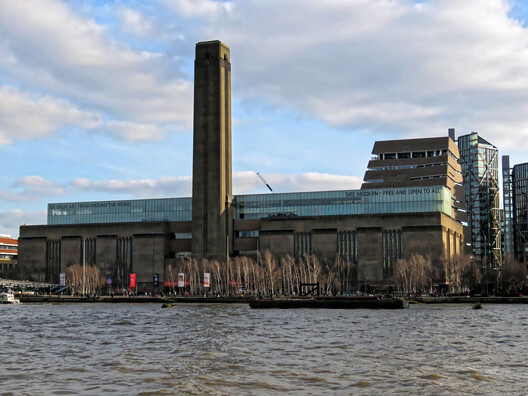
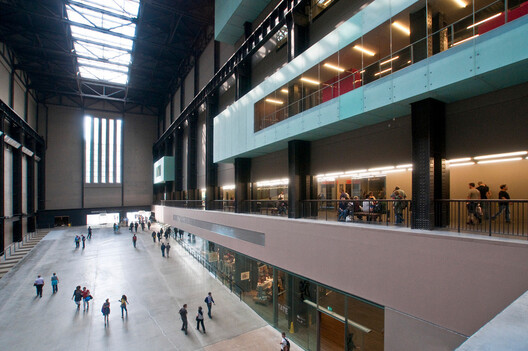
Tate Modern / Herzog & de Meuron
A former power station on the banks of the Thames became one of the world's most visited museums of contemporary art. Herzog & de Meuron's project maintained the monumental brick shell designed by Giles Gilbert Scott, transforming its turbine hall into a vast public space that anchors the museum's identity. The later addition of the Switch House further expanded the complex, demonstrating how industrial architecture can evolve through layered transformations rather than demolition.
Zeitz MOCAA / Heatherwick Studio
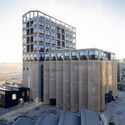
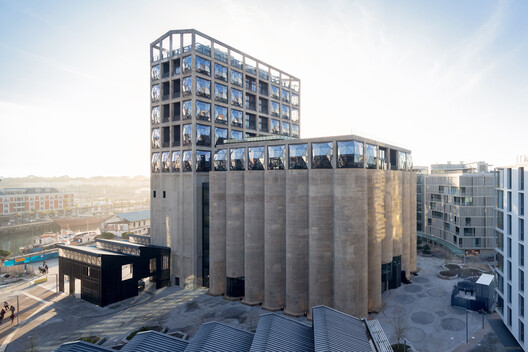
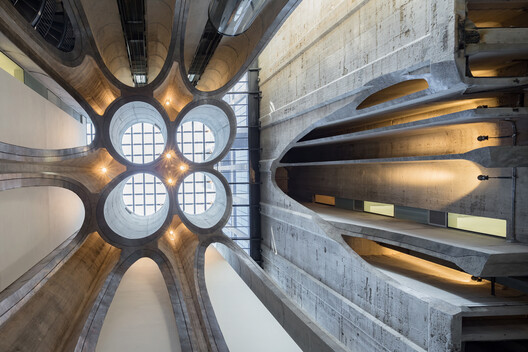
The Zeitz Museum of Contemporary Art Africa occupies a former grain silo complex at Cape Town's Victoria & Alfred Waterfront. Heatherwick Studio approached the conversion as both preservation and excavation, carving a cathedral-like atrium into the dense cluster of concrete cylinders. The new galleries and public spaces were inserted within the existing geometry, maintaining the building's material presence while reprogramming its spatial logic. The intervention reframed an industrial relic of the colonial economy into a civic space dedicated to African art and culture. Through a balance of subtraction and addition, the project illustrates how adaptive reuse can transform the architecture of production into a vessel for collective memory and contemporary identity.
Matadero Madrid / Various Architects
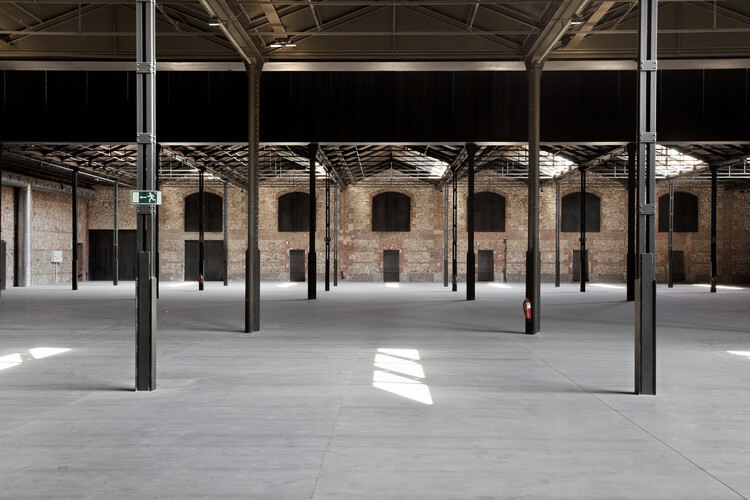
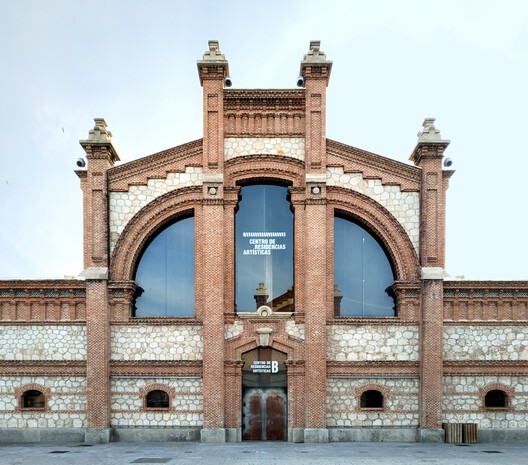
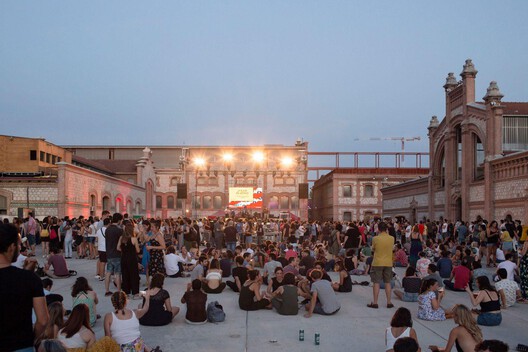
Originally built in the early 20th century as a municipal slaughterhouse, the Matadero complex has evolved into one of Madrid's main cultural districts. Its transformation did not follow a single architectural authorship but a gradual process involving multiple studios and public initiatives. The original brick pavilions were adapted to host theatres, studios, and galleries, while open courtyards became flexible public spaces. The project's strength lies in its incompleteness, accepting the unfinished and the provisional. This continuous transformation demonstrates how architecture can become an urban strategy that engages communities, encourages cultural production, and redefines the notion of heritage as a living process.
CaixaForum Madrid / Herzog & de Meuron
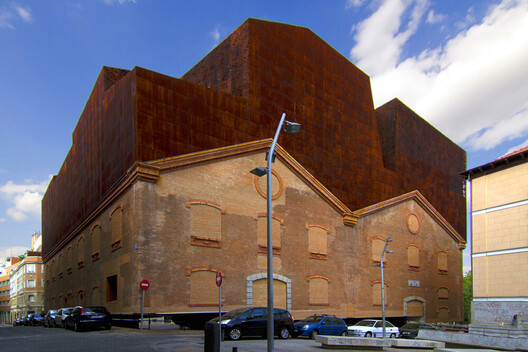
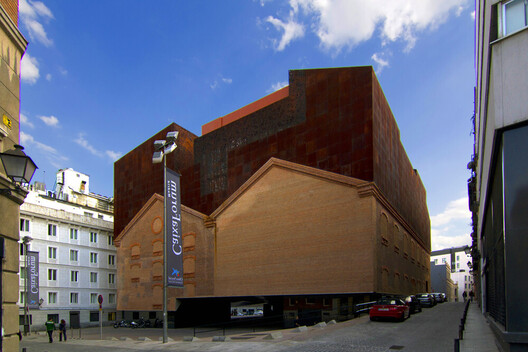
Located on Madrid's Paseo del Prado, CaixaForum occupies the site of a former power station that once supplied electricity to the surrounding neighborhood. Rather than concealing its industrial past, Herzog & de Meuron chose to emphasize it, suspending the original brick building above the ground to create a shaded urban plaza beneath. A new steel-clad volume crowns the structure, housing exhibition spaces and an auditorium. This juxtaposition between the solid and the light, the past and the present, transformed a utilitarian facility into a cultural landmark.
Westergasfabriek / Mecanoo + Gustafson Porter + Bowman
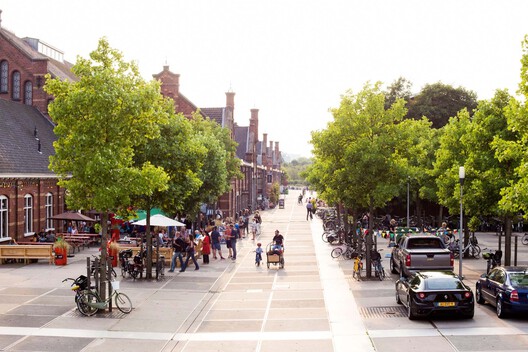
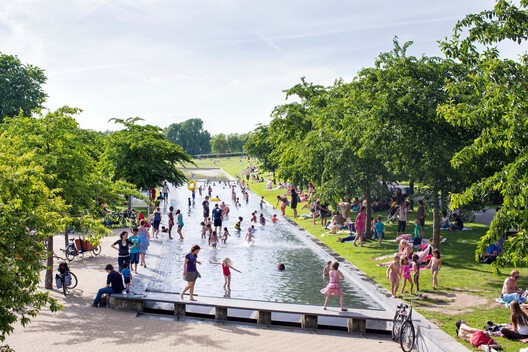
The former Westergasfabriek gasworks, built in the 19th century, once supplied energy to Amsterdam's growing neighborhoods. After its decommissioning, the complex was gradually reactivated as a cultural and recreational district. The transformation unfolded through incremental adaptations and programmatic diversity, from art venues and restaurants to offices and public parks. Mecanoo's urban strategy emphasized coexistence between preservation and everyday use, prioritizing accessibility and ecological restoration. Today, the site functions as a porous extension of the city, where industrial heritage coexists with contemporary life, showing how adaptive reuse can operate at the scale of both architecture and landscape.
Arsenale di Venezia / Various Architects
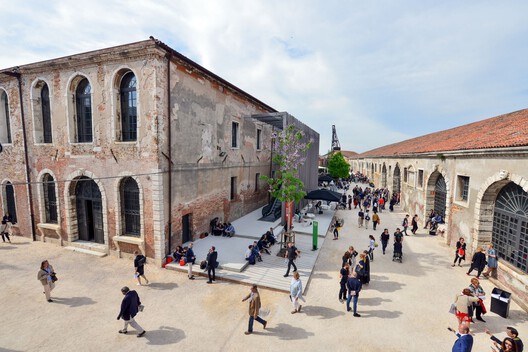
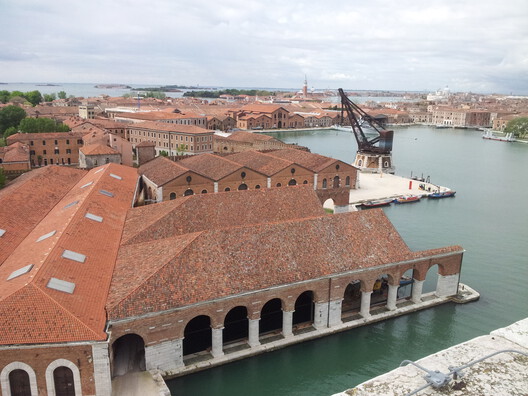
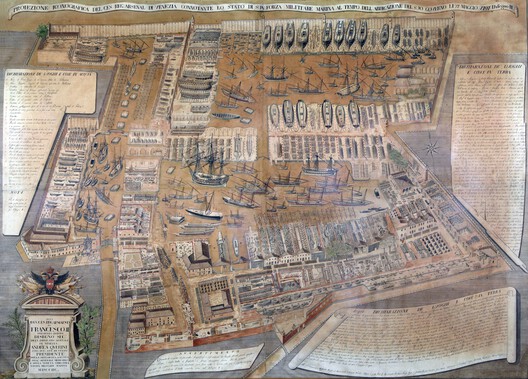
The Venetian Arsenale, a vast shipyard dating back to the 12th century, embodies centuries of maritime production and statecraft. Its gradual adaptation as the main venue of the Venice Biennale represents one of the longest-running examples of architectural reuse in Europe. Rather than restoring the complex to a fixed state, the interventions have embraced its changing nature, allowing temporary structures and exhibitions to coexist with the historical fabric. The Arsenale today operates as a dynamic infrastructure for cultural production, proving that preservation and experimentation can occupy the same space.
This article is part of the ArchDaily Topics: Building Less: Rethink, Reuse, Renovate, Repurpose, proudly presented by Schindler Group.
Repurposing sits at the nexus of sustainability and innovation — two values central to the Schindler Group. By championing this topic, we aim to encourage dialogue around the benefits of reusing the existing. We believe that preserving existing structures is one of the many ingredients to a more sustainable city. This commitment aligns with our net zero by 2040 ambitions and our corporate purpose of enhancing quality of life in urban environments.
Every month we explore a topic in-depth through articles, interviews, news, and architecture projects. We invite you to learn more about our ArchDaily Topics. And, as always, at ArchDaily we welcome the contributions of our readers; if you want to submit an article or project, contact us.
This article is part of an ArchDaily curated series that focuses on built projects from our database grouped under specific themes related to cities, typologies, materials, or programs. Every month, we will highlight a collection of structures that find a common thread between previously uncommon contexts, unpacking the depths of influence on our built environments. As always, at ArchDaily, we highly appreciate the input of our readers. If you think we should mention specific ideas, please submit your suggestions.


