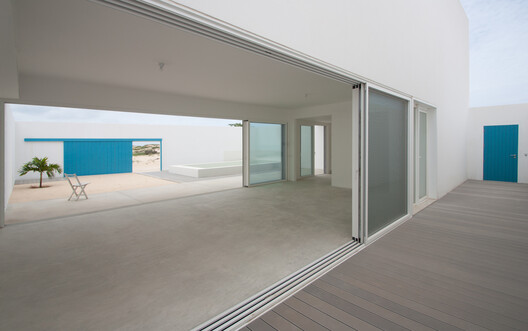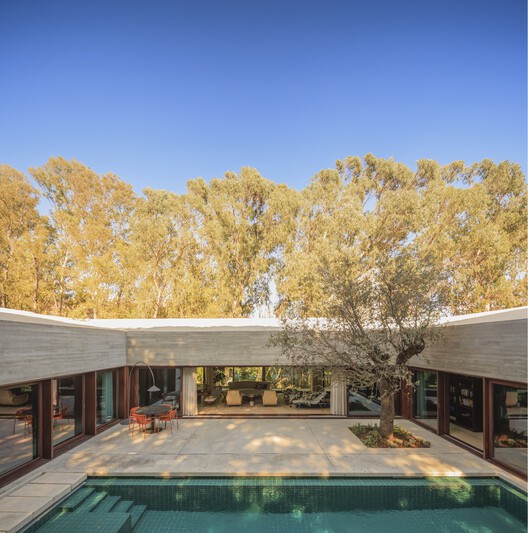
Patio houses embody one of the most enduring architectural typologies, encapsulating the duality of openness and seclusion while nurturing a profound connection with nature. While the term is also used in contemporary American real estate to describe low-maintenance, single-story dwellings on small lots, its classic architectural meaning refers to an introverted design organized around a private, central courtyard. It is this traditional form, the subject of this article, that traces its origins back thousands of years. Patio houses emerged independently in various regions, responding universally to fundamental human needs: privacy, climatic adaptability, and spatial coherence. Despite diverse geographic and cultural expressions, the core principles of introversion, controlled openness, and environmental sensitivity remain remarkably consistent throughout the evolution of this typology.



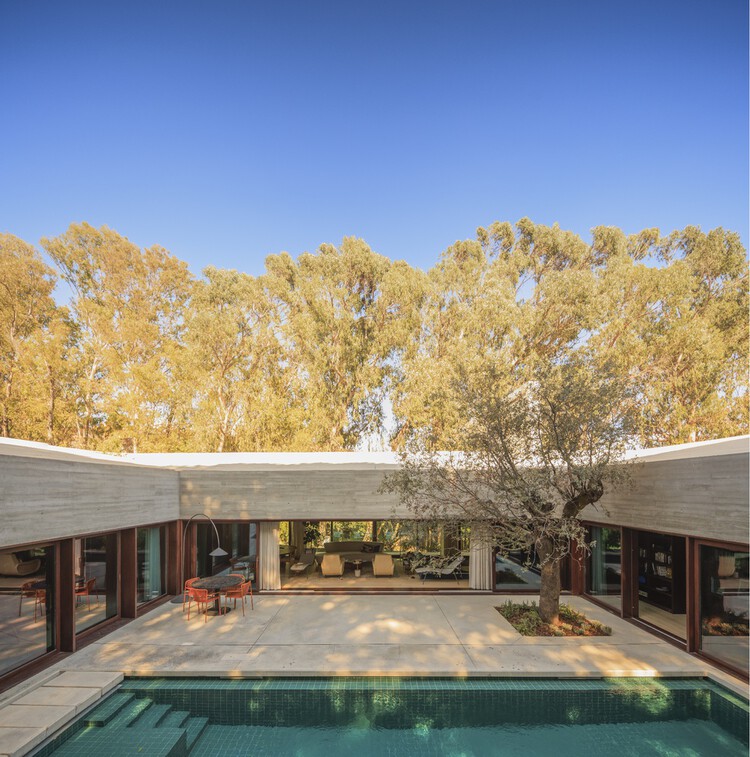
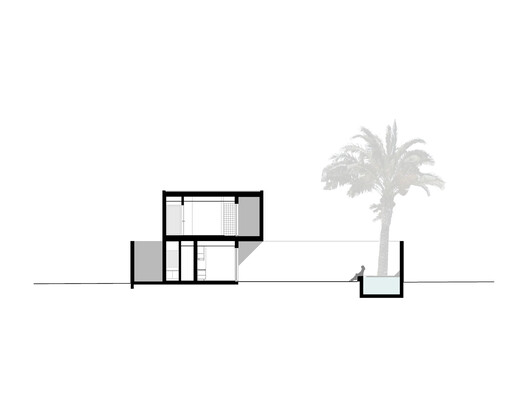
Architecturally, the patio house is defined by the symbiotic relationship between a central void—the open-air courtyard—and the surrounding built form. The patio itself serves as the primary organizing element, a private outdoor room that dictates the home's circulation, light, and ventilation. The building mass is typically arranged in one of several key configurations that engage this central space: an L-shape that defines a corner, a U-shape that creates a three-sided enclosure, or a fully enclosed quadrangle (an O-shape) that maximizes privacy and introversion. Regardless of the specific layout, rooms are organized to open directly onto the courtyard through porticos, galleries, or large doorways, which effectively dissolve the boundary between interior and exterior life. This inward-facing orientation creates a controlled microclimate, offering shelter from harsh sun and wind while providing a secure and intimate space for domestic activity, insulated from the public street.
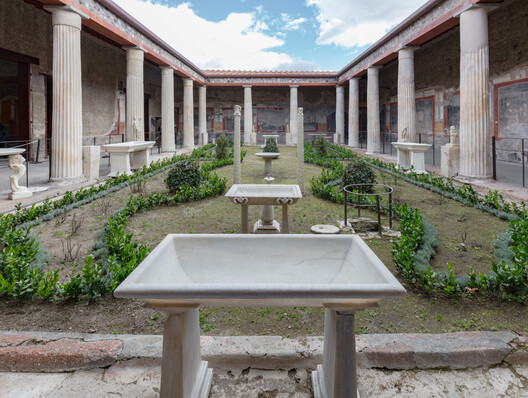
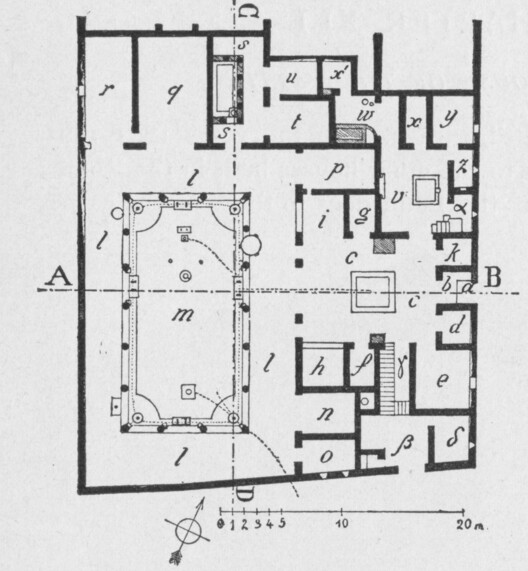
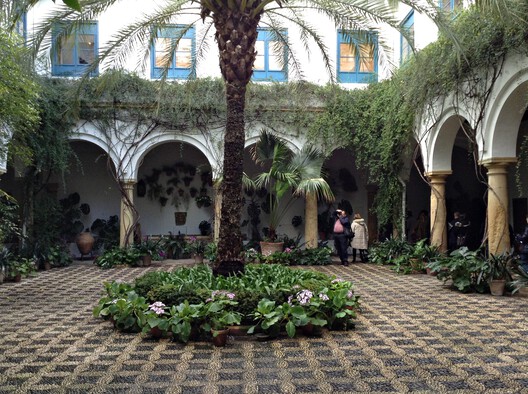
Historically, patio houses developed prominently within Mediterranean and Middle Eastern contexts, where climatic conditions necessitated architectural strategies to address extreme heat, intense sunlight, and dense urban environments. Ancient examples, notably the Roman domus, illustrate how the central courtyard functioned as an essential element of domestic architecture — an open-air space crucial for thermal regulation and cross-ventilation. Similarly, the Islamic riads of North Africa and Andalusia epitomised the courtyard as an intimate sanctuary, delivering shade, coolness, and aesthetic refinement, creating insulated havens amidst the bustling cityscapes.
Related Article
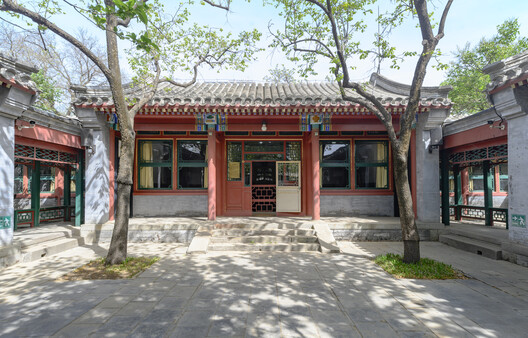
Ideas for Outdoor Spaces: Backyards, Balconies and PatiosIn East Asia, the traditional Chinese siheyuan further articulated this archetype through the arrangement of multiple courtyards organized in hierarchical patterns, thus structuring social interactions and enhancing spatial clarity within the household. These layouts, deeply informed by Confucian social principles, demonstrate how patio houses transcend climatic responsiveness to embody intricate social narratives. Courtyard placement and accessibility directly reflected the occupants' status and familial hierarchy, reinforcing the role of architecture in encoding and expressing cultural and social values.
The courtyard stands as the central element in the patio house typology, acting simultaneously as a symbolic and functional core of domestic life. More than merely providing natural light and ventilation, it facilitates private family gatherings, rituals, and daily routines within a protected outdoor setting. Usually enhanced by vegetation, water features, or carefully considered shading elements, the courtyard serves as a versatile open-air space that seamlessly bridges indoor and outdoor environments. By refreshing adjacent rooms and encouraging an intimate connection with nature, it significantly contributes to both the physical comfort and emotional well-being of its inhabitants.
Moreover, patio houses inherently integrate sustainable architectural strategies. The courtyard typology naturally employs passive environmental measures, optimizing thermal comfort through effective shading and natural cross-ventilation. This passive approach significantly reduces dependence on mechanical cooling and heating systems, aligning traditional typologies with contemporary sustainability imperatives.
In contemporary architecture, the patio house has resurfaced as a particularly compelling typology, offering architects fertile ground for addressing critical urban and social challenges. Rather than simply replicating historical models, contemporary interpretations often question, adapt, and critically expand upon traditional frameworks, reflecting new societal values and complex urban conditions. Today, architects are exploring patio houses as strategic responses to pressing issues, including increasing urban density, diminishing private space, and the urgent need for sustainable and climate-responsive design solutions.
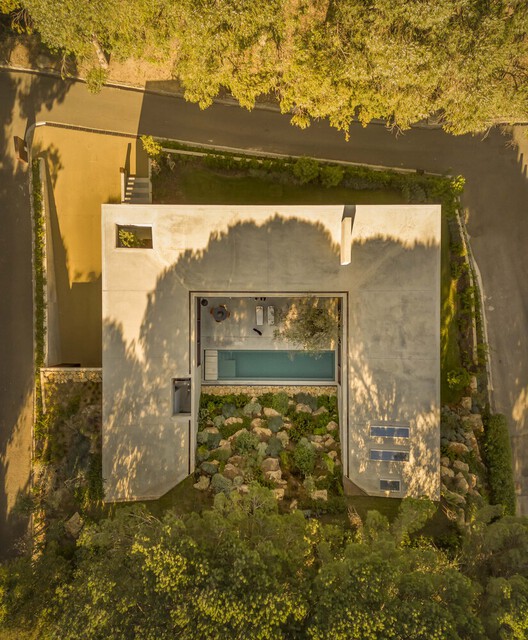
Notably, in rapidly densifying cities across Latin America, Southern Europe, and Asia — such as Mexico City, São Paulo, Seville, and Tokyo, the patio house has become a significant architectural resource. In these contexts, where the pressures of urban intensification demand nuanced solutions, contemporary patio houses provide spatial configurations that balance privacy and openness within tightly constrained urban plots. Architects such as Tadao Ando, Eduardo Souto de Moura, Alberto Campo Baeza, and Aires Mateus have critically engaged with this typology, employing minimalist yet contextually expressive approaches that question and reframe the role of traditional domestic spaces within contemporary cities.
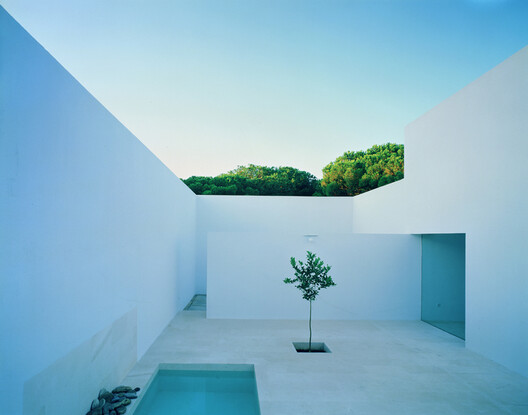
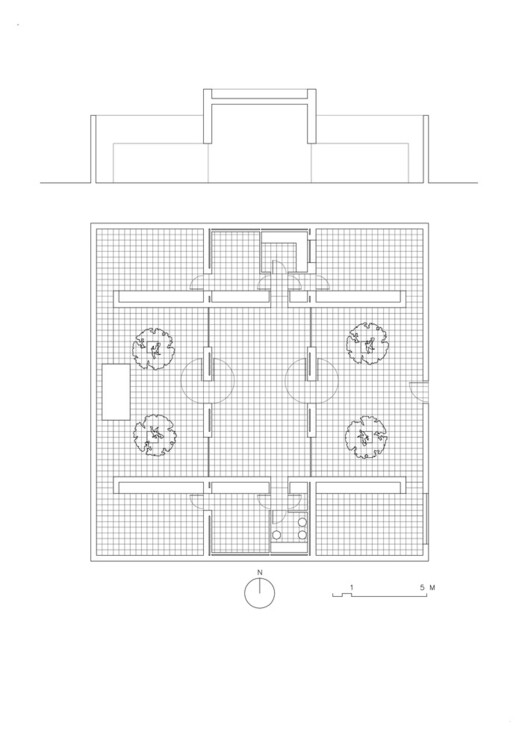
Casa Gaspar / Alberto Campo Baeza
Patios House / Studio MK27
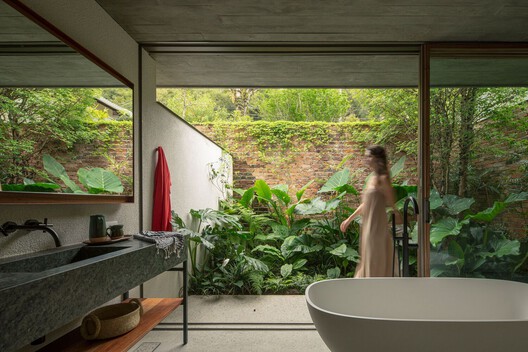
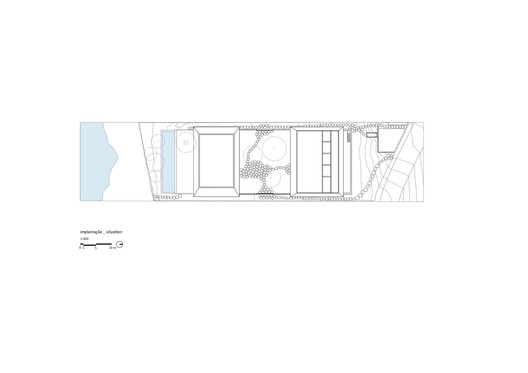
Oeiras House / OODA
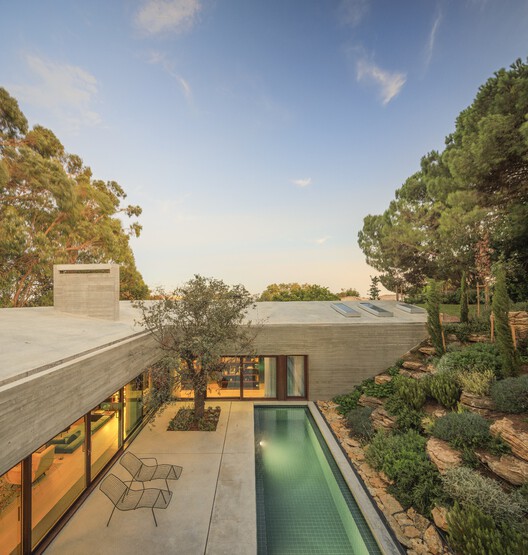
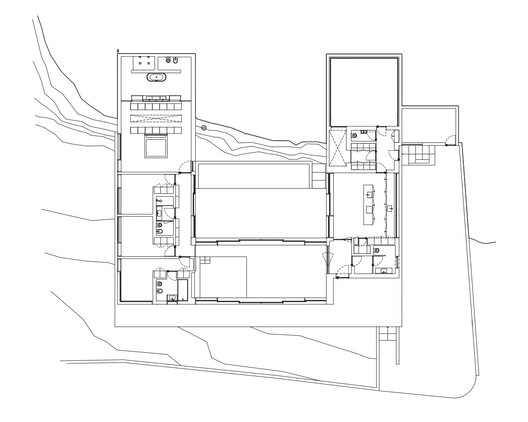
Patio House / herchell arquitectos
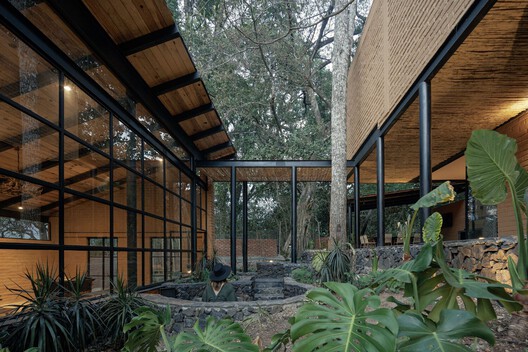
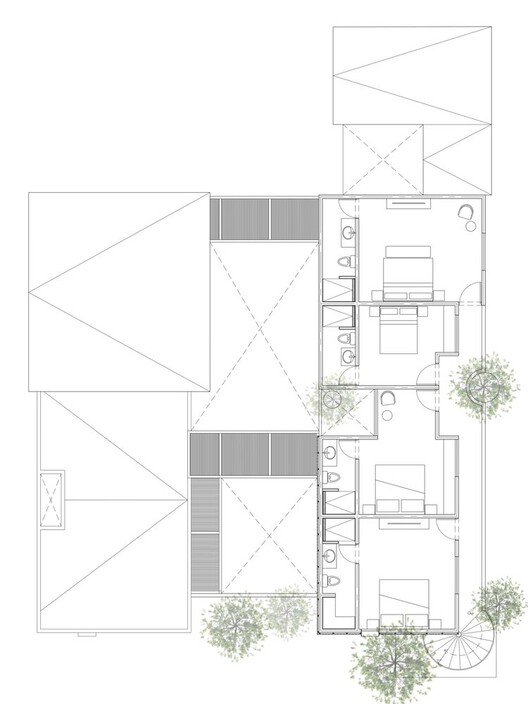
Pátio House / PROMONTORIO
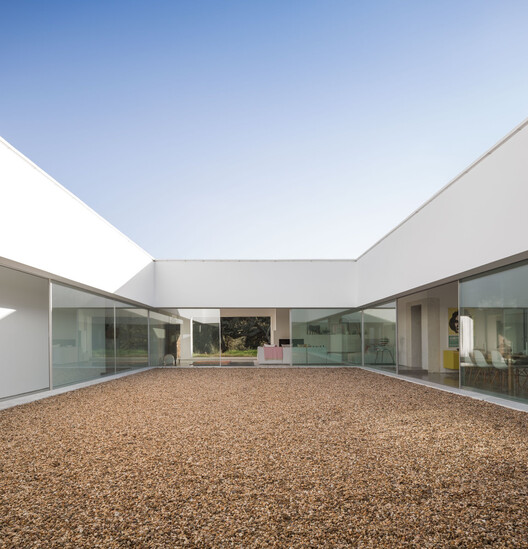

Patio House / AR Arquitetos
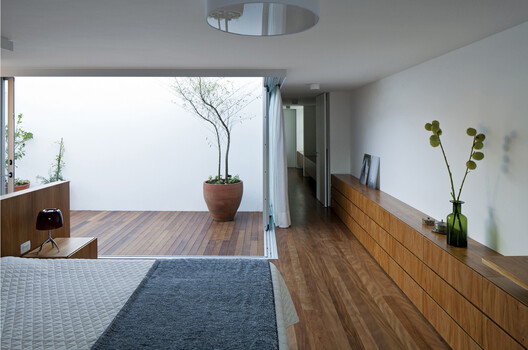
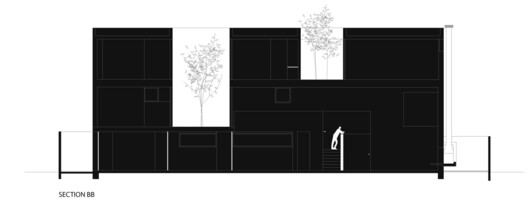
Patio House / Solum Studio
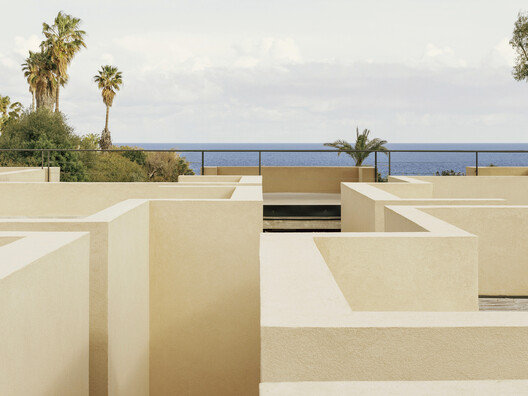
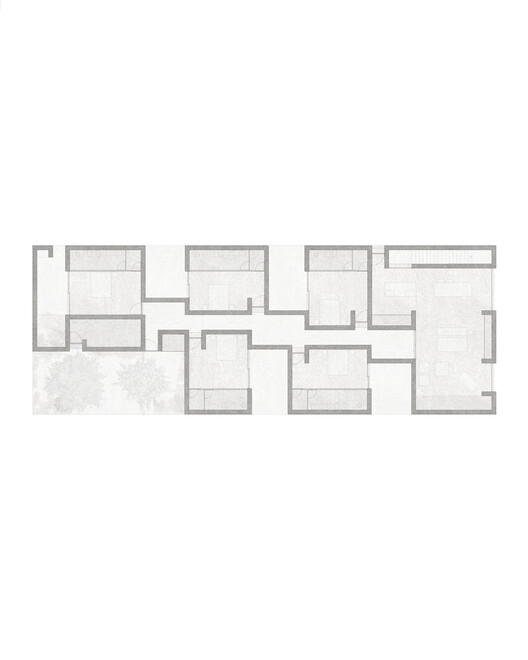
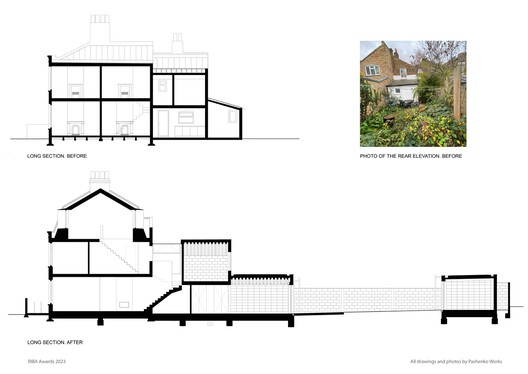
White Patio House / Pashenko Works
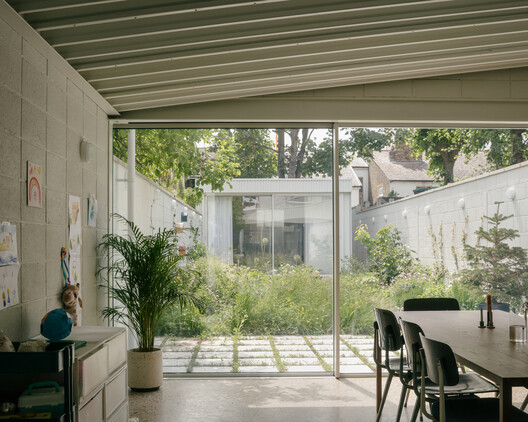
House in Estoril Beach / Jose Adrião Arquitectos