1. ArchDaily
  2. Details

Details: The Latest Architecture and News

Precast Terrazzo Systems: Precision, Durability, and Modular Design

 | Sponsored Content

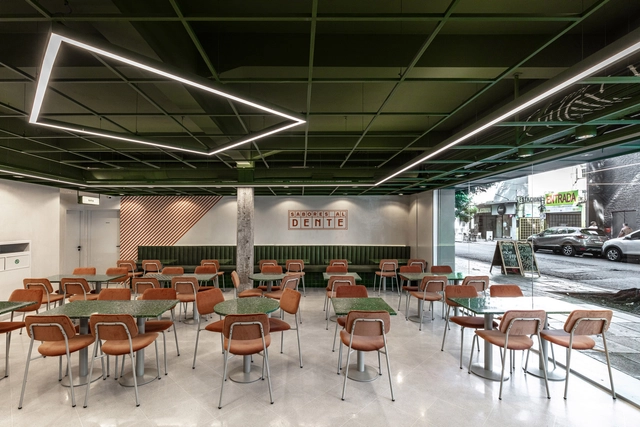
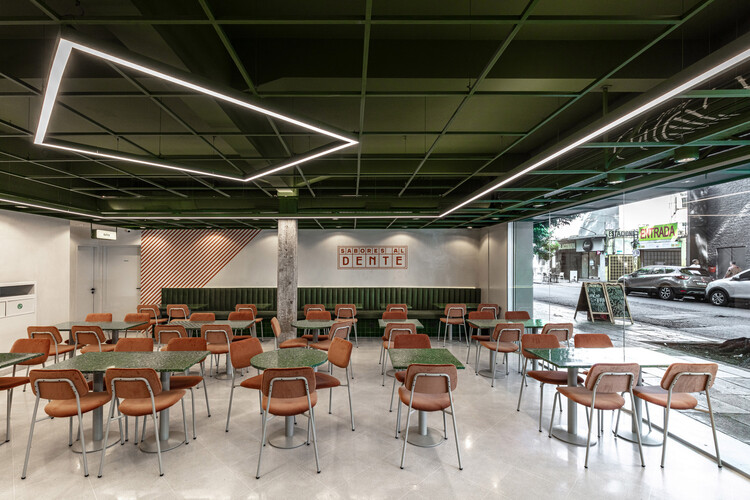
Terrazzo has long stood at the intersection of durability, artistry, and timeless appeal. Originating in Italy as a pragmatic way to reuse marble fragments in flooring, terrazzo has since become synonymous with elegance and strength in architecture. Traditionally crafted by hand using stone chips and lime and later, cement, it created continuous, seamless surfaces that celebrated both craftsmanship and endurance. Over time, as construction methods evolved and projects began to demand greater efficiency, adaptability, and modularity, terrazzo expanded beyond its traditional limits. From poured-in-place systems to modern epoxy-based formulations, it has evolved into a versatile material that enables thinner sections, faster installation, and a wider range of colors and aggregates. Today, precast terrazzo complements the traditional method, unlocking new applications without compromising performance or beauty, from stairs and wall cladding to furniture and custom design elements.

Reflecting on Architectural Details and Construction Systems in 2024

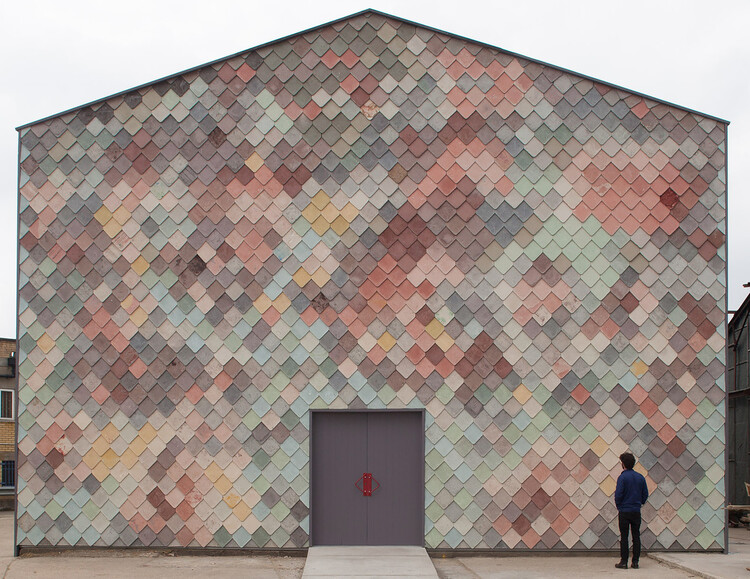
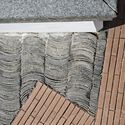
In 2024, a diverse range of topics have been comprehensively explored, some focusing specifically on architectural details and construction systems. These articles provide valuable insights into architecture's often-overlooked technical and functional aspects. By shifting attention away from aesthetics, materials, and spatial massing, they reveal the importance of intricate details and the construction systems underpinning contemporary projects' larger architectural vision.

Executing these seemingly small elements is crucial in shaping how architecture is perceived and experienced. Specifying and drawing a thoughtfully designed detail is not dissimilar to determining the correct screw in building a car—its thread count, material, and length—can dramatically influence not only the success of an architectural design but also the quality of the human experience it fosters. Such details, while often dismissed as mundane and may not be the most recognizable features of stellar projects, profoundly impact the cohesiveness and functionality of architectural projects.

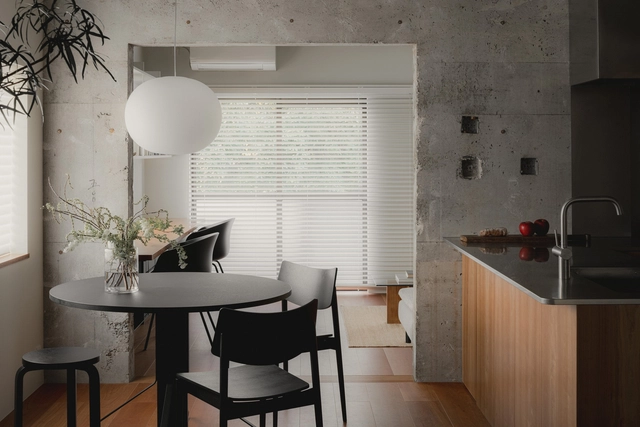
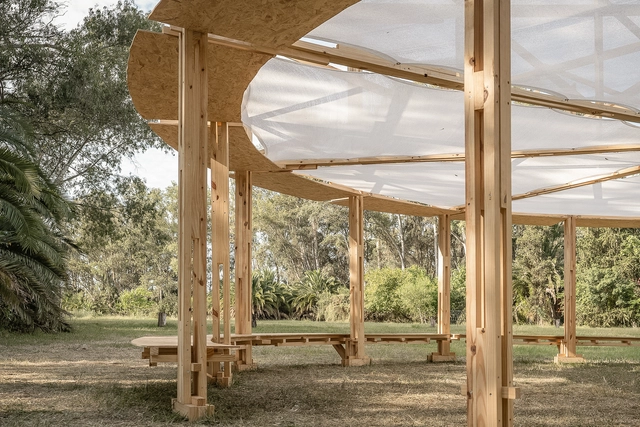
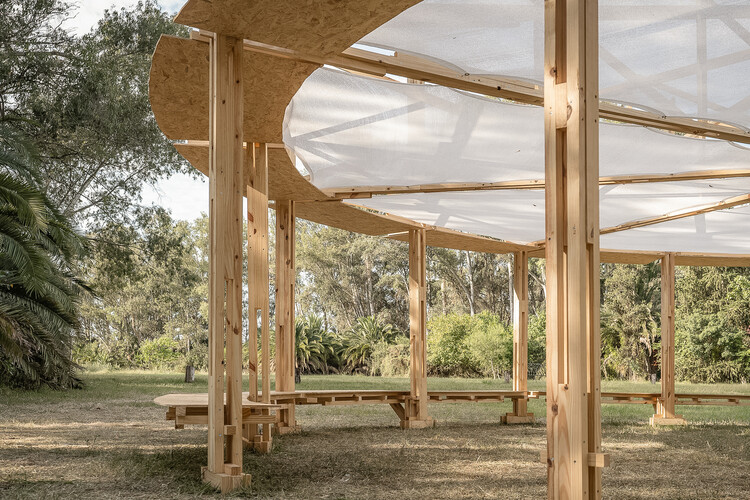
Reflecting on Architectural Details and Construction Systems in 2024 - 1 的图像 4Reflecting on Architectural Details and Construction Systems in 2024 - 2 的图像 4Reflecting on Architectural Details and Construction Systems in 2024 - 3 的图像 4Reflecting on Architectural Details and Construction Systems in 2024 - 4 的图像 4Reflecting on Architectural Details and Construction Systems in 2024 - More Images+ 2

Architectural Glass 101: Transparent Trends in 2024

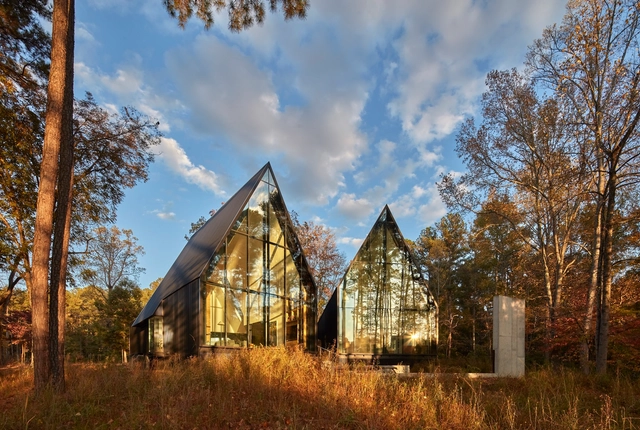
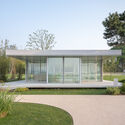
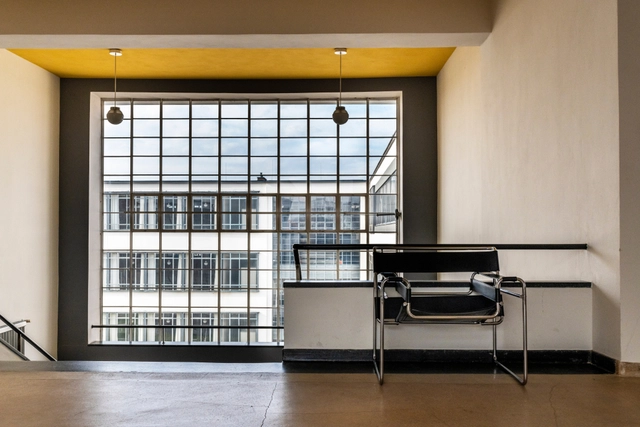
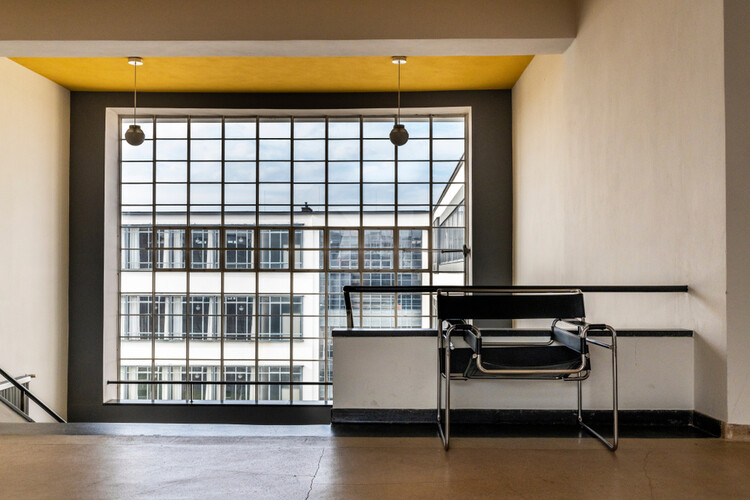
In the 21st century, Glass has become a cornerstone material for architecture. Once limited to apertures and openings, Glass now dominates entire facades, especially in high-rise buildings where transparent cladding material is preferred to maximize views. The technological advancements in Glass have been remarkable, transitioning from single-pane panels, such as those used in Bauhaus' iron window frames, to today's triple-pane systems with specialized gas infills, such as argon, designed to address Glass's long-standing thermal limitations.

Architectural Glass 101: Transparent Trends in 2024 - Imagen 1 de 4Architectural Glass 101: Transparent Trends in 2024 - Imagen 2 de 4Architectural Glass 101: Transparent Trends in 2024 - Imagen 3 de 4Architectural Glass 101: Transparent Trends in 2024 - Imagen 4 de 4Architectural Glass 101: Transparent Trends in 2024 - More Images+ 11

Building Methods in Focus: The Solid vs Hollow Partitioning Debate

Subscriber Access | 

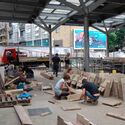
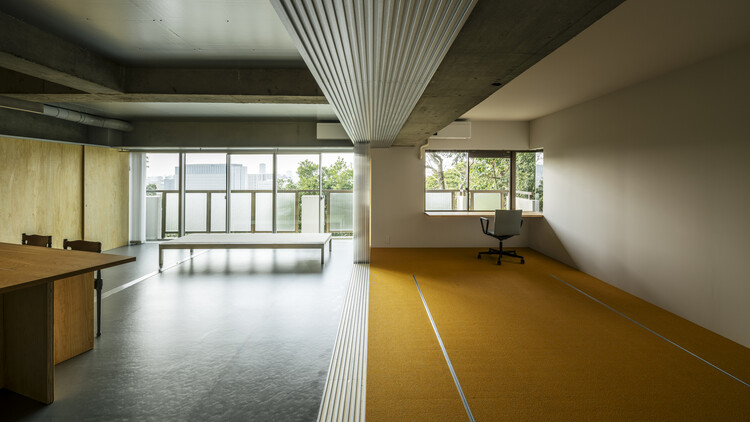
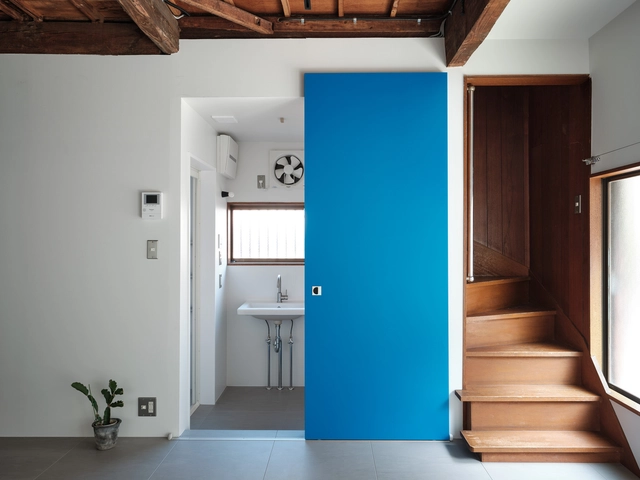
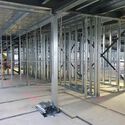
Two primary building approaches are commonly identified in architecture and design: solid versus hollow construction. These methods vary significantly across different cultures and regions, specifically for interior partitioning systems, when they appear interchangeable. Each has its own established practices influenced by local materials, labor preferences, climatic conditions, and cultural traditions. When architects and designers focus on their local context, it is easy to overlook the broader construction assumptions, limiting design flexibility and methodology. This raises an important question: How do these two building approaches differ?

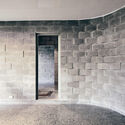
Focusing mainly on interior systems, the distinctions between solid and hollow construction largely stem from the availability of materials and workforce preferences. For example, in the United States and Japan, stud walls, both wood and metal, are frequently used for partitioning. Conversely, brick remains the predominant material for partition walls in regions such as Hong Kong and southern China. Why do we build differently, and what are the benefits and challenges of each building methodology?
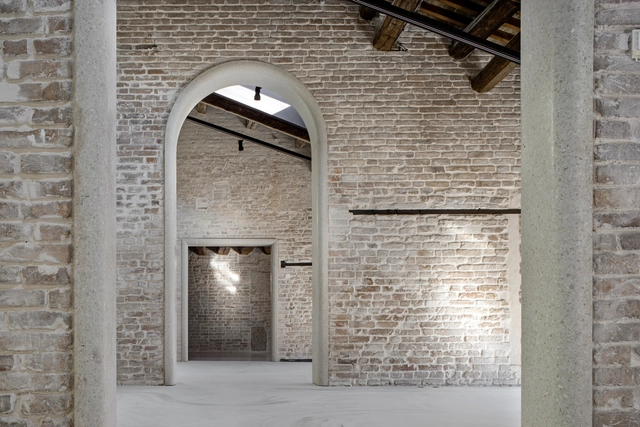
Building Methods in Focus: The Solid vs Hollow Partitioning Debate - Image 1 of 4Building Methods in Focus: The Solid vs Hollow Partitioning Debate - Image 2 of 4Building Methods in Focus: The Solid vs Hollow Partitioning Debate - Image 3 of 4Building Methods in Focus: The Solid vs Hollow Partitioning Debate - Image 4 of 4Building Methods in Focus: The Solid vs Hollow Partitioning Debate - More Images+ 14

Exploring the Structural Details of a Bamboo Dome

Subscriber Access | 

Through the analysis of an innovative bamboo grid structure created using augmented reality by architects Kristof Crolla and Garvin Goepel in August 2023, we delve into the intricate world of bamboo architecture, focusing on its application in dome structures through a series of detailed illustrations that uncover the depth of this sustainable material's capabilities.

4 Solutions for Roofs without Eaves (and their Construction Details)

Subscriber Access | 

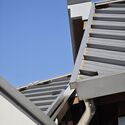
In his Robie House, Frank Lloyd Wright created an ingenious arrangement of public and private spaces that slowly moving away from the street through a series of horizontal planes. Pronounced eaves made the interior space expand toward the outside. Considered the first phase of the American architect's career, the so-called Prairie Houses had marked horizontality, mainly due to the enormous plans created by slightly inclined eaves. Eaves are ubiquitous in most traditional architecture, and in addition to their aesthetic role, they serve several important functions, the primary one being to keep rainwater away from the building's walls and structure. But for some time now, we have seen plenty of projects with sloping roofs without eaves, forming pure and unornamented volumes. This brings us to the question: in these projects, how are practical issues such as draining rainwater?

“I Think of My Work as Imploding Rather than Exploding:” in Conversation with Michael Rotondi of Roto Architects

Michael Rotondi’s buildings—museums, civic centers, education facilities, monasteries, restaurants, and residences—evoke kinetic mechanisms that fold, hinge, twist, and split open. They express the architect’s feelings, thinking, and mood at the time they had been designed, and, on some occasions, during their assembly and construction. Rotondi was born in 1949 in Los Angeles.

He established his RoTo Architects, a research-based firm in his native city, in 1991 after co-heading Morphosis for 16 years with Thom Mayne. Parallel to his practicing career, the architect has been teaching and lecturing at SCI-Arc, Southern California Institute of Architecture, which he co-founded in 1972, led its graduate program from 1978-1987, and was the school’s second director for a decade from 1987 to 1997.

“I Think of My Work as Imploding Rather than Exploding:” in Conversation with Michael Rotondi of Roto Architects - Image 1 of 4“I Think of My Work as Imploding Rather than Exploding:” in Conversation with Michael Rotondi of Roto Architects - Image 2 of 4“I Think of My Work as Imploding Rather than Exploding:” in Conversation with Michael Rotondi of Roto Architects - Image 3 of 4“I Think of My Work as Imploding Rather than Exploding:” in Conversation with Michael Rotondi of Roto Architects - Image 4 of 4“I Think of My Work as Imploding Rather than Exploding:” in Conversation with Michael Rotondi of Roto Architects - More Images+ 21