

-
Architects: Ludwig Godefroy Architecture
At the 18th International Architecture Exhibition – La Biennale di Venezia, Karin Sander, and Philip Ursprung curated the Swiss Pavilion “Neighbors”. In her interview with Louisiana Channel, Karin Sander talks about expanding the understanding of the pavilion, reimagining the connected role of architecture and art, and explaining her artistic process. “Neighbors” was focused on spatial proximity between the Swiss Pavilion and its Venezuelan neighbor. Sander highlights also the conversation between the two structures, that became possible after the removal of a separating wall.
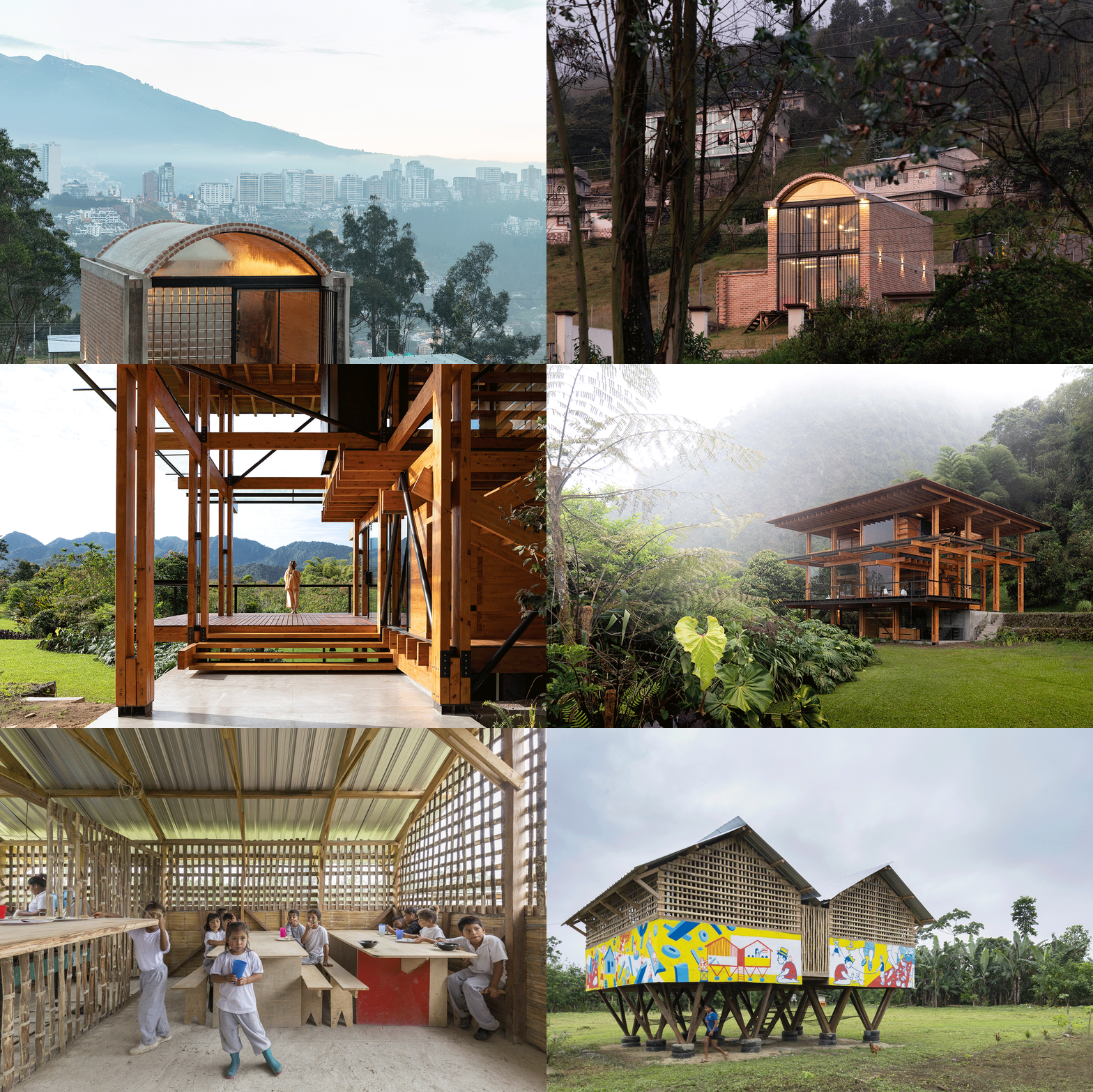
Taller General is a meeting point where Martín Real and Florencia Sobrero, among other members and collaborators, come together daily to pursue their passion: channeling their creativity through architecture while merging all the aspects that shape their lives, from activism to education.
From Ecuador, the team undergoes changes based on the project's needs, and for the most part, it expands through collaborative work that enables them to share diverse perspectives, opinions, and practices. This enriches the environment and produces outcomes that would be unimaginable from an individual standpoint.
For these reasons, Taller General was chosen by ArchDaily as one of the best new architectural practices of 2023. Next, we bring you an interview with Florencia and Martín to get a close look at their inspirations, work processes, and future projects.
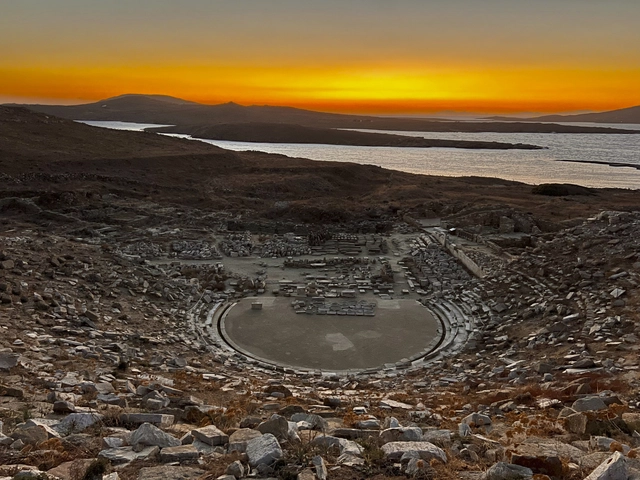
Nestled amidst the Aegean Sea, the ancient island of Delos emerges as a timeless testament to human ingenuity and the harmonious interplay between architecture and nature, in this captivating series of photographs shared with ArchDaily for the International Day of Photography by artist Erieta Attali, along with the insightful voice of Brazilian architect Angelo Bucci. Inspired by Attali's work, Bucci crafts a narrative that explores the profound connection between architecture and the environment, echoing the ethos of Delos itself.
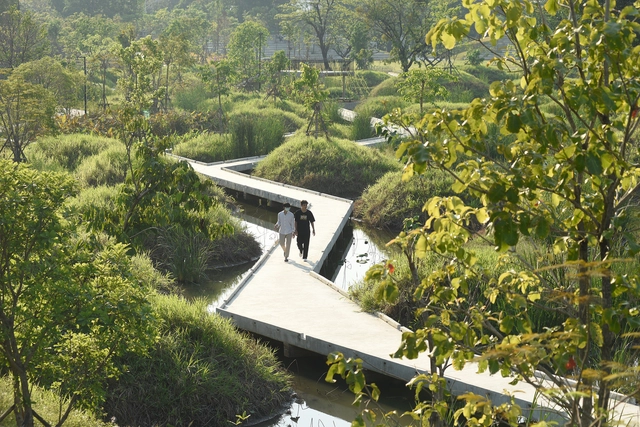
In an age where humanity's detrimental impact on the environment has become increasingly evident, the concept of rewilding is emerging as a powerful approach to conservation and ecological restoration. In line with growing attention on landscape architecture in recent years, the idea of removing human intervention from our natural surroundings in order to restore a stable equilibrium seems to offer a low-effort, ethereal way to right fundamental climate wrongs. But is a lack of meddling in nature really all there is to rewilding, and how does this relate to architecture and design? We look at key concepts, applications, and examples to find out.
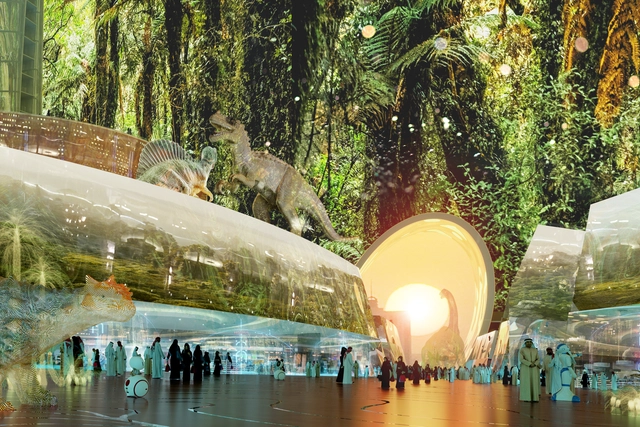
This article is the first in a series focusing on the Architecture of the Metaverse. ArchDaily has collaborated with John Marx, AIA, the founding design principal and Chief Artistic Officer of Form4 Architecture, to bring you monthly articles that seek to define the Metaverse, convey the potential of this new realm as well as understand its constraints.
The Metaverse is currently hard to define. Try to think of it as the bringing together of the abundance of virtual communities we have created over the years on Facebook with the enormous range of leisure opportunities akin to shopping on Amazon. Yet, the Metaverse goes far beyond this and makes a new type of landscape possible by playing on the very qualities of placemaking we know from the cities, towns, and villages we inhabit worldwide. The Metaverse is a transactional space, and perhaps above all an experiential space where unexpected events take place and, importantly, shared events are enjoyed on an individual and communal basis.


On Wednesday, August 23, the first episode of the new documentary series that explores the projects of Al Borde will be released. "Building with living trees", immerses itself in the stories of the Garden House, a single-family house located in the suburban area of the city of Quito.

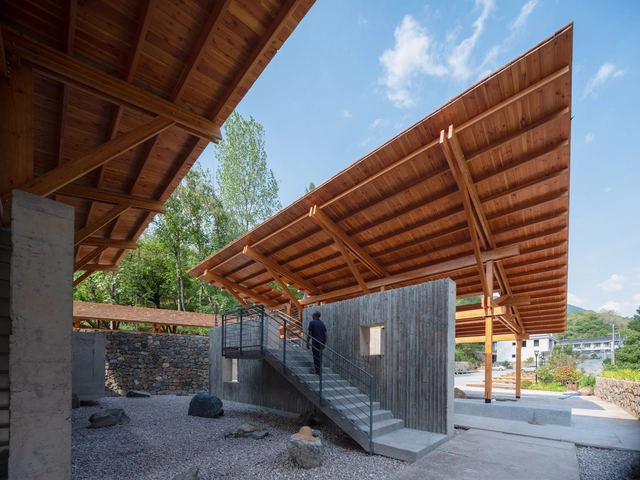
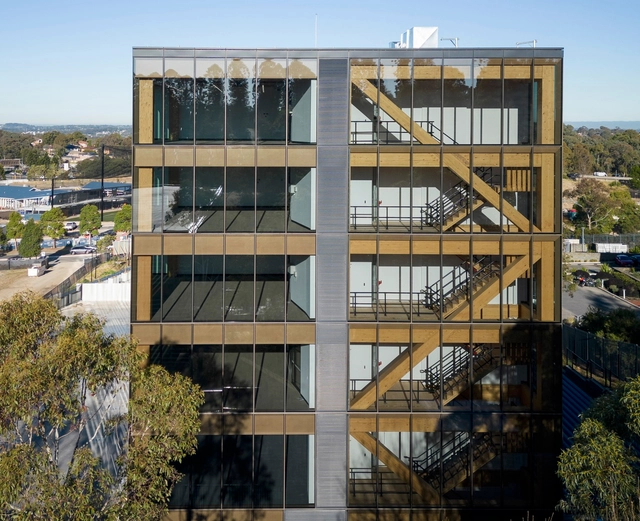


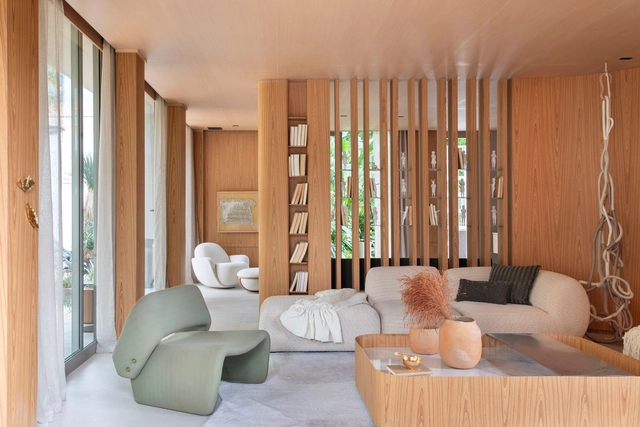

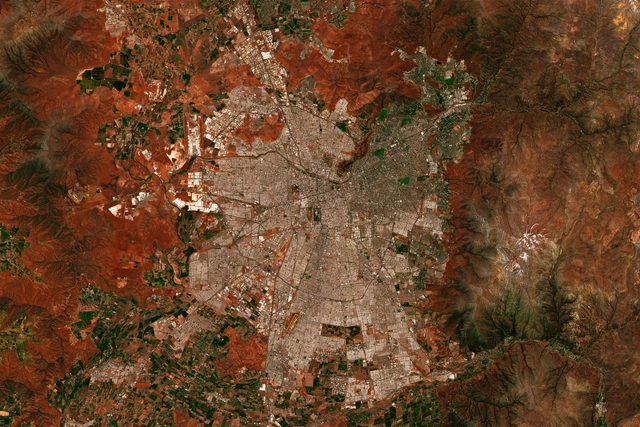
In recent years, population density in Santiago de Chile has gained significant prominence as an urban and architectural topic, as well as an economic, political, social, and environmental one. Its vast impact—both positive and negative—has generated conflicting viewpoints among experts, prompting us to ask: should we densify Santiago?