

-
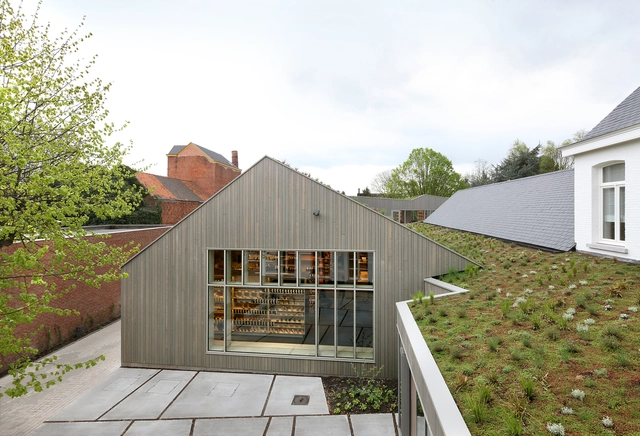
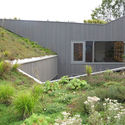
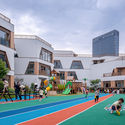
Architects: Robbrecht & Daem architecten, murmuur architecten
- Area: 2327 m²
- Year: 2014
-
Manufacturers: Beneens, Cast PMR, Desso, F&T parketvloeren, IBIC, +3
-
Professionals: AIDE, HP Engineering



Although chemist and inventor Otto Rohm had first come up with the idea for plexiglass in 1901, it wasn’t until 1933 that the Rohm & Haas company first introduced it to the market under the trademark name Plexiglas. The material, which is considered a lightweight and shatter-resistant alternative to glass, has had a fascinating history and experienced a multitude of different uses in that time. Today, plexiglass continues to be utilized in new and interesting ways, including as a potential means with which to help combat coronavirus spread. Restaurants, stores, and other businesses have begun using plexiglass partitions as protective shields for both workers and customers, especially as cities and towns slowly reopen. Below, we dive into this unusual material, addressing its material properties, its history, and the ways it continues to be used today.

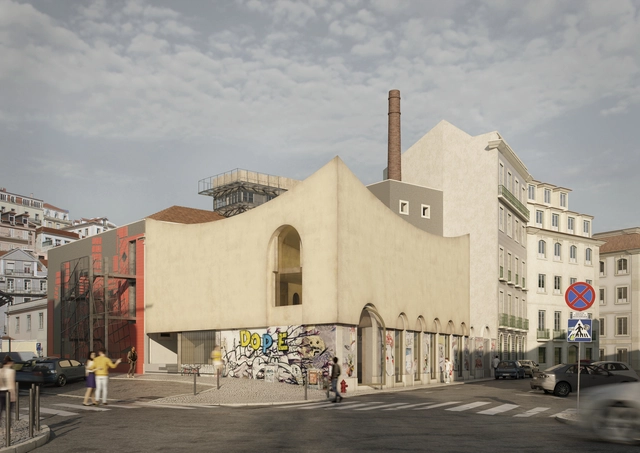
Luís Pedro Pinto has won the tender to expand The Order of Architects Headquarters in Lisbon, Portugal. Selected out of 66 works presented, part of a public design competition, the project, according to the jury, was praised for “its cohesion, coherence and unitary image”.
.jpg?1593765441&format=webp&width=640&height=580)
CHYBIK + KRISTOF ARCHITECTS & URBAN DESIGNERS have been selected as the winners of the public competition to design and build the Jihlava Multipurpose Arena. One of the largest sports and leisure complexes in the Czech Republic, the project, built on the city’s existing hockey stadium, is scheduled for construction in 2021, to be completed by 2023.
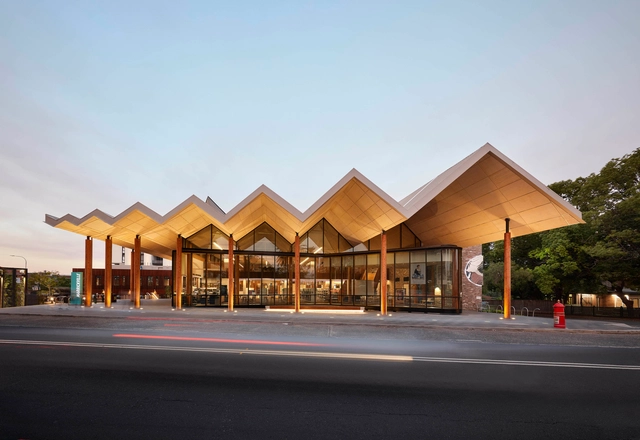
The Australian Institute of Architects has announced the winners of the 2020 NSW Architecture Awards. Celebrating the best of the state's architecture across 13 different categories, a total of 41 awards and 32 commendations have been given this year. Held on the evening of Friday, July 3rd, the NSW Chapter live-streamed the awards presentation, allowing the public to freely join what is normally a members-only event.
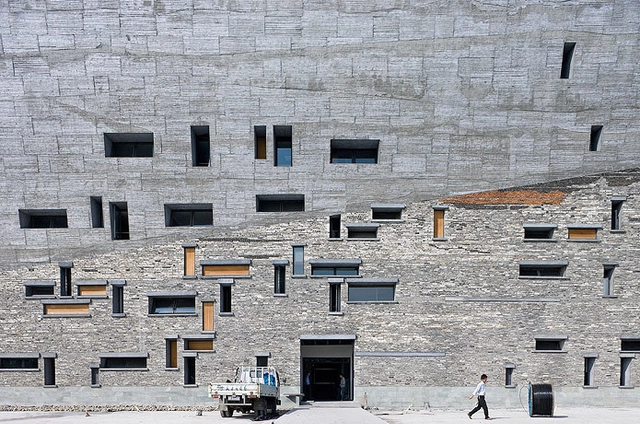
Over the past two centuries, cities in China have multiplied and expanded on a large scale, under accelerated urbanization. Mass demolition of the old city fabric, occurring everywhere, is leaving industrial debris and fragmented cultural artifacts buried forever, under shiny new skyscrapers. As old Chinese cities are collapsing and new urban centers are outspreading, a part of the city was lost, the old demolished landscape. Wang Shu and Lu Wenyu, the first Chinese citizens to win the Pritzker Architecture Prize, responded to this past-present relation by working with recycled materials and traditional know-how. In the following, we explore some of this couple's renowned works such as Ningbo History Museum, Ningbo (2008), Xiangshan Campus of China Academy of Art, Hangzhou (2004), and Ningbo Contemporary Art Museum (2005), to examine his humanistic approach to the city.

The following text was drafted in response to the initial prompt in The Architect's Newspaper’s “Post-Pandemic Potentials” series.

Barely a few weeks ago, while self-isolating in London during the grimmest, darkest day of the pandemic, I was among the many who saw the ongoing catastrophe as the final collapse of the mechanical age—or more precisely, of that period in the history of the industrial revolution that is now often called the Anthropocene, characterized by standardized mass-production, global mechanical transportation, and the unlimited burning of fossil fuels. We all thought that the demise of the Anthropocene would be brought about, incrementally, by global warming—which might, perhaps, have given us the time to mitigate or counteract the consequences of climate change and the exhaustion of natural resources. Instead, the end of the machine-made environment came all of sudden, the space of a fortnight, not by way of climate change and global warming but by way of viral change and global infection. When COVID-19 came, and a number of nation-wide lockdowns went into effect (around mid-March in Europe), the entire infrastructure of the industrial world as we knew it suddenly shut down: Planes stopped flying, factories stopped producing, schools, stores, and offices were evacuated and left empty. Yet life carried on, somehow, for those who were not infected, because farming, local artisan production, food distribution, utilities, telecommunications, and, crucially, the internet kept functioning.


.jpg?1513056991&format=webp&width=640&height=580)







.jpg?1593765499 "© Monolot")
.jpg?1593765281 "© Monolot")
.jpg?1593765414 "© Monolot")
.jpg?1593765459 "© Monolot")
.jpg?1593765441)



















.jpg?1513056962 "© Edmund Sumner")

.jpg?1513056537 "© Edmund Sumner")
.jpg?1513056593 "© Edmund Sumner")
.jpg?1513056991)