-
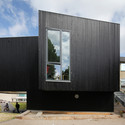
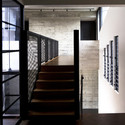
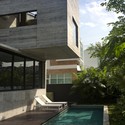
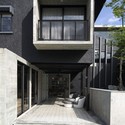
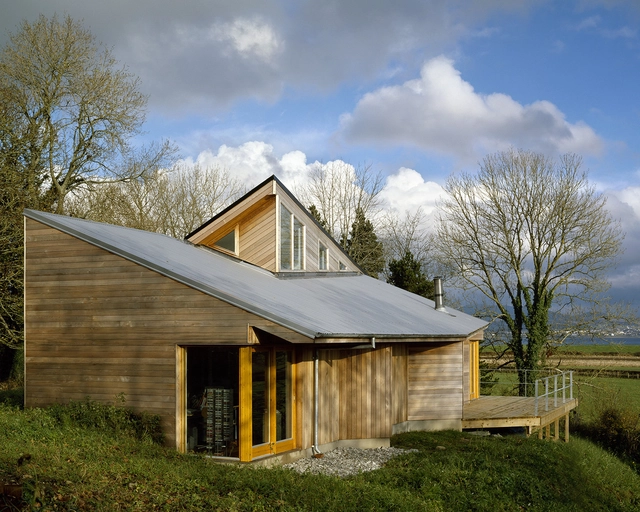
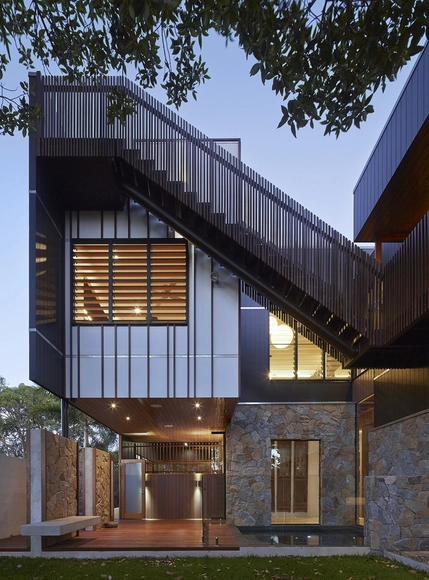
Architects: Dorrington Atcheson Architect
- Area: 404 m²
- Year: 2013
-
Professionals: Straight Line Building, Henry Dunham Building
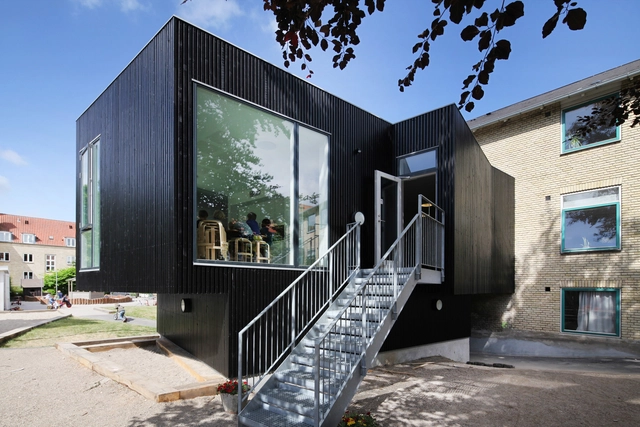
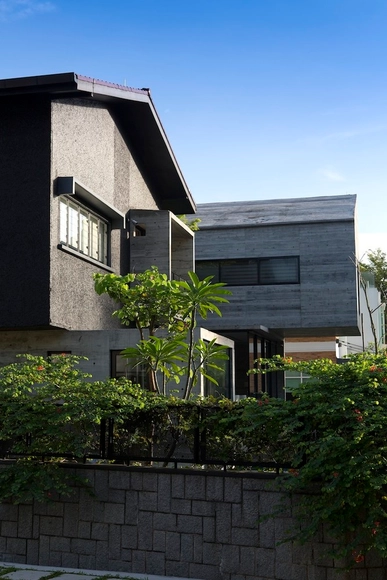
In our technology-obsessed age we tend to forget where materials actually come from. But in their first exhibition on materials, WOOD, the Het Nieuwe Instituut in Rotterdam not only overviews wood's uses from World War I trenches to daily tools, but also reminds us where wood comes from, tracking wood's manmade and natural "cycles" of destruction and reconstruction. WOOD is curated by Dan Handel, in cooperation with exhibition designers Jannetje in ‘t Veld and Toon Koehorst and is showing until October 8th of this year - learn more at the website here.
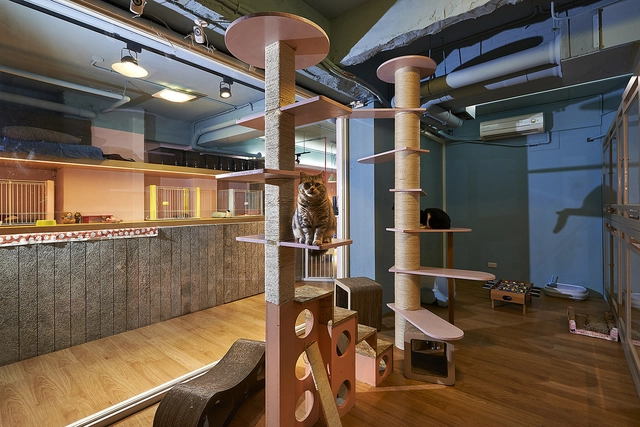
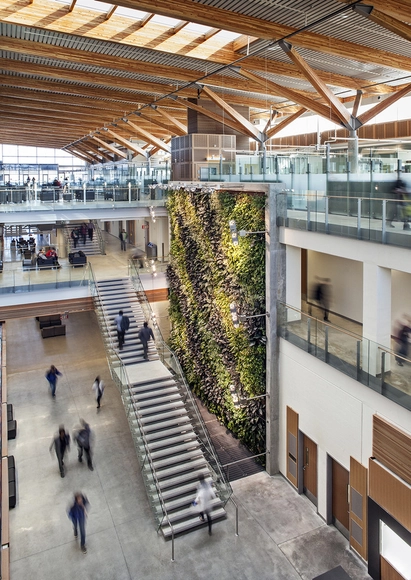



Material Minds, presented by ArchDaily Materials, is our new series of short interviews with architects, designers, scientists, and others who use architectural materials in innovative ways. Enjoy!
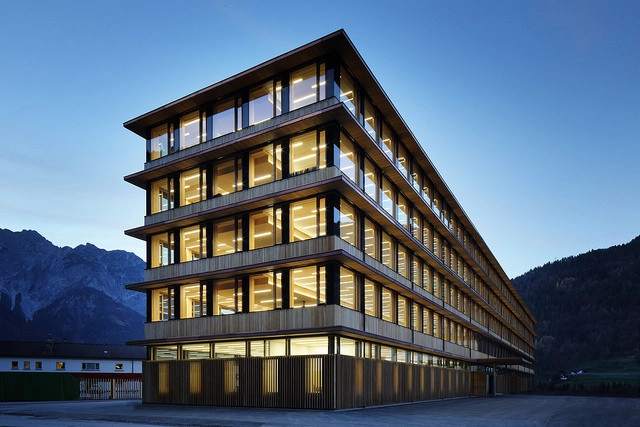
Wood. The United States is the largest producer of the natural resource in the world. But yet we rarely see it in commercial, high-rise construction. So we asked a wood expert -- Rebecca Holt at Perkins+Will, an analyst for reThink Wood's recent Tall Wood Survey -- to tell us about its potential benefits.
AD: Why is wood a material architects should use in taller buildings?
There are lots of reasons to consider wood – first it has a lower environmental impact than other traditional choices like concrete and steel. Wood is the only major building material that is made the by sun and is completely renewable.