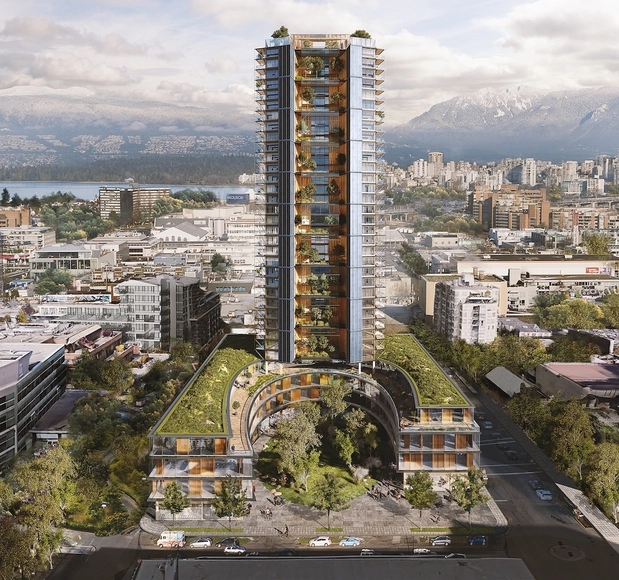
Canada Earth Tower is designed to rise 40 stories, and the wooden skyscraper would be the tallest of its kind in the world.. Image Courtesy of Perkins + Will / Delta Land Development
Tall timber buildings are on the rise. Design teams around the world are taking advantage of ever-evolving mass timber technologies, resulting in taller and taller structures. Building off our recent article exploring the future of high-rise buildings, we’re taking a deeper dive into new emerging timber technologies and the advantages of building taller with wood. This tutorial explores how to make tall timber structures a reality.
Videos
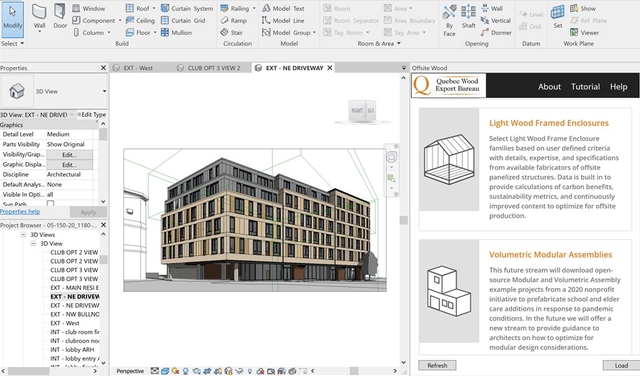
Offsite Wood software in Revit. Image Via QWEB
Quebec Wood Export Bureau is adding another tool to your arsenal: a free BIM plugin on Revit. With the help of its wood-producing members, the nonprofit group has stepped into the free software world to put a growing suite of structural wood system components at architects’ fingertips.
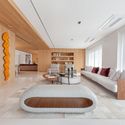
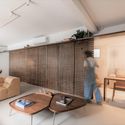
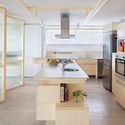
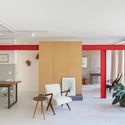
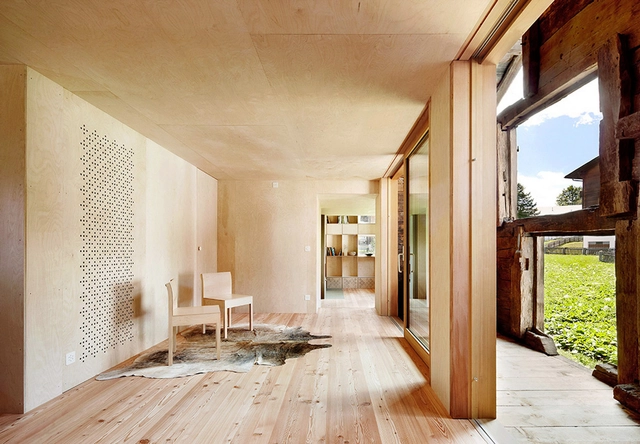
Wood in architecture, when properly managed, is often associated with sustainability but also with a sense of comfort and coziness. Well-designed joinery can provide versatility and uniqueness to interior design, among so many other benefits.
https://www.archdaily.com/955092/defining-spaces-with-wood-joinery-in-brazilian-apartmentsEquipe ArchDaily Brasil
Since immemorial time, humans have constructed their shelter and homes using wood. Gradually these structures grew more complex, but wood has continued to play a fundamental role in architecture and construction. Today, especially due to growing concerns about climate change and carbon emissions, wood has been regaining significance as an important building material for the future, if used consciously and sustainably. Wood’s structural performance capabilities make it appropriate for a broad range of applications—from the light-duty repetitive framing common in low and mid-rise structures to the larger and heavier, often hybrid systems, used to build arenas, offices, universities and other buildings where long spans and tall walls are required.
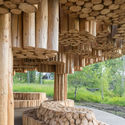
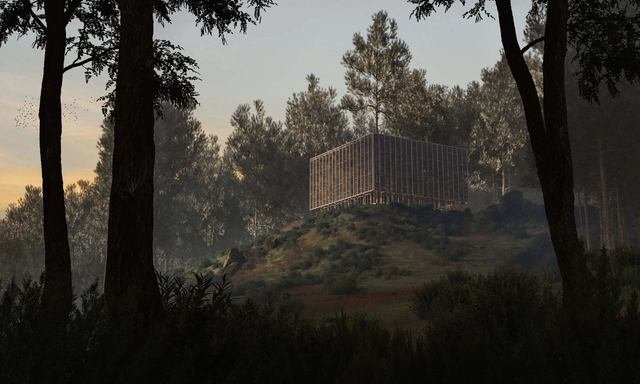
Tucked beneath the dense trees of Al-Ozer Forest in Mount Lebanon, Byblos-based architects and visual artists of JPAG Atelier created a secluded retreat away from humans and the chaos of the urban life. The Earth Chapel is a unique sanctuary that lets its visitors experience both the simplicity of the architecture and the richness of the surrounding landscapes, all at once.
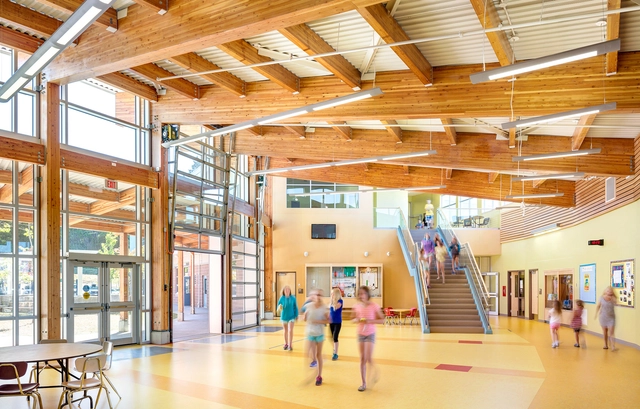
Many of our childhood experiences take place in school. Whether these memories are good or bad, most children and teenagers spend a majority of their days in classrooms or other educational facilities. According to IQAir, “every year, children spend an average of 1,300 hours in school buildings.” But even as the world changes rapidly, and the internet in particular increases the accessibility of information, the design and operation of schools remain, in a way, outdated. As noted in a previous article, ideally the typology of educational spaces and the configuration of classrooms should suit more contemporary ways of teaching and learning, rather than the traditional organization of rows of desks facing a teacher at the head. But it is important that the analysis of educational facilities does not stop there. All surfaces and materials have a significant impact on both the well-being and learning of users.
In recent years, we have published many articles about wood. Addressing trends of use, possibilities for log wood, panels, curves, and finishes, innovations in tall building structures, and wood's behavior towards fire, these articles have explicated a wide variety of the material's applications and characteristics. A specific type of wood, Cross Laminated Timber (CLT), has emerged as highly structurally efficient with thermal, seismic, and even sensory benefits, described by specialists as the concrete of the future. But when we post these articles on social media, we frequently encounter comments from our readers concerned about the impact of deforestation. Although we may see wood as a great building material of the future, we must ask ourselves: is it possible to continue cutting down trees and using their wood while still calling it sustainable?
Wood is a material naturally associated with beauty, versatility, and comfort and is used in many different ways in architecture, from flooring to roofing. These qualities also stand out when used in window frames.
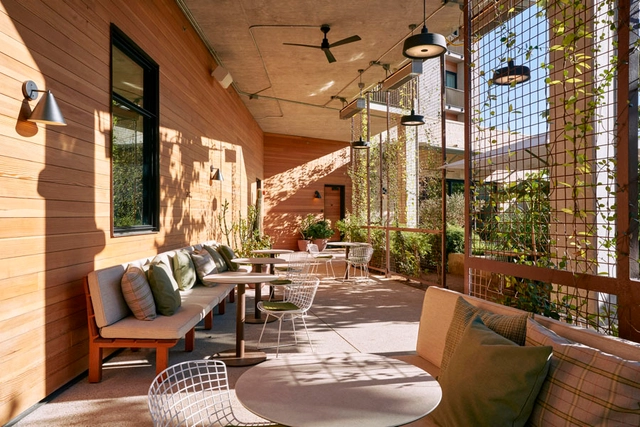
Hotel Magdalena, the latest from Bunkhouse Group, a Texas-based hospitality company known for the highly Instagrammed El Cosmico in Marfa, Texas, is an 89-room hotel that plays on Austin‘s music culture and love for lakeside living. Named after Mary Magdalene, the hotel is part of the group’s hotels that are named after Saints, neighboring the popular Hotel Saint Cecilia and Saint Cecilia Residences, which are currently under construction.
https://www.archdaily.com/952583/the-first-mass-timber-hotel-in-north-america-has-opened-in-austinLauren Jones
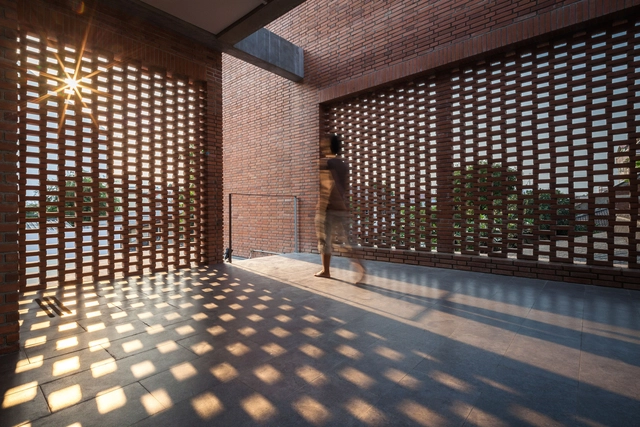
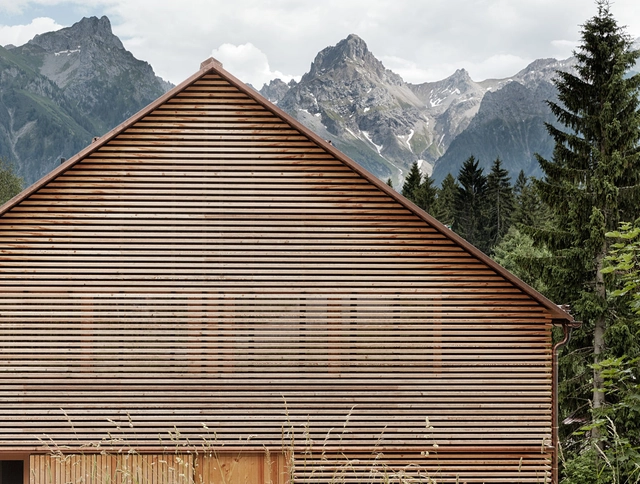
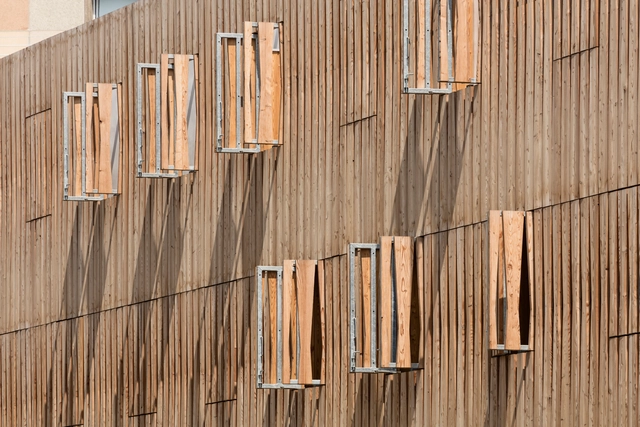
When designing the Nordic Pavilion in Venice, Sverre Fehn incorporated Nordic architectural elements in unusual ways. One of the most attention-grabbing elements of the building is its laminar roof cover of white concrete, which is broken by trees planted inside the building blocking the sun's rays and filtering the light. Depending on the angle, the roof blades allow visitors to see the colors of the sky and the canopy of the trees, bringing dynamism to the pavilion's lighting and movement. In fact, the use of parallel slats on facades, walls, and roofs is a tradition that comes from Nordic architecture and has spread throughout the world. In this article we will cover some examples that use this element, including its variety of possibilities and the best ways to amplify their effect.
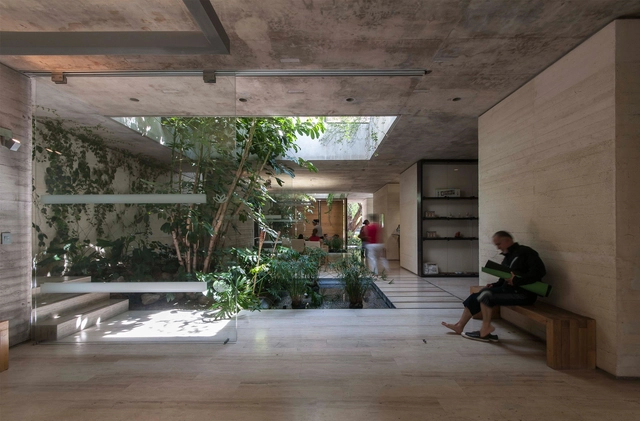
If a person were to imagine a setting of complete relaxation, odds are the first image that comes to mind is a place surrounded by nature, be it a forest, the mountains, the sea, or a meadow. Rarely does one imagine an office or a shopping mall as a source of comfort and relaxation. Still, the majority of people spend almost 80-90 % of their time indoors, going back and forth from their houses to their workplaces.
Architects and designers are now searching for design solutions that will resonate well into the future, turning to 'biophilia' as an important source of inspiration that promotes well-being, health, and emotional comfort.
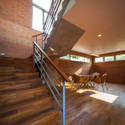
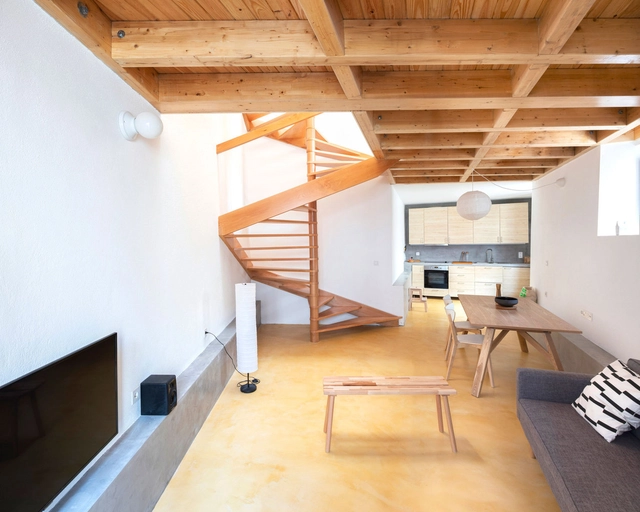
The presence of different ground levels requires solutions to connect them, either because of a need to adapt to the terrain or any other factor that leads to the verticalization of a building. Staircases serve the purpose of connecting the various floors and creating the building's dynamics through many different shapes, designs, and materials. When made of wood, they can also add a variety of colors and textures that contribute to the uniqueness of this element.
Considered one of the noblest building materials - and also a favorite of many global architects - wood delivers aesthetic, structural, and practical value in the most versatile of ways. Through different techniques, such as crafted or prefabricated wood, wooden construction remains relevant not only in the history but also in the forefront of architecture and design (thanks to new technologies that have expanded its possibilities).
From temporary pavilions to single-family homes and multi-story, large-scale institutions, wood has shown its value at the same level as many other structural materials such as steel, brick, or even concrete. This is especially prominent in the United States, where renowned architects are using new techniques to advance the solutions that this material can provide. Also, new regulations are allowing architects to further explore the diversity and possibilities of building with wood.
With the help of ThinkWood, we’ve gathered 100 examples of the best wood structures in the United States.
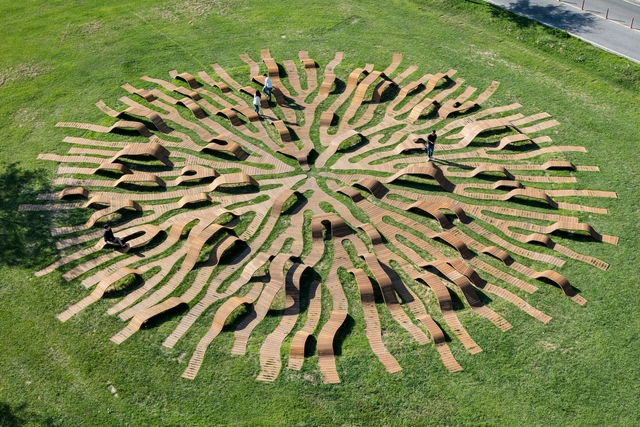
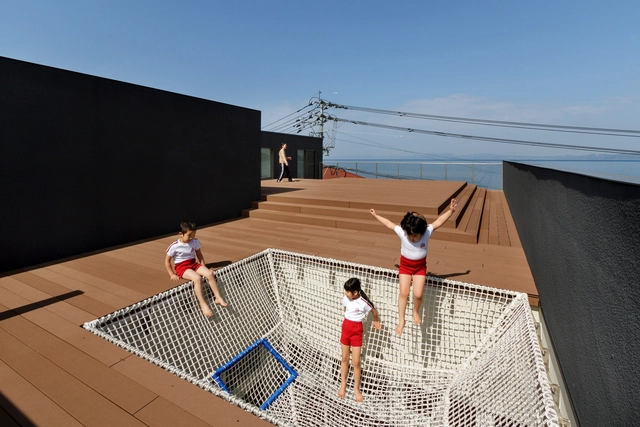
Wooden floors are know for their warm appearance, rich texture, and natural tones that vary according to the origin of the planks, changing with the weather and the passage of time. Outdoors, wooden surfaces are widely used for terraces and living areas, taking advantage of these inviting qualities to bring people together on warm and welcoming floors. Built with modular pieces, wooden decks can easily form artificial topographies, shaping creative and effective public spaces for rest, sports, games, and collective gathering.











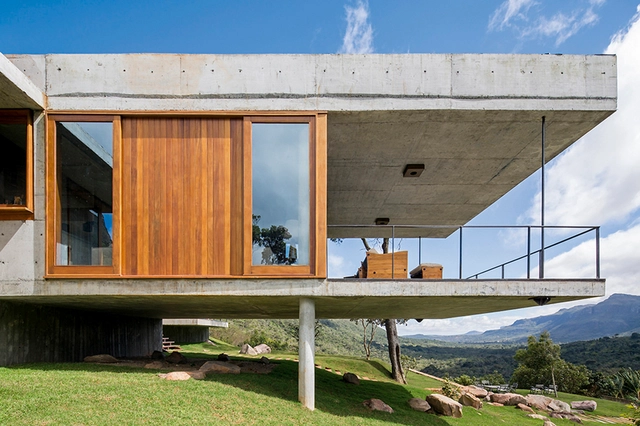


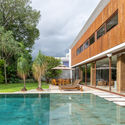
.jpg?1604935737 "House in the Blue Wild / Studio Carlito e Renata Pascucci. Image © Monica Antunes")