-
Architects: BLA Design Group, Campos Studio
- Area: 3400 ft²
- Year: 2019
-
Professionals: Vantac Management


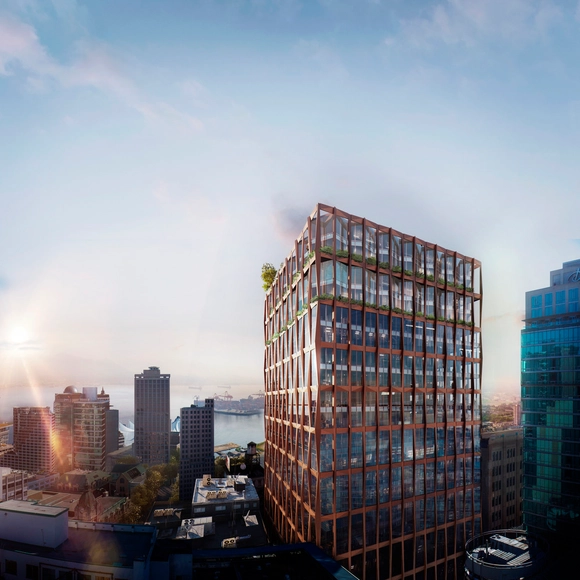
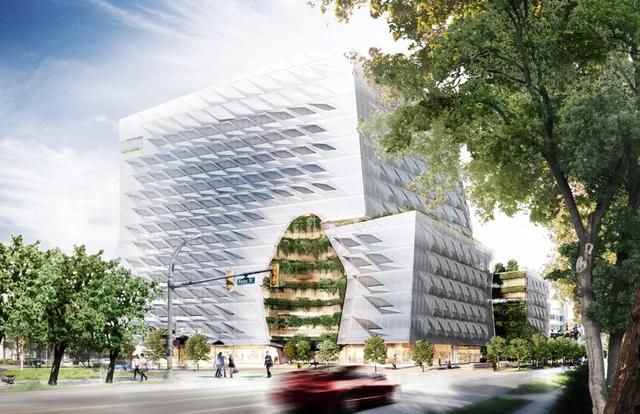
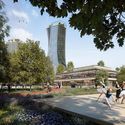
The KPF-Designed 601 West Pender Street was granted approval by the Vancouver City Council. Located next to the city’s historic Rogers Building, the project generates an urban oasis within the city, replacing a six-story parking structure in the Central Business District.

Morphosis will design a new high-tech global headquarters for lululemon in Vancouver, Canada. Working with Francl Architecture and Clive Wilkinson Architects, the team will create the main office to serve as an extension of the core values of the brand itself. The design for the 13-story headquarters is made to create strong connections between the building and its site, landscape, and community, with exterior and interior spaces that encourage collaboration and innovation.

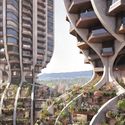
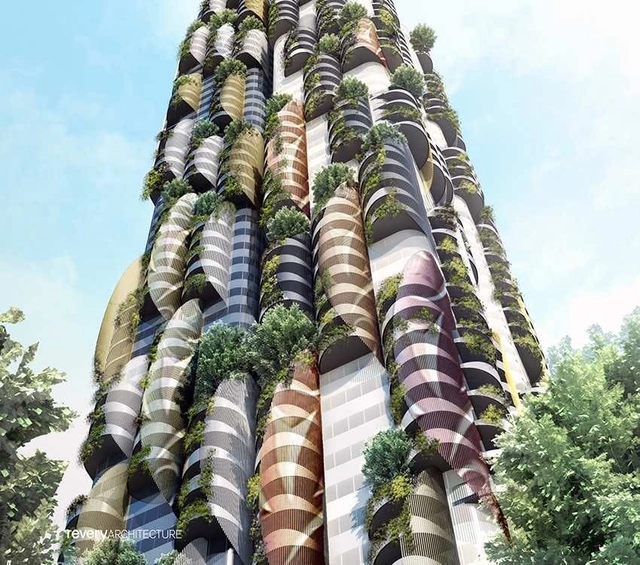
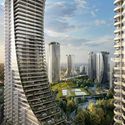
Revery Architecture has designed a new development of 11 residential towers for the Squamish First Nation in Vancouver, Canada. Working with developer Westbank, the $3-billion project would transform the city’s Kitsilano neighborhood on the reserve lands at Sen̓áḵw. The project will be Canada’s largest development on First Nations land.

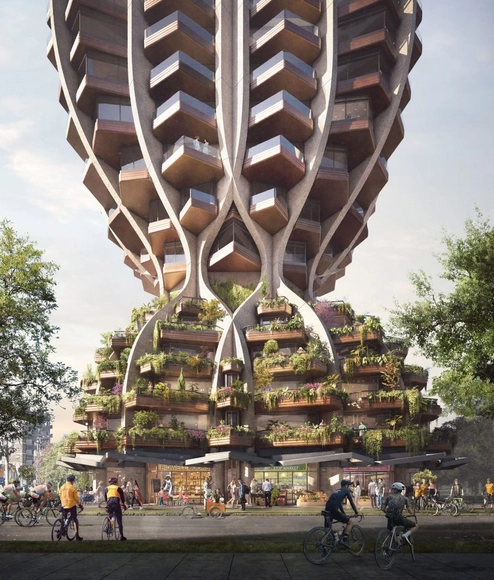
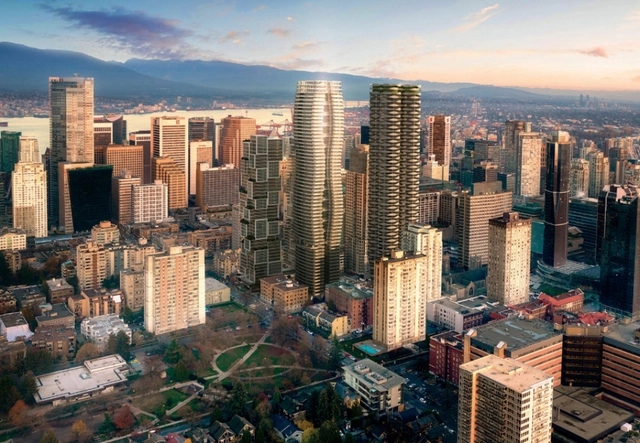
Canadian company Henson Developments has released plans to build the world's tallest passive house in Vancouver's West End neighborhood. The 60-story project and rezoning application is being reviewed by the City of Vancouver before it goes to city council for a public hearing. Aiming to earn Passive House certification, the tower was formed to break away from traditional Passive House design approaches.


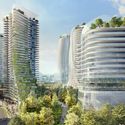
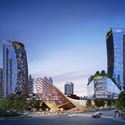
Canadian architecture practice Henriquez Partners has designed a series of ten towers for a new suburban development in Vancouver. The mixed-use project was made for developer Westbank to create a new 4.5 million-square-foot residential community for the city. Dubbed Oakridge, the towers will include housing, office and retail as a contemporary architecture for the Pacific Northwest.


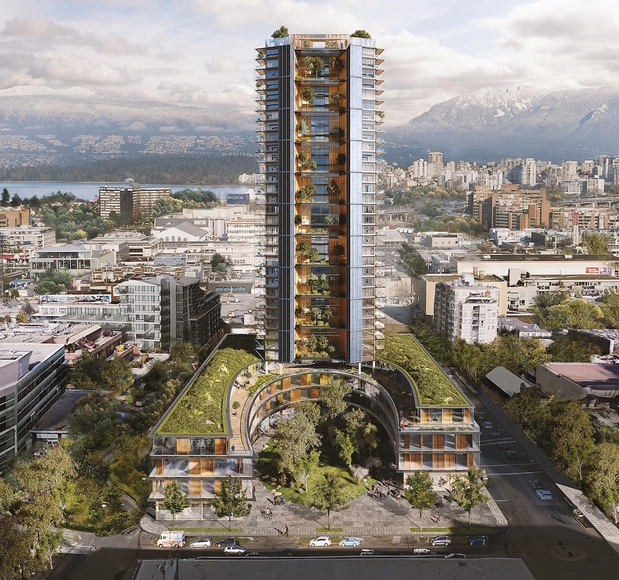
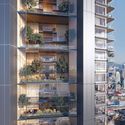
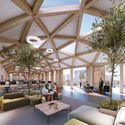
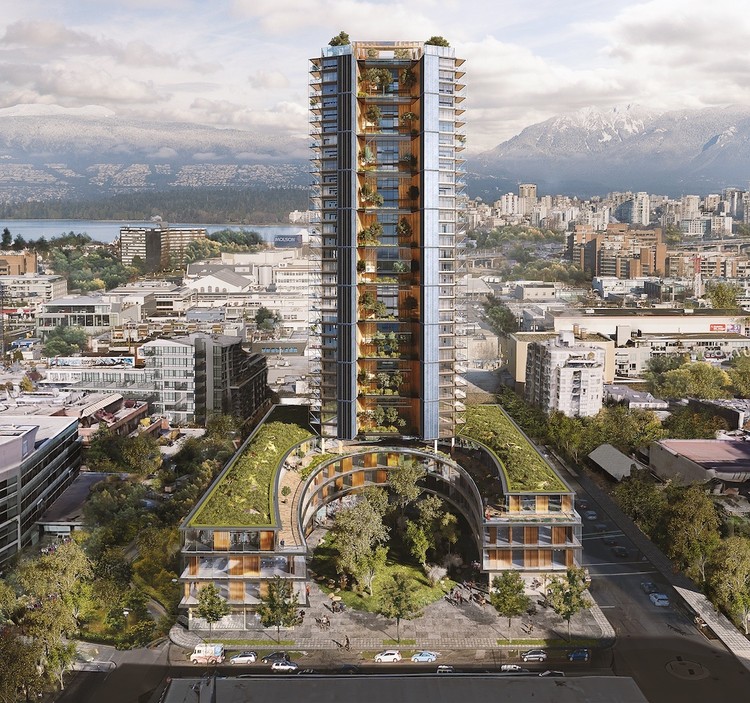
Perkins + Will have revealed a new design for the world’s tallest wooden skyscraper in Vancouver. Called Canada Earth Tower, the mass timber project is designed along the city’s Central Broadway corridor. Bruce Langereis, president of Delta Land Development, unveiled the company’s proposal to transform a 1.3-acre lot at 1745 West 8th Avenue with a project that could rise up to 40 floors. Canada Earth Tower aims to become a new precedent and benchmark for green building construction.

_Vienna_Tourist_Board_Christian_Stemper.jpg?1554392750&format=webp&width=640&height=580)
For ten consecutive years, Vienna ranks first in the Mercer survey on cities with the best quality of life in the world. In this edition to the global ranking, eight Western European cities join the top ten, even when "trade tensions and populist undercurrents continue to dominate the global economic climate", as Mercer points out in its report.


This article was originally published on Metropolis Magazine as "Game Changers: Architect Zena Howard is Using Design as Urban Healing." Metropolis' annual Game Changers series highlights those in design who are pushing the field forward.
Transforming urban centers can be slow going when the process is rooted in community engagement. But within the next five to ten years, historically African-American neighborhoods in Charlotte and Greenville, North Carolina; Miami; Vancouver; and Los Angeles will experience major change, thanks to architect Zena Howard, who leads Perkins+Will’s cultural practice in North Carolina.

The Vancouver Art Gallery has unveiled the final design for its 300,000-square-foot building designed by Herzog & de Meuron. Designed to serve the Gallery’s ever-expanding collection of art and educational programs, the scheme will offer “a global platform for Vancouver’s and Canada’s thriving arts scene and play a vital role in establishing this city as one of the world’s most foremost cities for arts and culture.”
The scheme has been designed as a sculptural, symmetrical, upright building infusing opaque and transparent surfaces. The stacked scheme sees a minimal mass at the bottom contrast with larger volumes concentrated at the top, allowing light and air to filter down to an active, open-air courtyard below.