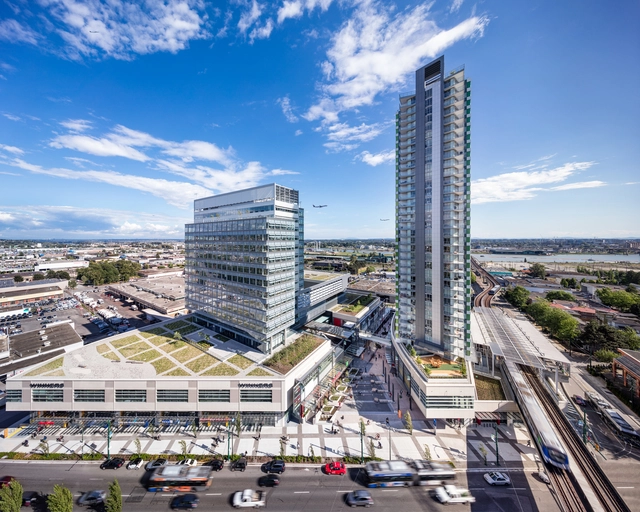
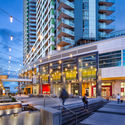
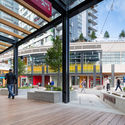
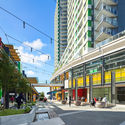
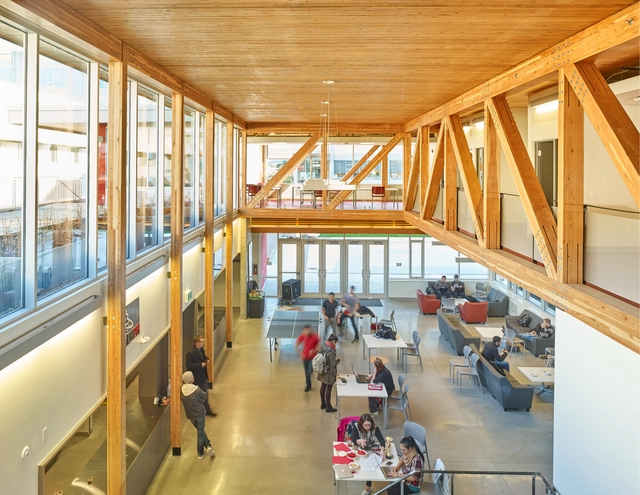
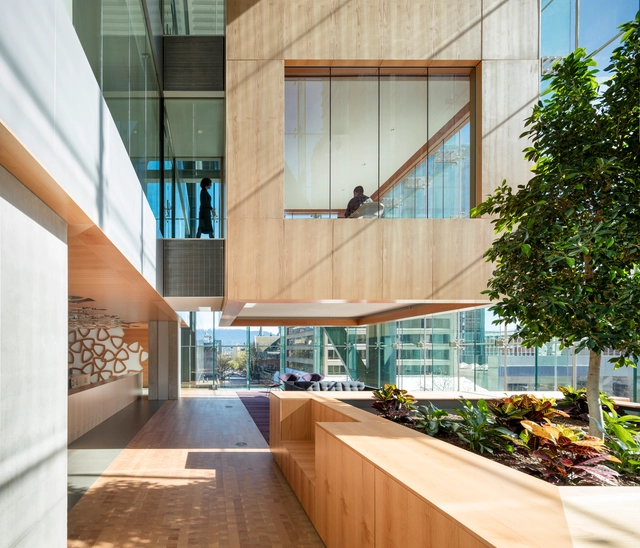
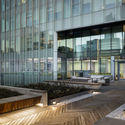
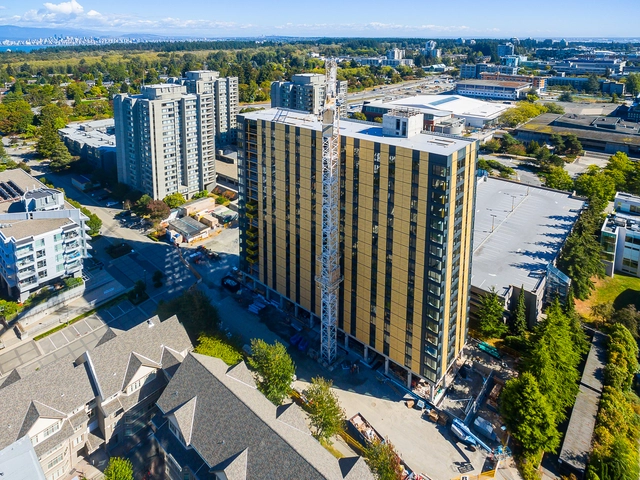
“Plyscraper,” “woodscraper,” call it what you will, but the timber age is upon us. Brock Commons Tallwood House, the recently completed student residence building at the University of British Columbia (UBC) in Vancouver, now occupies a prominent position within architecture: the tallest building with a timber structure in the world.
As anyone who has recently attempted apartment-hunting in a major urban area will know, reasonably-priced housing can be difficult to come by for many and salaries don’t always seem to match the cost of living. This gap is contributing to housing crises in developed and developing countries worldwide. People are simply being priced out of cities, where housing has become a commodity instead of a basic human right. Financial speculation and states’ support of financial markets in a way that makes housing unaffordable has created an unsustainable global housing crisis.
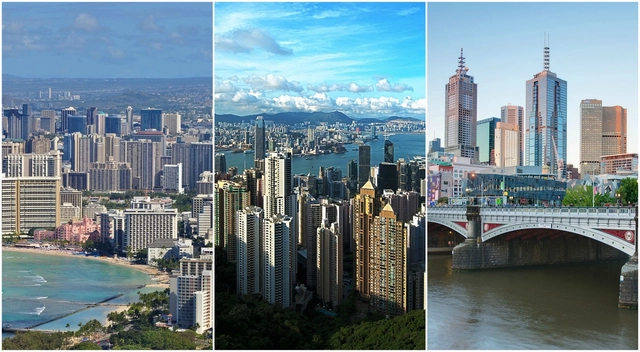
Earlier this year the 13th Annual Demographia International Housing Affordability Survey was released for 2017, revealing that the number of “severely unaffordable” major housing markets rose from 26 to 29 this year; the problem is getting worse. The study evaluates 406 metropolitan housing markets in nine of the world's major economies and uses the “median multiple” approach to determine affordability. By dividing the median house price by the median household income of an area, this method is meant to be a summary of “middle-income housing affordability.”
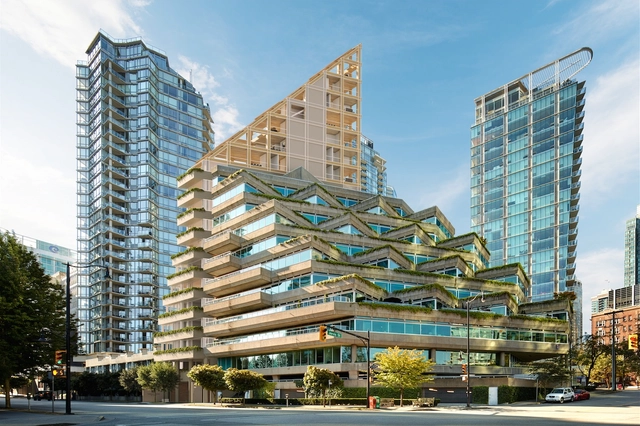
Terrace House (behind) with the Evergreen Building in the foreground. Image Courtesy of PortLiving
The design of the world’s tallest hybrid timber building, by Shigeru Ban Architects, has been revealed by Vancouver-based developer PortLiving. Named “Terrace House,” the project will be located in Vancouver’s Coal Harbour neighborhood, adjacent to the landmark-listed Evergreen Building, designed by late architect Arthur Erickson. The design of the “Terrace House” pays tribute to its neighbor, picking up the architectural language of triangular shapes, natural materials, and an abundance of greenery.
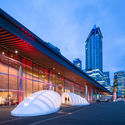
The pavilion's new location adjacent to Shaw Tower in Vancouver. Image Courtesy of Westbank
BIG’s Serpentine Pavilion is headed to North America, with plans for stops in New York and Toronto on its way to a new permanent home in downtown Vancouver. Purchased by Canadian developer Westbank, who also sponsored the project in 2016, the pavilion will come to a rest on a site adjacent to the company’s headquarters in Shaw Tower, spitting distance from the waterfront plaza where the 2010 Olympic cauldron is located.
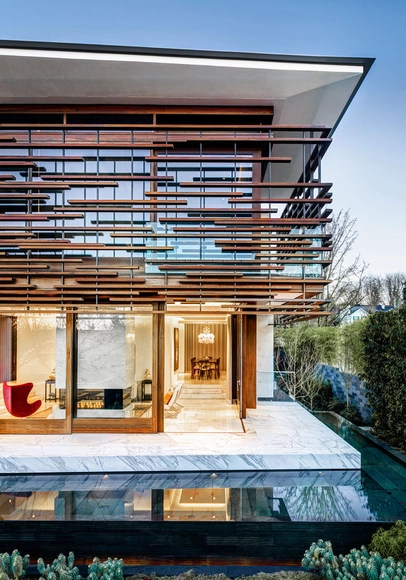
Manufacturers: Casa Dolce Casa, LA SCALA INTEGRATED MEDIA, Marble Art, Perspective Lighting, RAVI DESIGN/CURTAIN OTAKU, +4Rimadesio, Savant, Unison Windows, Vancouver Gas Fireplaces-4
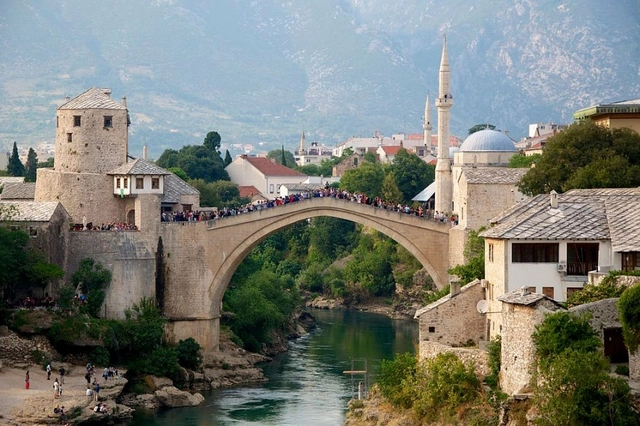
"The Old Bridge in Mostar, Bosnia and Herzegovina / Photo: ru.wikipedia.org". Image Courtesy of Strelka Magazine
This article, written by Svetlana Kondratyeva and translated by Olga Baltsatu for Strelka Magazine, examines the most interesting cases of the role of culture in sustainable urban development based on the UNESCO report.
UNESCO published the Global Report on Culture for Sustainable Urban Development in the fall of 2016. Two UN events stimulated its creation: a document entitled Transforming our World: the 2030 Agenda for Sustainable Development, which emphasizes seventeen global goals for future international collaboration, was signed in September of 2015 at the Summit in New York. Habitat III, the conference held once in twenty years and dedicated to housing and sustainable urban development, took place in Ecuador in October of 2016. The question of culture’s role in urban development, and what problems it can solve, was raised at both events. To answer it, UNESCO summarized global experience and included successful cases of landscaping, cultural politics, events, and initiatives from different corners of the world in the report.
Topping out two weeks ago, the structure of Brock Commons, currently the tallest timber structure in the world, is now complete. Measuring in at 18 stories and 174 feet (53 meters) tall, the building was completed nearly four months ahead of schedule, displaying one of the advantages of building tall buildings with wood.















.jpg?1491249084&format=webp&width=640&height=580)
.jpg?1491249078 "The pavilion's new location adjacent to Shaw Tower in Vancouver. Image Courtesy of Westbank")
.jpg?1491249065 "The pavilion in its original location at Kensington Gardens. Image Courtesy of Westbank")
.jpg?1491249058 "The pavilion in its original location at Kensington Gardens. Image Courtesy of Westbank")
.jpg?1491249071 "The pavilion in its original location at Kensington Gardens. Image Courtesy of Westbank")
.jpg?1491249084)