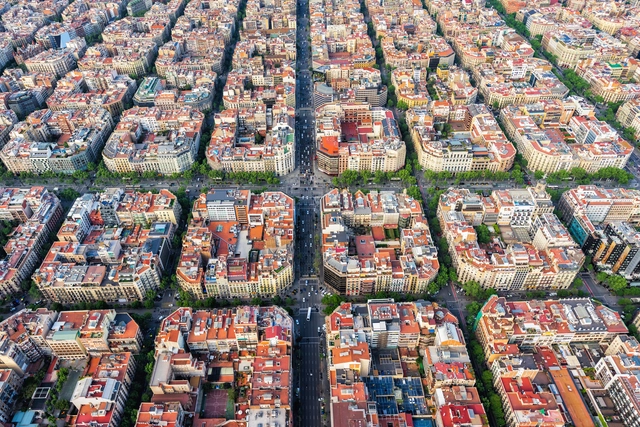
Aerial View of Barcelona. Image via Shutterstock/ By marchello74
City officials in Barcelona have found an incentive to help increase the city’s available rental housing units. Authorities are threatening to forcefully buy empty properties to create more affordable housing if landlords don’t manage to fill their vacant rental assets within a certain time frame.
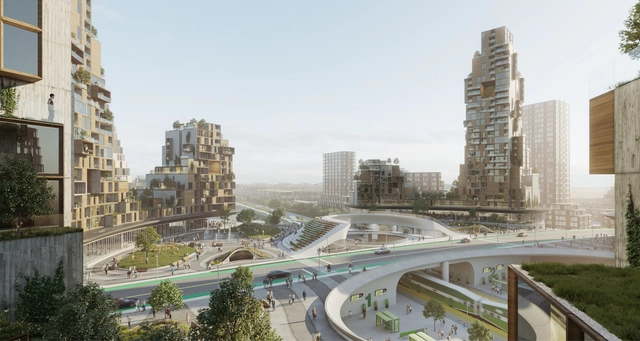
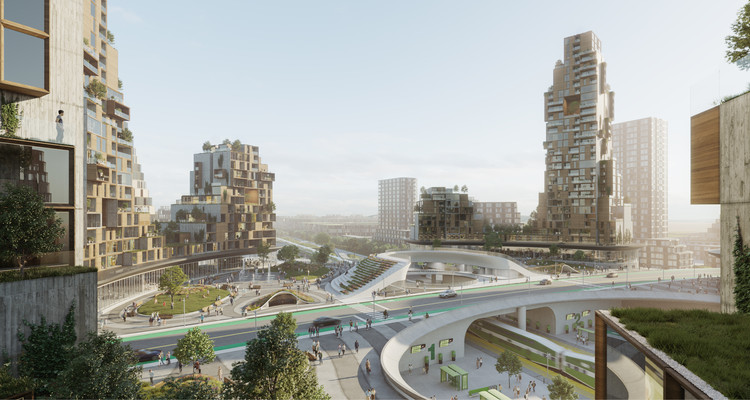
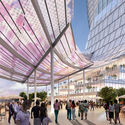
A new train station by Toronto-based architecture studio PARTISANS has been approved for The Orbit, Canada's city of the future project. Designed to be a new central neighborhood for the Canadian town of Innisfil, the station was made in response to the potential arrival of high-speed mass transit that connects to downtown Toronto. The Transit Hub aims for rapid and responsible growth, fostering sustainable development and preserving the core attributes of Innisfil's landscape and community.
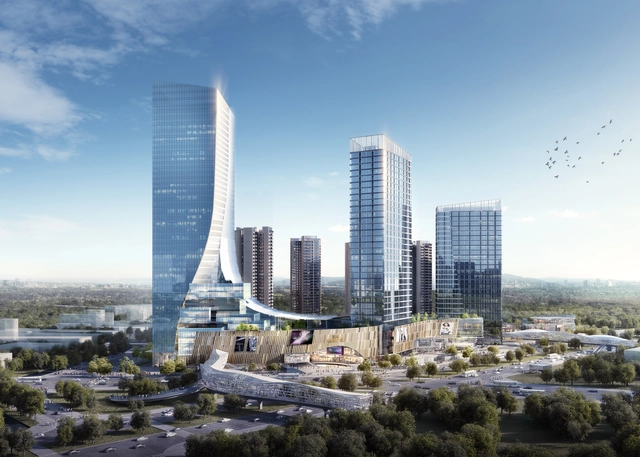
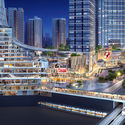
Ronald Lu & Partners, the leading TOD expert with over 60 TOD projects across China, is currently developing flagship Shunde ICC Country Garden Sanlonghui. Showcasing an upgraded TOD4.0 design concept, the mixed-use project generates “a harmonious relationship between people and the environment”.
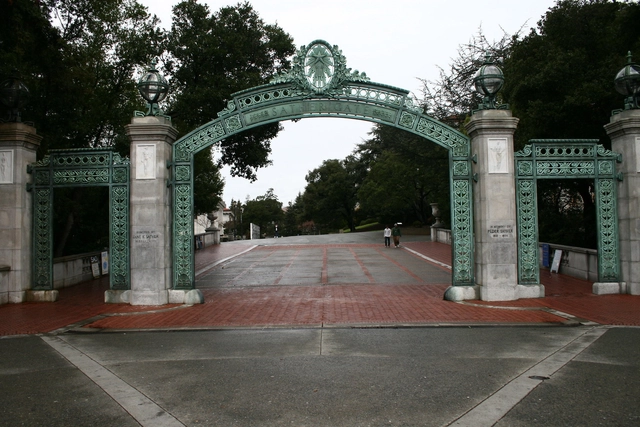
In March 2020, the Covid-19 pandemic shifted our university—the University of California, Berkeley—totally online, along with the whole of education from childcare up across the country and most of the planet. In the wake of this forced and unprecedented experiment, debates about what it means remain ongoing. Will the episodic dream of a placeless university, or at minimum a hybrid place/placeless one, come true? Millennia of experience argue for giving higher education a local, physical anchor. And most universities and colleges have this anchor as their starting place, even as they consider what their ongoing experience with virtual teaching, research, and administration means.
https://www.archdaily.com/943322/letter-from-berkeley-campus-planning-in-an-increasingly-virtual-worldEmily B. Marthinsen, John J. Parman, Richard Bender
Ronald Lu & Partners has announced the completion of phase one of Tianhui TODTOWN: China’s first transit-oriented development, after 13 years of collective effort. The project promoting sustainability, mass transit, and community in Shanghai, takes the concept of public transit-oriented development (TOD) important in the development of China’s urban areas to the next level.
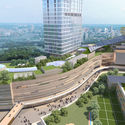
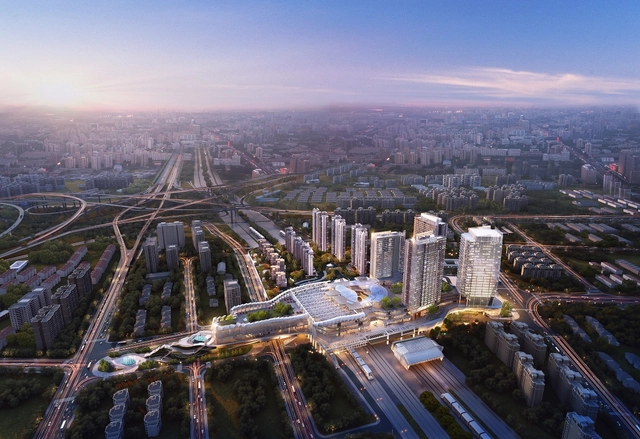
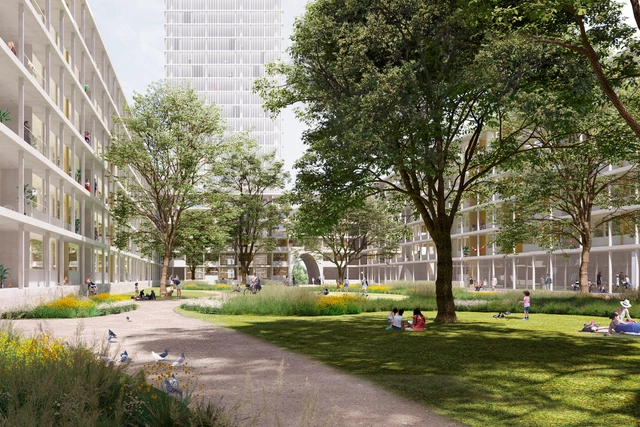
The PHVision Masterplan for Heidelberg in Germany has been approved by the City Council. Located on the site of the Patrick-Henry-Village (PHV) in Heidelberg, the 100-hectare development, designed by KCAP can now move forward, transforming the former military area into a new quarter, establishing the knowledge city of the future.
Stefano Boeri Architetti has unveiled its recent scheme for Tirana Riverside, in the Albanian capital. Tackling post-COVID 19 needs, the imagined neighbourhood, a first of its kind in Europe, is a technologically-advanced, green and sustainable novelty, designed in agreement with the Government and the City Authorities.
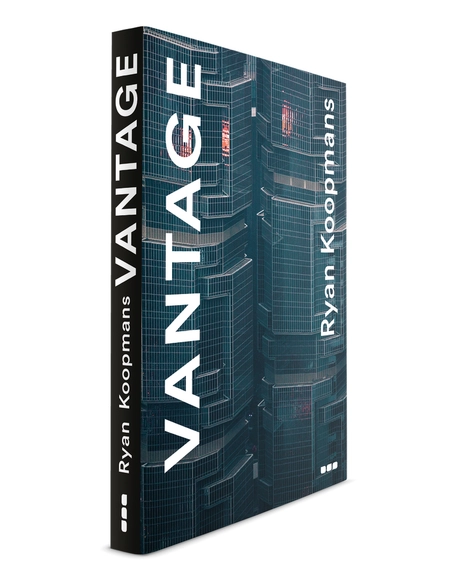
The first monograph of photographer Ryan Koopmans, an award winning Canadian/Dutch photographer whose work is exhibited and published across the world, Vantage explores the earth’s manmade structures, surreal architecture and megacities, evoking the insight and intrigue experienced from a travelling photographer’s perspective. Koopmans’ compelling photographs are presented alongside conversations with political leaders, business tycoons and local residents, providing a timeless vision of our world that is both contemporary and creative.
Videos
the city of Homs in Syria. Image via Shutterstock/ By Fly_and_Dive
In a world devastated by war and destruction, new ideas for future reconstruction of cities are emerging. The latest technologies are creating opportunities to shape better built environments and better urban experiences. While the world has had its fair share of failed attempts of post-war reconstruction, the 21st century is promising concepts more in touch with culture, integration, and sustainability.
As we all know, technology is the game-changer of this century. It has ultimately modified how we design and build, and with the development of Artificial Intelligence, boundaries have been pushed furthermore. Able to transform the environment we live in, AI can also help shape a better version of the environment we have lost.
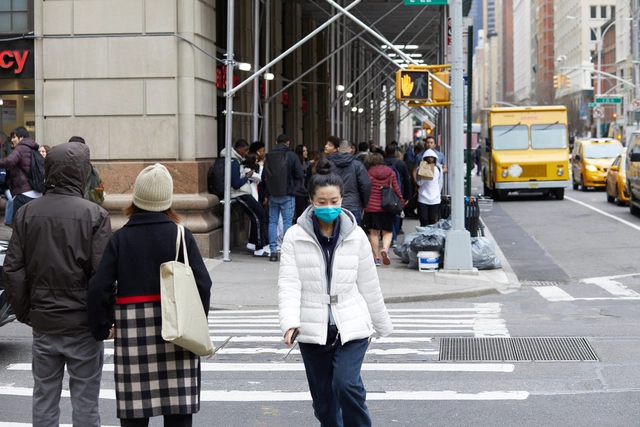
New York, NY / USA - March 12, 2020. Image via Shutterstock/ By hector de jesus
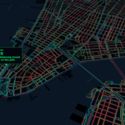
As social distancing becomes the new norm in the fight against COVID-19, people are finding it harder to keep up with the six-foot rule in dense cities. Urban Planner Meli Harvey developed a map of New York that shows the width of sidewalks in the city, aiming to highlight public areas where social distancing can be maintained.
David Chipperfield Architects with Wirtz International Landscape Architects have won an urban competition in Berlin to convert the abandoned industrial and production site Georg-Knorr-Park into a lively residential and commercial neighborhood.
In all its multiple meanings the word heritage refers to what we inherit from the past, both in material and immaterial sense.
Some authors speak about heritage as a sense of past, meant as a form of past self-awareness, as a collective experience and as an essential dimension of a culture. Some other authors believe that the idea of heritage deals with the ability to put the contemporary human signs into a historical perspective, so developing a sense of place, that is the place’s value and meaning. Therefore, heritage can be intended as a sense of past and sense of place together. The heritage’s existence itself lies in the ability to read/interpret the sense of belonging of something inherited from the past to a specific place, as well as in the shared need to preserve and deliver it to future generations.
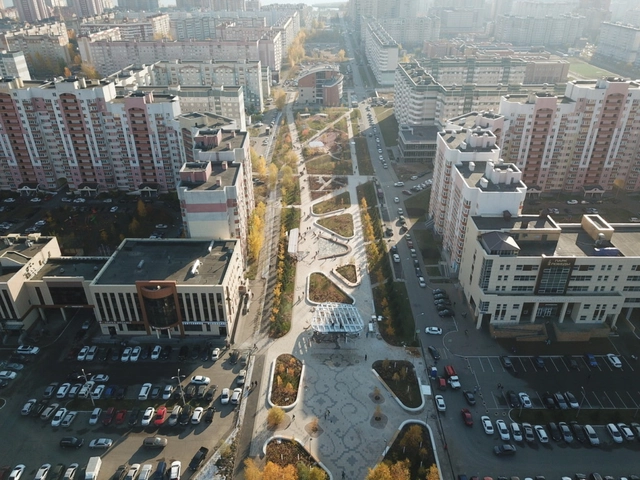
The newly landscape White Flowers Boulevard park in Kazan. Image Courtesy of Foundation Institute for Urban Development of the Republic of Tatarstan
Costing less than glitzier parks in Moscow, the Tatarstan initiative is revivifying the local design and manufacturing bases with a "teach a man to fish" approach.
In places without an established design force, there have historically been two opposing approaches at play: hire experts from abroad or nurture a local design community, a la “give a man a fish or teach him how to fish.” In the Russian republic of Tatarstan, located at the intersection between Europe and Asia, a recent Public Spaces Development Program has created over 350 parks in five years—by choosing the latter approach.
The annual Council on Tall Buildings and Urban Habitat's (CTBUH) Tall + Urban Innovation Conference explores and celebrates the very best in innovative tall buildings, urban spaces, building technologies, and construction practices from around the world. Incorporating what was previously known as the CTBUH Annual Awards event, this conference sees the owner/developers, design, and engineer teams for 50+ Awarded projects present in front of an international audience and live juries for winning distinctions across several award categories. Hot topics in the building industry will also be explored through presentations in project rooms.
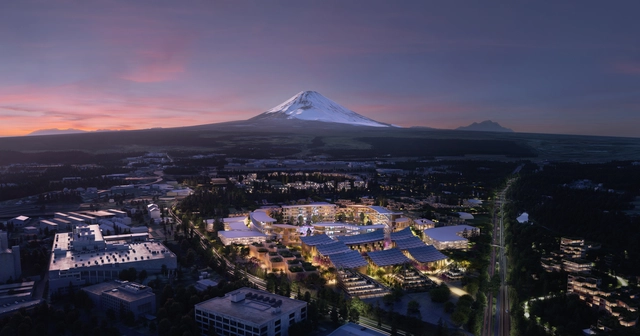
BIG unveiled its latest intervention, the Toyota Woven City, the company's first venture in Japan. Nestled at the foothills of Mt. Fuji, the project, in collaboration with Toyota Motor Corporation, is the world’s first urban incubator pushing forward the development and progress of mobility.
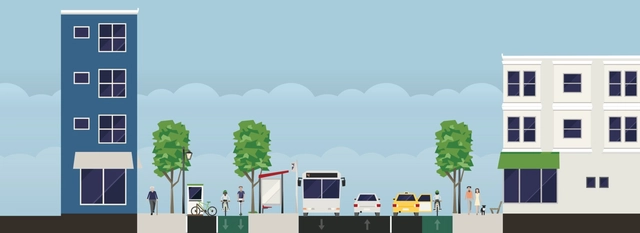
Used in Mexico City and in Reno, Nevada, Streetmix allows users to experiment and participate in the design of their streets. This bottom-up approach is a participatory tool that can include everyone in the decision making, without particular technical knowledge.



_KCAP_PHV_Zentrum.jpg?1592834532&format=webp&width=640&height=580)
.jpg?1591114518&format=webp&width=640&height=580)














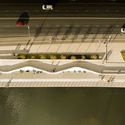
.jpg?1580468377 "An embankment on Kaban Lake in Kazan, Tatarstan’s capital city. Kaban consists of three lakes stretching north to south, with connected ducts. These are the largest in area in Tatarstan. The concept of this project was based on the creation of a single Kaban Lakes Water Park, uniting the three lakes’ embankments.. Image Courtesy of Foundation Institute for Urban Development of the Republic of Tatarstan")