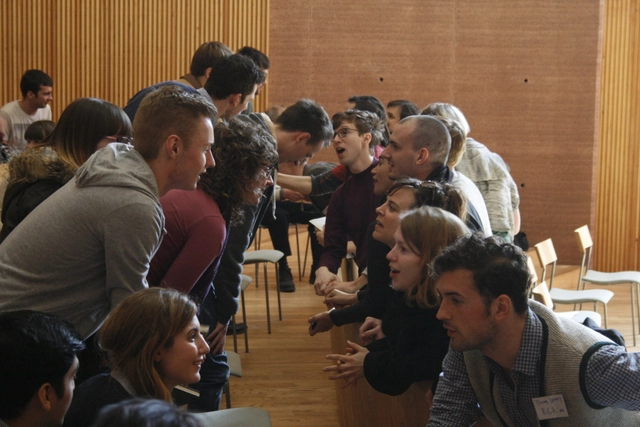
Lines Drawn, the latest gathering of student delegates by the Architecture Students Network (ASN), recently met at the Centre for Alternative Technology (CAT) to discuss the future of architectural education. Seventy RIBA Part 1, 2 and 3 students (including those on their placement years) from across twenty two schools of architecture gathered together to address and unify their voice in calling for improvements to the current pedagogy of UK’s architectural education to reflect a changing society.
The weekend conference provoked questions surrounding the merits and pitfalls of the Part 1, 2 and 3 British route to qualification, raising aspirations of a more flexible education system. Sparked by the latest directive from the European Union (EU), which seeks to "establish more uniformity across Europe by aligning the time it takes to qualify" and by making mutual recognition of the architect's title easier between countries, the discussions centred around how architecture students' opinions can be harnessed at this critical moment of change to have voices heard.
Continue reading for ArchDaily's exclusive pre-coverage of the ASN's report.
In a symposium to be held this week at the Manchester School of Architecture, Contextualism: Dead or Alive? will explore the importance of contextualism in contemporary architecture. Five key speakers will be featured, presenting papers discussing context both in its purest theoretical form and how it might be addressed in practice. From debating the significance of building traditions (Jonathan Foyle) to how Mecanoo, who recently completed the Library of Birmingham, have approached contextualism in the UK (Ernst ter Horst), the symposium will endeavor to uncover the ties between architecture and the wider urban realm.
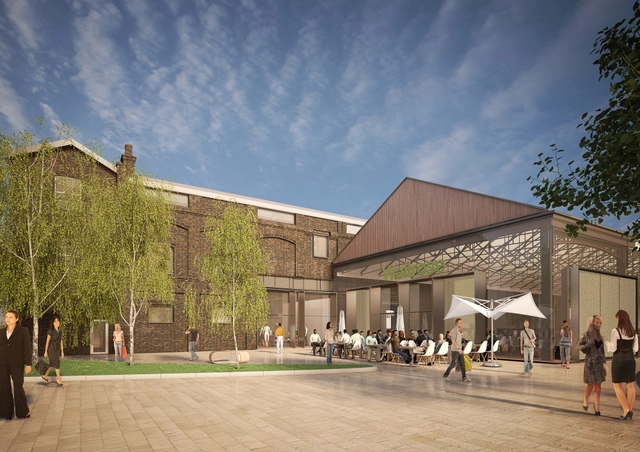
Bennetts Associates has revealed plans for the latest development in London's King's Cross. Their proposal for a sensitive heritage conversion to "breath new life into a disused Victorian building" will house a new supermarket and cookery school, as well as an events and cultural space. As part of the ongoing transformation of one of London's central districts which has recently seen the completion of John McAslan'sstation concourse, Stanton William'sCentral Saint Martins, and an office proposal from David Chipperfield, Bennetts Associates' designs aim to reinvigorate the historic Midland Goods Shed.
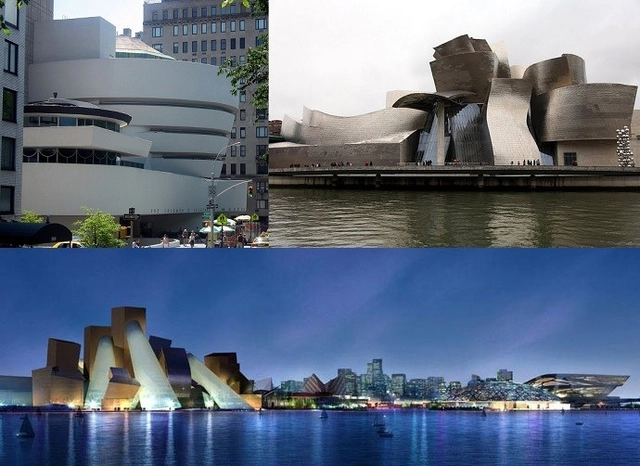
As part of his strategy to solidify the "Olympic Legacy" of East London, Mayor Boris Johnson has recently been focusing on providing the Queen Elizabeth Olympic Park with a little more diversity in its buildings, placing an emphasis on bringing cultural institutions alongside the sports buildings. Now, alongside the V&A's plans for new galleries and University College London's proposed design school and cultural centre, The Art Newspaper reports that Johnson is out to grab a headline attraction: London's own Guggenheim.
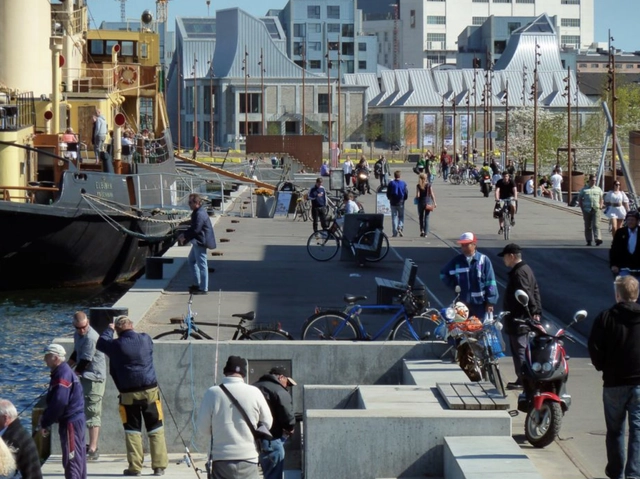
The Civic Trust Award scheme, established in 1959 to recognise "outstanding architecture, planning and design in the built environment", has revealed their 2014 recipients. The thirty one projects, ranging from urban masterplans on the former London 2012 Olympics site to a waterfront landscaping project in Aalborg, have all been recognised for their "positive contribution to the local communities that they serve." See all of the recipients of the 2014 award here.
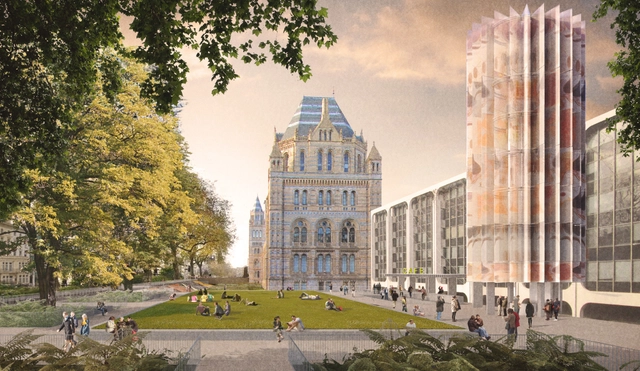
Following the news last year that five teams had been shortlisted to redesign and reimagine the grounds of London's iconic Natural History Museum (NHM), five anonymous concept images have been unveiled. The brief called for proposals to "reshape the Museum’s grounds and reinvigorate its public setting" with an aim to creating "an innovative exterior setting that matches Alfred Waterhouse’s Grade I listed building and the award-winning Darwin Centre for architectural excellence, whilst also improving access and engaging visitors."
Read on to see the competing teams, including individual concept images from BIG, Stanton Williams and Feilden Clegg Bradley.
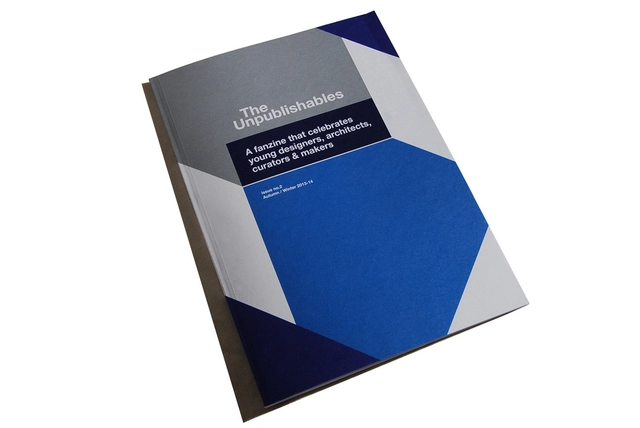
The Unpublishables, an independent architectural fanzine based in the UK, seeks to offer a platform for young architects - as well as designers and makers - to publish their own writing. About to launch their second edition, the zine has provided an outlet for ideas of young people who have the commitment and vision to develop their own design philosophies, polemics and research outside of full-time education or employment.
Eight multidisciplinary teams have been selected to move forward in the second stage of competition to design the UK Pavilion for the 2015 Milan Expo. Drawing inspiration from the theme “Grown in Britain: Shared Globally,” the teams will now envision proposals that showcase Britain’s contribution in research, innovation and entrepreneurship to the global challenges addressed by the overarching exposition theme, “Feeding the Planet, Energy for Life.” Presentations will commence mid-April and a winner will be announced in May. View the selected teams, after the break.
The Finnish Institute in London and The Architecture Foundation have unveiled Viewpoint, a floating platform on Regent's Canal in the centre of Camley Street Natural Park, London. Designed by Erkko Aarti, Arto Ollila and Mikki Ristola of Finnish practice AOR, the platform will be operated by the London Wildlife Trust. The permanent structure is intended to bring visitors to London's most central nature reserve, connecting them with the wildlife of the park and the Regent’s Canal. In addition, it will also provide the park with an additional workshop space and learning facility, becoming "an architectural focal point of King’s Cross."
As an accompaniment to their ongoing Sensing Spaces Exhibition in London, the Royal Academy of Arts has produced six wonderful films interviewing the architects involved in the exhibition, unearthing what motivates and inspires them as architects, and what the primary themes of their exhibition projects are.
The above video features both Álvaro Siza and Eduardo Souto de Moura, who both designed their Sensing Spaces exhibits with the other in mind. Siza explains his preoccupation with the joints between the natural and the man-made through his Leça Swimming Pool complex, and the way the rock formations informed his interventions. He also introduces his one-time protégé Souto de Moura's Braga stadium as expressing the same understanding of the natural and man-made.
See videos from the 5 other Sensing Spaces participants after the break
Thomas Heatherwick and Arup's plans for a new, 367-meter long ‘Garden Bridge’ that will span the river from Temple to the Southbank (more renderings at http://www.archdaily.com/389848/thomas-heatherwick-designs-garden-bridge-in-london/). Image Courtesy of Arup
Together, these events indicate that our government does not understand our profession. Genius minds may be called upon to make exceptional contributions to a built environment that otherwise need not be exposed to such frivolity and impracticality. And yet, every day architects make practical decisions that lead to great buildings. It’s about time the politicians here in the UK and abroad listened to a very ‘practical’ profession.
In this intriguing and often insightful two-part interview with Section D, Monocle's weekly design radio show, Sir Terry Farrell discusses at length the findings of his review into UK architecture as well as his views on the current state of architecture in the UK and the world. Looking to the future of the profession, Farrell says he sees architects as one of the key contributors to the world's social future: "We live in what we've built, we're an urban-building creature... I call it the urbi-cultural revolution."
Read more about the interview, and listen to both parts of the interview, after the break
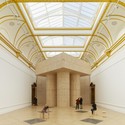
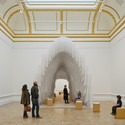
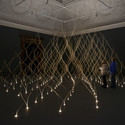
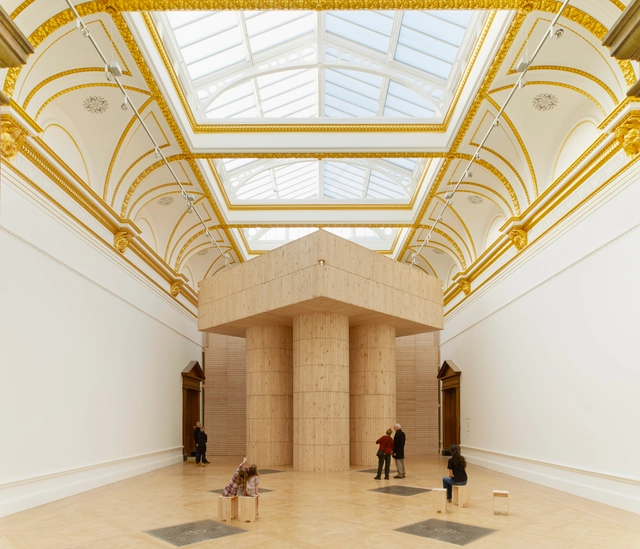
This past week London’s Royal Academy of Arts (RA) celebrated the opening of, what many claim to be, one of the most “epic” and “enchanting” exhibitions of 2014: Sensing Space: Architecture Reimagined. With a series of large scale installations by some of profession’s most acclaimed architects, such as Eduardo Souto de Moura, and Kengo Kuma, the immersive exhibition creates an atmosphere that encourages visitors to become part of the experience and open their minds to the sensory realm of architecture.
"Architecture is so often the background to our lives," stated curator Kate Goodwin. "We often don't think about it - it's practical and functional, but when does it do something more?"
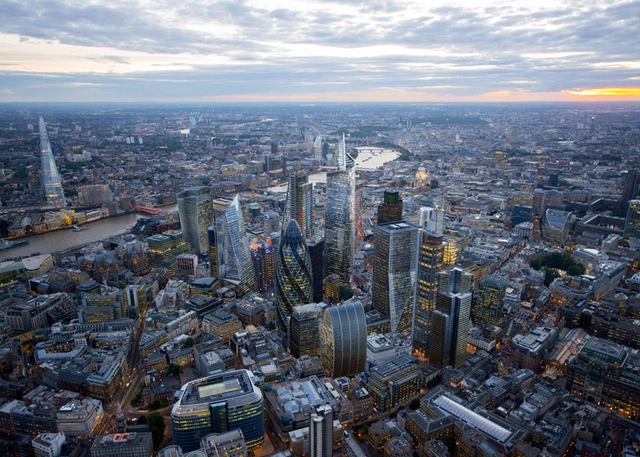
London’s skyline is currently going through a massive change. Over 200 towers are planned in the capital in an attempt to meet the needs of the capital’s growing population. So how will London’s skyline change in the next 20 years?
This April, New London Architecture (NLA) – London’s Centre for the Built Environment will explore this new skyline with London’s Growing... Up! Through the use of images, video, models, CGI’s and visitor interaction, the exhibition will present a past, present and future view of London’s skyline as the capital’s developers focus on building upwards rather than outwards.
The British Government will showcase Britain’s distinctive qualities of creativity and enterprise to millions of international visitors through the UK Pavilion at Milan Expo 2015.