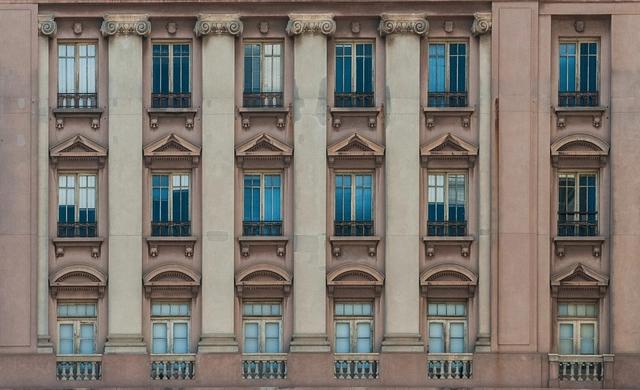
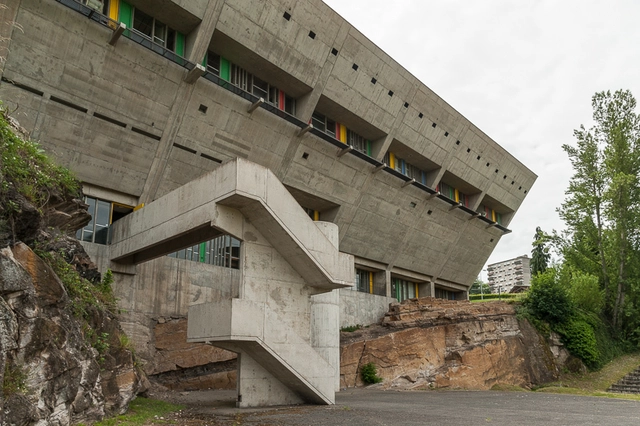
Martinelli Building. Photo: Wilfredor, CC BY-SA 4.0 , via Wikimedia Commons
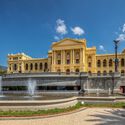
World Tourism Day is observed every year on September 27th. Tourists create itineraries based on a wide range of interests, such as architecture, gastronomy, or natural beauty, which are the most common choices. However, some travelers seek out hints of mystery and places with haunting histories. In a city as rich in stories as São Paulo, it's not hard to discover locations with a past marked by unsettling events, which have now been repurposed into cultural attractions, enriching the tapestry of the city's society.
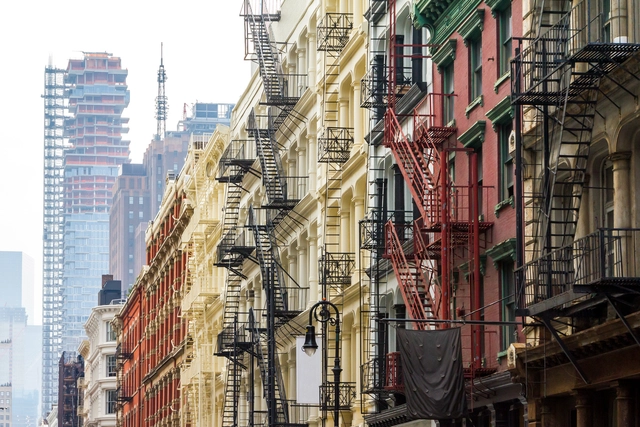
New York City’s Local Law 18, also known as the Short-Term Rental Registration Law, came into effect on September 5, changing the way in which short-term apartment rentals operate in the city. The new local legislation dictated that from now on, short-term rental hosts in the city must register with the Office of Special Enforcement (OSE) to obtain a license, and rentals are only allowed if the host lives in the place and is present for the duration of the guest’s stay. The number of guests is also limited to just two, and the duration is limited to 30 days. The legislation is not an explicit ban on platforms such as Airbnb, but the strict regulations make it almost impossible for the service to continue its activity.
Tourist facilities are a significant architectural program as they not only provide essential amenities for travelers but also encapsulate the cultural essence of a destination. Resorts and hotels experiment with ideas of comfort and leisure, restaurants bring visitors into the local culinary culture, while wineries merge craftsmanship, tradition, and modernity. Visitor centers are another facility often provided for travelers, serving as gateways to exploring the city. Besides their flexible program, these architectural interventions most often strive to relate and harmonize with the local context to enrich the narrative of the space and create a memorable experience for every visitor.
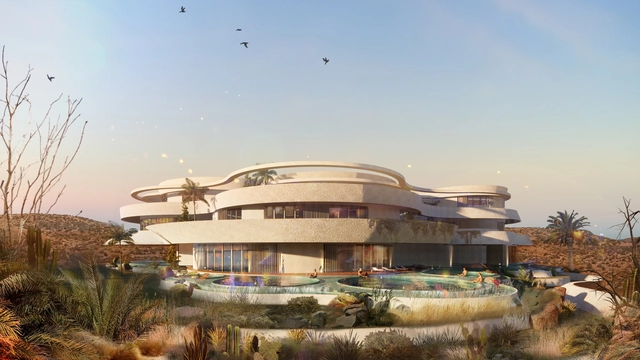
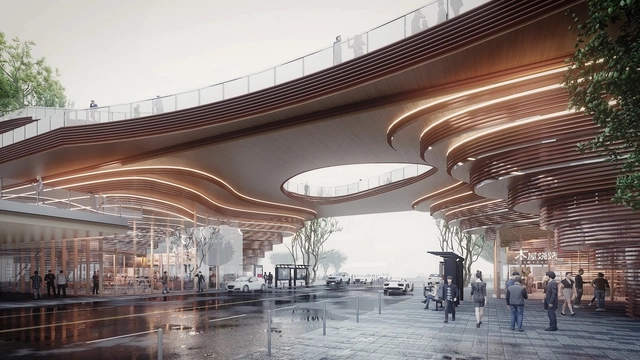
This week's curated selection of Best Unbuilt Architecture highlights projects submitted by the ArchDaily community that showcase various amenities dedicated to tourists, from wine cellars, specialty restaurants, and visitor centers to isolated camping sites in the mountains or lavish spa hotels in the arid areas of the Middle East. Featuring projects from emerging and established architectural offices such as Melike Altınışık Architects, Lockhart Krause Architects, MUA, and OMBI Innovation Lab the selection includes a wide range of programs and scales, showcasing designs that rethink conventional tourist facilities while establishing a connection with their surroundings and cultural context.
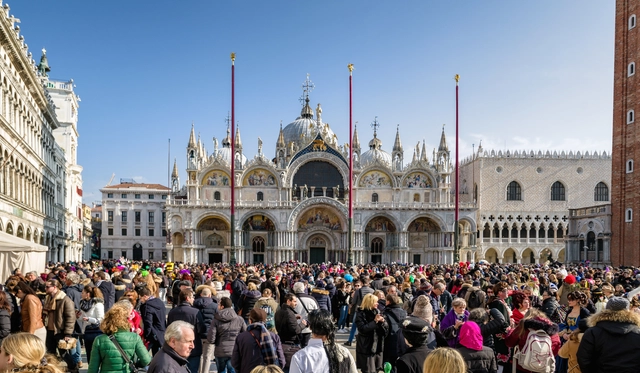
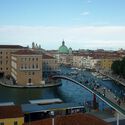
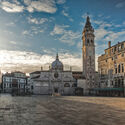
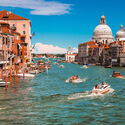
Since pandemic-imposed restrictions have been lifted, Europe has experienced a surge in tourism, with millions of people visiting some of its most attractive destinations, such as Venice, Barcelona or Paris. The large number of visitors has proved to be a challenge for the cities, creating overcrowding and affecting the local population, urban development, and even the natural ecosystems surrounding the urban areas. In a bid to limit this influx, some of Europe’s most popular cities are taking various measures to address the overcrowding and the subsequent social and infrastructural issues. The measures include fines, entrance fees, and time-slot systems to impose some restrictions.
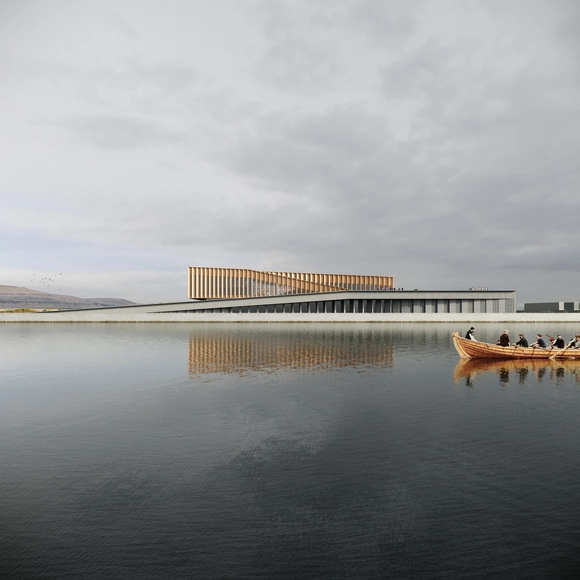
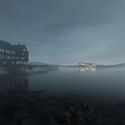
Henning Larsen has just revealed the design for Smyril Line's new headquarters and ferry terminal in Torshavn, the capital of the Faroe Islands. The building pays homage to traditional Faroese fishing boats and the historic Eastern harbor while embracing the picturesque backdrop of abundant landscapes and open seas. The new headquarters serves three functions: a ferry terminal, an office building, and a logistics center.
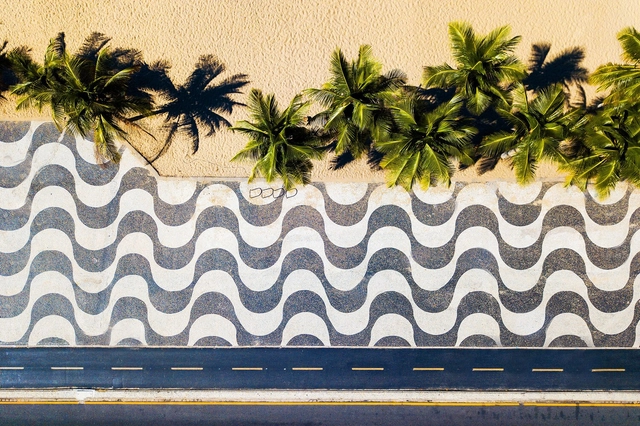
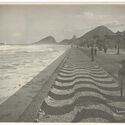
The Copacabanacalçada (Copacabana sidewalk) is one of the greatest symbols in the stunning landscape of Rio de Janeiro. What not everyone knows is that its history (and design) precedes the intervention of Roberto Burle Marx in the 1970s. The origin of the design, as well as its stones, is Portuguese.
As one of the major signature events taking place in connection with Copenhagen as the UNESCO World Capital of Architecture in 2023, Open House Copenhagen has revealed more than 50 sites included in its program. The event represents an invitation for visitors to take a look inside iconic buildings that are typically only visible from the outside. Included in the list are examples of floating architecture on Refshaleøen, one of Arne Jacobsen’s masterpieces, along wth unusual spaces such as the interior of a power plant or an underwater passage tunnel. Open House Copenhagen takes place on the weekend of March 25–26 2023. The event is open for everyone and is free of charge, but registration is required.
Summer, school holidays, and the desire to swim in the sea. A visit to the Brazilian coast at this time of year is a great idea for a variety of reasons. Thinking about its vast diversity, we selected some hotels arranged in different states that, in their projects, bring different ways of dialoguing with the context but also give comfort and leisure to their guests.
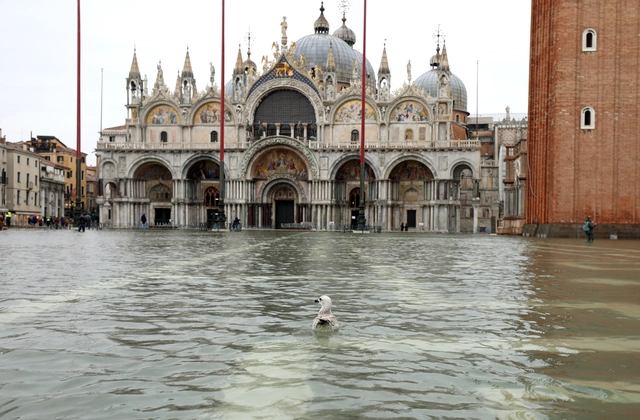
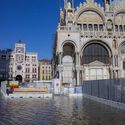
St. Marks Square (Piazza San Marco) during flood (acqua alta). Image via Shutterstock | Ihor Serdyukov
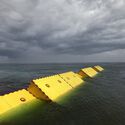
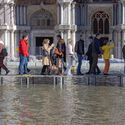
The Italian city installed glass barriers around the 900-year-old church to keep the waters out. The decision was made after near-record flooding in December 2022, preventing a repeat of the November 2019 near-catastrophe that aged parts of the building “20 years in a day,” according to Basilica’s Procuratoria governing body. The temporary structure is fixed until the MOSE system fully works by the end of 2025, protecting the city of Venice, Italy, and the Venetian Lagoon from flooding.
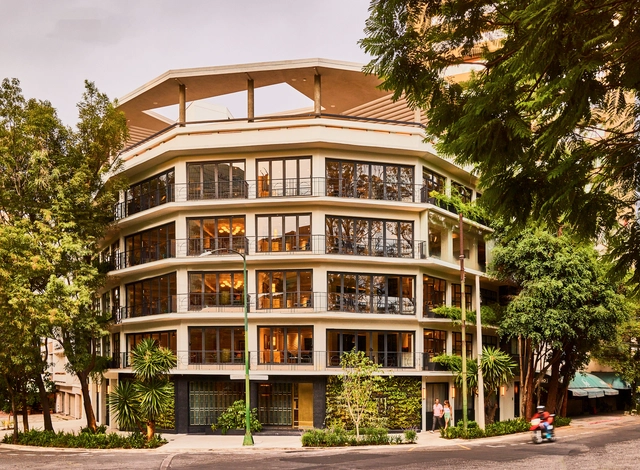
As part of a new concept that offers a proposal of tourism and rest, in an art deco building, Campos Polanco opened its doors in September of this year. Located in front of the Garden of the Republic of Lebanon on one side of the Chapultepec Forest in Mexico City, the project puts in place 12 suites created for executives and digital nomads looking to get away from chain hotels to immerse themselves in the local culture in one of the most exclusive areas of the city.
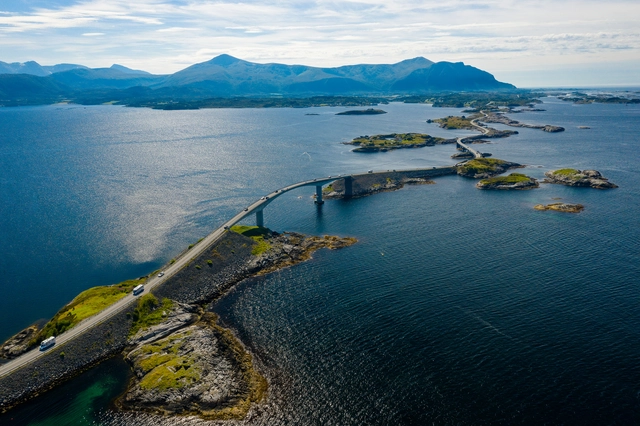
Along coasts and fjords, mountains, and waterfalls, Norway's National Tourist Routes traverse the country's most unique natural landscapes. They are 18 roads that are intended as alternative experiences to the main roads, with rest stops and remote viewpoints that were developed over nearly three decades by some 50 architecture and landscape offices.
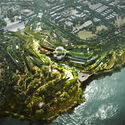
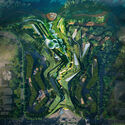
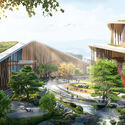
Büro Ole Scheeren has designed a new campus and experience center located in the historical city of Yibin, a region known for its rich cultural heritage and the geographical source of the Yangtze River. The campus was commissioned by Wuliangye, one of China’s leading winemakers. The project represents a large development inspired by the shape of a natural canyon, with two dynamic parallel structures defining a central space. On either side of this structure, called the Wuliang Interstice, are the Wuliangye World and the Wine Culture Exhibition Center respectively. Wuliangye World is an experience center where visitors can engage with the tradition of winemaking, while the exhibition center tells the story of wine culture through a series of themed exhibition halls.
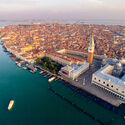
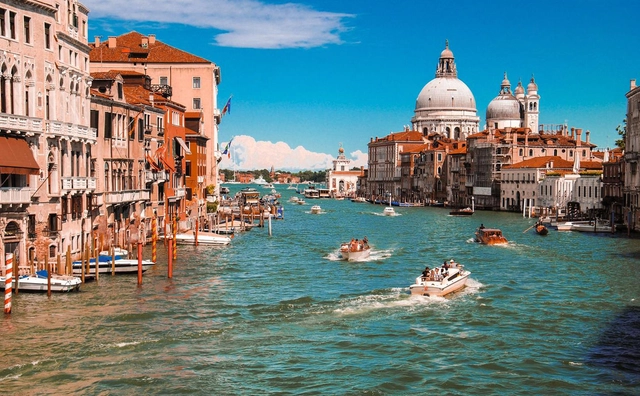
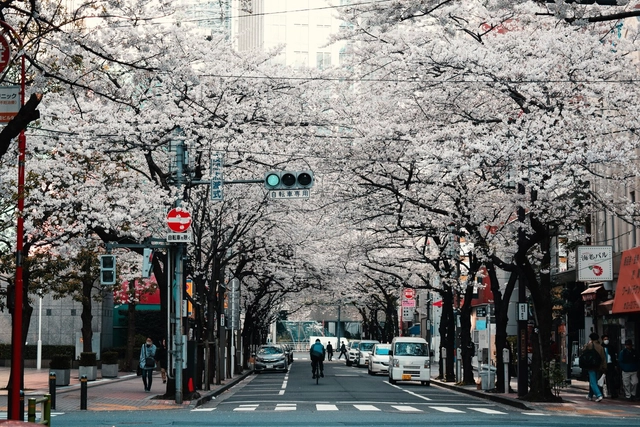
Following several initiatives to tackle the tourism and architectural heritage crisis, Venice authorities have announced that as of January 16th, 2023, visitors will have to book a visiting slot and an entrance fee to see the historic canal city. The newly proposed ticketing system, which is claimed to be the first of its kind in the world, hopes to control its "over-tourism" crisis, a challenge that has been affecting the lagoon's ecosystem, urban development, and local population.
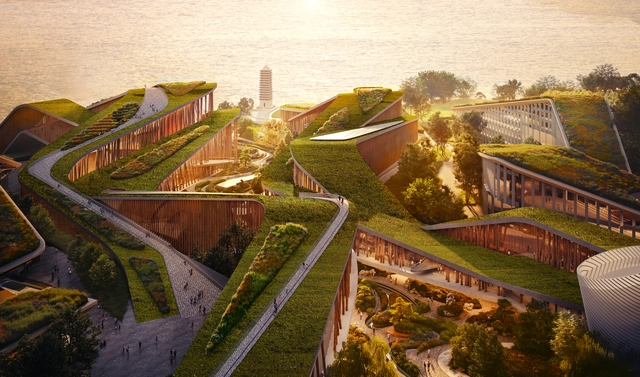
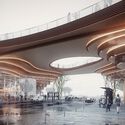
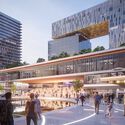
Aedas has unveiled the design of the Hangzhou Yun He Wan International Tourism and Leisure Complex in Hangzhou, China. Located in the southern area of the Grand Canal New Town in the Gongshu District of Hangzhou, the site is the first phase of a larger project, starting off as a vibrant international tourism and leisure complex that highlights the waterfront of Yun He Wan and the historical remains of the nearby industrial pier.
The Covid-19 pandemic has been going on for over a year now, so people have consequently been traveling less, and tourism has slowed down all over the world. But that doesn't mean we still can't get to visit faraway places. Since the beginning of the lockdown, several museums and organizations have been preparing virtual tours that allow users to explore their spaces through digital immersion. With that in mind, here are four different ways for you to explore places without leaving your home.
Le Corbusier was a pioneer of the Modernist Movement in architecture. Throughout his career, he undertook an array of projects all around the world. See below for 17 of his works that have been named World Heritage Sites by UNESCO, as well as many more of his other popular pieces. Hopefully, someday you get to go and see them yourself!
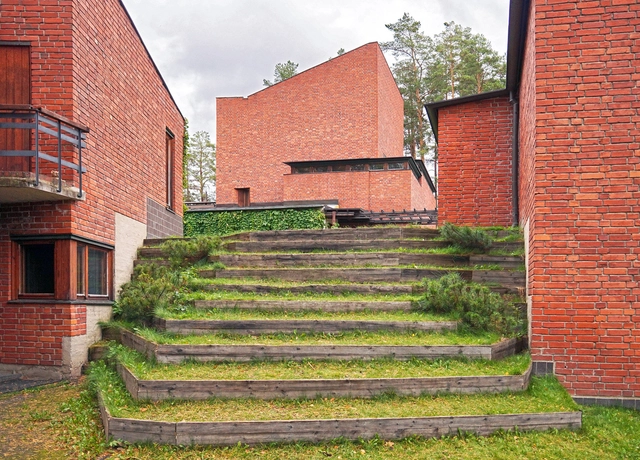
Finnish architect Alvar Aalto was a pioneer of modern architecture and design, especially in his use of organic, naturally derived materials. When he decided to embark on a career as an architect, he traveled to Helsinki, the only place where he could find academic training in the profession. His journey did not end there, however, as his work can be seen around the world. Here, we have mapped out 20 of his most notable works that must be seen up close and in-person to truly be appreciated.
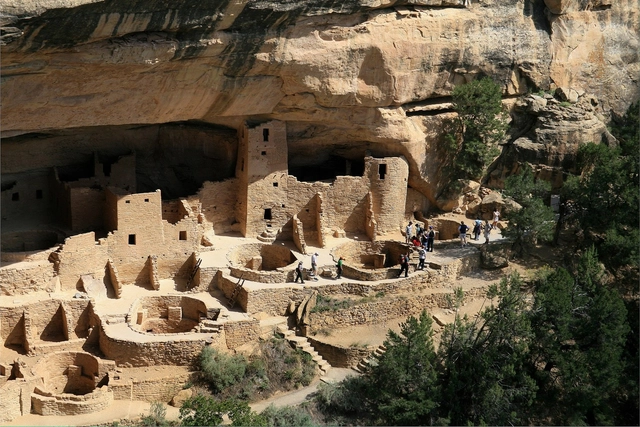
The world is home to thousands and thousands of national parks – spaces allocated for conservation, hosting land usually left in its natural state for people to visit. The term “national park” itself differs in meaning around the world. In the United Kingdom, for example, the phrase simply describes a relatively undeveloped area that attracts tourists. In the United States, this terminology is a lot more rigid, describing 63 protected areas operated by the United States National Park service.