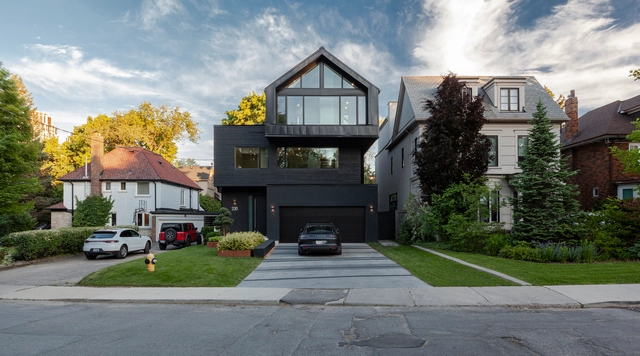




-
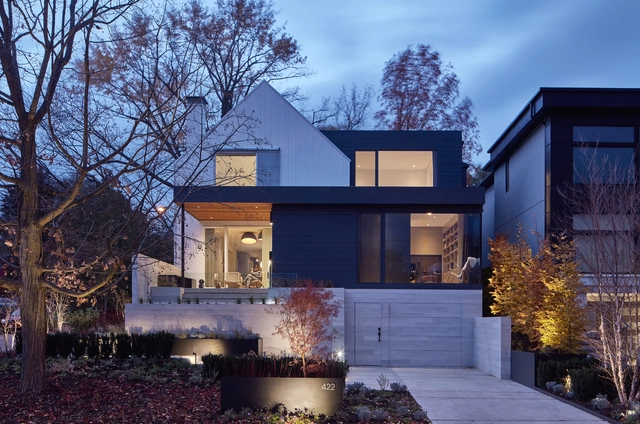
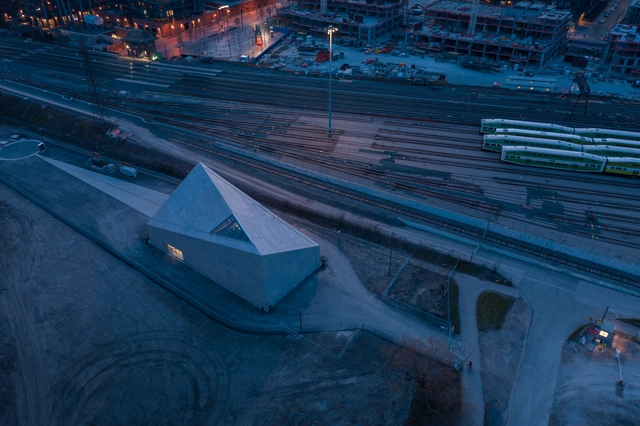
Architects: Atelier RZLBD
- Area: 510 m²
- Year: 2022
-
Professionals: Recon Consulting, McCallum HVAC Design Inc.
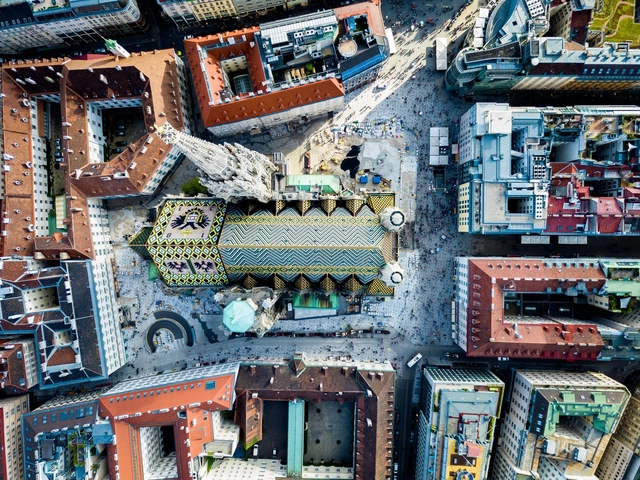
Vienna in Austria has topped the rankings of The Economist Intelligence Unit (EIU) 2022 Global Liveability Index, gaining back its previous position from 2019 and 2018, mostly for its stability and good infrastructure, supported by good healthcare and plenty of opportunities for culture and entertainment. Western European and Canadian cities dominated the top positions with Copenhagen, Denmark in second place and Zurich, Switzerland, and Calgary, Canada in third place. Adding 33 new cities to the survey, one-third of which are in China, bringing the total up to 172 cities, the classification excluded this year the city of Kyiv, due to Russia’s invasion of Ukraine.
Classified across 5 categories, stability, healthcare, education, culture and the environment, and infrastructure, the index was largely driven by the covid-19 pandemic. While covid-19 restrictions have eased in big parts of the world, liveability rankings started resembling “those seen before the pandemic”, however, the global average score remained below the pre-pandemic time. Although covid-19 has receded, a new threat to liveability emerged when Russia invaded Ukraine this year.
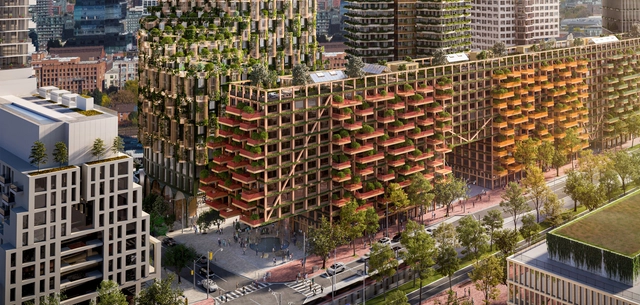
As more smart cities make their way across the globe, whether it being in countries of the Far East, Latin America, or the Middle East, Toronto is stepping back from the smart city bandwagon, and reassessing its substantial contribution to the community. The Canadian city, which ranked 15th on Global Finance's ranking of the world's best cities to live in for the year 2022, plans on "killing the smart city forever", especially after Quayside's controversial cancellation reasons, questioning its lack of privacy, necessity on an urban scale, and whether people truly want to live in a tech-driven environment.




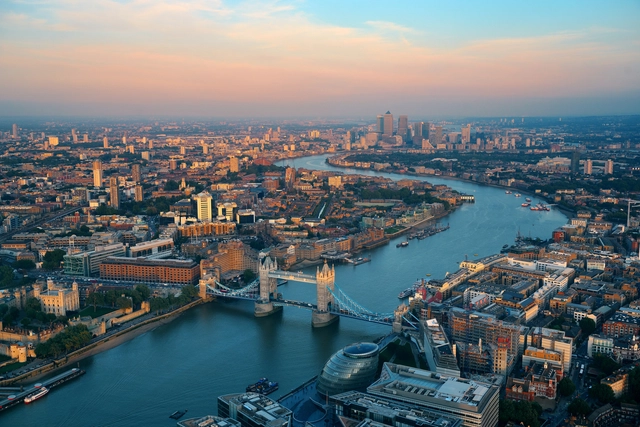
Global Finance's ranking of the world's best cities to live in, during 2022 has just been released. Centered on 8 different parameters that calculate and compare the quality of life of people living in urban areas such as economy, culture, population, environment, etc., this year’s edition also took into consideration Covid-19 deaths per thousand for each country, to reflect the new reality we live in. With data from the Global City Power index, Johns Hopkins University, Statista, and Macrotrends, the list seeks to have a complete vision, putting together traditional metrics with new factors.
Claiming the first position is London, U.K, a city that although didn’t get high rankings in its Covid-19 metrics, still topped the list, mainly due to its scores in culture, accessibility, and population growth. Tokyo was selected for the second position, showing weakness in one parameter, population, as its numbers have been declining for the past 10 years. Shanghai followed next, in the third position, because of relatively low Covid-19 death figures and strong population growth. Singapore and Melbourne came in 4th and 5th positions.
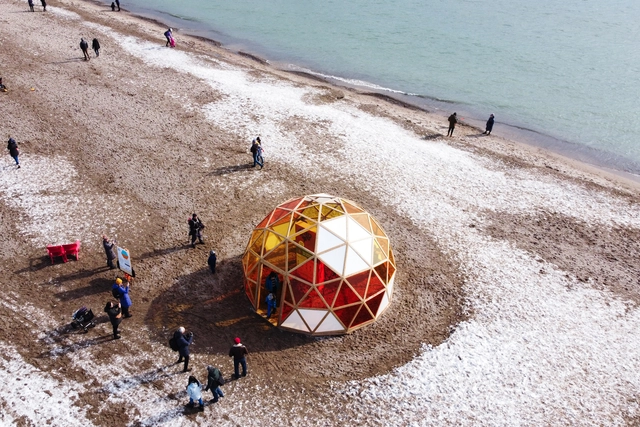
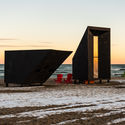
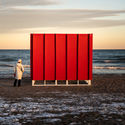
The 2022 winter stations competition revealed its 3 winning projects, selected from worldwide submissions alongside three student designs from Ryerson University, University of Toronto, and the University of Guelph. Back for its eighth edition, after a one-year hiatus, the competition, launched by RAW Design, Ferris + Associates, and Curio in 2015, will once again “draw people outside to enjoy the Beach in the winter” and the projects will take over the lifeguard stations at Toronto’s Woodbine Beach.


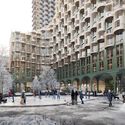
A consortium comprising developers Dream Unlimited and Great Gulf together with lead architects Alison Brooks Architects, Adjaye Associates, Henning Larsen and landscape design practice SLA were selected to develop Toronto's Quayside into a new neighbourhood containing affordable housing, robust public spaces and new business opportunities. The design for the 4.9 hectares site on Toronto's waterfront proposes over 800 affordable housing units, together with an 8,000 square-metres forested green space and an urban farm, accompanied by arts venues and flexible educational spaces.

This week’s curated selection of Best Unbuilt Architecture highlights projects submitted by established firms. From river-side commercial centers to mixed-use towers, this article explores commercial and residential functions designed by global architecture offices that are either conceptual, have won first-prize in design competitions, or are currently being realized.
Featuring a pedestrian bridge by Grimshaw Architects in France, and a finance-district skyscraper dubbed as the "Lighthouse of the 21st Century" by Ronald Lu & Partners, this roundup explores how established architecture firms have designed buildings that cater to the spatial and environmental needs of their users and respective functions. This round up also includes designs from SOM, IMPLMNT, Gensler, and Aedas, among other notable architects.
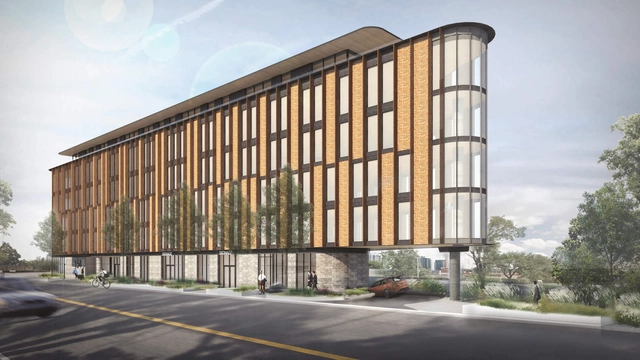
Canada suffers no shortage of flatiron buildings, with historic examples dotting the provinces from Toronto to Vancouver to Lacombe, Alberta, and beyond. Canada also enjoys its status as a hotbed of mass timber construction with Quebec serving as an epicenter of sorts for the movement. However, these two things—flatiron building design and the use of engineered wood products—have never yet been combined.

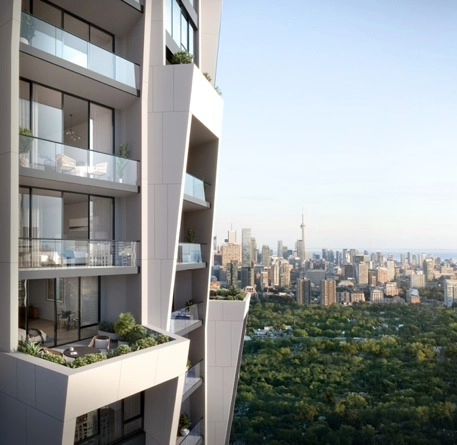
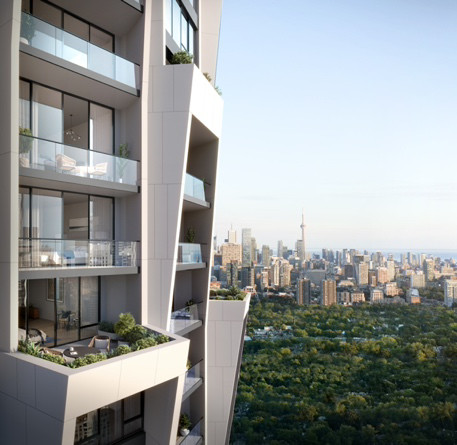
Studio Gang has designed a honeycomb-shaped residential building, titled One Delisle that offers residents an all-year-round outdoor patio overlooking Toronto, Canada. The project is designed as a windbreaker inspired by a German beach chair known as the Strandkorb. The tower will include up to 47 floors, with each distinct penthouse spanning one-third or one-half of the 16-sided building, and will offer residents hotel-style amenities.