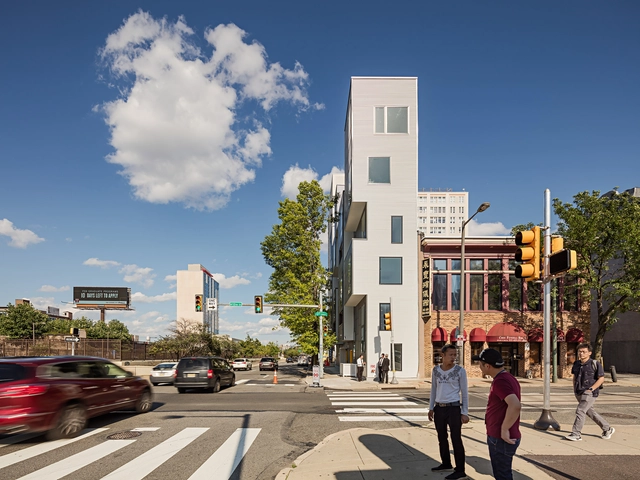
In all cities around the world, there are some forms of residual space, forgotten pieces of the urban fabric, remnants of overlapping layers of past development. This land whose conditions make it unsuitable for most types of conventional construction might be a fertile ground for architectural invention. Assigning a new value to vacant corner lots, dead-end alleys and strangely shaped plots opens up a new field of opportunities for inward urban development, expanding available living space and increasing amenities in densely populated cities. The following explores the potential for experiment and urban activation held by urban leftover space.
In residential architecture, there have always been central, indispensable spaces and peripheral spaces more easy to ignore. When designing a home, the task of the architect is essentially to configure, connect, and integrate different functions in the most efficient way possible, necessarily prioritizing some spaces over others. And although today many are designing in ways that are increasingly fluid and indeterminate, we could say that the bedroom, bathroom, and kitchen are the fundamental nucleus of every house, facilitating rest, food preparation, and personal hygiene. Then meeting spaces and other service areas appear, and with them lobbies, corridors, and stairs to connect them. Each space guides new functions, allowing its inhabitants to perform them in an easier and more comfortable way.
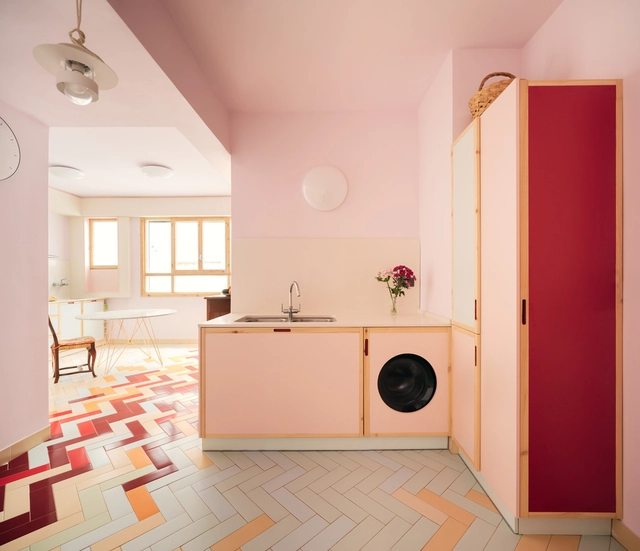
However, fewer square meters in the bathroom could mean more space for the living room. Or, eliminating some seemingly expendable spaces could give more room for more important needs. In an overpopulated world with increasingly dense cities, what functions have we been discarding to give more space to the essentials? Here, we analyze the case of the laundry room, which is often reduced and integrated into other areas of the house to give space for other functions.
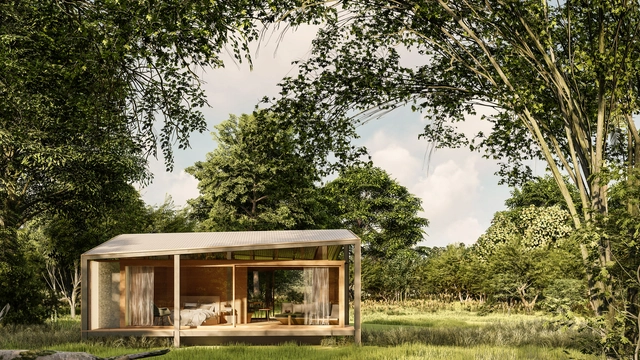
Bali-based Stilt Studios has begun construction on a new prefabricated tiny house made out of recycled Tetra Pak cartons. The team has also launched a Kickstarter campaign to create awareness for the use of recycled materials. Designed to promote local, circular economies, the first prototype is now being built and sales of the tiny house will commence in October this year.
The issue of the housing deficit plagues virtually all countries today. According to a study by the McKinsey Global Institute, 330 million urban families worldwide lack decent housing, or housing costs are so heavy that they need to forgo other basic needs such as food, heath care, and education for children. According to the WRI (World Resources Institute), it is estimated that 1.6 billion people will lack adequate housing by the year 2025.
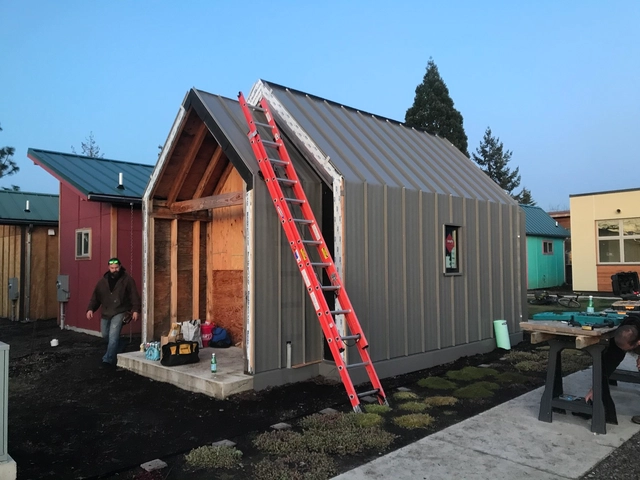
Solving this problem is, understandably, complex. Having good housing means much more than simply having a roof over your head. Good housing is essential for physical and financial security, economic productivity, and human well-being. In addition to adequate comfort, it is essential that these houses are integrated with the city, jobs, infrastructure, and city services. For people living on the street, this issue is even more delicate. Among many other necessities, having a place to structure a life is essential to moving forward and prospering. One project that confronts this issue is Emerald Village Eugene (EVE), an affordable micro-housing community with a unique housing model structured to enable residents to transition from the streets.
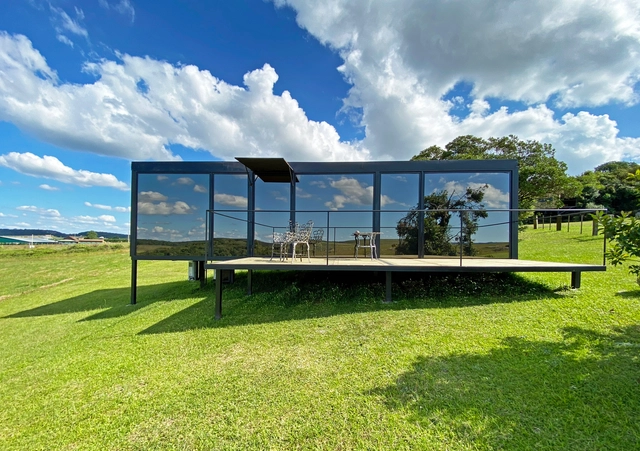
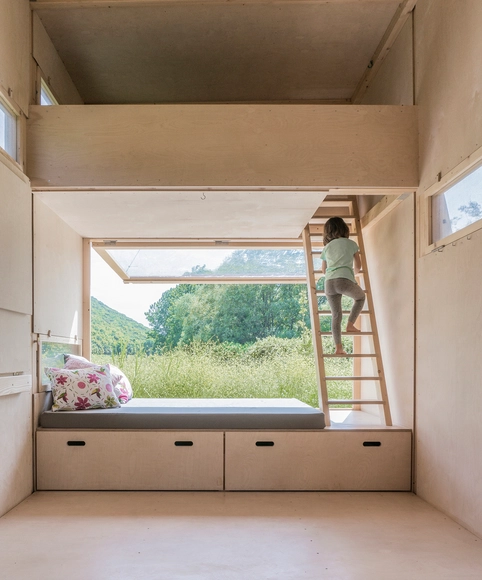
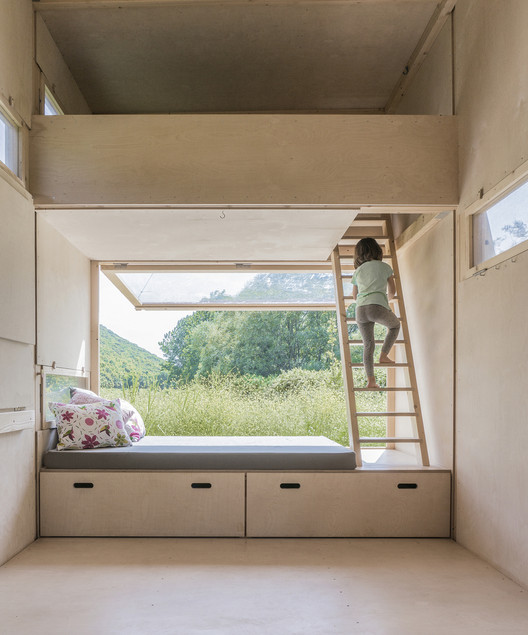
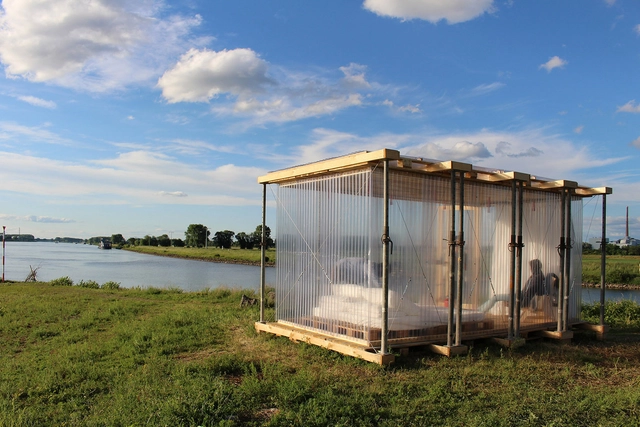
Cabin on the Border / SO? Architecture&Ideas. Image Cortesía de SO?
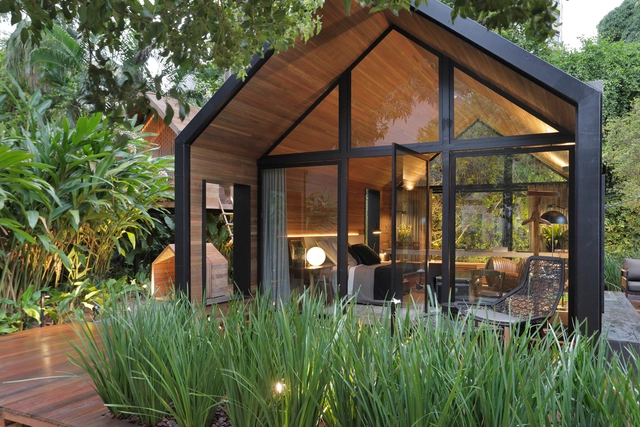
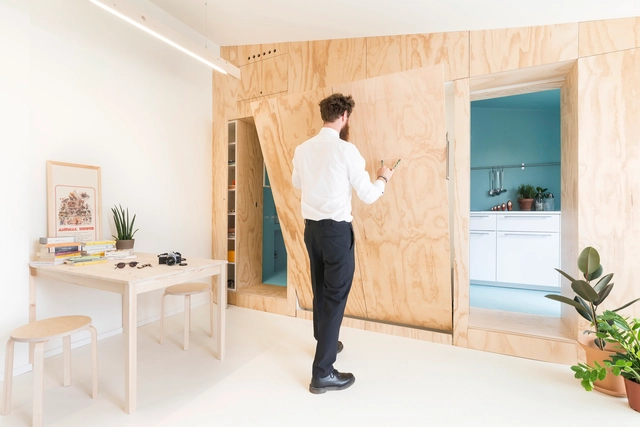
Dense cities mean small homes. With more and more frequency we are forced to adapt to spaces within which some elements simply do not fit. As architects, these restrictions actually provide us with opportunities and remind us that our goal is to give precise solutions to specific problems. Designing with infinite number square meters and/or an unlimited budget is practically unheard of.
What's the key to accommodating everything? Let's review some effective storage solutions for minimum, tight spaces.
As construction evolves, new advancements are shaping how we design. These movements are the product of shared ideas and the convergence of building technologies that open up new possibilities for architecture. From the atomic scale of materials to preassembled homes and faraway planets, the changes in BuildTech are felt across industries. As a result, disciplines are learning from one another to reimagine how we build.
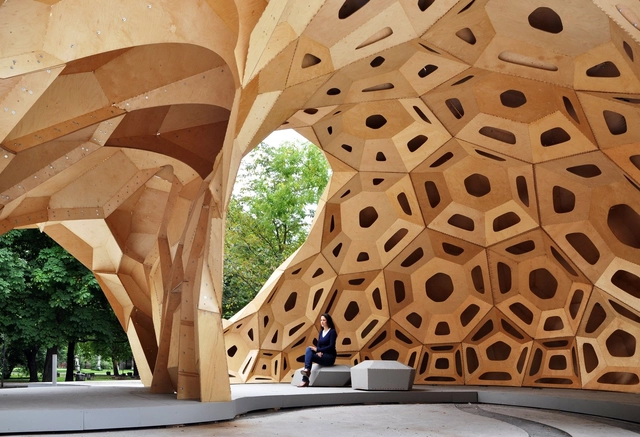
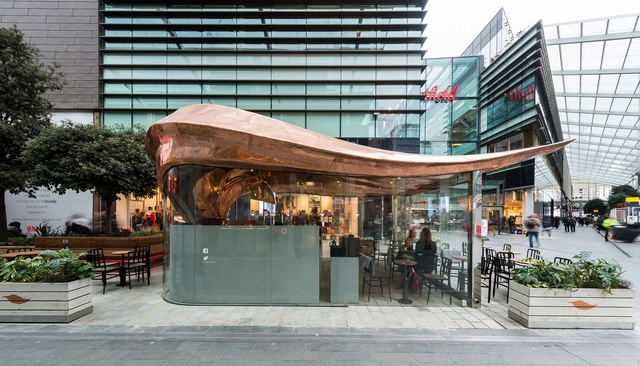
London/Malta-based Mizzi Studio, led by founder Jonathan Mizzi, are at the forefront of the growing trend of micro-architecture. As exemplified by their recent commission for the design of nine kiosks across London’s Royal Parks, the firm has a passion for the fusion of craft and technology, and in particular, the large, invisible forces of economy, sustainability, and psychology that converge on such small spaces and structures.
Netflix has published a new show on its streaming service on the subject of tiny houses. “Tiny House Nation” follows renovation experts John Weisbarth and Zack Giffin across America, as they help design and construct tiny homes in spaces under 500 square feet. The seven episodes from the 2014-2017 series feature homeowners from all walks of life, from Florida to Hawaii, seeking to join a Tiny Houses Movement that prioritizes smart living.
https://www.archdaily.com/916946/the-tiny-house-nation-series-is-now-available-on-netflixNiall Patrick Walsh
It is, once again, the time of year where we look towards the future to define the goals and approaches that we will take for our careers throughout the upcoming year. To help the millions of architects who visit ArchDaily every day from all over the world, we compiled a list of the most popular ideas of 2018, which will continue to be developed and consolidated throughout 2019.
Over 130 million users discovered new references, materials, and tools in 2018 alone, infusing their practice of architecture with the means to improve the quality of life for our cities and built spaces. As users demonstrated certain affinities and/or demonstrated greater interest in particular topics, these emerged as trends.
https://www.archdaily.com/910525/the-trends-that-will-influence-architecture-in-2019Pola Mora
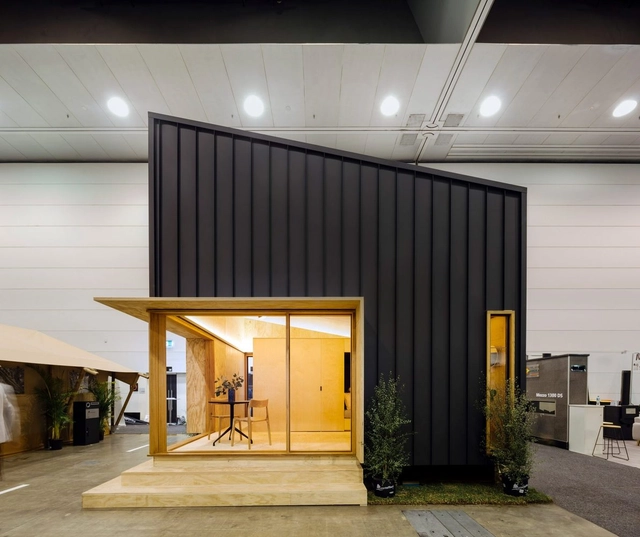
Grimshaw Architects have created a prefabricated tiny house to address Australia's housing crisis. Made to raise money for the not-for-profit organization Kids Under Cover and support homeless youth, The Peak project provides an affordable option for young people priced out of the housing market in Australia's cities. Designed to go completely off grid or integrate with city infrastructure mains, the project was formed around IKEA furniture within a double-height volume. All profits from The Peak support Kids Under Cover in Melbourne and the state of Victoria.
Casa FOA is one of the most important exhibitions for architecture, interior design, landscaping, and industry in Latin America. Chilean architects SUMATORIA were selected to represent their country in the 'Emerging Design of Miniature Housing,' or the Tiny Home, a living space of only 15 square meters (equivalent to the size of a container module).













.jpg?1552337492 "Bazillion / YCL Studio. Image © Leonas Garbačauskas")






















.jpg?1548884950&format=webp&width=640&height=580)




.jpg?1534865234&format=webp&width=640&height=580)
.jpg?1534865165 "Cortesía de Sumatoria")



.jpg?1534865234)