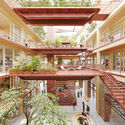
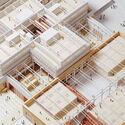
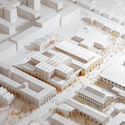
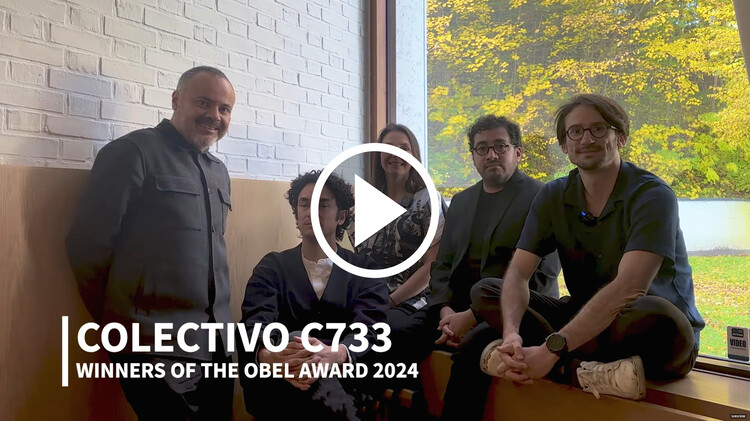
Recognized for completing 36 distinct yet cohesive public projects across Mexico in just 36 months, Colectivo C733 showcases the impact of collaborative design on public spaces and communities. The 36 projects were part of a national effort to revitalize vulnerable urban and rural areas in Mexico, earning them the 2024 Obel Award focused on the theme of "Architectures With". The team behind the designs, Colectivo C733, is a collaborative group formed by the joint offices of architects Gabriela Carrillo (Taller Gabriela Carrillo), Carlos Facio, and José Amozurrutia (TO), along with Eric Valdez (Labg), and Israel Espin. In a recent conversation with ArchDaily's Editor-in-Chief, Christele Harrouk, the collective discussed their approach to public architecture, the process of integrating diverse voices, and remaining flexible to the challenges of local conditions.
Sustainable Architecture: The Latest Architecture and News
“Architecture is a Work of Generosity:” In Dialogue with Colectivo C733, Winners of Obel Award 2024
Here's How to Level-up Indoor Pools with Daylight Solutions
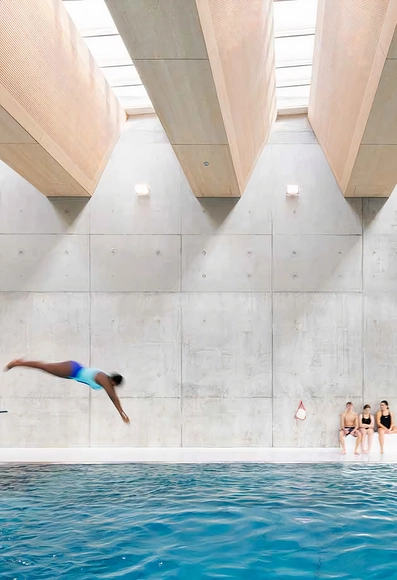
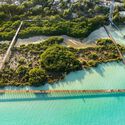
Water and daylight? At first glance, they seem like distant concepts: one is tangible, while the other, —though intangible—, manifests itself through its effects and perceptible qualities. Both are powerful and recurring resources in architectural design, often employed only for compositional purposes. However, in the context of indoor pools, this combination is frequently functionally oriented, prioritizing 'protection' from external stimuli. This one-dimensional approach can restrict the dynamic interaction between water and natural light, leading to aesthetic, functional, and operational challenges.
How Tech Parks Are Replacing Central Business Districts in India
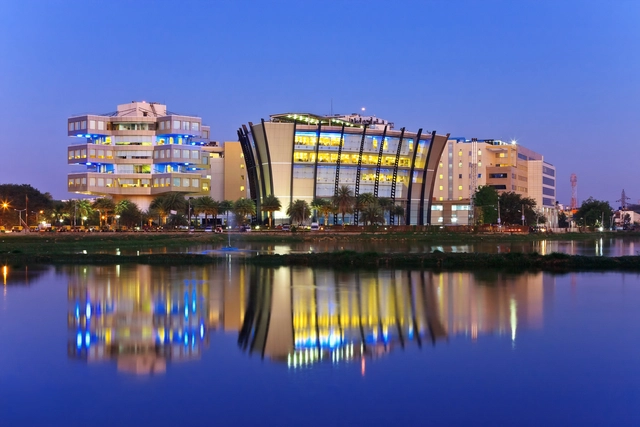
India is often recognized for its thriving technology industry, with a reputation for producing a substantial number of skilled tech professionals each year. This has attracted a dynamic technology ecosystem that increasingly draws global companies to establish operations in the country. The rise of tech parks has become a key strategy for harnessing this talent and resources, cultivating an environment conducive to innovation. What impact do these tech parks have on the urban landscape of Indian cities?


Architectural Grafting: A Strategy for Sustainable Design
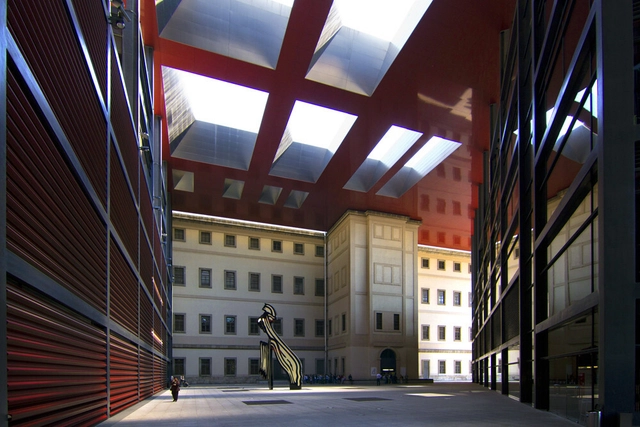
Architectural grafting, a concept recently popularized by Jeanne Gang in The Art of Architectural Grafting, presents a transformative approach to urban regeneration and sustainability. Drawing inspiration from botanical and horticultural practices — where new growth is added to existing plants for enhanced resilience — this architectural method integrates new structures with existing ones, allowing them to coexist and adapt. Rather than pursuing demolition, grafting prioritizes adaptation, extending the life of buildings while safeguarding their cultural and historical significance.
While Studio Gang has played a pivotal role in advancing this method, architectural grafting embodies a broader principle that architects have long used to enhance sustainability, conserve resources, and honor heritage. Across scales — from individual buildings to urban landscapes —grafting reshapes the relationship between past and present, adapting existing structures for contemporary needs while addressing environmental demands. By reimagining historic buildings for modern use, this approach fosters a sustainable evolution of cityscapes.


Chain Reaction: Mastering Kinetic Architecture with Aluminum Links
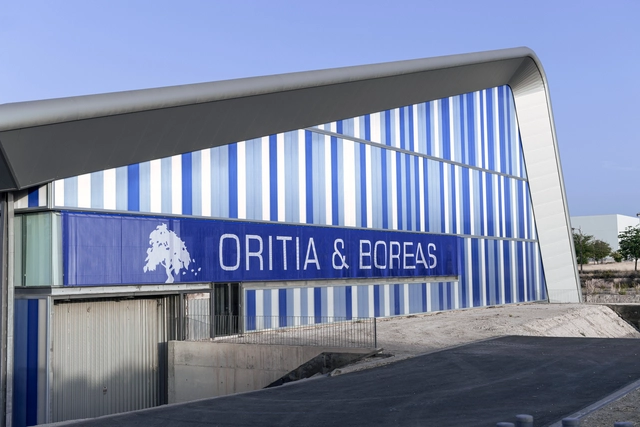
Here's a question: what part of a building stands firm and unmovable? While walls, floors, and structural supports may spring to mind, in today's world, even architecture is getting in on the action. Movable walls, sliding doors, and retractable roofs were the early ambassadors of kinetic design, allowing structures to become more flexible without losing strength. What started in ancient civilizations has now evolved into a futuristic dance between practicality and nature. Buildings aren't just set in stone anymore—they're evolving, responding, and adapting.
Powering-Up Through the Facade: Maximizing Energy with Building-Integrated Photovoltaics
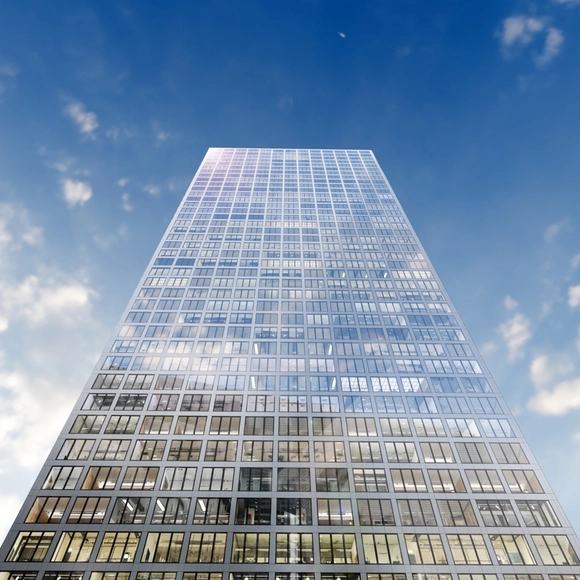
People frequently claim that finding smart solutions to problems requires a creative approach that involves thinking outside the box. This premise has become a widely accepted idea in the field of technology, where numerous historical breakthroughs have emerged from innovative methods. Prominent examples in power generation include the discovery of the photovoltaic effect by Edmund Becquerel in 1839 and the development of the first commercial solar panel by Charles Fritts later that century. These milestones have enabled the integration of solar panels as essential components of clean energy generation within architecture, driving a significant shift toward renewable energy.
This shift is currently manifesting as a tipping point between power generation and the built environment, driven by a transition that promotes creative thinking and encourages new perspectives. Today, sustainable energy production extends beyond merely installing solar panels on roofs; it aims to integrate various building elements into the energy system. ClearVue's Building-Integrated Photovoltaics (BIPV) exemplifies this innovation by harnessing nearly all facade components as sources of power production. This vision opens new possibilities for the design of urban structures, promoting a more sustainable approach that aligns with contemporary needs.
Iceland’s National Pavilion at Venice Architecture Biennale Explores Lava as Sustainable Building Material
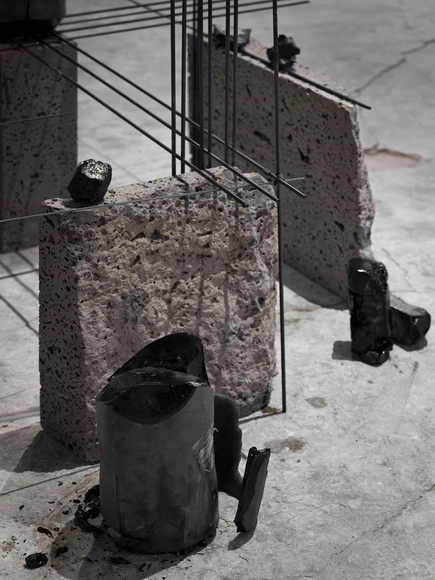
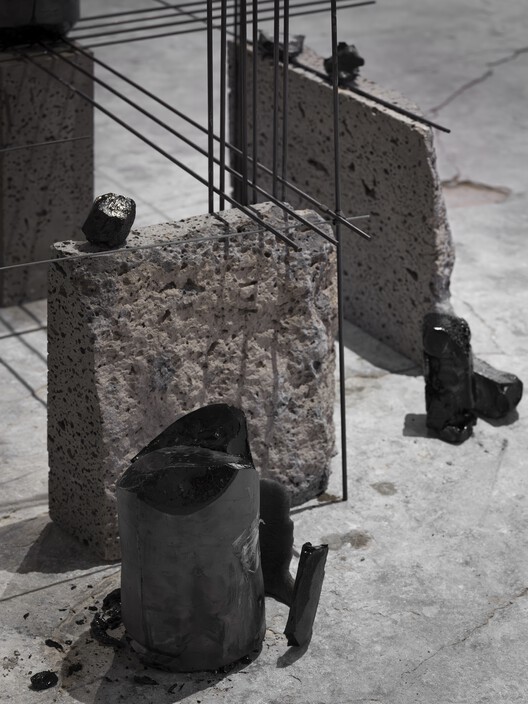
Iceland presents the Lavaforming at its National Pavilion for the 19th International Architecture Exhibition – La Biennale di Venezia. Led by architect Arnhildur Pálmadóttir, founder of s.ap architects, the pavilion is commissioned by Halla Helgadóttir, Iceland Design and Architecture. Lavaforming envisions a provocative and speculative future in which the elemental force of lava is no longer seen solely as a natural hazard but instead embraced as a generative, architectural medium. By harnessing and directing controlled lava flows, the project explores the potential of molten rock to shape urban environments, transforming destruction into construction. Through a series of physical experiments and research-driven installations, Lavaforming demonstrates how this often-feared geological phenomenon could become a renewable and expressive material in the creation of future cities.

Wiki World: Exploring Children’s Architecture Education and Community Building in Rural China
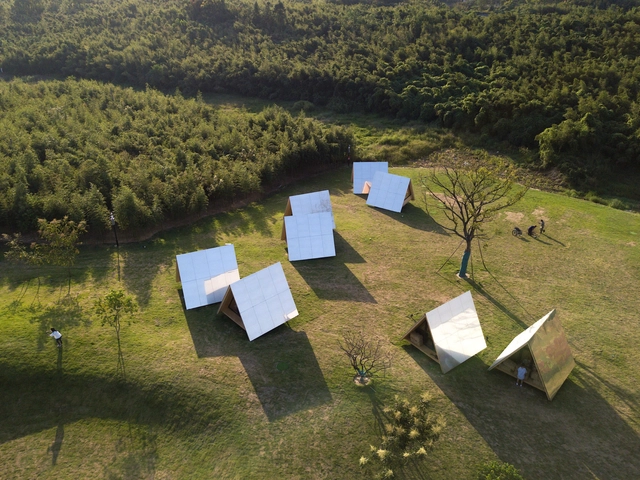
Selected as one of ArchDaily's Best New Practices for 2024, Wiki World is pioneering a fresh approach to children's architectural education and community building. This Wuhan-based studio simplifies the concept of architecture, moving beyond grandiose connotations and focusing on 'building a house'—exploring the wisdom and methods of 'ordinary people.' Building, according to Wiki World, is not only a human instinct but also a way to connect with and understand nature. They see an opportunity in the open-source spirit, empowering communities in rural China to design and construct their own creations. By providing the right frameworks, Wiki World is able to scale and make architecture accessible to an increasing number of people. The studio organizes workshops across China, guiding parents and children through one community-building experience after another.
In an interview with ArchDaily, Wiki World shared their approach to workshop design and organizational processes, drawing from both their expertise and the fresh perspectives gained from their young participants. They discussed how their views on nature and community design have shaped their work, their strategies for effective communication, and their current challenges and successes. They also explained how they bridge the gap between different teams to inspire creativity and foster hands-on engagement with users.


The Beaten Path: Connecting Towns and Identity through Appalachian Trail Networks
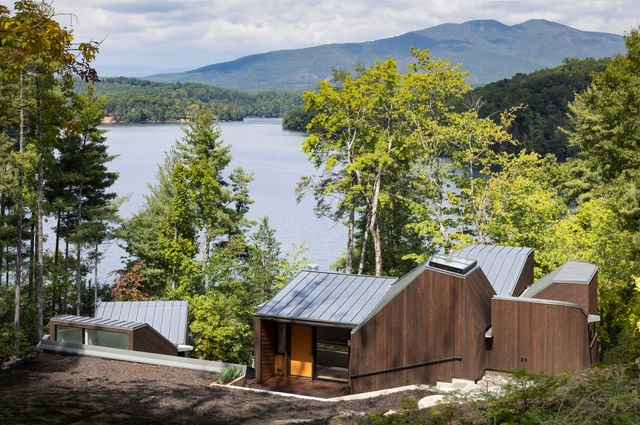
Every year, over a thousand people complete the 2,192-mile (3528-kilometer) Appalachian Trail between Springer Mountain in Georgia and Mount Katahdin in Maine. Millions more follow the trail for a shorter stretch by spending time at the countless overlooks, walking along the wooded ridges, or meandering through the small town centers, making this network one of the world's most visited and widely recognized trail corridors. However, the proposal for this expansive trail corridor, originally entered in a 1921 Journal of the American Institute of Architects article by Benton MacKaye, was far from a mere recreational outdoor amenity. This "project in regional planning" was a radical critique of the industrializing modernity that sharpened the divide between expanding cities of the Eastern coast and waning towns of the Appalachian mountains.

The Triple Bottom Line in Architecture: Developing Properties for People, Planet, and Profit
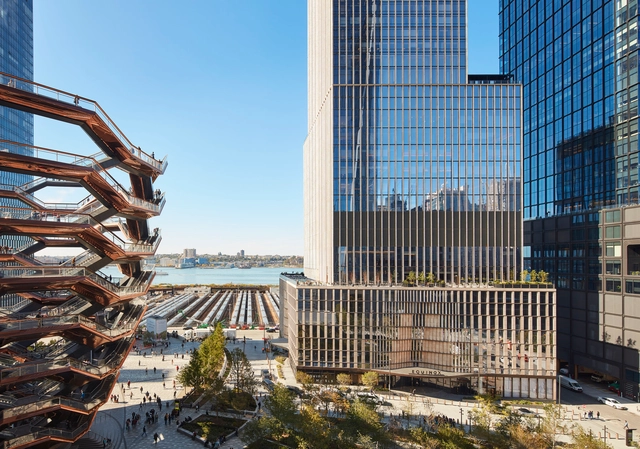
Prioritizing people and the planet, when it comes to building construction and real estate development, is being seen as more than an ethical mandate - it is a highly profitable approach. Changing market demands, city ordinances, and regulations, and an emphasis on Environmental, Social, and Governance (ESG) factors are all influencing what successful development in the 21st century stands for.
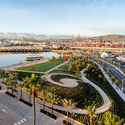
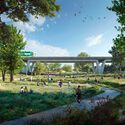
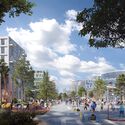
In Toronto, Canada, the ongoing Downsview Airport redevelopment project showcases this mindset in practice. While traditional development has generally focused on maximizing short-term returns, the Downsview project offers a holistic alternative that can invite significant long-term profits, all while addressing broader societal and environmental concerns.

Smart, Eco-Conscious Architecture and Décor Inspired by Nature’s Finest Materials
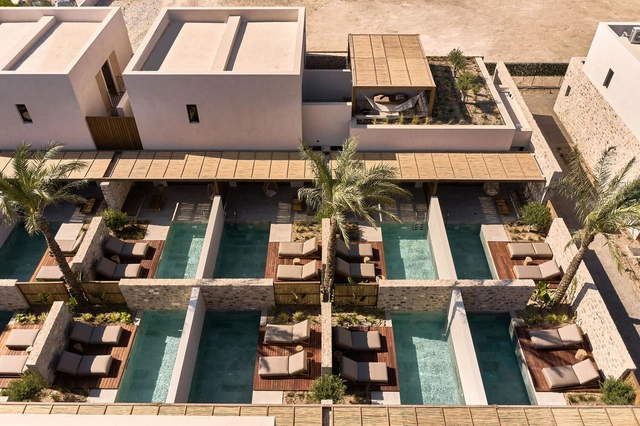
A new generation of sustainable practices is transforming the architectural landscape. What is its 'secret'? The combination of innovation, ecological awareness, and, fundamentally, the revaluation of natural resources that have accompanied humanity since its earliest days. While this knowledge was never truly lost, the techniques associated with these materials have long remained in the background. Today, they are making a resurgence, adapting to modern challenges, and reestablishing themselves as essential, timeless elements in tomorrow's architecture.
Monaco Smart & Sustainable Marina Rendezvous: Winners of the Architecture Awards 2024
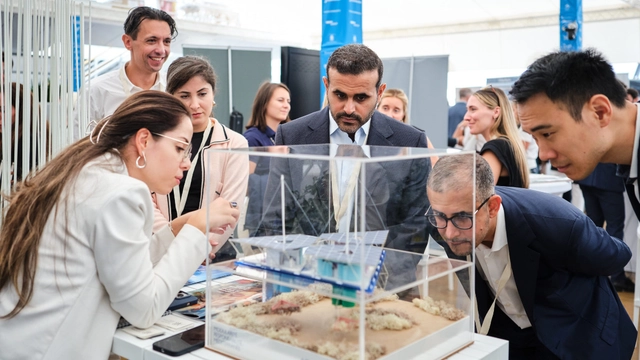
Organized by Monaco Marina Management (M3), the 4th edition hosted on September 22nd & 23rd at the Yacht Club de Monaco, has brought together 250 maritime industry professionals alongside worldwide investors and innovators to encourage the development of virtuous marinas. With the common goal to modernize and make maritime infrastructures more responsible, this annual networking gathering demonstrates how sustainability is becoming a true driver of change by connecting the whole marina ecosystem and promote the development of efficient & attractive marinas.
Healthcare Architecture in India: Strategic Design Principles to Address the Urban-Rural Divide
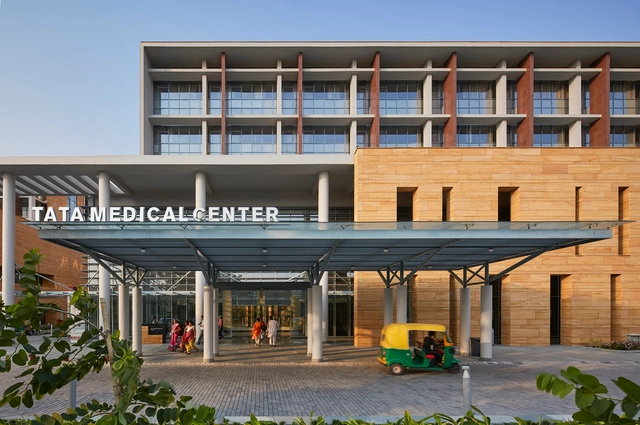
In a nation as diverse as India, the healthcare landscape presents wicked problems and plentiful opportunities. The country's hospital infrastructure has been increasingly strained in the areas of accessibility, quality, and equity, especially with a snowballing population growth. While urban development expands amidst these constraints, architects have been able to position innovative design solutions as mediators, also sealing the gap between urban and rural healthcare quality and accessibility in India.


Designing Shared Rural Environments: Defining Public Spaces beyond Urban Metrics
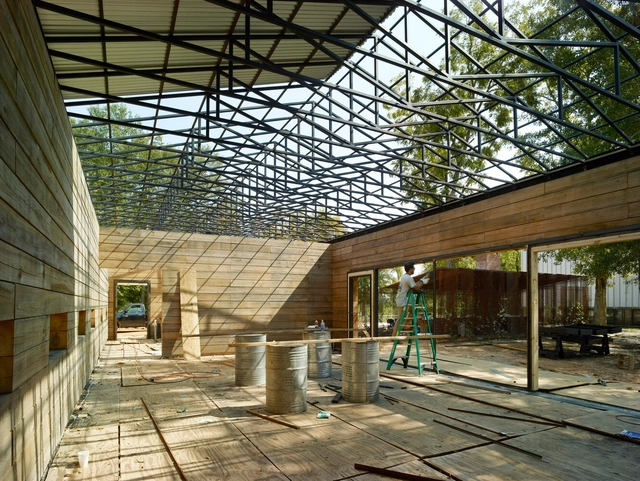
Rural environments are often difficult to define in administrative and professional contexts and carry notable biases and complexities. Population and density thresholds are the most common determinants for drawing administrative boundaries, yet other factors, such as infrastructure, employment, and services, contribute to the characterization of rural environments. In the United States, the Census Bureau defines rurality, not by its characteristics or resources, but by absences, as "any population, housing, or territory not in an urban area." For the design and planning community, it is important to define the future of rural environments, not through the metrics of urban resources or infrastructure, but to design a new framework for flexibility, adaptation, and health.


Exploring the Boundaries of Polycarbonate: 25 Exemplary Projects Showcasing Its Versatility
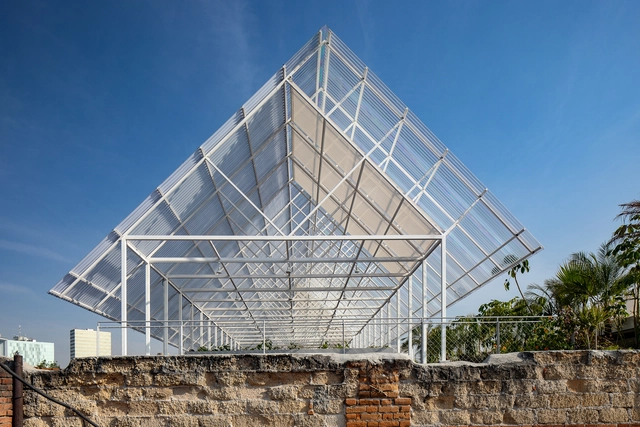
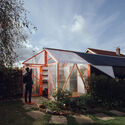
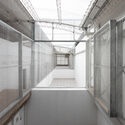
Polycarbonate, commonly used in roofing and industrial cladding, has gone beyond its initial applications to become a material widely used across various architectural typologies. Its combination of strength, lightness, easy installation, and ability to allow natural light to pass through has made it an attractive option for residential, educational, and even cultural architecture projects. In homes, polycarbonate not only helps create bright and comfortable environments but also allows for creative use of translucency to generate private spaces without sacrificing visual connection to the outdoors.

OODA Breaks Ground on Tetris-Like Mixed-Use Development in Tirana
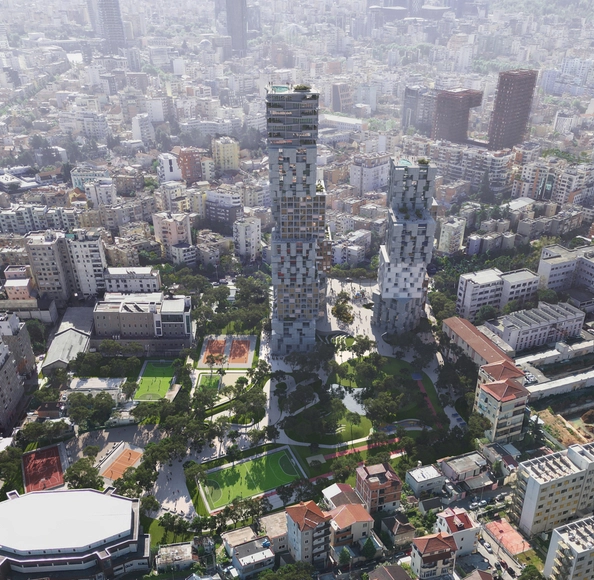
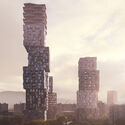
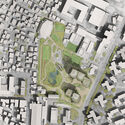
Portuguese architecture studio OODA has commenced construction on the Hora Vertikale Towers in Tirana, a city renowned for its urban revitalization and architectural innovation. The project aims to contribute to this dynamic landscape as a multi-functional, 55,000-square-meter "vertical village" rising 140 meters tall. The project is designed to also integrate a large-scale green public space, also designed by OODA. The project was first announced earlier this year.


By Residents for Residents: What is the Baugruppe System?
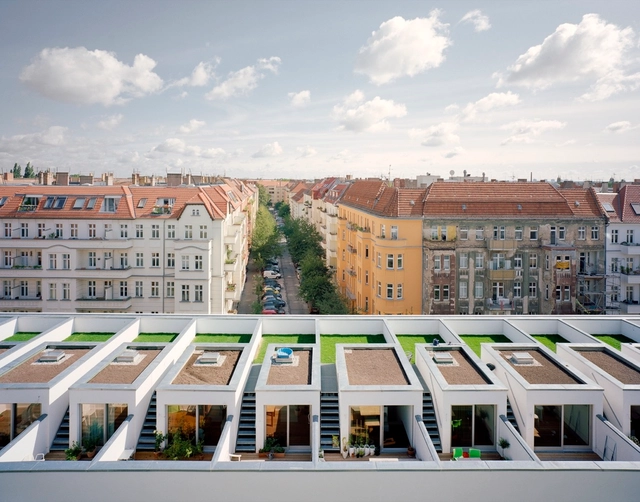
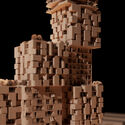
Designing a typical residential building rarely involves its future residents. Often created by property developers in response to predefined market demands, the projects are rarely optimized for livability. An emerging development system that began in Germany aims to change this dynamic and reposition the residents at the core of the new housing developments. The Baugruppe system, German for "building group," proposes an alternative approach to housing that allows groups of individuals to come together to design and construct their residential spaces, bypassing traditional developers to create personalized and sustainable living environments.



Cobe's Creative Reuse Strategy Set to Transform Tallinn's Industrial Site into a New City District
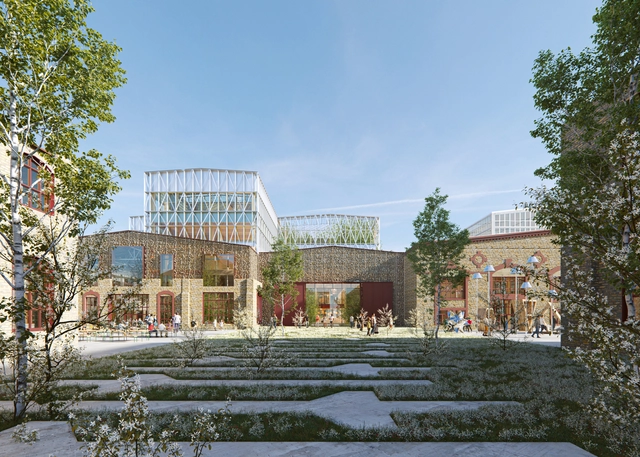
Danish architecture firm Cobe has announced a new project to transform the historic 'Krulli' steelworks, a large-scale former industrial site in Estonia's capital, into a mixed-use city district. The strategy for the project is developed to optimize for material reuse, as materials, components and even entire buildings have been evaluated for their potential to be reintegrated into the scheme. This way, the decommissioned industrial area provides the foundation for an innovation hub, maintaining its history while adapting to the necessities of modern workspaces and city life.