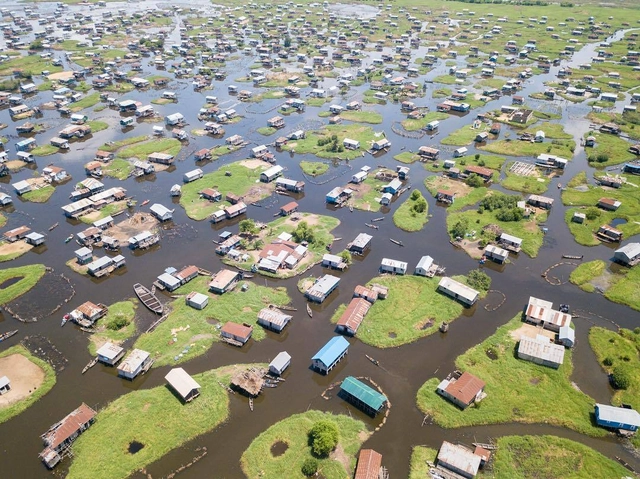
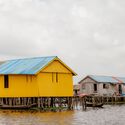
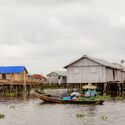
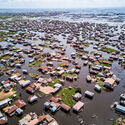
Located in the southern part of Benin-Republic, near the port city of Cotonou, is Ganvie; the largest floating village in Africa. It is situated in the middle of Lake Nokoué and is characterized by colorful wooden stilt houses arranged around artificial islands dating back to the 17th century.
This unique architecture was born from the history of the Tofinu tribe, who built it as a refuge from the slave trade. It has been sustained over time by their communal socio-ecological aquacultural systems and has now become a global tourist attraction for the country. The village was recognized as a world cultural heritage site by UNESCO in 1996, attracting up to 10,000 visitors annually. However, this influx of tourists has impacted the locals and their socio-ecological practices that sustain this water environment. Aquaculture has become increasingly challenging to maintain as the village struggles to retain its economic foundation. Additionally, traditional building practices have given way to modern ones, and the village faces ongoing environmental challenges. Nevertheless, the unique lifestyle of the locals around the water still offers many lessons for the design of prospective floating cities.
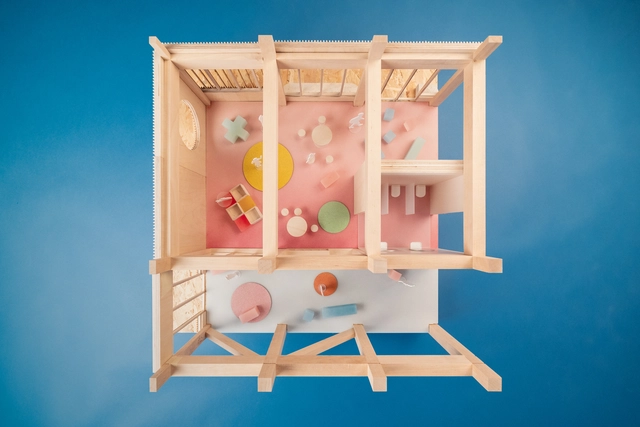
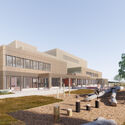
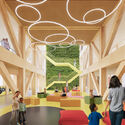
As part of the Circlewood consortium, OMA’s David Gianotten and Michel den Otter have developed a modular system to build schools that can adapt and transform throughout their lifecycle. The system was selected by the City of Amsterdam to be employed to build multiple schools in the coming ten years, as part of the Innovation Partnership School Buildings program. The citywide initiative aims to build nine to thirty “high-quality, flexible, and sustainable” schools as a way to contribute to the city’s goal of becoming fully circular by 2050.
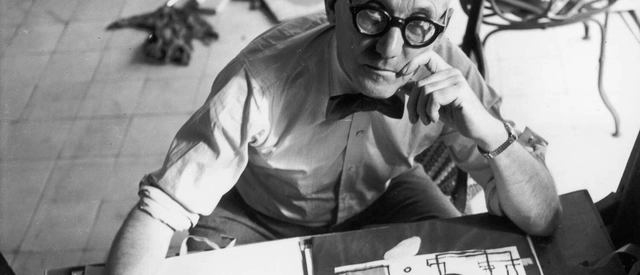
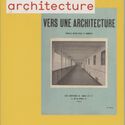
This year marks the centennial of the first edition of Vers Une Architecture, Le Corbusier’s epoch-making book. Though a new English translation appeared in 2007 to much acclaim, most other practicing architects read the first English edition that appeared in 1928, entitled Towards a New Architecture. Comparing the three editions is instructive, particularly in one crucial respect: the insertion of the word “new” in the title. The book wasn’t really about new architecture, because very little of it showed buildings in the International Style. Instead, it was in many respects a clever diatribe intended to convince Europeans that they had no choice but to renounce every kind of architecture that had been built before the Great War and begin anew. It was remarkably successful in fulfilling that aim.
https://www.archdaily.com/1000499/away-from-old-architecture-what-le-corbusier-really-meantMark Alan Hewitt
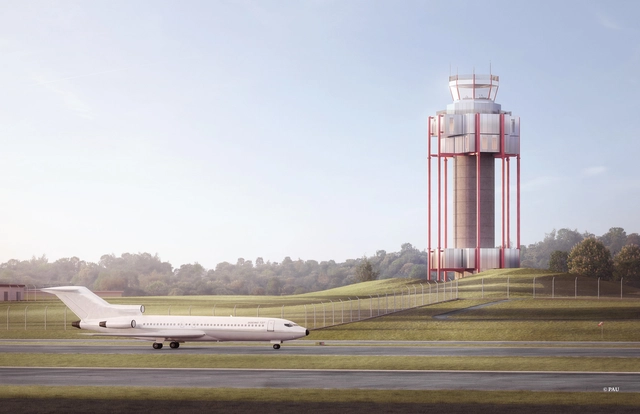
Courtesy of Practise for Architecture and Urbanism
The Federal Aviation Administration has chosen the New York-based Practice for Architecture and Urbanism (PAU) studio to design the country's newest air traffic control towers. I.M. Pei's iconic mid-century towers will be replaced by PAU's adaptable and highly sustainable prototype, which offers a unique architectural solution that combines form and function for the twenty-first century. The new towers are vital to U.S. Transportation Secretary Pete Buttigieg's goal to reach net-zero greenhouse gas emissions from the U.S. aviation sector by 2050. They have been updated to reflect aviation technology, safety development, and changing environmental and climatic conditions.
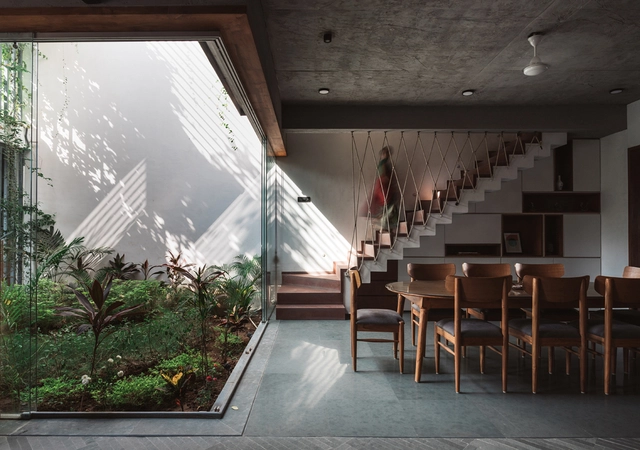
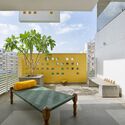
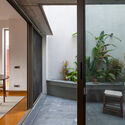
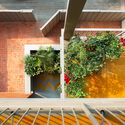
Residential architecture in India is a direct reflection of the ethnic practices and lifestyles led by its diverse citizens. The earliest houses were developed as units of larger community-centric settlements. The architecture of Indian residences is deeply enmeshed with cultural values - usually centering on the ideas of family and community relationships. A single home often shelters a large joint family and meets the needs of various age groups under one roof. Multigenerational living demands a unique spatial syntax to foster connections.
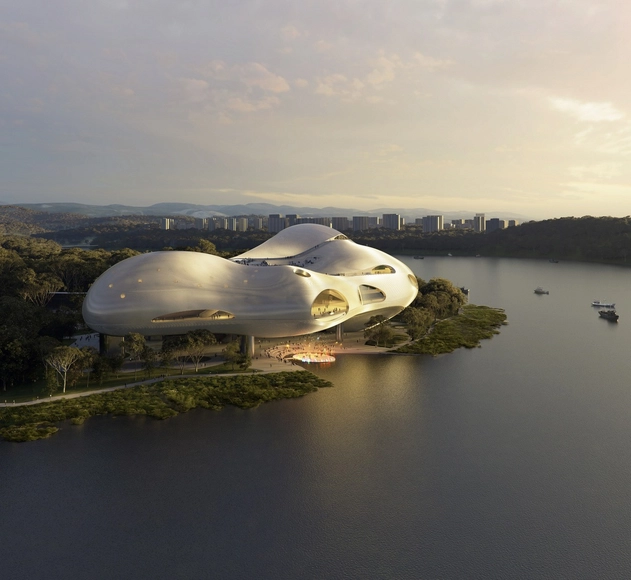
OPEN Architecture has won the competition to design the Yichang Grand Theatre in China. The project is situated where the Yangtze River and its tributary Huangbai River converge at the tip of the Pinghu Peninsula. There are about 70,000 square meters of building space overall. The performing arts center will feature a 1600-seat grand theater, a 1200-seat concert hall, a 400-seat black box, and two outdoor theatres — one on the rooftop and one by the water. It is housed within the fluid and partially floating building. The building also has rehearsal rooms, event and exhibition spaces, coffee shops, restaurants, and observation decks. The diverse lineup reflects efforts to keep the big theatre a welcoming and active gathering place for the public at all times.
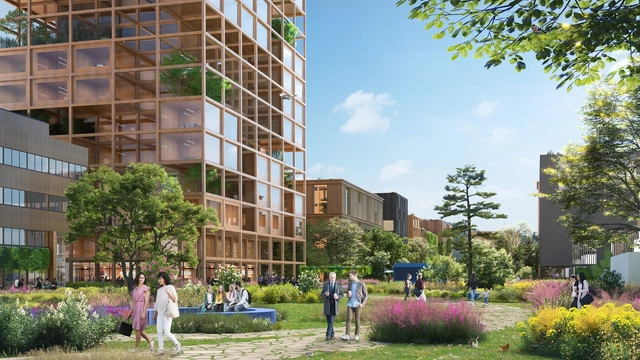
MVRDV has revealed the master plan to expand the Noviotech Campus, a giant in Health & High Tech Innovation, in Nijmegen, east of the Netherlands. The concept combines the campus's already scattered buildings, adds new structures where there are gaps, and integrates the site within the city, putting ecology first. The municipality of Nijmegen, Kadans Science Partner, and NXP Semiconductors will collaborate with Noviotech Campus and MVRDV in the following months to develop and refine the master plan.
When a country becomes known for its most famous export, the two together can become synonymous with quality. Combinations such as French wine, Italian marble and German engineering are examples of the hallmark of excellence provided simply by a product’s geographic birthplace. While Portugal’s most famous and most passionate exports could equally be cork, football, or egg-based sweet treats, there’s far more to the Portuguese culture and economy than preening soccer players and custard tarts.
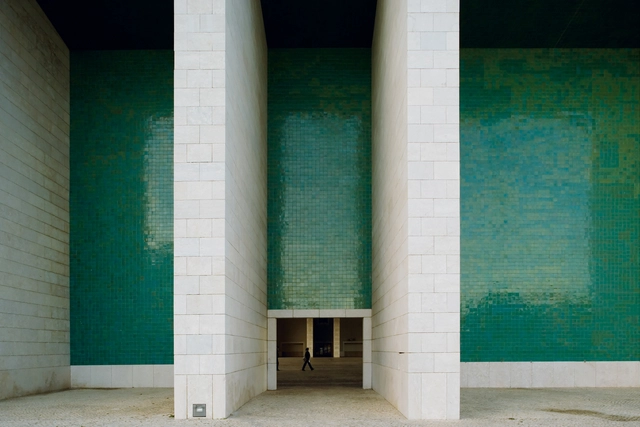
While Portuguese culture’s relationship with ceramics is known for the distinctively patterned plates, bowls, and jugs millions of tourists attempt to keep intact on the journey home, few are paying the extra baggage charge for 50 sqm of ceramic tiles. The country’s agreeable climate, however, along with a history of craftsmanship and the natural strength, durability, and pigment of Portuguese clay, means high-quality ceramic facades are an identifiable feature of Portuguese architecture. And the material is exported all over the world for both exterior and interior surfaces.
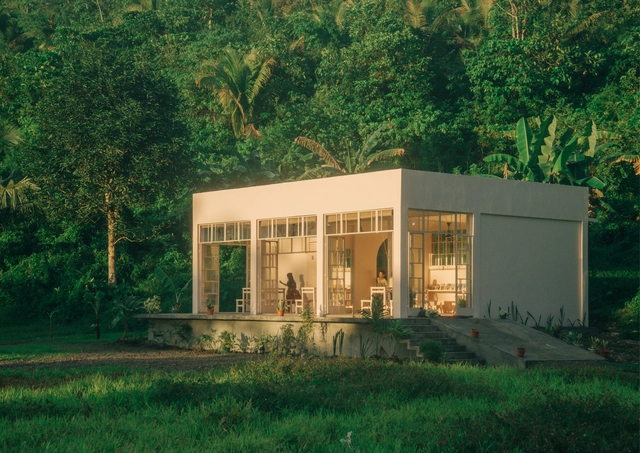
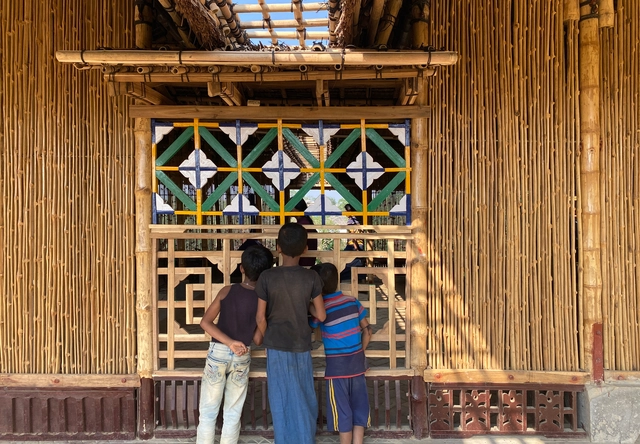
Children's Learning Center, Mas-in Village / Native Narrative. Image
Since the first civilizations, nature has been a fundamental pillar to serve humanity as a natural habitat, offering shelter, food, and medicine. In modern times, industrial and technological revolutions have taken over the landscape, reshaping the way humans interact with nature. However, today and due to the events that we have experienced as a society, it is necessary to focus on creating cities and spaces that integrate nature into everyday life.
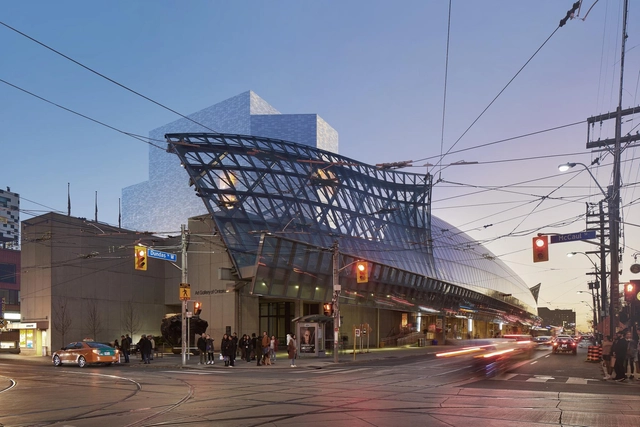
Courtesy of Play-Time, Art Gallery of Ontario, Diamond Schmitt, Selldorf Architects and Two Row Architect.
The Art Gallery of Ontario (AGO) has announced an expansion project designed by Diamond Schmitt, Selldorf Architects and Two Row Architect. The Dani Reiss Modern and Contemporary Gallery design will increase the museum’s gallery space by 40,000 square feet, with 13 new galleries across five floors.
The exterior façade of the extension will quietly complement the AGO’s existing built environment, respecting the scale of the surrounding neighborhood. Sitting one story above AGO’s existing loading dock, the Dani Reiss Modern and Contemporary Gallery will be nestled between the AGO and OCAD University. It will connect the existing galleries from four locations, substantially improving visitor circulation in and around the museum.
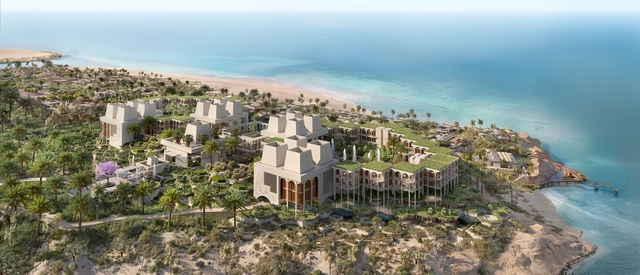
The Developer Red Sea Global has partnered with the wellness brand Clinique La Prairie to develop a high-end health resort in Amaala, located on the northwest coastline of Saudi Arabia. The resort will host 13 villas and 52 houses and suites. It will also feature a diagnostics lab, a museum, a beach club, workshops, training rooms, private dining spaces, and a cooking school, activities that ensure that the visitors embark on a journey of rejuvenation and self-discovery.
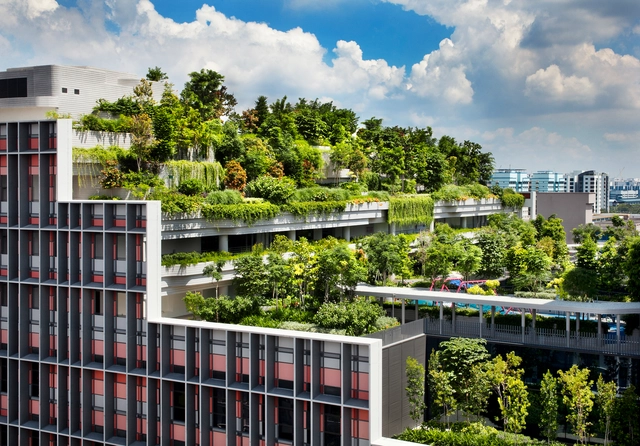
Kampung Admiralty / Ramboll Studio Dreiseitl and WOHA. Image Courtesy of WOHA
A heavily cited fact within the architecture industry is that the built environment accounts for 40% of global carbon emissions. The concerning statistic puts immense responsibility on construction professionals. The idea of sustainability in architecture urgently emerged as a way of bandaging environmental damage. A wide range of sustainability practices aims no higher than making buildings “less bad”, serving as inadequate measures for current and future architecture. The problem with sustainable architecture is that it stops with ‘sustaining’.
In order to maintain the current state of the environment, the architecture community has been working towards greener means of production. Conventionally, a green building employs active or passive features as a tool for reduction and conservation. Most sustainable designs view buildings as a vessel of their own rather than integrated parts of their ecosystem. With the planet’s current needs, this approach is not enough. It is not enough to sustain the natural environment, but also restore its processes.
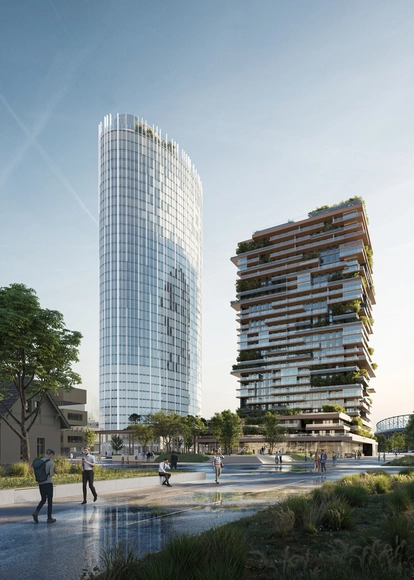
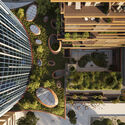
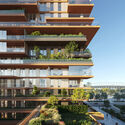
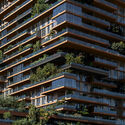
Mario Cucinella Architects has started constructing two multifunctional towers to shape Vienna’s skyline. Situated in the 2nd district in Vienna, where a dynamic urban development “Viertel Zwei”, has been in the works for some time, the project consists of two highrises, both of different architectural languages and made for different purposes, together providing a complex urban image inserted into context.
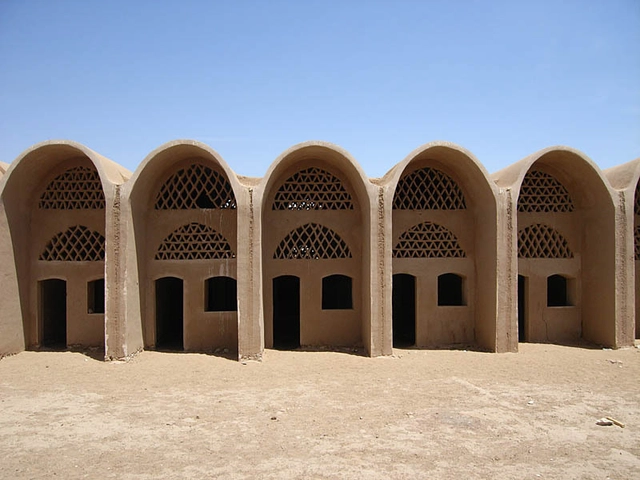
Archaeological endeavors aimed at exploring the civilizations of the past have revealed a commonality across the world. A form of architecture developed independently on every continent. Evidence shows that Neolithic communities used fertile soils and alluvial clay to construct humble abodes, creating humankind’s first durable and solid building material. Earth architecture was born at a very early age in human history. The techniques soon suffered a gradual decline as lifestyles changed, cities grew, and industrialized materials flourished. Does earth architecture have a place in the 21st-century world?
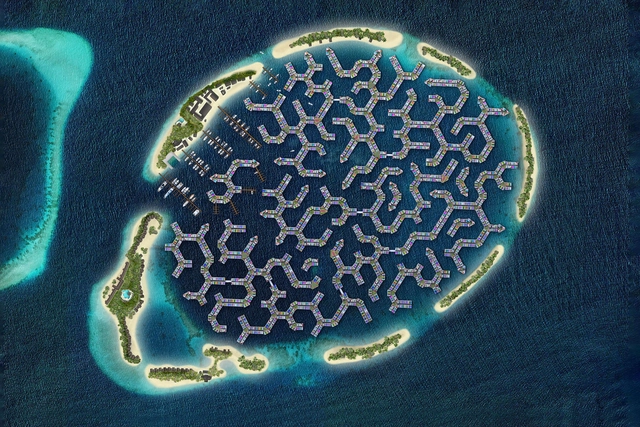
The threat of climate change is looming before us. Sea level rise concerns over 410 million people at risk of losing their livelihoods. Coastal cities are choked with high-rise buildings and traffic-laden roads, consuming land insufficiently. Synthesizing these problems, architects across the world have proposed a potential answer - floating cities. A future of living on water seems like a radical shift from how people live, work, and play. Vernacular precedents prove otherwise, offering inspiration for what our cities could morph into. As world leaders discuss courses of action to tackle climate change at the COP27 climate summit in Egypt, ArchDaily dives into the concept of radical water-based settlements.
Cities are inseparable from fast-paced lifestyles. Rising rents and “not-that-small” apartments characterize urban environments, perpetuating the chase for “bigger, faster, and more”. As economies develop and human needs grow, buildings are erected at alarming rates to rush toward progress. The risks of urban living are gradually being exposed, raising questions about more intentionally-driven actions. One way to return to slower lifestyles is by returning to slow architecture.
Architecture has been criticized for being a primary elitist indulgence. Most architectural projects are funded by the wealthy and seen as a means of bringing beauty into the surrounding environment. Architecture, however, is a double-sided coin with functionality balancing out aesthetics. With the ability to strategize radical solutions, architects equally find themselves at the forefront of solving complex issues. The context of Southeast Asia offers a demanding challenge with various social problems, giving architects a chance to save the world with humanitarian design.
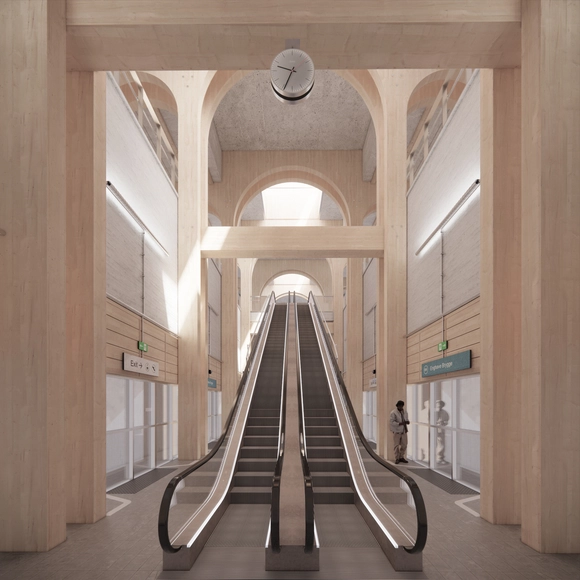
JAJA Architects won the competition organized by Metroselskabet, Denmark, to develop resource-efficient and climate-friendly metro stations. The winning team takes a comprehensive and holistic approach, looking at both material-optimized and sustainable design solutions and the character of the journey that passengers take to reach their destination. The proposal is centered around three core elements: Materials, Mobility Hub and Climate Campaign. While aiming to reduce CO2 emissions, the team also seeks to create an enjoyable and easy-to-navigate space for the many daily passengers. Snøhetta, 3XN/GXN, and Effekt also participated in the competition.