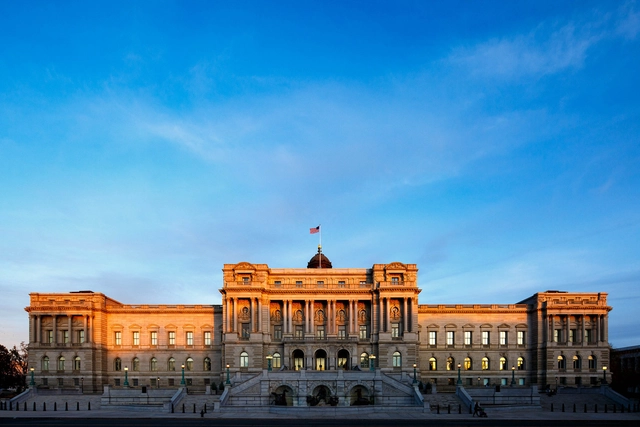
Digital literacy is not a topic architects usually consider. For Aliza Leventhal, Head of the Technical Services Section, Prints & Photographs Division at the Library of Congress, the processes of literacy and design go hand-in-hand. Previously the corporate librarian and archivist for Sasaki, Aliza is leading national conversations on everything from born-digital design files and archiving to institutional memory and knowledge sharing. Today, she's working with architects and designers to reimagine digital workflows for future access and ideation.
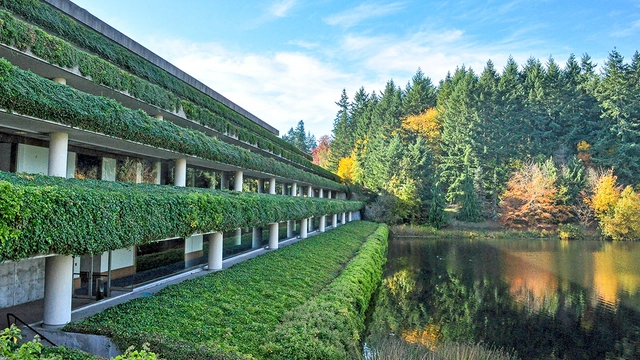
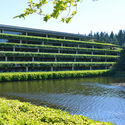
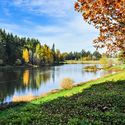
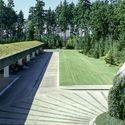
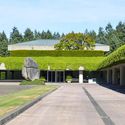
The Weyerhaeuser Corporate Headquarters in Federal Way, Washington is one of the most iconic projects bringing architecture and landscape together. The current owners of the site, Los Angeles-based Industrial Realty Group (IRG), have shared plans to clear-cut 132 largely forested acres on the 425-acre campus to build 1.5 million square feet of warehouses. Now the group is facing pushback from architects, preservationists and landscape architects across the country.
Celebrating community, three interdisciplinary leaders of design firm Sasaki are building space for change. Defining the future through collective, contextual, and values-driven projects, they are showing how working together produces greater impact. Following the belief that better design comes through open exchange and deep engagement, each of these women are creating more sustainable and inclusive futures.
For this end of the year special roundup, ArchDaily has compiled a selection of Best Unbuilt Architecture, submitted by established and well-known firms. Including conceptual, in progress and, even in some cases, under-construction projects, this curated list covers a wide spectrum of programs and approaches.
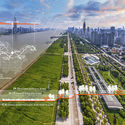
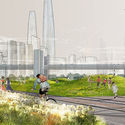
From KPF, Sasaki, COOKFOX, and FCBStudios to name a very few, this week’s article highlights worldwide interventions. It actually encompasses a terminal transformation in Manhattan, an integrated mixed-use development in Central Belfast, regeneration of an entire district in Shanghai, and the modernization of the infrastructure at Davis research station in Antarctica.
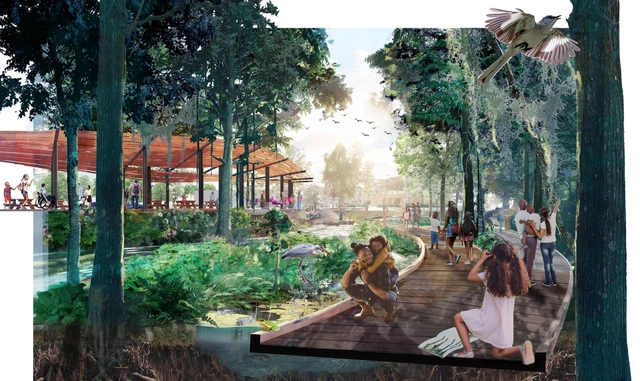
Interdisciplinary design practice Sasaki has unveiled new details of the 660-acre Greenwood Community Park and Baton Rouge Zoo Master Plan. The Parks and Recreation Commission of East Baton Rouge Parish (BREC) approved the first phase of the plan to move into design and implementation, and since then the team reached out to over 4,000 Baton Rougians over the course of nine months. The masterplan and park proposal aims to be reflective of the community’s needs as they imagine a new future together.
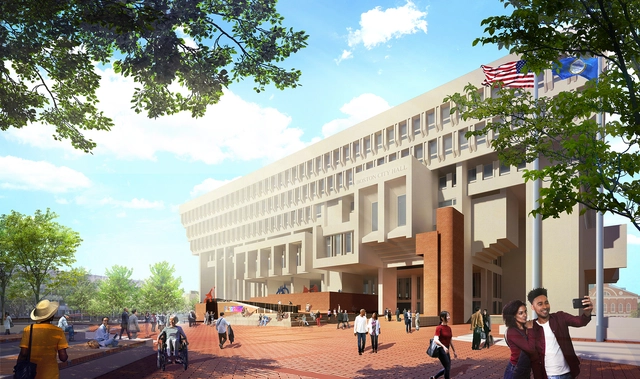
Design practice Sasaki has begun a transformation and renovation of the historic Boston City Hall Plaza. As one of the city's most-used civic spaces, the project aims to make the plaza more welcoming and accessible for everyday life and special occasions. The design team is working with Mayor Martin J. Walsh and the City of Boston on the seven-acre plan to deliver updated programming capabilities, new infrastructure, and improved sustainability.
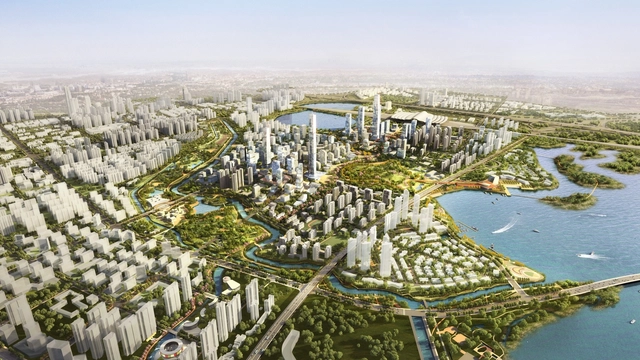
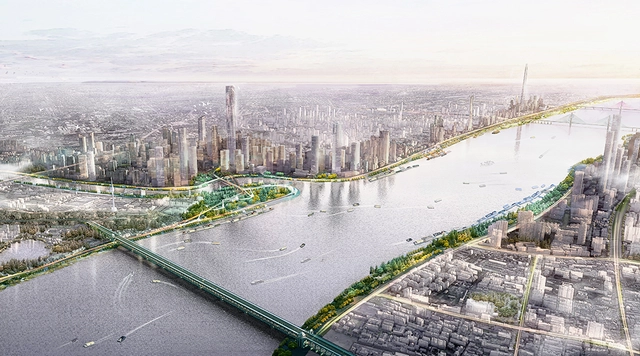
Designed by Sasaki in collaboration with an interdisciplinary team including Arup, JLL, and the Wuhan Planning Institute, the Wuhan Yangchun Lake Business District master plan was approved by the city. Imagining “a progressive yet realistic vision for the district”, the project, a landscape-forward urban blueprint, will define Wuhan’s next generation of growth.
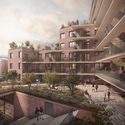
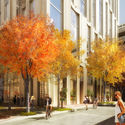
Höweler + Yoon Architecture and Sasaki have announced the groundbreaking for new construction on 212 Stuart Street, in the historic Bay Village neighborhood in downtown Boston. The residential tower is a 19-story building containing 126 units with two townhouses and retail space on the ground level.
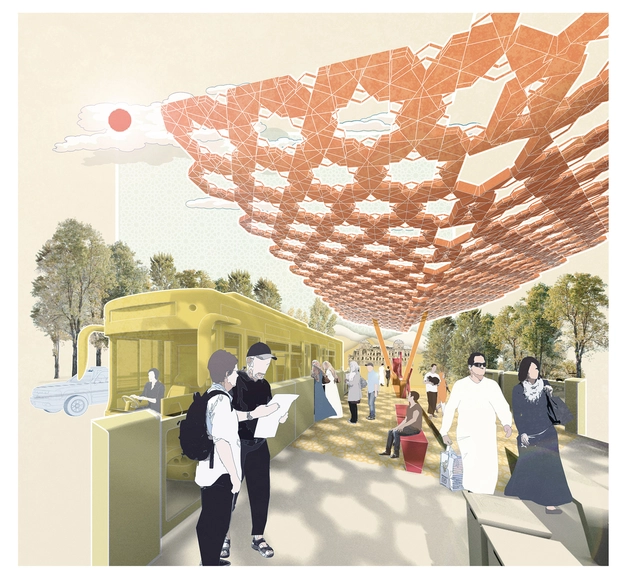
Imagined by Sasaki, the Kabul Urban Design Framework creates a vision of what the city can become. The project generates a set of guidelines that can transform the Afghan capital into a model of sustainable, equitable, and resilient development.
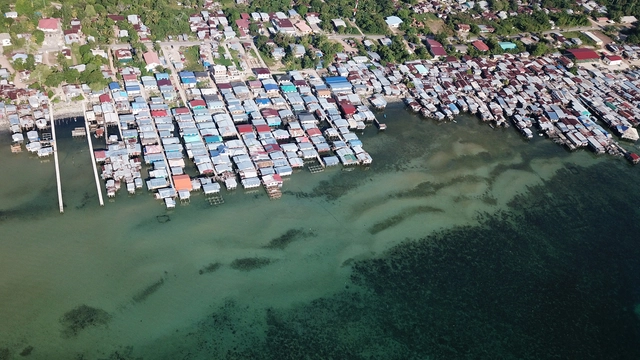
Goldman Sachs has released a report on the effects of climate change on cities across the world. The study explored the major changes that will transform the planet and highlighted several metropolises that will be at risk of flooding.
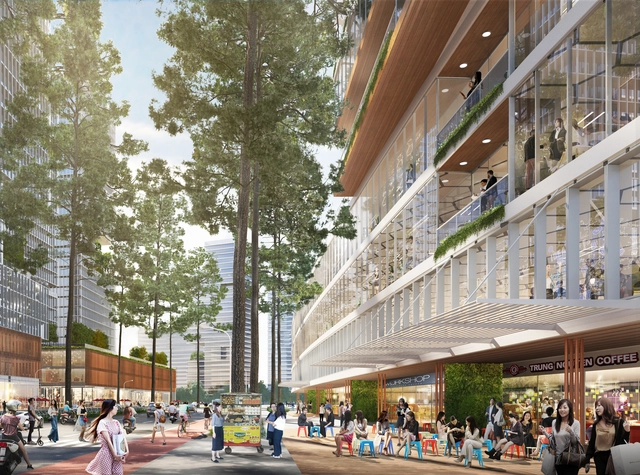
Sasaki has been selected by the government of Ho Chi Minh City to conceive the innovation district in the eastern part of the city, in collaboration with enCity, an international planning practice based in Singapore and Vietnam.
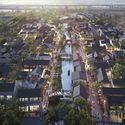
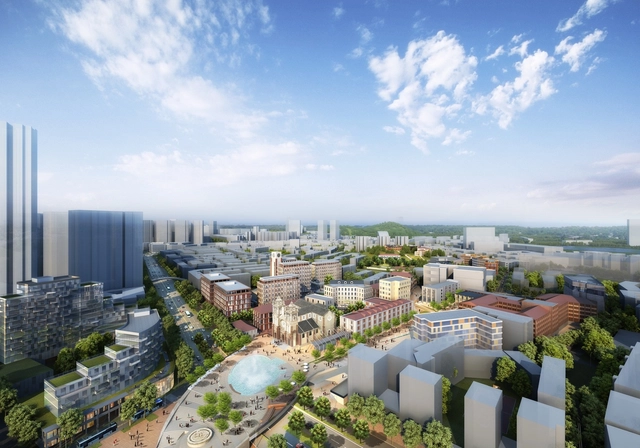
Sasaki has released details of their WuhuUrban Renewal project in China, spanning 67 hectares on the banks of the Yangtze River. The scheme centers on distinctive colonial buildings scattered throughout the city’s urban fabric, such as the Customs House, British Consulate, and St. Joseph’s Cathedral.
https://www.archdaily.com/922276/sasaki-reveals-urban-renewal-project-in-wuhu-chinaNiall Patrick Walsh
The Universidad de Lima, the most influential institution in Peru, is expanding its campus, in the heart of the capital, to offer a new learning experience, a never seen before novelty amongst the schools in Latin America.
The project’s main purpose is to create the whole college town, usually found abroad, in its central location in Lima. This innovative approach comes from the understanding of the importance of the concept of “university-cities” as a key economic driver. In fact, the master plan suggests making the campus as inclusive as possible, by putting in place all the facilities needed for students to actually linger.
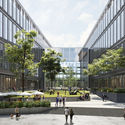
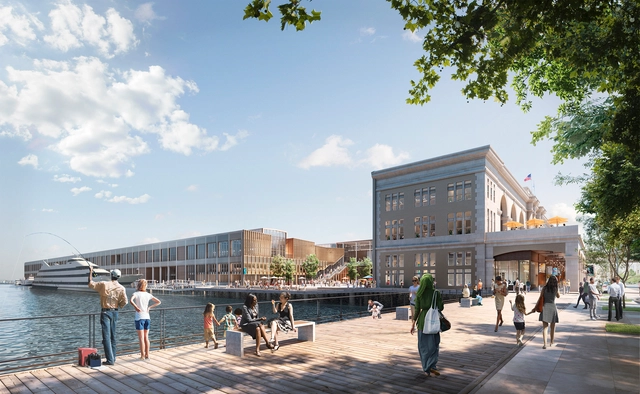
Schmidt Hammer Lassen has announced details of their second U.S. project: the Seaport World Trade Center in Boston, Massachusetts. An adaptive reuse project that will bring new life to Boston’s Commonwealth Pier, the 68,500-square-meter mixed-use project seeks to reactivate a historic maritime hub to create a new waterfront destination.
The largest pier building in the world when completed in 1901, the Commonwealth Pier will be reactivated with the introduction of new materials, increased daylight, and new points of connectivity. The exercise in adaptive reuse will contain flexible office space, dynamic event space, new retail, dining, and public amenities.
https://www.archdaily.com/911496/schmidt-hammer-lassen-revitalizes-bostons-commonwealth-pier-through-adaptive-reuseNiall Patrick Walsh
The Yangzte Riverfront is an integral part of Wuhan’s open space network, and is designed to celebrate the river’s spontaneity.. Image Courtesy of Sasaki
Sasaki has released details of their redevelopment proposal for the Yangtze Riverfront Park in Wuhan, China. Developed in collaboration with OMA and Gensler, Sasaki has drawn on the centuries-old symbiosis between the city and river, leveraging the river’s dynamic flooding to nurture a rich regional ecology and create dynamic recreational experiences.
The endeavor in landscape urbanism seeks to celebrate the river’s spontaneity, and incorporate flooding as an essential element. Stitching together then OMA and Gensler “urban balconies,” a series of microenvironments will host a wide variety of distinct wetland ecosystems, the characters of which evolve throughout the seasons.
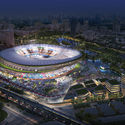
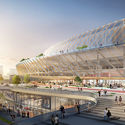
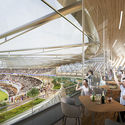
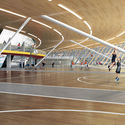
Design firm Sasaki has unveiled a design to transform Shanghai's Hongkou soccer stadium into a sustainable health and wellness hub. Rethinking China's first professional soccer stadium, the project aims to bring new life into the 1990s single-purpose structure. The design was formed by addressing the lack of connection between the stadium and Luxun Park. As a result, the park’s landscape is extended through the stadium and rises to meet the landscape as it flows through the building.
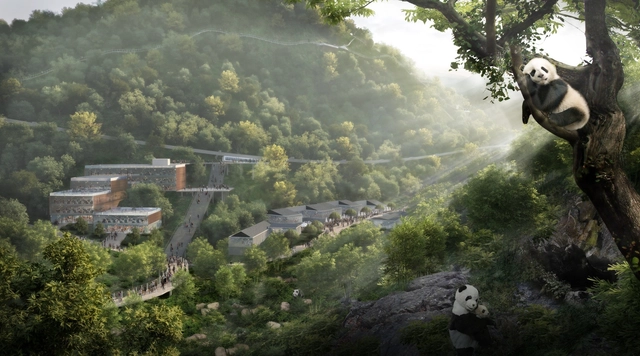
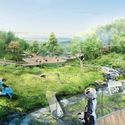
Sasaki has unveiled images of their proposed Chengdu Panda Reserve in China, intended to aid wildlife preservation efforts of the Chinese cultural icon. The masterplan for the reserve represents the launch of “China’s increasing communication, collaboration, and awareness of its pioneering strategies to protect the species and its native habitat.”
With only 1,800 left in the wild, the giant panda is one of the most vulnerable species on earth, and are native to only one region in the world: an area of western China near Chengdu. As one of the fastest-growing cities in the world, Chengdu’s rapid urbanization will yield to a 69-square-kilometer reserve, providing a framework for the protection of endangered species worldwide.