Rio de Janeiro architect and urban planner Washington Fajardo has been named by the Bienal de São Paulo Foundation as curator of the Brazilian Pavilion at Venice Biennale 2016. Fajardo is president of the Rio World Heritage Institute (Instituto Rio Patrimônio da Humanidade) and the Municipal Council of Cultural Heritage Protection (Conselho Municipal de Proteção do Patrimônio), as well as special advisor to Mayor Eduardo Paes on urban planning issues.
Santiago Calatrava is celebrating the opening of the Museu do Amanhã (The Museum of Tomorrow) this week in Rio de Janeiro. The highly anticipated museum, built on the Pier Mauá, features a distinct cantilevering roof that stretches 75-meters over the museum's 7,600-square-meter plaza and 45-meters towards the sea.
"The city of Rio de Janeiro is setting an example to the world of how to recover quality urban spaces through drastic intervention and the creation of cultural facilities such as the Museum of Tomorrow and the new Museum of Art,” said Santiago Calatrava. "This vision led us, in our first designs, to propose the addition of a plaza outside the Museum. The plaza creates a more cohesive urban space and reflects the neighborhood’s greater transformation.”
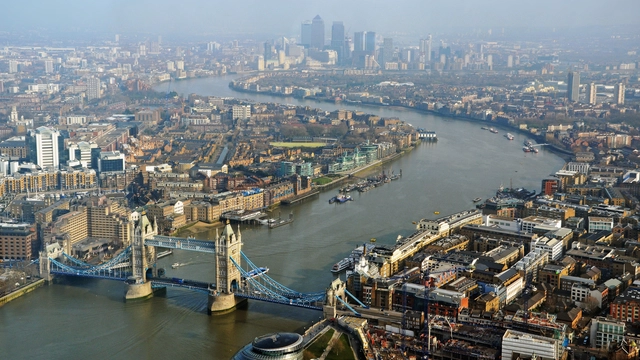
River Thames, London. Image Courtesy of Monocle 24
For this edition of The Urbanist, Monocle 24's weekly "guide to making better cities," the team report from the two-day CityLab summit, which "gathered the world’s top mayors and urban leaders for a series of chats on how to to make our cities a better place." They explore the vision for London’s transport infrastructure, discover how Rio de Janeiro is gearing up its digital strategy ahead of the 2016 Olympic Games, and find out how to create a smart city through data. On top of that, they chat to millennials in Washington and "sit down for a very honest chat with the mayor of Athens."
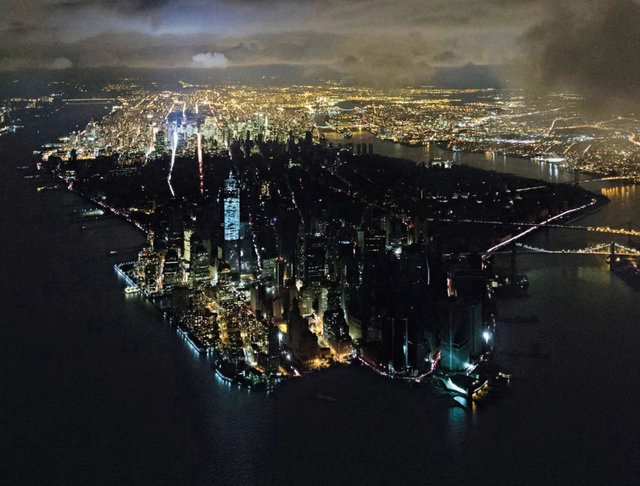
In a culture dominated by smartphones and Instagram, with estimates that over one trillion photographs will be taken this year alone, it might seem impossible for photographs to make and shape issues in the ways they once did. Despite this, images still steer debates with shocking resiliency and, with luck, become iconic in their own right. As architecture is synonymous with placemaking and cultural memory, it is only logical that images of the built environment can have lasting effects on the issues of architecture and urbanism. It's never been easier for photographs to gain exposure than they can today, and with social media and civilian journalism, debates have never started more quickly.
For this week's edition of The Urbanist, Monocle's weekly "guide to making better cities," the team discuss urbanism projects that were planned and never realised, what 'paper architecture' really is, and the importance of the architectural competition.
In The Urbanist, Andrew Tuck explores how a terrace of old town houses in central London (152-158 The Strand, near Somerset House) have been recently saved from demolition by the efforts of campaigning journalists and a sympathetic public. In Brazil, the yet to be seen high-speed train link between Rio di Janeiro and São Paulo meets scrutiny while in Toronto, five unsuccessful architectural bids are examined. Finally, ArchDaily Editor James Taylor-Foster visits their London studio to talk about the architectural competition, from Brunelleschi to Guggenheim and Den Bosch.
https://www.archdaily.com/771480/monocle-24-explore-architectural-competitions-and-failed-bidsAD Editorial Team
For this week's edition of Section D, Monocle 24's weekly review of design, architecture and craft, the Monocle team take a trip to the near-complete Olympic Village in Rio de Janeiro, plus take a look at the history of the US Embassy in Havanna. The latest edition of The Urbanist explores etiquette and politeness in the metropolis, examining the unspoken rules of conduct that make our cities tick and delve into the psychology of 'urban etiquette'.
Construction of Santiago Calatrava’sMuseu do Amanhã (Museum of Tomorrow) in Rio de Janeiro is underway and on-track to be completed in the second half of 2015. Located on the Pier Mauá, the museum will encompass a 15,000m2 built area and include gardens, leisure areas, bike paths, and a reflective pool, totaling over 30,000m2. The ground floor of the museum will include a store, auditorium, temporary exhibit rooms, a restaurant, administrative offices and space for research and educational activities. The upper floor, connected to the ground floor with ramps, will include long-term exhibits, a café and a panoramic lookout.
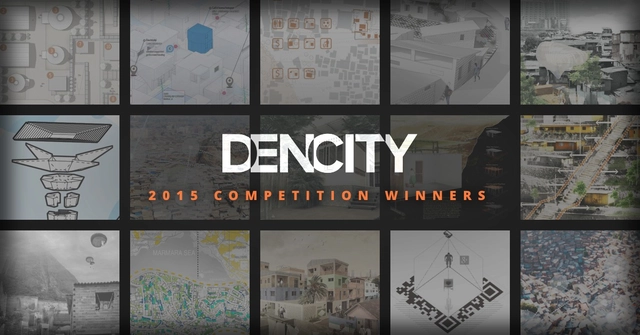
International architecture non-profit Shelter Global has announced the winners of its 2015 Dencity Competition. Out of 300 entries from 50 different countries, three winners and six special mentions were selected.
The competition’s goal was “to foster new ideas on how to handle the growing density of unplanned cities and to spread awareness of the massive problem,” and jury members sought out project designs that empower communities and allow for self-sufficiency. Read about the three winners, after the break.
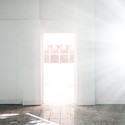
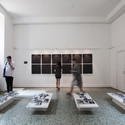
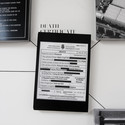
At the 2014 Venice Biennale, away from the concentrated activity of the Arsenale and Giardini, was Death in Venice: one of the few independent projects to take root that year. The exhibition was curated by Alison Killing and Ania Molenda, who worked alongside LUST graphic designers. It saw the hospitals, cemeteries, crematoria and hospices of London interactively mapped creating, as Gian Luca Amadei put it, an overview of the capital's "micro-networks of death." Yet it also revealed a larger message: that architecture related to death and dying appears to no longer be important to the development of architecture as a discipline.
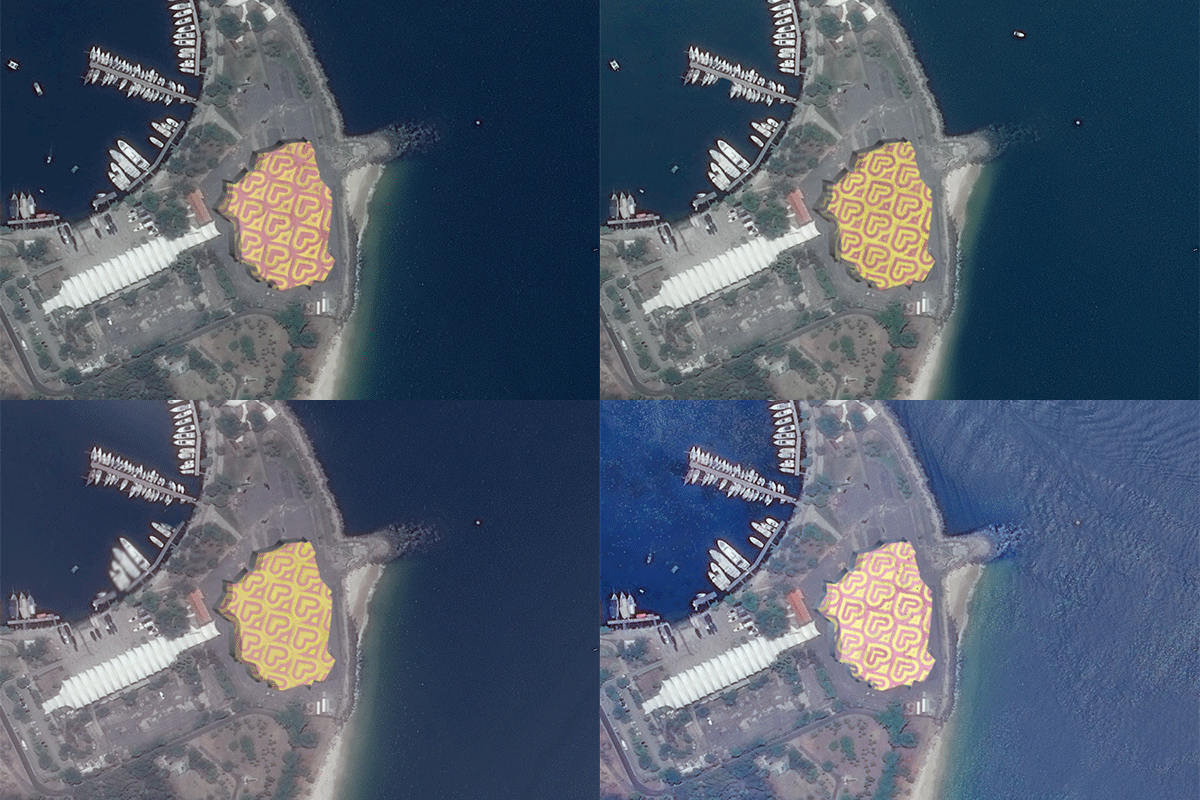
The Flamengo landfill in Rio de Janeiro was recently host the world's largest urban art GIF. Created by anonymous artist INSA, the work consisted of a huge floor painting that underwent minor changes recorded by the satellite 430 miles above the earth.
Sponsored by Scotch whiskey brand Ballantine, the painting - 619,000-square-feet of yellow and pink hearts - was produced by a 20-person team over the course of four days. With each new picture, the team altered the illustration so that, by the end of the process, the recorded images created an animated GIF (as seen above).
It’s no wonder that the beautiful city of Rio de Janeiro is one of the most visited cities in the southern hemisphere. From Copacabana’s Balneario Beach to the iconic Cristo Redentor atop Corcovado, Rio is a “cidade maravilhosa” (marvelous city) with one of the most spectacular urban settings in the world. Capturing its mystic, the pros of Scientifantastic have posted a stunning time-lapse that captures life in the coastal Brazilian megalopolis.
Another, revealing the favelas of Brazil and more, after the break.


.jpg?1450368012&format=webp&width=640&height=580)






.jpg?1437726842&format=webp&width=640&height=580)


.jpg?1437726842)
.jpg?1437258175&format=webp&width=640&height=580)
.jpg?1437258124 "© Paul Clemence")
.jpg?1437258035 "© Paul Clemence")
.jpg?1437258081 "© Paul Clemence")
.jpg?1437258055 "© Paul Clemence")
.jpg?1437258175)


.jpg?1428428621 "© Leonardo Finotti")
.jpg?1428428476 "© Leonardo Finotti")
.jpg?1428428904 "© Leonardo Finotti")