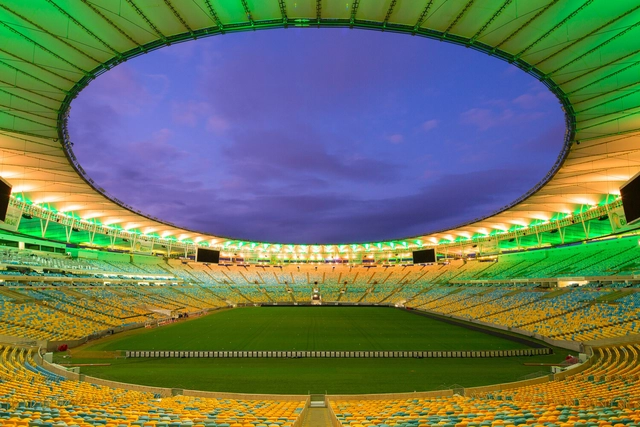
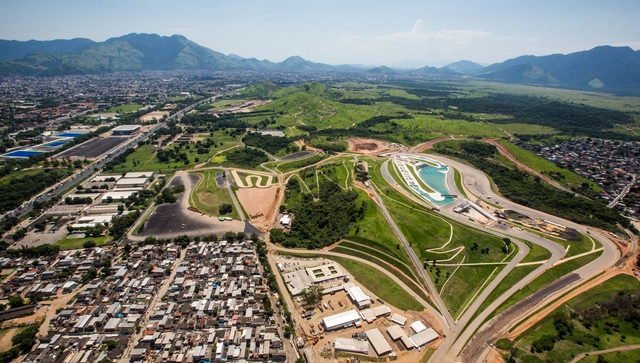
Rio de Janeiro is a city of sights and sounds. As diverse as its people is the collection of impressive architecture found in Brazil's second most populous city—from Eurocentric historical architecture to 20th century regionalist modern marvels, not to mention the city's growing crop of contemporary cultural venues. The combination of mountainous terrain, lush rainforest, and the ocean inspires many to create lively and unique architecture.
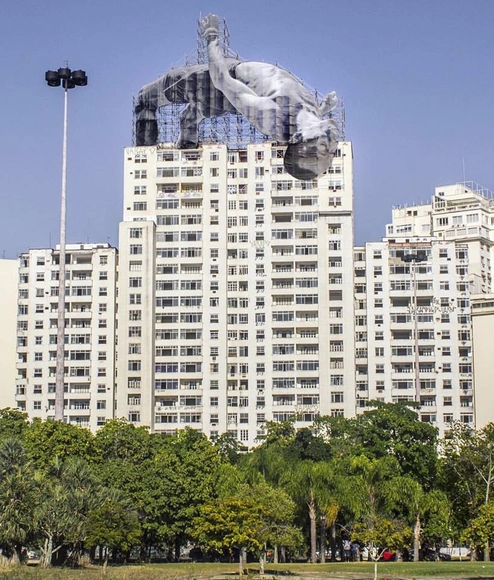
JR is an anonymous artist who owns the biggest art gallery in the world. His exhibits are available on the streets, free of charge catching the attention of people who are not typical museum visitors. His work is thought provoking and mixes art and act.
JR is known worldwide for projects such as Portrait of a Generation (2006), Women Are Heroes (2008), and Face 2 Face (2007). The latter is a piece which through portraits of people made with a wide angle lens, printed in large scale and pasted on city walls was able to generate a reaction from the public.
Photographer and filmmaker Joe Capra, known for Scientifantastic, filmed and produced the video '10328x7760 - The 10K Demo', which is exactly what the title implies, a timelapse video resolution in 10K of the city of Rio de Janeiro. For those who are not familiar with the technical specifications, this resolution is about 10 times higher than the traditional Full HD (1920 x 1080px), which is the maximum resolution of most monitors sold today.
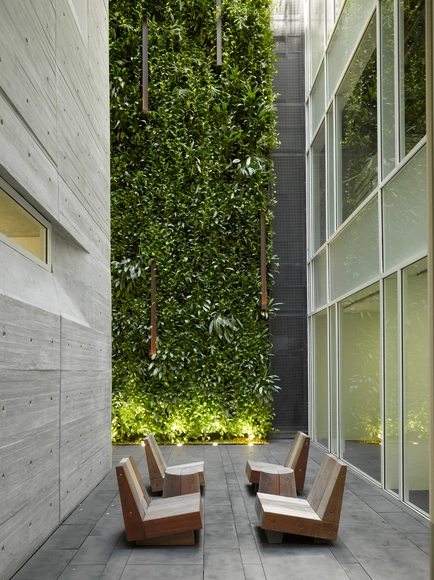
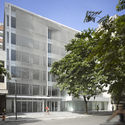
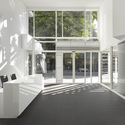
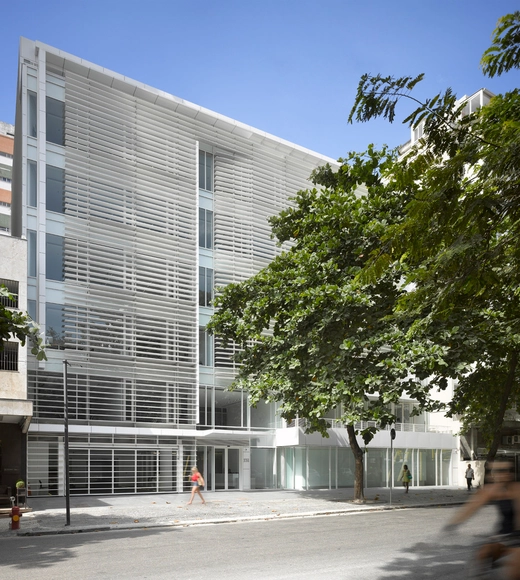
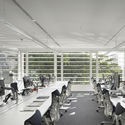
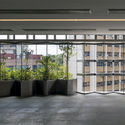
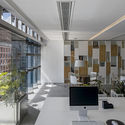
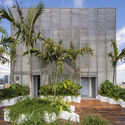
Richard Meier & Partners has completed their first project in South America, a 7-story, sustainable office building in the Rio de Janeiro neighborhood of Leblon. The building will feature concrete, glass and vertical gardens, and will serve as the new international headquarters for top Brazilian investment firm VINCI Partners. The structure consists of open office spaces looking out onto several private interior courtyards and a series of terraces that create a connection with the main urban thoroughfare of Bartolomeu Mitre Avenue.
With the opening ceremony of the Rio de Janeiro Olympics fast approaching, the city’s preparations have hit another setback. The main ramp at Marina da Gloria, which will serve as the Olympic sailing venue over the next few weeks, has partially collapsed. The structure was intended for temporary use as the main access point for boats to enter the water. No one was injured in the incident.
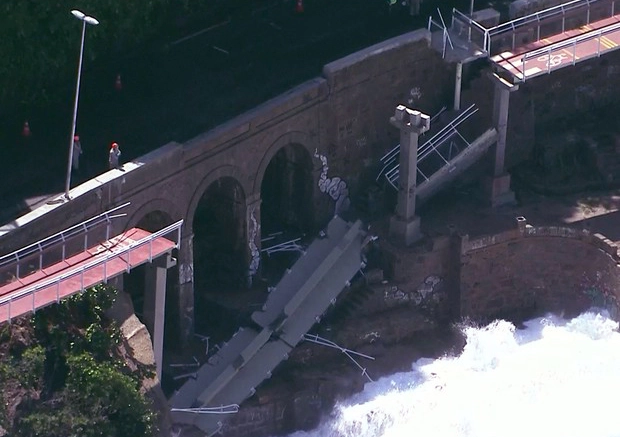
A 50-meter stretch of Rio de Janeiro's Tim Maia bike path, which was built in preparation of the 2016 Olympic Games to connect neighborhoods Leblon and São Conrado, collapsed this morning. Adjacent to the Avenue Oscar Niemeyer, in the south of the city, the bike path was inaugurated on January 17 this year. According to the fire department, the deadly accident was caused by the surf of the sea.
According to passersby, the bike lane was hit by a strong wave that, in addition to collapsing the site, broke the windshield of a bus and dragged a woman on the boardwalk. The location is near the exit of the sewer pipe.
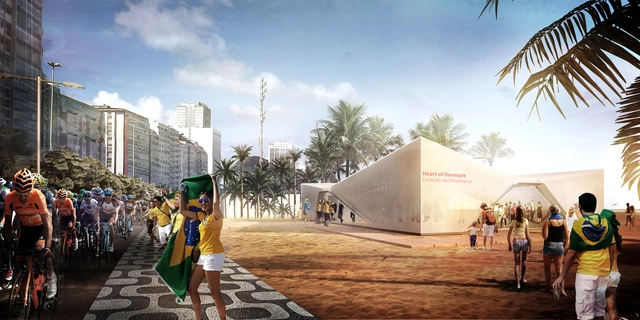
Exterior Rendered Perspective. Image Courtesy of Henning Larsen
Henning Larsen has been selected to design a pavilion for Denmark for the 2016 Summer Olympics in Rio de Janeiro. Opening on Ipanema Beach from August 4-21, 2016, the pavilion – named “The Heart of Denmark” – will feature a tent structure that utilizes building techniques appropriated from sailboat construction. Inspired by Denmark’s maritime history, Danish architecture, the landscape of Rio de Janeiro and the buildings of Oscar Niemeyer, the pavilion will marry aesthetic iconography of both Denmark and Brazil.
In the latest episode of The Urbanist, Monocle 24's weekly "guide to making better cities," the team tackle the 'establishment'. From small businesses to citizen collectives, the show discovers how "championing transformative change from the ground up can be the best way to alter the status quo in our cities." Investigating how the Ministry of Space is reclaiming public spaces in Belgrade, how ordinary citizens in Vienna are welcoming refugees, and how a collective in Rio de Janeiro wants to reshape the politics of the city, the episode also explores how small businesses in London’s West End are fighting against increasing rent.
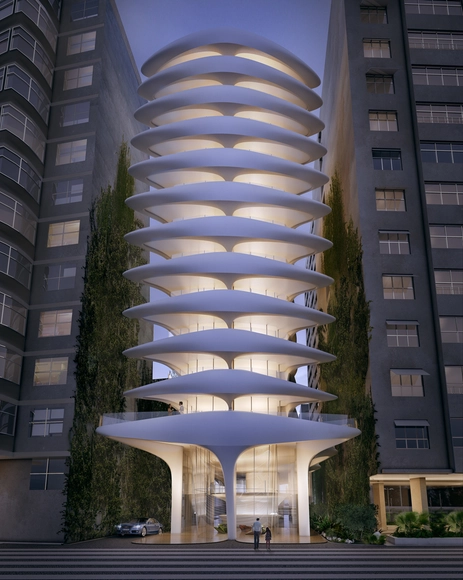
Zaha Hadid Architects has released more information on their first Brazilian project - a luxury residential building known as Casa Atlântica. Planned for a site on Rio de Janeiro's Avenida Atlântica at Copacabana Beach, the 11-story building features a spine-like facade with expansive balconies and a roof top pool.
"The natural forms of Rio’s morros and beaches generate an elastic, malleable quality within the city’s urban fabric, while the dynamism of Copacabana - with its energy and rhythm - is one of the city’s most important public spaces," says ZHA.
"Casa Atlântica’s design continues the liberating composition and spatial flow inherent within Brazil’s rich Modernist tradition, engaging with the unique tempo and vitality of Copacabana’s urban beach culture, as well as the fluidity of its renowned Burle Marx promenade."
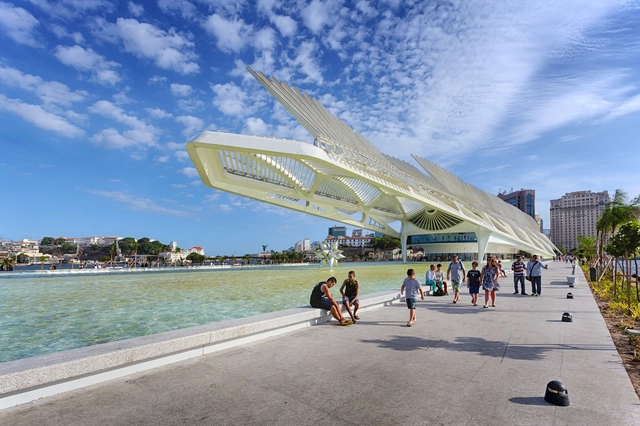
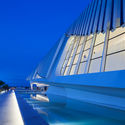
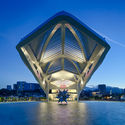
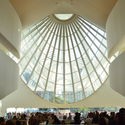
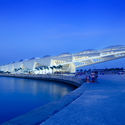
Last week marked the opening of Santiago Calatrava's Museum of Tomorrow in Rio de Janeiro. Prior to the its opening, ArchDaily sat down with Calatrava to learn more about the museum's design and how the project's fruition resulted in the removal of an elevated highway that once isolated the city from the harbor.