
-
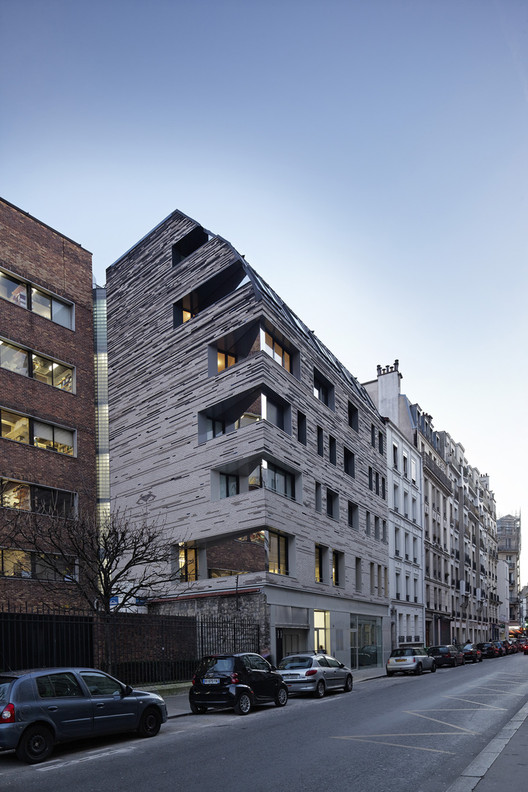
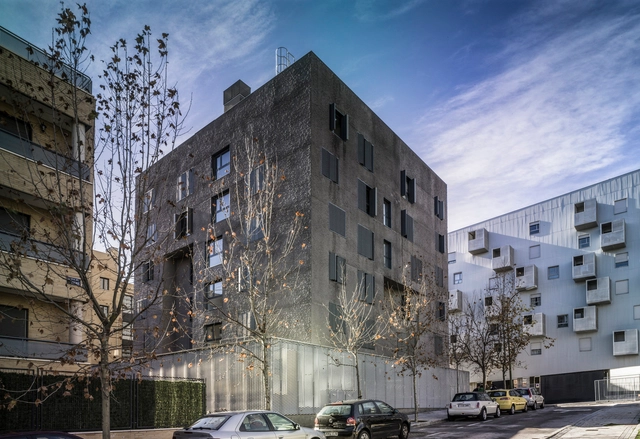
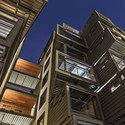
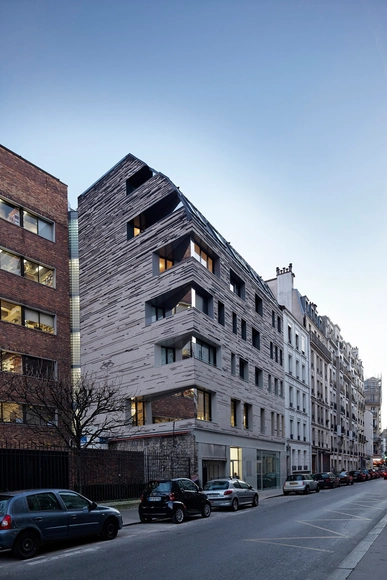
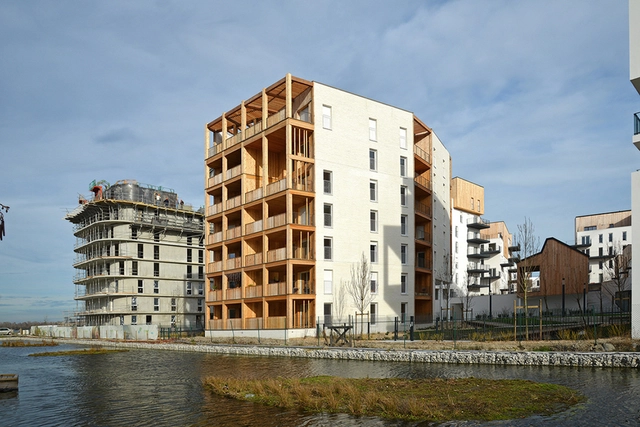
Architects: PietriArchitectes
- Area: 15000 m²
- Year: 2013
-
Manufacturers: Balsan, Jousselin
-
Professionals: Franck Boutté Consultants, Avel, Anthiope, Atelier Jours
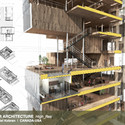
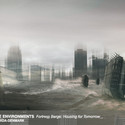
d3 has just announced the winners of its annual Housing Tomorrow competition, a competition that urges its participants to "deploy innovative, socially- and environmentally-engaged approaches to residential urbanism, architecture, interiors, and designed objects" in order to determine "new architectonic strategies for living in the future." As always, the results are fantastic, thought-provoking visions of a more sustainable world. See the winners, after the break.
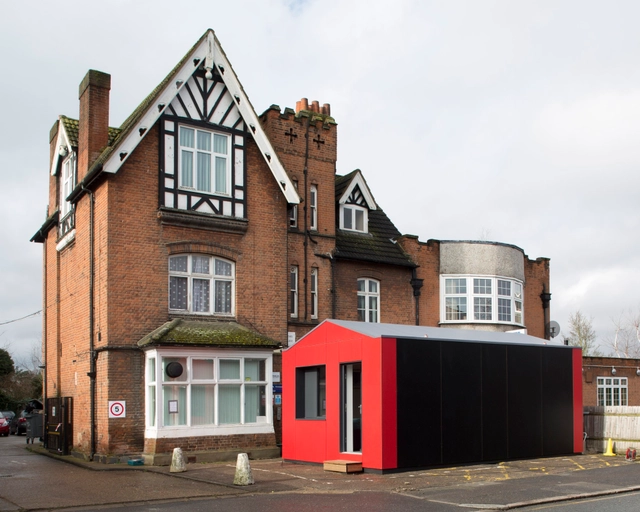
The Y-Cube, a £30,000 factory-built 26 square meter flat which can be easily transported and craned into place, has been prototyped and successfully tested in the UK. The YMCA asked Rogers Stirk Harbour + Partners to create the Y-Cube, an affordable alternative for residents moving on from the non-profit’s hostels. And now, the YMCA wants more of these one-bedroom dwellings.
“The beauty is that the units can be moved off site as quickly as they are installed,” says Andy Redfearn of the YMCA, “as we operate on short-term leases – we expect people to stay [in the Y-Cube] for between three to five years, giving them time to skill up and save for a deposit.”

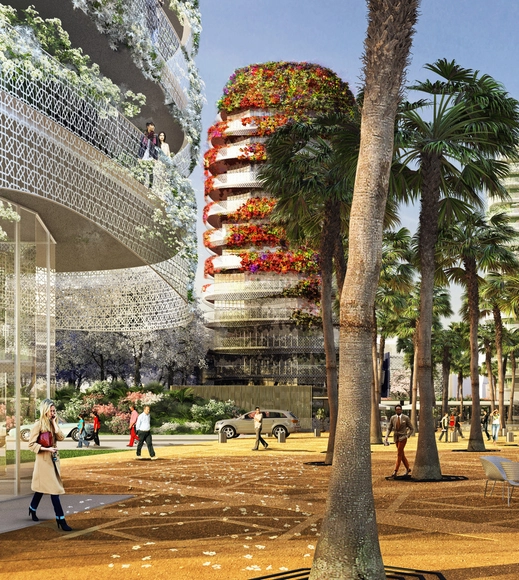
Maison Edouard François has masterplanned a new mixed-use neighborhood for the Moroccan city Casablanca: “The Gardens of Anfa.” Scheduled for completion in 2017, the plan calls for three mid-rise residential towers, a low-rise office tower, and a series of residential blocks connected by a central piazza and concealed within a lush multicolored landscape. Each “organically-shaped” tower will be enhanced by a trellised facade that fosters the growth of bougainvilleas and jasmine, further camouflaging the structure and “demarcating the limits of a garden.”

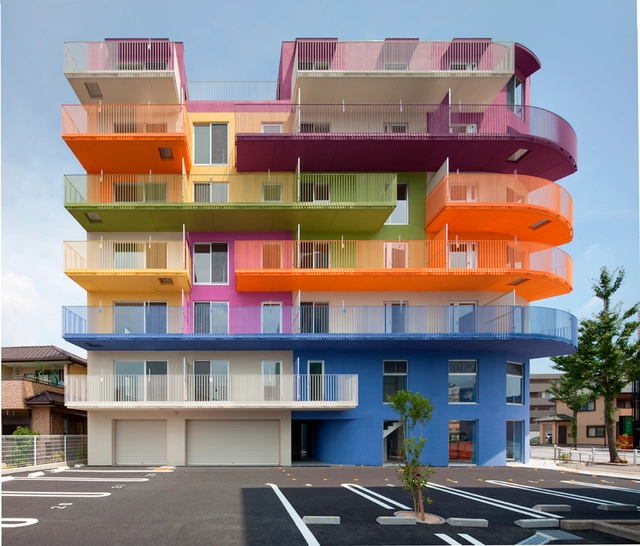
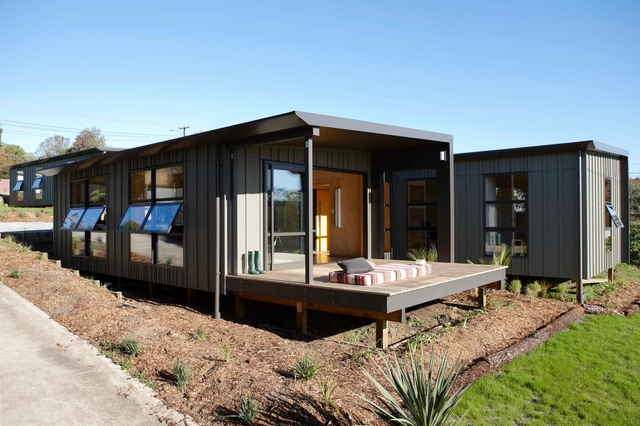
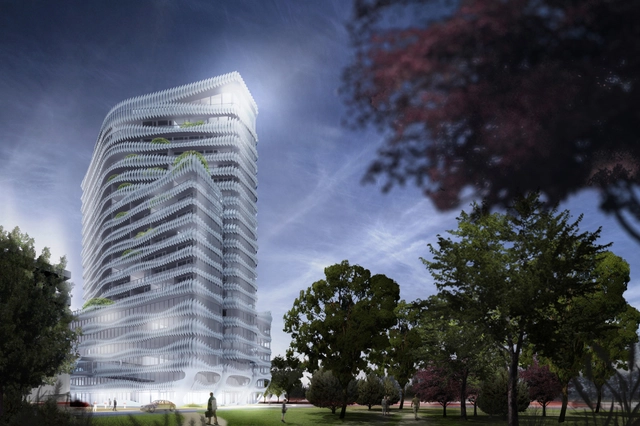
J. Mayer H. has been crowned as winner of an invited competition to design a 19-story medical services and residential high-rise in the center of the Rhine-Ruhr metropolitan region. The “sculptural” tower, which is defined by the horizontal “cloud-shaped” aluminum strips that cloak its facade, is designed to “provide a natural atmosphere” enhanced by planted terraces and balconies overlooking the adjacent landscape of the Rheinaue and views of Duesseldorf.

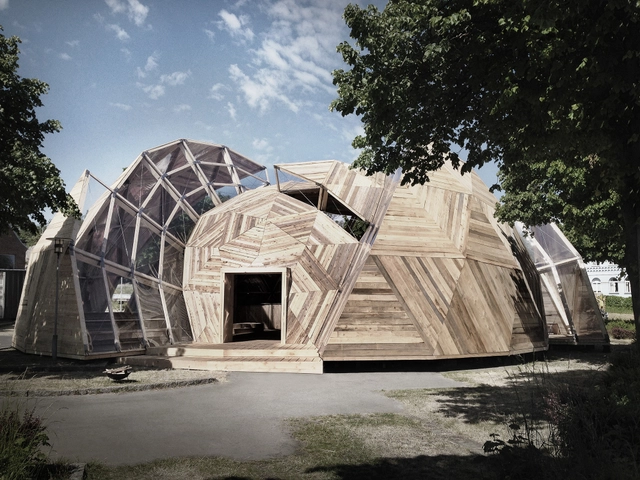
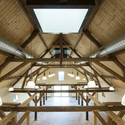
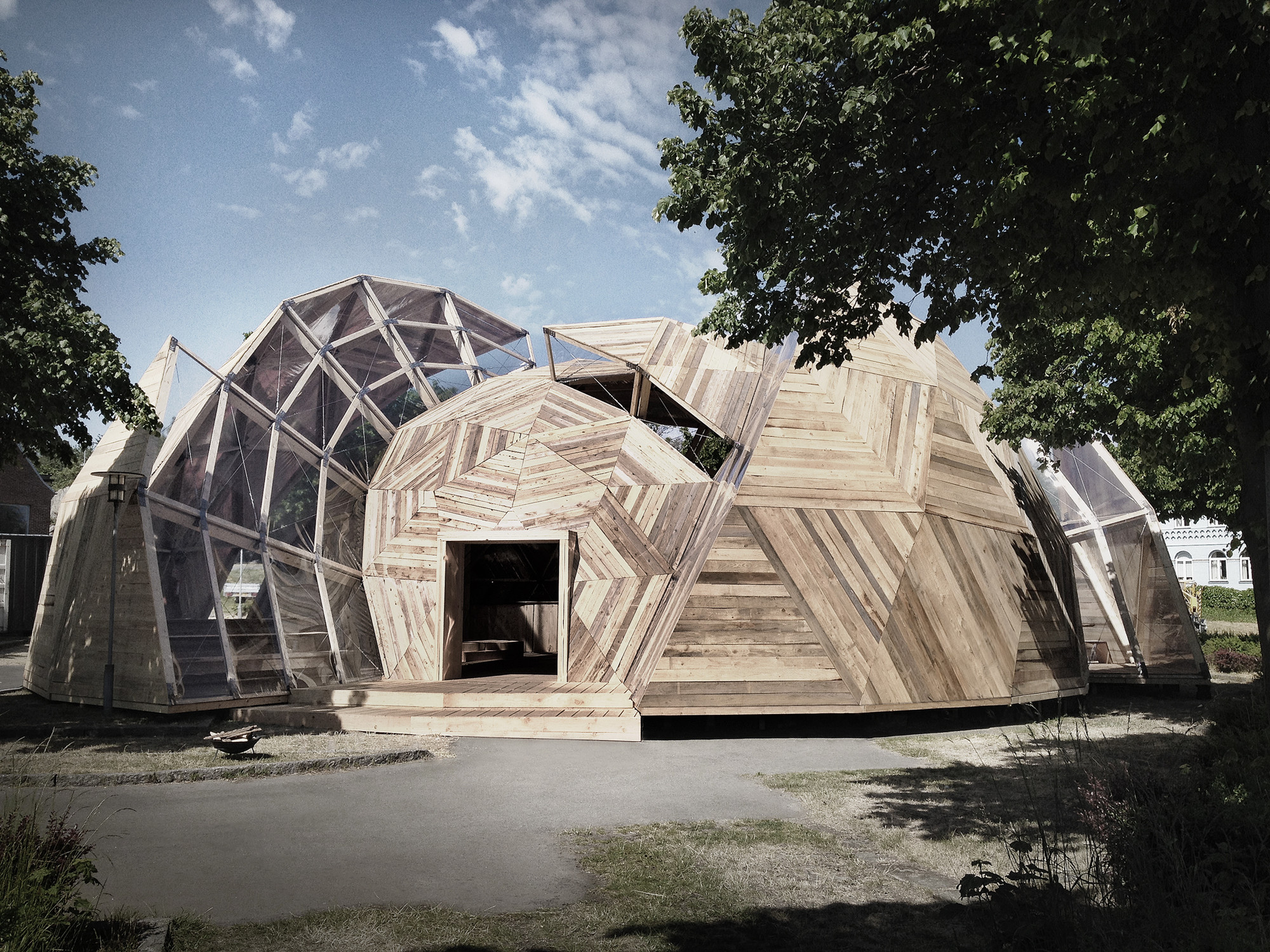
In order to generate a debate on the future of housing, Danish designers Tejlgaard & Jepsen are in the process of permanently reconstructing the People's Meeting Dome as a gift from BL (Denmark's Public Housing) and Lokale & Anlægsfonden to the Island of Bornholm and the city of Allinge. Having previously been erected twice as a temporary event space, this final incarnation of the dome will be inaugurated at the next Folkemøde (an annual gathering of Danish politicians), with the intention of becoming a community and event centre for the city.