1. ArchDaily
  2. Residential Architecture

Residential Architecture: The Latest Architecture and News

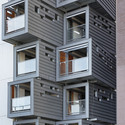
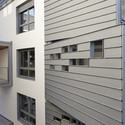
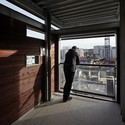
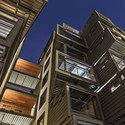
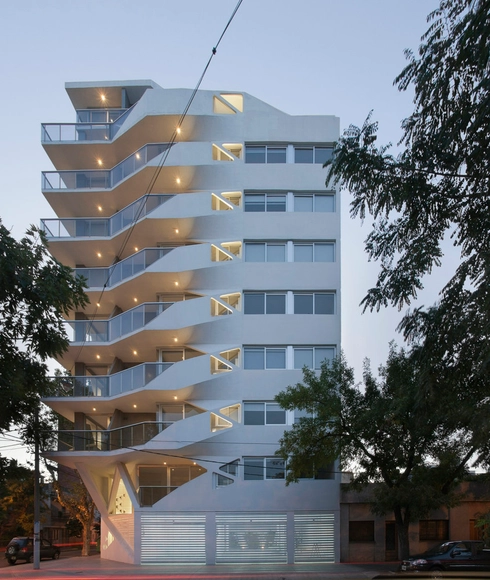
Jujuy Redux / P-A-T-T-E-R-N-S + Maxi Spina Architects

Jujuy Redux / P-A-T-T-E-R-N-S + Maxi Spina Architects - Housing, Door, Facade, HandrailJujuy Redux / P-A-T-T-E-R-N-S + Maxi Spina Architects - Housing, Facade, Handrail, Balcony, CityscapeJujuy Redux / P-A-T-T-E-R-N-S + Maxi Spina Architects - Housing, Facade, LightingJujuy Redux / P-A-T-T-E-R-N-S + Maxi Spina Architects - Housing, Handrail, FacadeJujuy Redux / P-A-T-T-E-R-N-S + Maxi Spina Architects - More Images+ 43

Rosario, Argentina

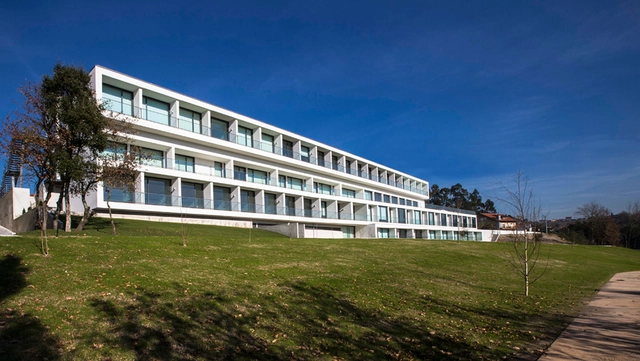
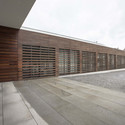
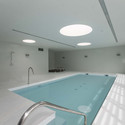
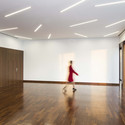
Elderly Residential Building / Atelier d'Arquitectura J. A. Lopes da Costa

Elderly Residential Building / Atelier d'Arquitectura J. A. Lopes da Costa - Housing, FacadeElderly Residential Building / Atelier d'Arquitectura J. A. Lopes da Costa - Housing, Door, Lighting, Bathtub, ChairElderly Residential Building / Atelier d'Arquitectura J. A. Lopes da Costa - HousingElderly Residential Building / Atelier d'Arquitectura J. A. Lopes da Costa - Housing, FacadeElderly Residential Building / Atelier d'Arquitectura J. A. Lopes da Costa - More Images+ 24

Santo Tirso, Portugal
  • Architects: Atelier d'Arquitectura J. A. Lopes da Costa
  • Year Completion year of this architecture project Year:  2013
  • Professionals: Termoprojecto

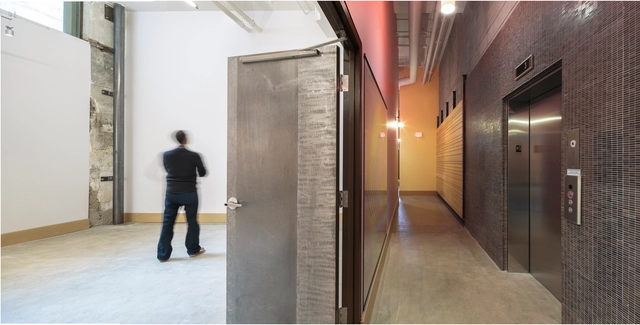
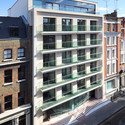
West End Offices Reconversion to Apartments / Emrys Architects

West End Offices Reconversion to Apartments  / Emrys Architects - Adaptive Reuse, Facade, Handrail, BalconyWest End Offices Reconversion to Apartments  / Emrys Architects - Adaptive Reuse, Facade, CityscapeWest End Offices Reconversion to Apartments  / Emrys Architects - Adaptive Reuse, FacadeWest End Offices Reconversion to Apartments  / Emrys Architects - Adaptive Reuse, Bathroom, Door, SinkWest End Offices Reconversion to Apartments  / Emrys Architects - More Images+ 17

  • Architects: Emrys Architects
  • Area Area of this architecture project Area:  3720 ft²
  • Year Completion year of this architecture project Year:  2011

A Brief History of the Windowless House

Subscriber Access | 

In this article, originally published by Metropolis as "Houses Without Windows: Meditative Respites or Architectural Straightjackets?", Komal Sharma looks into the architectural oddity that is the completely enclosed house. While many would shudder at the idea, there is a rich history of houses which, in exceptional circumstances and with exceptional clients, make sense without windows.

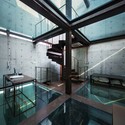
The Vertical Glass House by Chinese architects Atelier FCJZ is disingenuous to say the least. Its name suggests a vertical derivative of Philip Johnson's canonical house, and in fact its architects describe it as a 90-degree rotation of the typical modernist glass house. Instead, what welcomes visitors at Shanghai's Xuhui waterfront is a four-story concrete house without any windows. Where is all that promised glass, you might ask?

The answer is inside. The house's textured concrete walls give it the appearance of a bunker, but the interiors are actually light-filled. The architects accomplish this through an inverted sense of space. Where one expects walls of glass, yielding a platonic prism that brazenly exposes inhabitants to the outside world, the house instead delivers a surprising twist: the 7-cm-thick floor slabs are completely transparent, endowing users with a Superman-like sense of see-through vision. The experience of looking up through all of the house's spaces, even the most private spaces like the bathroom, is breathtakingly novel.

Read on for more about the phenomenon of window-less houses
A Brief History of the Windowless House - Image 1 of 4A Brief History of the Windowless House - Image 2 of 4A Brief History of the Windowless House - Image 3 of 4A Brief History of the Windowless House - Image 4 of 4A Brief History of the Windowless House - More Images+ 3

AD Classics: Kubuswoningen / Piet Blom

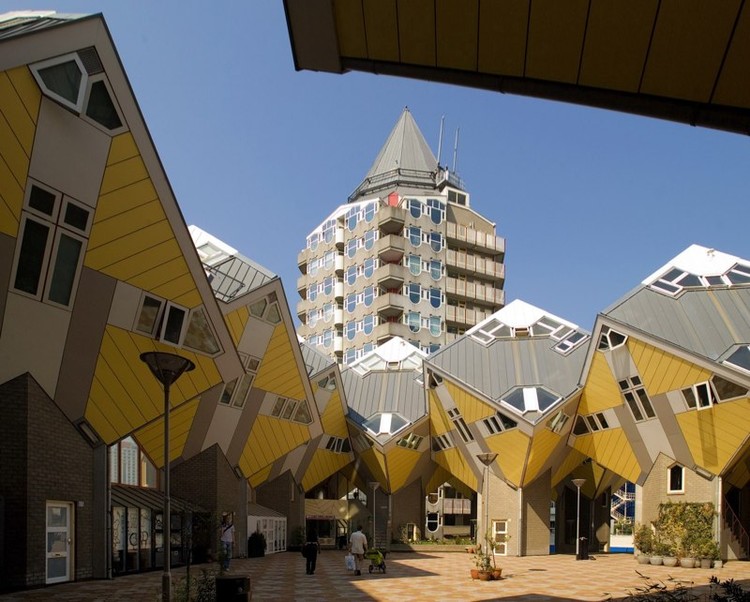
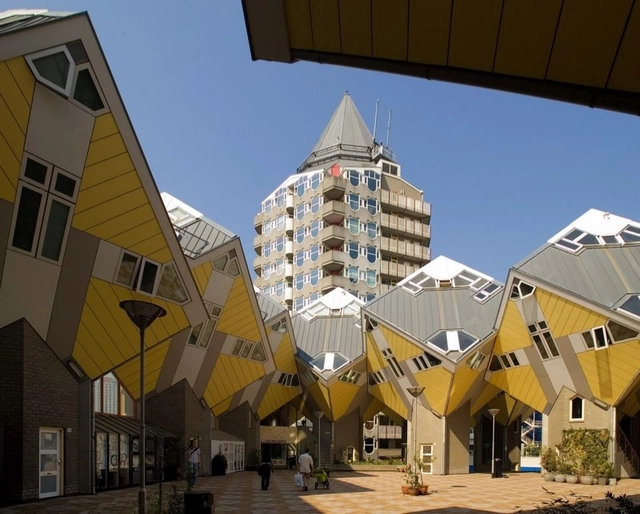
A popular tourist attraction and bizarre architectural experiment, the Kubuswoningen is located in the Oude Haven, the most historic section of Rotterdam’s port. Following the destruction of the Oude Haven during the Second World War, architect Piet Blom was asked to redevelop the area with architecture of character, presenting him the opportunity to apply his earlier cube housing exploration in Helmond to a more urban context. Known for his desire to challenge conventions, Blom did not want the Kubuswoningen to resemble typical housing; he strived to dissolve the attitude that “a building has to be recognizable as a house for it to qualify as housing.” During a time when the rebuilding of Rotterdam was pivotal, the Kubuswoningen served as an influential precedent for progressive and innovative architectural development.
AD Classics: Kubuswoningen / Piet Blom - Retail , Facade, Arch, CityscapeAD Classics: Kubuswoningen / Piet Blom - Retail , Facade, Handrail, Stairs, Arch, BeamAD Classics: Kubuswoningen / Piet Blom - Retail , FacadeAD Classics: Kubuswoningen / Piet Blom - Retail , FacadeAD Classics: Kubuswoningen / Piet Blom - More Images+ 30

Norman Foster's Ultra-Thin Condominum Tower to Rise Above Seagram Building

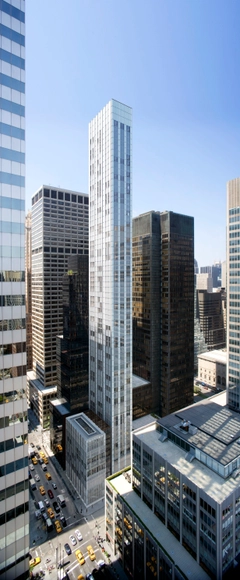
Construction is officially underway on 610 Lexington Avenue, a 700-foot ultra-thin condominium tower designed by Foster + Partners in New York City. Designed as a contrast to its neighboring landmark, Mies van der Rohe’s midcentury Seagram Building, the slim 61-story tower will feature 91 luxury units encased within a pure white glass facade.

Richard Meier Designs Two-Tower Residential Development for Bogota

Richard Meier Designs Two-Tower Residential Development for Bogota - Housing, Facade, Arch, Cityscape
North View. Image Courtesy of Richard Meier & Partners

Richard Meier & Partners has unveiled designs for their first project in Bogota: Vitrvm. Conceptualized as two towers united at the base, the new 13-story residential development will provide 36 apartments along Septima Avenue in the north section of the city.

“The project is contextually inspired by the beauty of its immediate surroundings,” described the architects. “It aims to reflect and to engage the beautiful gardens and large trees at the Chico Park and the Seminario Mayor,” one of the largest and most important seminaries in Colombia.
The Freakonomics Podcast Tackles the Question: Why Is Japan Crazy About Housing?

Subscriber Access | 

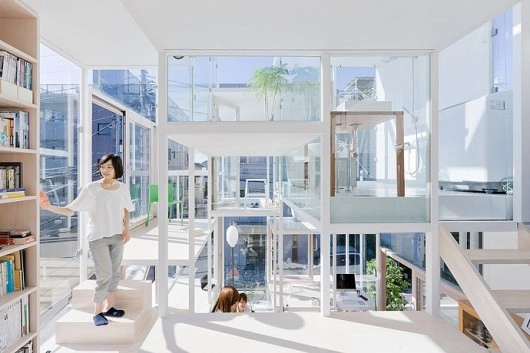
Freakonomics has just posted a fascinating new podcast that takes on the question posed by Alastair Townsend in our AD original article: “Why Japan is Crazy About Housing.” The podcast consults with Townsend and economic experts to present a thought-provoking answer to the puzzling question of why Japan builds architecture that is avant-garde and yet, ultimately, disposable. The answer may just surprise you. Listen to the whole podcast here:
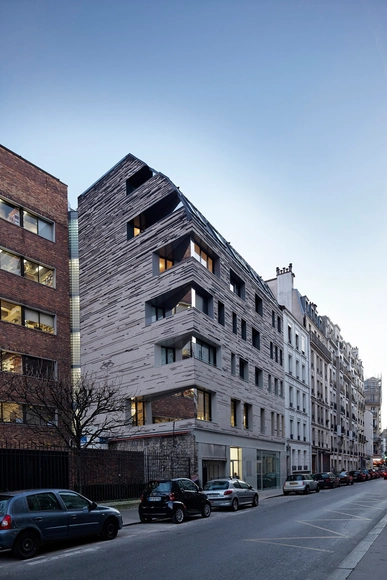
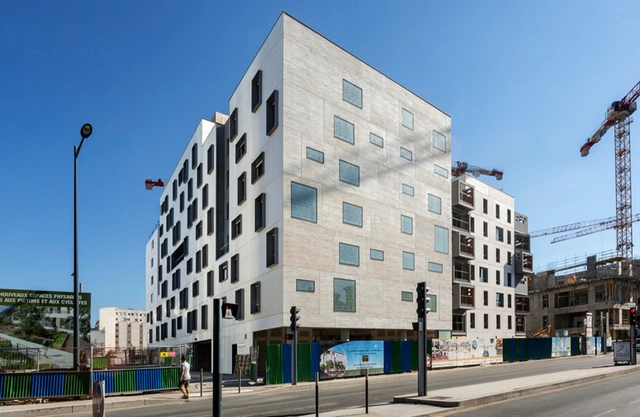
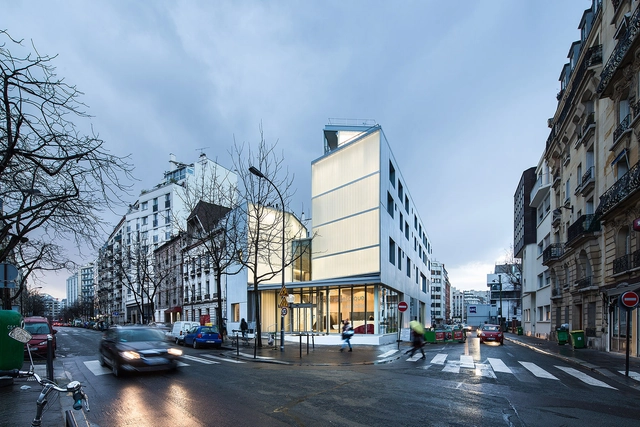
Villa des Sciences / LOG Architectes

Villa des Sciences  / LOG Architectes - Store, Bathroom, Facade, BathtubVilla des Sciences  / LOG Architectes - Store, DoorVilla des Sciences  / LOG Architectes - Store, Facade, StairsVilla des Sciences  / LOG Architectes - Store, Door, FacadeVilla des Sciences  / LOG Architectes - More Images+ 8

  • Architects: LOG Architectes
  • Area Area of this architecture project Area:  1319
  • Year Completion year of this architecture project Year:  2014
  • Manufacturers Brands with products used in this architecture project
    Manufacturers:  LG Hausys
  • Professionals: LOG architects

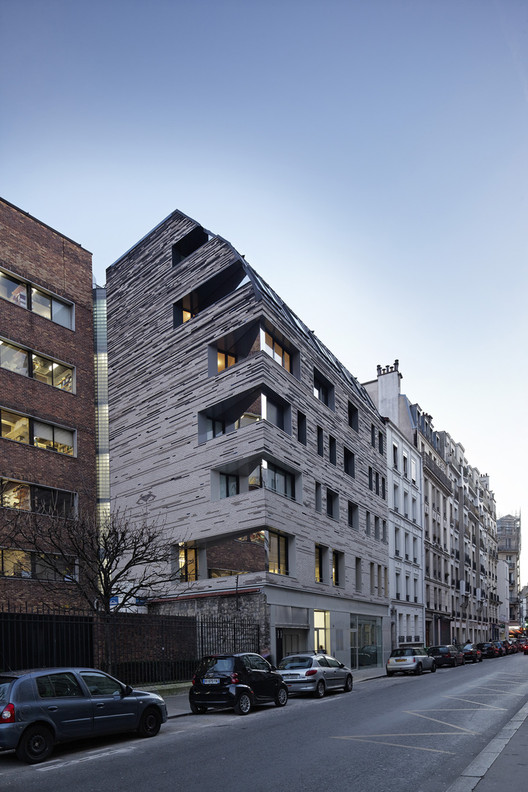
Le Carré en Seine / PietriArchitectes

Le Carré en Seine / PietriArchitectes - Apartments, Facade, Balcony, DoorLe Carré en Seine / PietriArchitectes - Apartments, Facade, DoorLe Carré en Seine / PietriArchitectes - Apartments, Beam, FacadeLe Carré en Seine / PietriArchitectes - Apartments, Facade, BalconyLe Carré en Seine / PietriArchitectes - More Images+ 21

The Winners of d3 Housing Tomorrow 2014

d3 has just announced the winners of its annual Housing Tomorrow competition, a competition that urges its participants to "deploy innovative, socially- and environmentally-engaged approaches to residential urbanism, architecture, interiors, and designed objects" in order to determine "new architectonic strategies for living in the future." As always, the results are fantastic, thought-provoking visions of a more sustainable world. See the winners, after the break.
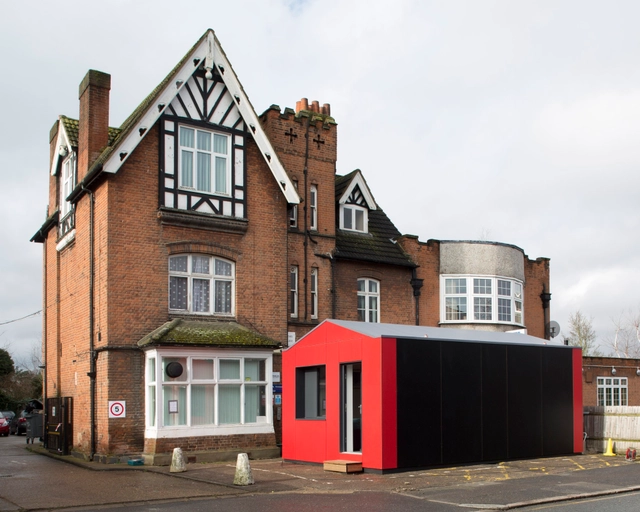
The Winners of d3 Housing Tomorrow 2014 - Image 1 of 4The Winners of d3 Housing Tomorrow 2014 - Image 2 of 4The Winners of d3 Housing Tomorrow 2014 - Image 3 of 4The Winners of d3 Housing Tomorrow 2014 - Image 4 of 4The Winners of d3 Housing Tomorrow 2014 - More Images+ 13

Richard Rogers' Pre-Fab Y-Cube Takes on UK Housing Crisis

The Y-Cube, a £30,000 factory-built 26 square meter flat which can be easily transported and craned into place, has been prototyped and successfully tested in the UK. The YMCA asked Rogers Stirk Harbour + Partners to create the Y-Cube, an affordable alternative for residents moving on from the non-profit’s hostels. And now, the YMCA wants more of these one-bedroom dwellings.

“The beauty is that the units can be moved off site as quickly as they are installed,” says Andy Redfearn of the YMCA, “as we operate on short-term leases – we expect people to stay [in the Y-Cube] for between three to five years, giving them time to skill up and save for a deposit.”
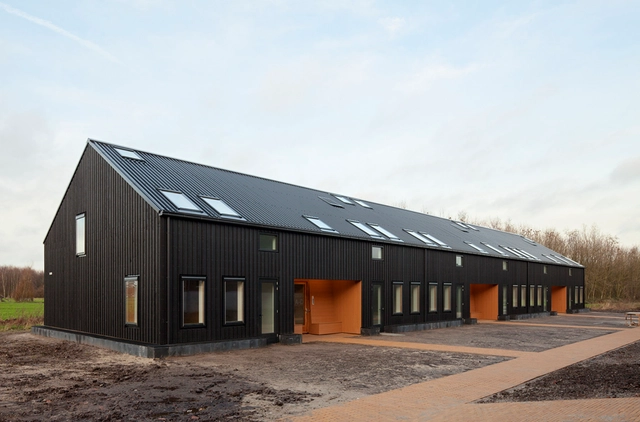
Landlust ‘Care Farm’ / Architectenbureau K2

Landlust ‘Care Farm’  / Architectenbureau K2 - Housing, FacadeLandlust ‘Care Farm’  / Architectenbureau K2 - Housing, Facade, Beam, LightingLandlust ‘Care Farm’  / Architectenbureau K2 - Housing, Beam, LightingLandlust ‘Care Farm’  / Architectenbureau K2 - Housing, Beam, ArchLandlust ‘Care Farm’  / Architectenbureau K2 - More Images+ 19

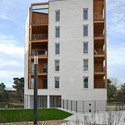
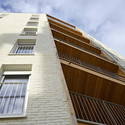
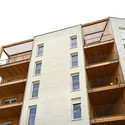
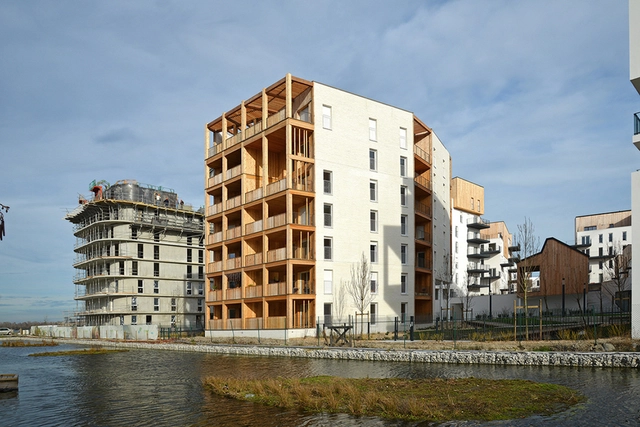
Ginko Eco-Quarter / La Nouvelle Agence

Ginko Eco-Quarter / La Nouvelle Agence - Apartments, FacadeGinko Eco-Quarter / La Nouvelle Agence - Apartments, FacadeGinko Eco-Quarter / La Nouvelle Agence - Apartments, FacadeGinko Eco-Quarter / La Nouvelle Agence - Apartments, Facade, Balcony, HandrailGinko Eco-Quarter / La Nouvelle Agence - More Images+ 19

Bordeaux, France

Patronage Laique & Social Housing / LAPS Architecture + MAB Arquitectura

Patronage Laique & Social Housing / LAPS Architecture + MAB Arquitectura - Social Housing, Facade, Door, Handrail, Table, ChairPatronage Laique & Social Housing / LAPS Architecture + MAB Arquitectura - Social HousingPatronage Laique & Social Housing / LAPS Architecture + MAB Arquitectura - Social Housing, FacadePatronage Laique & Social Housing / LAPS Architecture + MAB Arquitectura - Social HousingPatronage Laique & Social Housing / LAPS Architecture + MAB Arquitectura - More Images+ 23

Barajas Social Housing Blocks / EMBT

Barajas Social Housing Blocks / EMBT - Social Housing, Facade, Cityscape
© Roland Halbe

Barajas Social Housing Blocks / EMBT - Social Housing, Facade, Door, BalconyBarajas Social Housing Blocks / EMBT - Social Housing, Facade, Balcony, HandrailBarajas Social Housing Blocks / EMBT - Social Housing, FacadeBarajas Social Housing Blocks / EMBT - Social Housing, FacadeBarajas Social Housing Blocks / EMBT - More Images+ 35

95 King Street East Studios & Lofts / Curran Gacesa Slote Architects

95 King Street East Studios & Lofts / Curran Gacesa Slote Architects - Renovation95 King Street East Studios & Lofts / Curran Gacesa Slote Architects - Renovation95 King Street East Studios & Lofts / Curran Gacesa Slote Architects - Renovation95 King Street East Studios & Lofts / Curran Gacesa Slote Architects - Renovation95 King Street East Studios & Lofts / Curran Gacesa Slote Architects - More Images+ 14

Hamilton, Canada

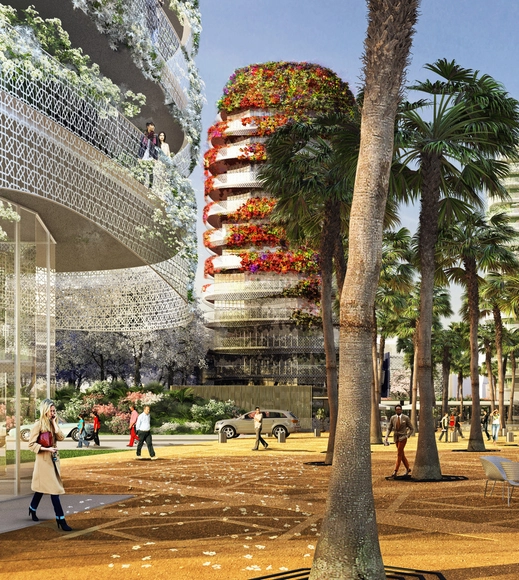
Edouard François Designs Mixed-Use "Gardens of Anfa" for Casablanca

Maison Edouard François has masterplanned a new mixed-use neighborhood for the Moroccan city Casablanca: “The Gardens of Anfa.” Scheduled for completion in 2017, the plan calls for three mid-rise residential towers, a low-rise office tower, and a series of residential blocks connected by a central piazza and concealed within a lush multicolored landscape. Each “organically-shaped” tower will be enhanced by a trellised facade that fosters the growth of bougainvilleas and jasmine, further camouflaging the structure and “demarcating the limits of a garden.”