In partnership with the European Cultural Center (ECC), ArchDaily has launched its inaugural exhibition as part of the seventh iteration of Time Space Existence, an architectural showcase occurring concurrently with the 19th VeniceArchitecture Biennale. Open from May 10 to November 23, 2025, in various locations throughout Venice, this edition centers on the theme of "Repair, Regenerate, and Reuse," promoting innovative and sustainable approaches in architecture. ArchDaily's contribution is located at Palazzo Mora, complementing other venues like Palazzo Bembo, Marinaressa Gardens, and Palazzo Michiel.
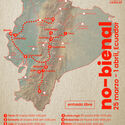
Happening throughout 8 days across 12 cities from north to south of Ecuador, the "no-bienal" biennale is holding its second edition from March 25 to April 1, 2025. Its unique name is devised to stand in opposition to the competitive structure that characterizes traditional biennials in the discipline. One of the objectives of this new edition is to demonstrate that there is unity in Ecuador, resisting the political strategies of division. Escuela Radical, the educational collective at the center of the event's organization, asserts that "it is not about centralization or decentralization, but simply about sharing without competing."
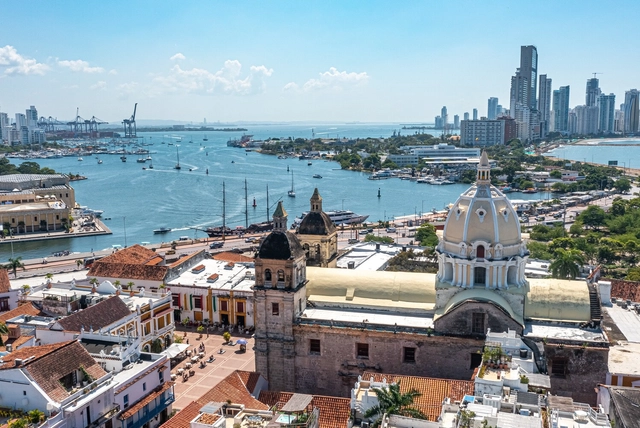
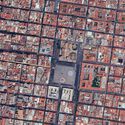
A look at most of the cities within Latin America reveals striking commonalities across countries, from Mexico down to Argentina: most cities have a well-defined area known as "El Centro" (The Center), anchored by a main plaza (Plaza Mayor), flanked by a church on one side and key buildings like the city hall on another. This is no coincidence, as it can be traced back to an urban planning system established during the Spanish colonization of the Americas in the 17th and 18th centuries. It gave standardized guidelines for city design across its viceroyalties. Unlike French and English colonies, Spanish settlements adhered to regulations that contributed to the emergence of a shared urban identity, with cities displaying similar spatial logic and architectural cohesion despite differing scales and contexts.
From the changing seasons to the users' interactions, there is almost an infinite set of facets of the architectural project that can be represented through film, and many photographers have entered into this dimension in different formats: documentaries, fixed camera, scripted performances or time-lapses, among others that you can browse in our video section.
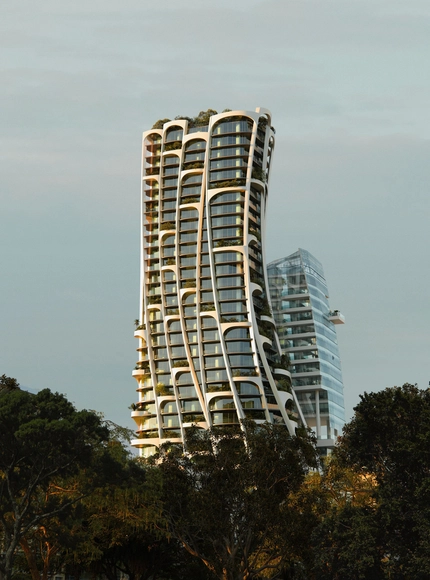
The architecture firm MAD Architects, based in Beijing, China, has presented the design of its first project in South America, the mixed-use "Qondesa" tower in Quito, Ecuador, which will soon become the tallest building in the city.