
Prague: The Latest Architecture and News
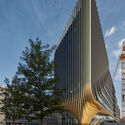
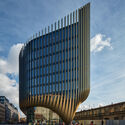
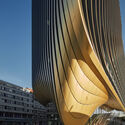
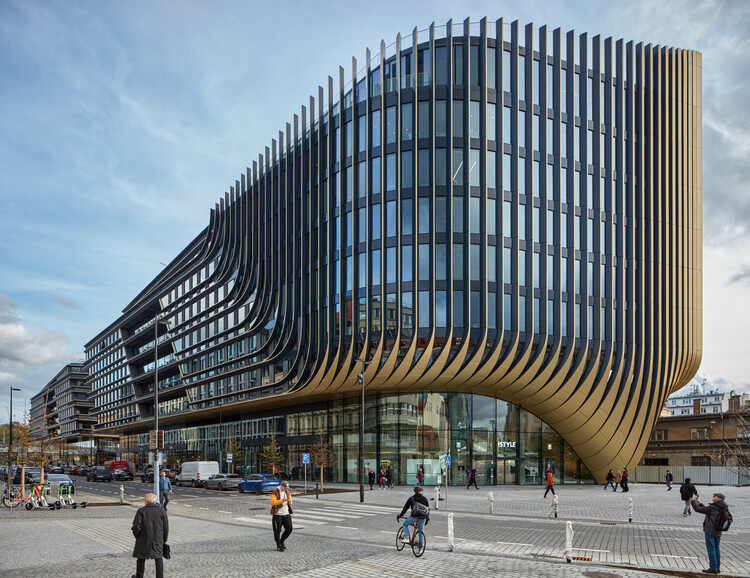
Masaryčka Building / ZHA

https://www.archdaily.com/1011092/masarycka-building-zaha-hadid-architectsPaula Pintos
Henning Larsen Wins Competition to Reimagine Prague Central Station
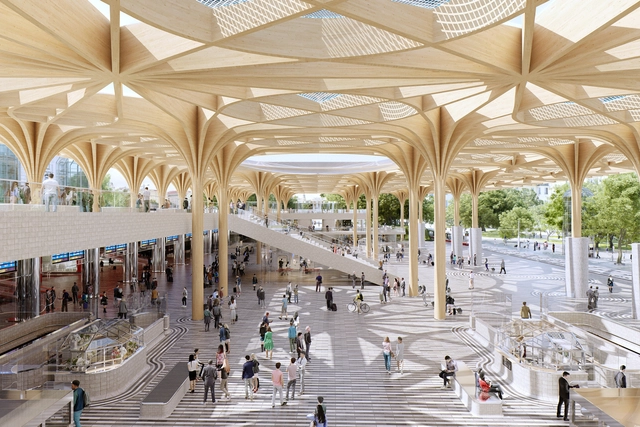
Henning Larsen has just won a competition to redesign Prague Central Station, Nový Hlavák. The project aims to reconnect the historic central station and terminal hall with Vrchlického Sady Park, serving as a welcoming gateway to Prague. Shaping the city’s landscape, the initiative hopes to contribute to a more sustainable and livable Prague.


https://www.archdaily.com/1010325/henning-larsen-wins-competition-to-reimagine-prague-central-stationNour Fakharany
MVRDV and NACO Design Extension to Václav Havel Airport in Prague
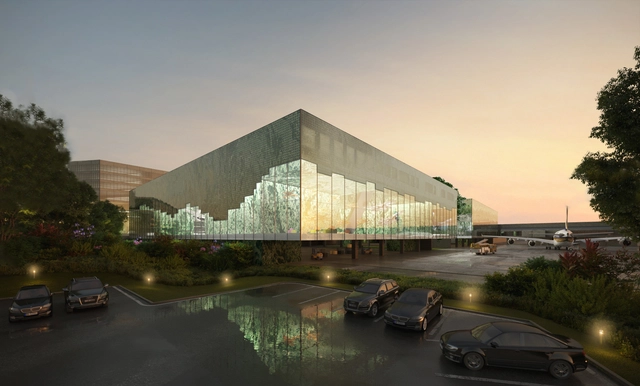
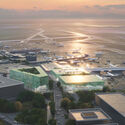
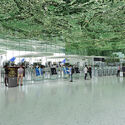
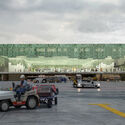
MVRDV has been selected as the winner of a competition to design three new buildings at Václav Havel Airport Prague. In collaboration with NACO (Netherlands Airport Consultants), the project will be the largest airport in Prague and the Czech Republic. The expansion of Terminal 1 will house a central security facility, business and VIP lounges, and a vertiport. Referred to as “Czech Lanterns,” the exteriors are illuminated with programmable satellite images of the Czech Republic.


https://www.archdaily.com/1008936/mvrdv-and-naco-design-extension-to-vaclav-havel-airport-in-pragueNour Fakharany
Living in a Box / ORA


-
Architects: ORA
- Area: 36 m²
- Year: 2022
-
Professionals: ACER WOODWAY, Rekonstrukce 21 Brno
https://www.archdaily.com/1004826/living-in-a-box-oraAndreas Luco
Iwan Baan’s "Prague Diary" Showcases a Raw and Unedited Version of the City
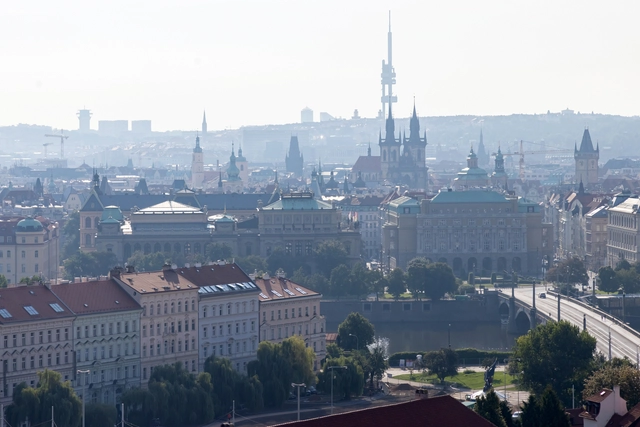
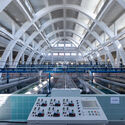
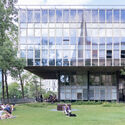
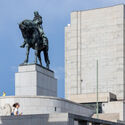
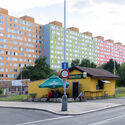
In the summer of 2022, Iwan Baan completed an urban pilgrimage through the unique streets of Prague. For 7 days, the photographer photographed the city on foot, on a bike, and from a helicopter, capturing the essence of the urban fabric, from the center to the periphery and the landscape along the Vltava River. Presenting the city as a raw and often neglected entity, Iwan Baan showcased his exhibition “Iwan Baan: Prague Diary” this year at CAMP.

https://www.archdaily.com/1004761/iwan-baans-prague-diary-showcases-a-raw-and-unedited-version-of-the-cityNour Fakharany
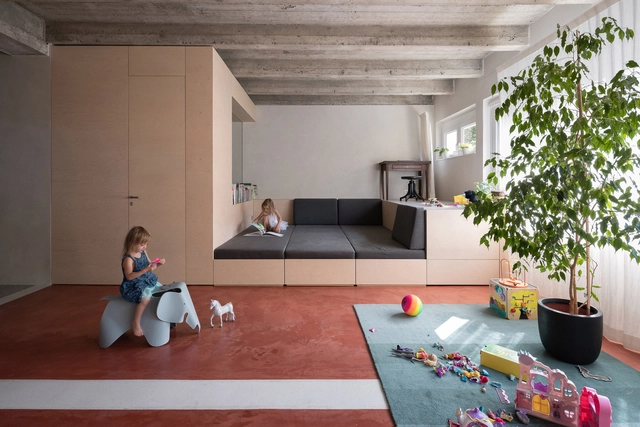
Apartment + Apartment / Progres Architekti



https://www.archdaily.com/999335/apartment-plus-apartment-progres-architektiAndreas Luco
A School for Girls in India and a Vertical Community Farm in the US: 10 Unbuilt Socially Engaged Projects Submitted to ArchDaily
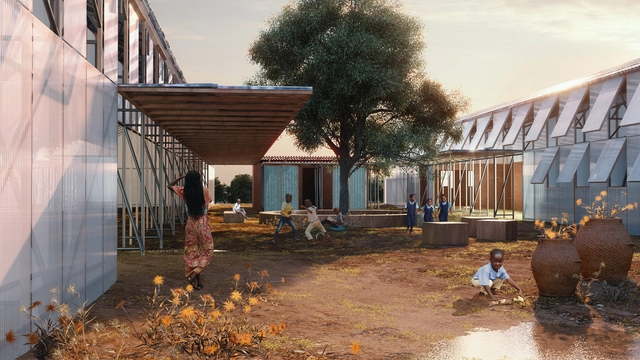
The year 2022 was marked by several socio-cultural and economic crises across the globe, from the Russian invasion of Ukraine to the increasing cost of living worldwide, combined with a number of natural disasters such as the devastating floods in Pakistan and hurricane Ian in the US. In these difficult times, architects are stepping up and embracing their role in developing design-based solutions to humanitarian crises, ranging from temporary shelters and affordable housing schemes to centers for protecting at-risk groups such as homeless underage girls, children from low-income environments, or families in need of medical care.
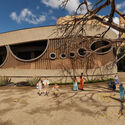
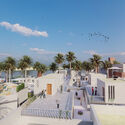
This week's curated selection of Best Unbuilt Architecture highlights projects submitted by the ArchDaily community that engage with their local communities, offering safe spaces for disadvantaged and at-risk groups. From a sanctuary for homeless girls in Iraq to an affordable housing project in Prague’s first skyscraper, this selection features projects centered around people, their needs, and desires. Many of the projects employ local materials such as clay bricks to lower the construction costs. They also reuse existing buildings and hope to engage the local community in building and appropriating the proposed spaces.



https://www.archdaily.com/994418/a-school-for-girls-in-india-and-a-vertical-community-farm-in-the-us-10-unbuilt-socially-engaged-projects-submitted-to-archdailyMaria-Cristina Florian
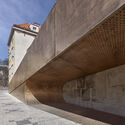
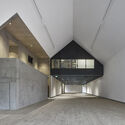
Kunsthalle Prague / Schindler Seko


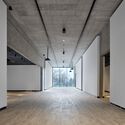

-
Architects: Schindler Seko
- Area: 1650 m²
- Year: 2021
-
Manufacturers: JOKL STEEL, OPIRSTAV INVEST, Sollus metal, TERACO LITÉ, Vipax
https://www.archdaily.com/990843/kunsthalle-prague-schindler-sekoPilar Caballero
Modular Research Center / CHYBIK + KRISTOF + KOMA Modular
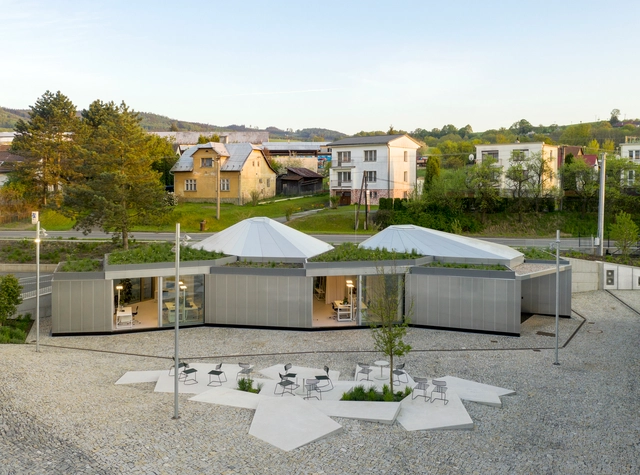


-
Architects: CHYBIK + KRISTOF, KOMA Modular
- Year: 2022
-
Professionals: Atelier zahradní a krajinářské architektury Sendler
https://www.archdaily.com/990205/modular-research-center-chybik-plus-kristof-plus-koma-modularPaula Pintos
Suburban villa / Nacházel Architekti
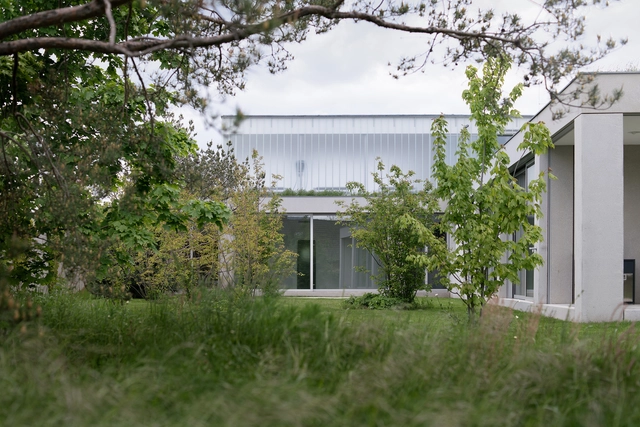


-
Architects: Nacházel Architekti
- Area: 870 m²
- Year: 2021
https://www.archdaily.com/989465/suburban-villa-nachazel-architektiValeria Silva
Polyfunctional Building Petřiny82 / Lucie Němcová
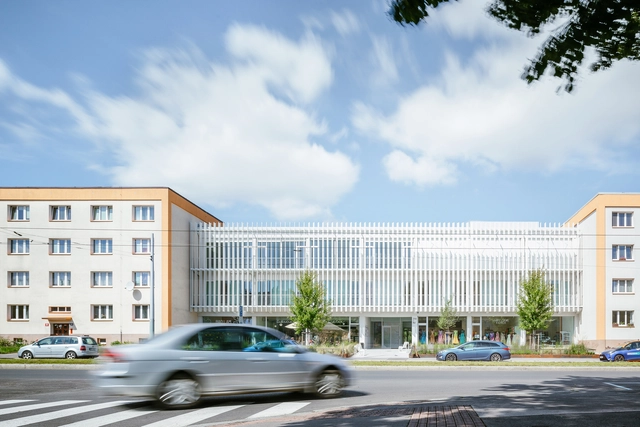


-
Architects: Lucie Nemcova
- Area: 2115 m²
- Year: 2021
-
Professionals: ANTRE
https://www.archdaily.com/982383/polyfunctional-building-petriny82-lucie-nemcovaBianca Valentina Roșescu
BIG Wins International Competition to Design the Vltava Philharmonic Hall in Prague
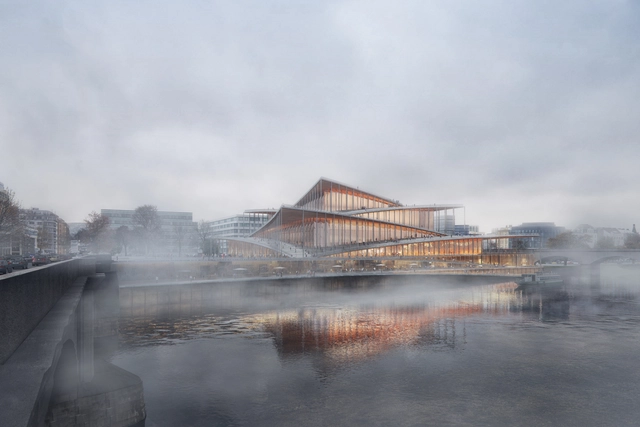
The City of Prague announced the international competition results for the design of the Vltava Philharmonic Hall. The winning project is designed by Danish studio Bjarke Ingels Group – BIG. The new concert hall aims to become a focal point for the city and reinforce Prague's reputation as a European cultural capital. The proposed volume of the new Philharmonic Hall presents a recognizable image while also being well integrated into the complex topography of the Vltava riverbank. Visitors are invited to follow the meandering series of plazas connected by sloping roofs that take them from the riverbank to the rooftop, promising views of the historic city center of Prague. Spanish architecture practice Barozzi Veiga collaborated with local office Atelier M1 and won second place. Bevk Perović Arhitekti and Petr Hájek Architekti won third and fourth place, respectively, while Snøhetta's proposal was declared the fifth winner.


https://www.archdaily.com/982207/big-wins-international-competition-to-design-the-vltava-philharmonic-hall-in-pragueMaria-Cristina Florian
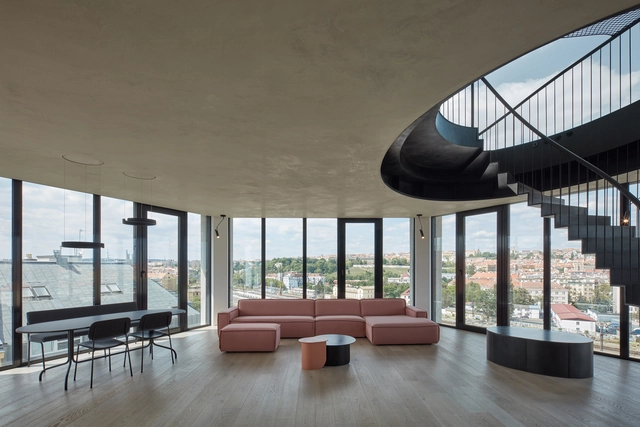
Penthouse in Prague / petrjanda/brainwork


-
Architects: petrjanda/brainwork
- Area: 358 m²
- Year: 2020
https://www.archdaily.com/967870/regula-penthouse-petrjanda-brainworkAlexandria Bramley
Circular Economy in Urban Design: Sustainability and Community Involvement

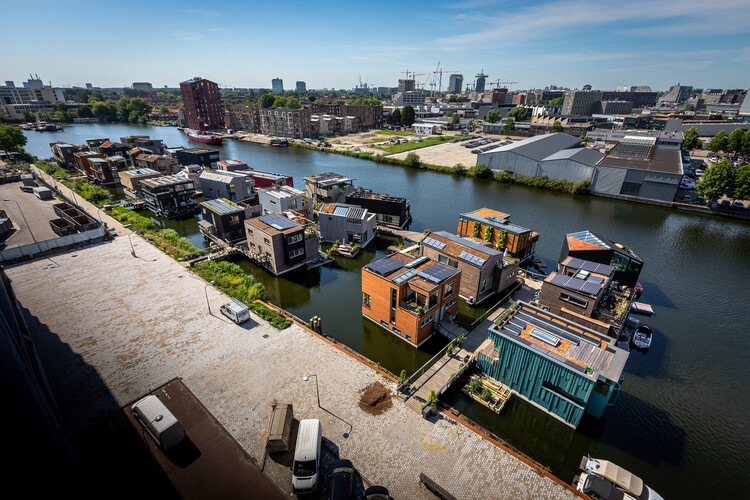
While circular economy is often discussed in relation to the architectural object through the lens of material recycling, design for disassembly, and material passports, the framework is most fully enacted at the neighbourhood and city scale. Whether it is visions of circular communities that hint at some level of self-sufficiency or policies set in motion by cities, urban-scale projects exemplify the guiding principles of the circular economy, providing a glimpse into what a fully-fledged version of it might look like. The following explores the strategies used in circular urban environments, from architecture and construction materials to energy production, waste management and food production, as well as the processes and operations that govern these designs, providing insights into the conditions that inform circularity.


https://www.archdaily.com/977900/circular-economy-in-urban-design-sustainability-and-community-involvementAndreea Cutieru
Petr Hajek’s Library / Studio COSMO


https://www.archdaily.com/976619/petr-hajeks-library-studio-cosmoPilar Caballero
Brownfield Site Near Prague's Historic Centre to Be Redeveloped Into Dynamic Urban Hub

Czech practices UNIT Architekti, A69 - Architekti, and British firm Marko & Placemakers propose transforming the largest brownfield site neighbouring Prague's historic city centre into a dynamic urban hub. The masterplan, selected within a 2-stage international competition comprising 57 entries, envisions "a multifunctional urban framework" that mediates the infrastructural complexity of the site, establishing a new identity for the area.


https://www.archdaily.com/974200/brownfield-site-near-pragues-historic-centre-to-be-redeveloped-into-dynamic-urban-hubAndreea Cutieru
Benthem Crouwel Architects Designs Mixed-Use Development in Prague
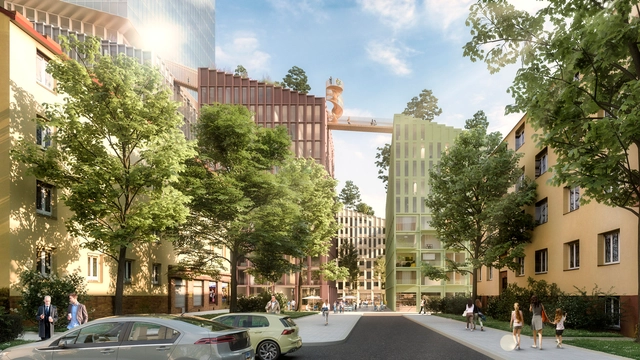
Benthem Crouwel Architects reveals competition-winning design for the Valley, a new mixed-use development comprising housing, workspaces and retail in Prague. Featuring a rooftop landscape designed by Felixx Landscape Architects & Planners, and a network of diverse public spaces, the project introduces high density and varied programming while establishing a strong connection with the surrounding neighbourhood.


https://www.archdaily.com/972765/benthem-crouwel-architects-designs-mixed-use-development-in-pragueAndreea Cutieru
Student House Holešovice / Pavel Hnilička Architects+Planners


https://www.archdaily.com/971958/student-house-holesovice-pavel-hnilicka-architektiPilar Caballero