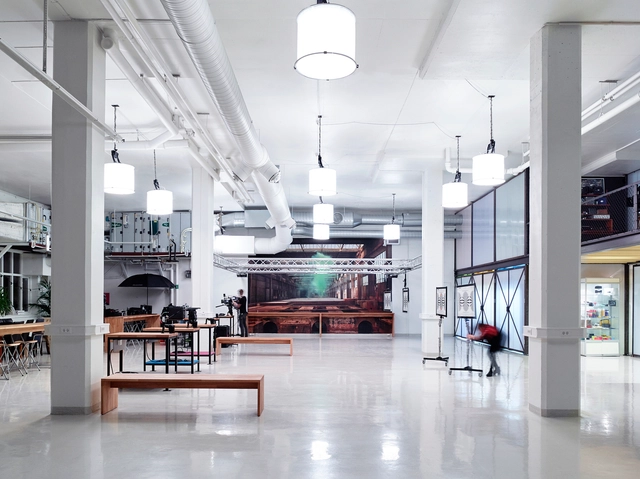
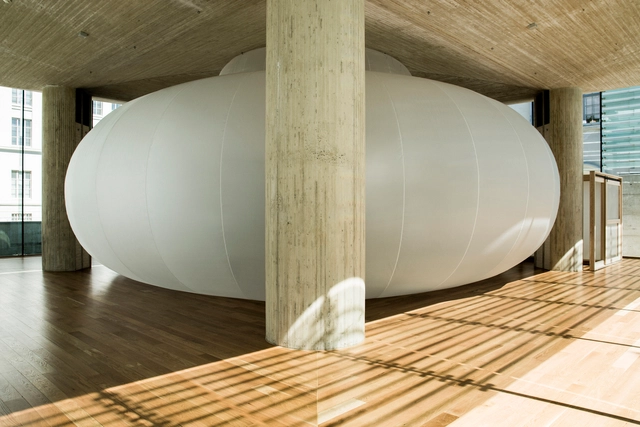
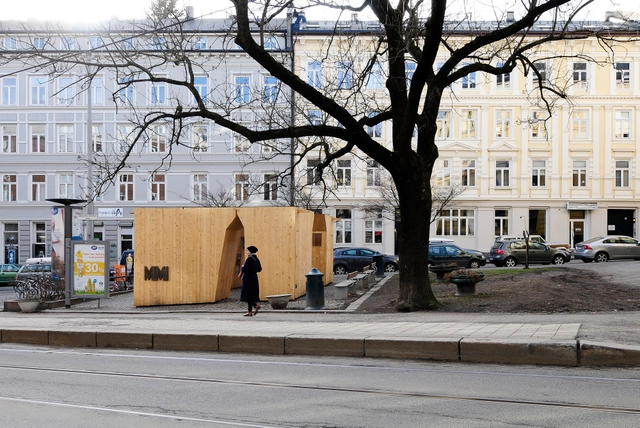
Following an international open call for 'Intervention Strategies' which connect and correspond to the 2016 Oslo Architecture Triennale’s theme—After Belonging—five proposals have been selected to be developed as part of its core program, to be displayed and discussed throughout the course of the event. The jury have been "pleased and impressed by the wide range of proposals, their creativity, seriousness and sometimes also the humor with which [the submissions] approach issues of real gravity, and by the care and hard work that was evident in almost all of them."
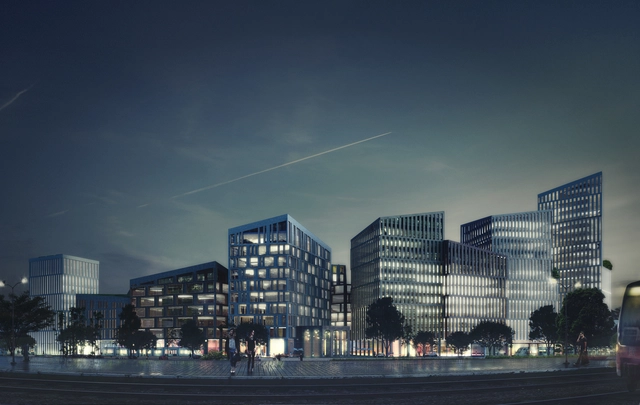
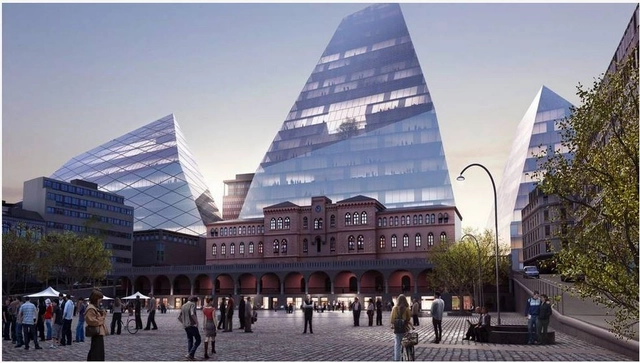
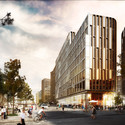
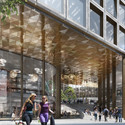
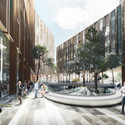
schmidt hammer lassen architects has won an international competition to masterplan a 87,000-square-meter area of Skøyen in central Oslo, dubbed Eureka Kvarteret. The multi-phased plan aims to unify the area's connection to the Oslo fjord, nearby transportation hubs and its main street, Hoff, while generating a versatile new skyline that compliments its context.
“We have proposed a framework that builds upon a basic idea about the space between the buildings," explains Senior Partner Kristian Lars Ahlmark.
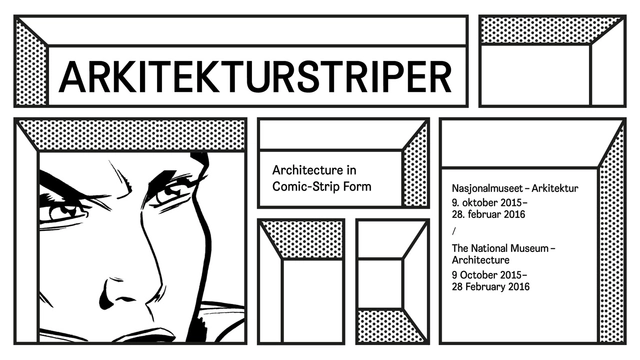
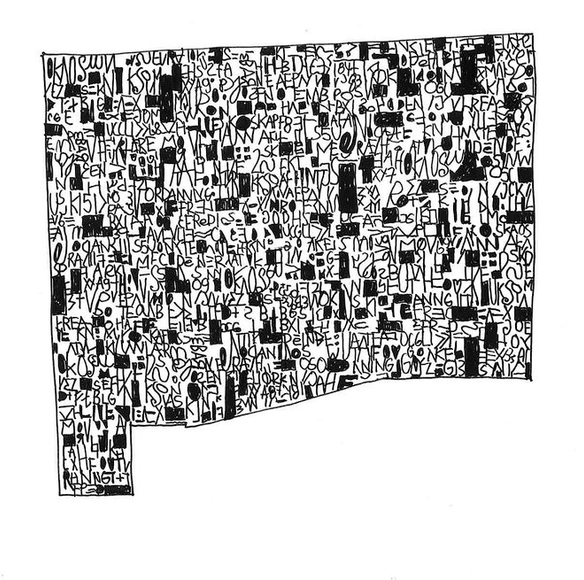
Colourful fantasy worlds full of speech bubbles and motion lines. Buildings with human characteristics, and invisible architecture. Since the early years of the 20th century, architects have shown an enduring interest in the comic strip as a means to explore their field of activity. What is it about comics that architects find so liberating and interesting?
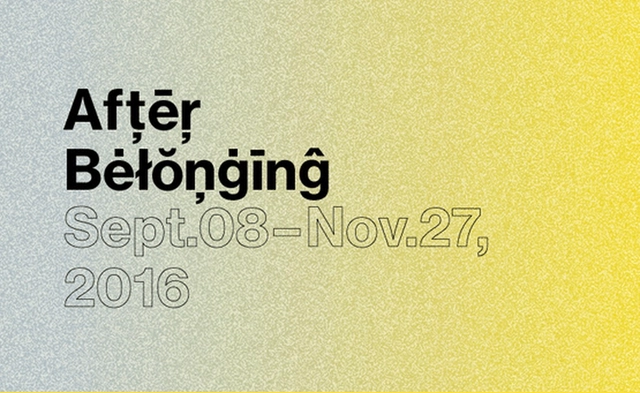
The 2016 Oslo Triennale – After Belonging: A Triennale In Residence, On Residence and the Ways We Stay in Transit – has launched a call for intervention strategies and associated projects. To be held from September 8- November 27, 2016, the Triennale will look at contemporary population mobility—including an interest in migration, new forms of tourism and refugeesim— with the intention of designing “the objects, spaces and territories for a transforming condition of belonging.” Specifically, it seeks to answer the questions: “How can different agents involved in the built environment address the ways we stay in transit?” And, “how can architects intervene in the reconfiguration of the contemporary residence?"
https://www.archdaily.com/774221/2016-oslo-triennale-launches-international-calls-for-intervention-strategies-and-associated-projectsAD Editorial Team
120 HOURS has teamed up with FutureBuilt to host a 5 day-long competition regarding climate-friendly urban development in the Oslo region. Open to all creatives, the competition's challenge will be revealed on Monday, June 15th 2015, at 09.00 (GMT+1). From that moment, entrants will have 120 hours to design and submit their proposal. Third, second and first prize in the contest are respectively 12.500, 25.000 and 50.000 Norwegian Kroner. Read more about the competition and register here.
Nearly 100 architects, designers, and consultants have been developing designs for a competition for the new government quarter in Oslo. Drawing an initial 24 entries, the intent of the competition was to generate viable solutions for the future relocation of all government ministries (excluding the defense ministry), emphasizing an urban atmosphere and public elements. In the six shortlisted proposals from both local and international firms, including BIG, Snøhetta, and MVRDV, the themes of building tall and introducing green space emerged.
Now a ten-member committee of industry professionals will assist Statsbygg, the public construction advisers collaborating on the government's behalf, with the evaluation of each design. Take a look at the six proposals after the break.
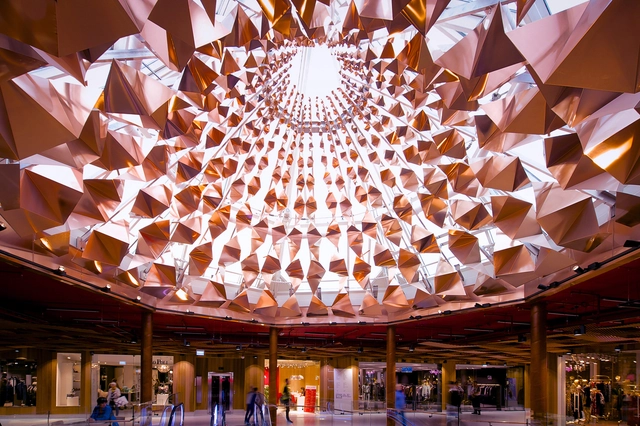
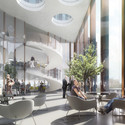
schmidt hammer lassen architects have won a competition to design a new retail and office complex in central Oslo. The winning scheme, chosen ahead of five other proposals, was chosen for “its strong and innovative” design that “enhances the existing urban qualities” and forms a “new connection between the building and city life.”
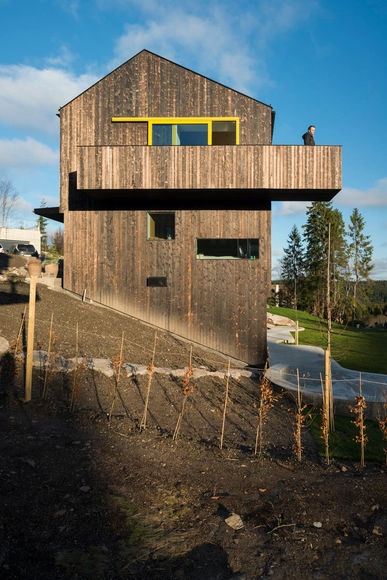
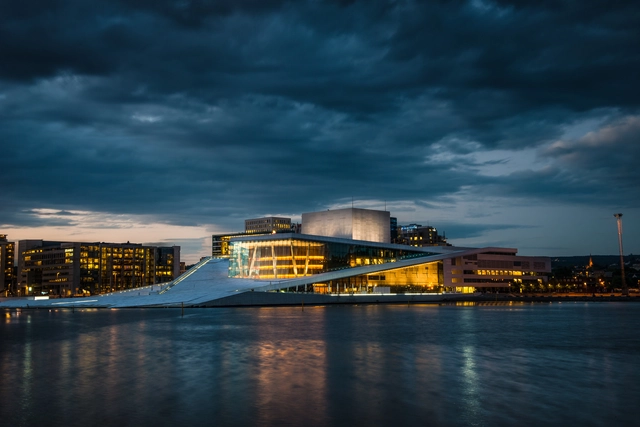
Sleek, contemporary, and unapologetically eclectic, the work of Norwegian firm Snøhetta is as diverse as it is synonymous with modern Scandinavian design. Spanning everything from architecture and master planning to installation art and product and packaging design, Snøhetta's projects are characterized by the marriage of efficiency, quirky charm, and an eye for beauty. Offering a broad selection of suggestions for visitors to Oslo, Snøhetta's guide to the nation's capital is no different. Reflecting the favorite attractions of architects, artists, and brand designers from within the firm, the guide includes a windowless bar, jazz-punk band, and the Norwegian National Opera and Ballet, even encompassing the work of Oslo-based design contemporary, Element Arkitekter, in Lærernes hus. Read the rest of the seven travel selections here.
Statsbygg has shortlisted six teams to develop proposals for a new government quarter in Oslo. Selected from 24 submissions, the chosen teams will now have until March 2015 to prepare their ideas. The unconventional competition, which requires the inclusion of students from the Oslo School of Architecture and Design, will not culminate with a single winner. Rather, ideas from all the shortlisted proposals will be extracted and used in an eventual masterplan.