

-
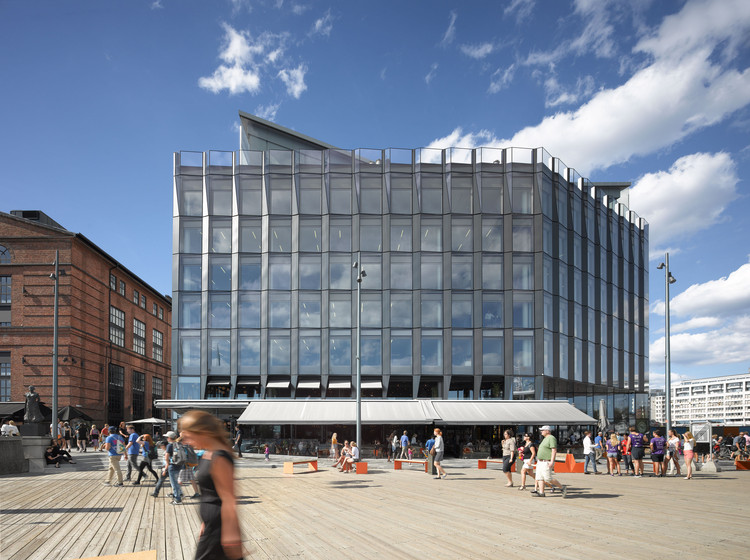
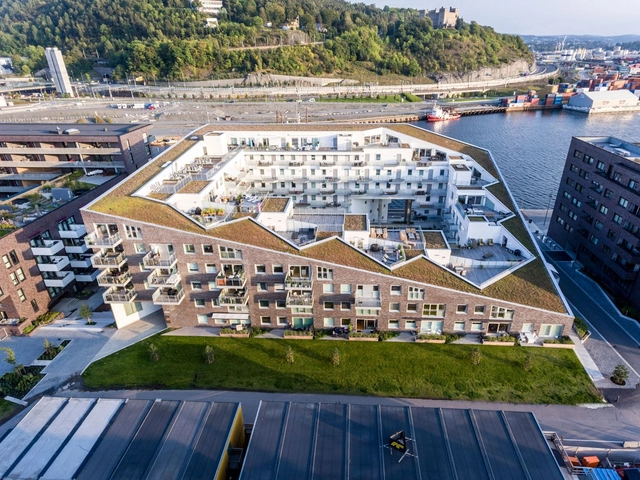
Architects: Mad arkitekter
- Area: 12000 m²
- Year: 2015


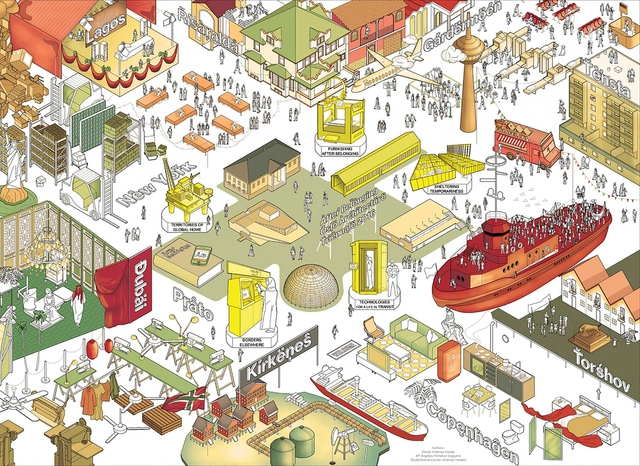
In the latest edition of Section D, Monocle 24's weekly review of design, architecture and craft, Henry Rees-Sheridan visits Oslo to speak to Hanna Dencik Petersson, Director of the 2016 Oslo Architecture Triennale, and Alejandra Navarrete Llopis and Ignacio González Galán – two members of its curatorial team, the After Belonging Agency. The show explores the concept behind the exhibitions of the Triennale, what it means to be located in Norway's capital, and how the event's trajectory is both a symptom and cause of Oslo’s development as a design city. ArchDaily's James Taylor-Foster weighs in on After Belonging's significance.

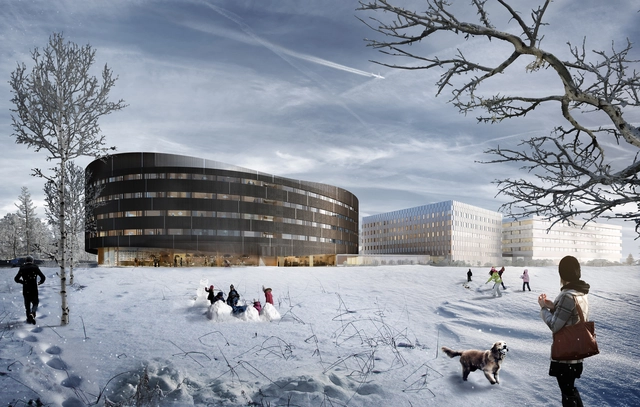
SPOL Architects’ First Hotel OSL, a hotel near the newly extended Oslo Airport, has received planning approval after a unanimous vote in the Jessheim City Council. Designed to be a destination in itself, the hotel will be an environmentally friendly oval shape, featuring 300 rooms and a large atrium for sports activities.
Acting as a “meeting place for globe trotters,” the hotel aims to become a shared space for shared experiences for travelers.

“Belonging,” the curatorial quintet of the 2016 Oslo Architecture Triennale, After Belonging, argue, “is no longer something bound to one’s own space of residence, or to the territory of a nation.” For this group of Spanish-born architects, academics and theorists—Lluís Alexandre Casanovas Blanco, Ignacio Galán, Carlos Minguez Carrasco, Alejandra Navarrese Llopis and Marina Otero Verzier—the very notion of our belongings and what it means to belong is becoming increasingly unstable.
After Belonging is the sixth incarnation of the Triennale and the first one in which a single curatorial thread has woven all of the festival’s activities together, including the international conference. The goal of the two primary exhibitions—On Residence and In Residence, including a series of Intervention Strategies—is to develop platforms with the aim of “rehearsing research strategies,” providing new ways for architects to engage with “contemporary changing realities."
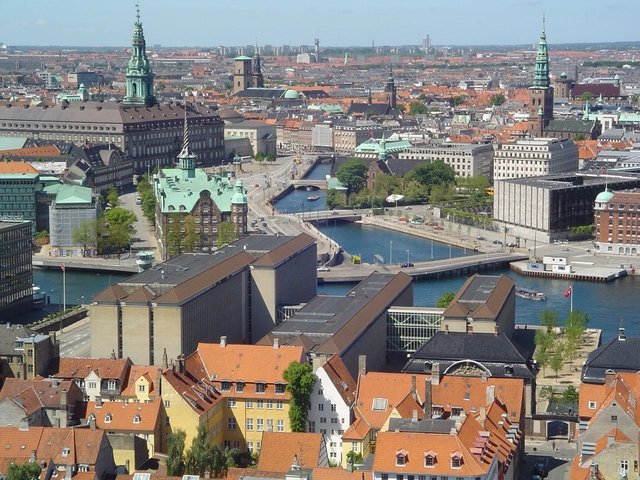
Metropolis Magazine has released their 2016 rankings of the world's most "livable" cities. Acknowledging that what makes a city "livable" can often be subjective, the team at Metropolis emphasizes that in creating the list they "focused on the concerns at Metropolis’ core—housing, transportation, sustainability, and culture." The result of this research was last year's top prize-winner Toronto dropping to the number 9 spot and Copenhagen, which last year took the number 4 spot, jumping to the top. Rounding out the top three are Berlin and Helsinki.

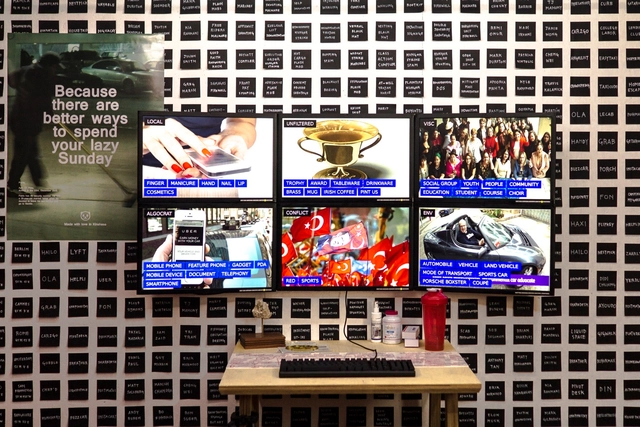
PANDA, an exhibition by OMA & Bengler, opens today at the 2016 Oslo Architecture Triennale – After Belonging.
From the architect. PANDA investigates the accelerating influence of digital sharing platforms, their social and political implications, and pervasive impact on the built environment. In the early 2000s, the democratic spaces of the web were greeted as an alternative to centralized commercial and social structure; in 2007, after the financial landslide, the sharing gospel gave hope to those struggling to make a living.
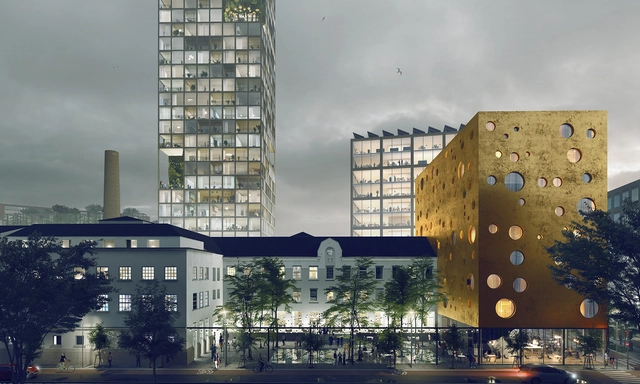
Oslo-based Transborder Studio have won a competition for the development of new “Agricultural District” surrounding a former dairy factory in East Oslo. Selected from 5 proposals from invited architect teams, the winning design, entitled “Follow the Milk,” strives to develop the district into a place where “ agriculture has a new relevance related to urban food culture, bioproducts and the agricultural sector’s role in a sustainable future.”




In May 2016, the After Belonging Agency discussed the theme of the forthcoming Oslo Architecture Triennale—entitled After Belonging: a Triennale In-Residence, On Residence, and the Ways We Stay In-Transit—as part of In Therapy, the exhibition of the Nordic Pavilion at the 2016 Venice Biennale. The hour-long discussion, which also includes presentations by Shumi Bose and Füsun Türetken, begins with an in-depth description of how the Triennale intends to focus on the future challenges of migration by investigating how cities and architecture can react to large groups of people moving and resettling.
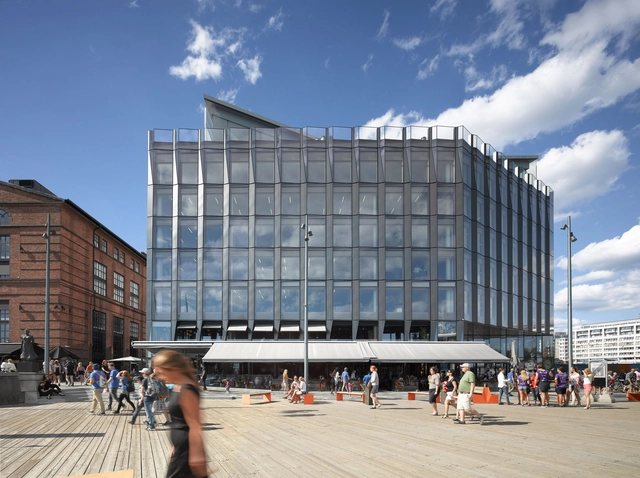

A new collection of five minute-long Tall Stories—developed by the team behind The Urbanist, Monocle 24's weekly "guide to making better cities—guide the listener through the condensed narratives of a series of architectural projects from around the globe, encompassing their conception, development, use and, in some cases, eventual demise. We've selected eight of our favorites from the ongoing series, ranging from London’s Casson Pavilion to Honolulu's Waikiki Natatorium War Memorial, and the Estadio Centenario stadium in Montevideo.

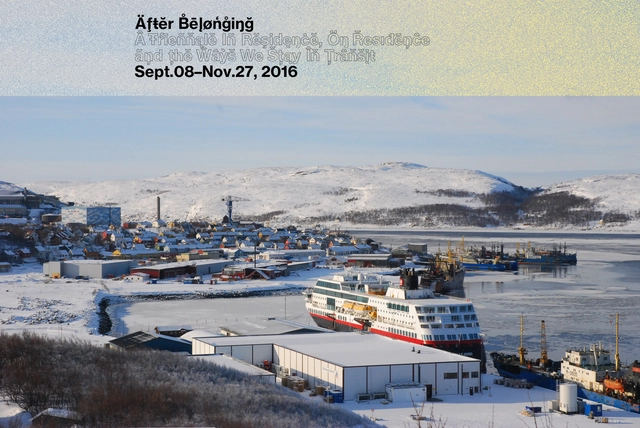
The Oslo Architecture Triennale has announced the program and participants for this year's sixth edition of the event, titled After Belonging, which will open in September of this year. Participants will contribute to two exhibitions, occurring alongside a conference, and collateral events, taking place September 8-November 27, 2016.
As described by the Oslo Architecture Triennale website: "The 2016 Oslo Architecture Triennale designs the objects, spaces, and territories for a transforming condition of belonging. Global circulation of people, information, and goods has destabilized what we understand by residence, questioning spatial permanence, property, and identity—a crisis of belonging. Circulation brings greater accessibility to ever-new commodities and further geographies. But, simultaneously, circulation also promotes growing inequalities for large groups, kept in precarious states of transit. After Belonging examines both our attachment to places and collectivities—Where do we belong?—as well as our relation to the objects we own, share, and exchange—How do we manage our belongings?”

The After Belonging Agency, the curatorial team behind the 2016 Oslo Architecture Triennale (OAT), have revealed sixteen speakers who will present at the event's central conference at the Oslo Opera House this coming September. Atelier Bow-Wow, Snøhetta alongside a number of other academics, practitioners and decision-makers will come together to "address architecture’s relation to current pressing questions such as refugeeism, migration and homelessness, new mediated forms of domesticity and foreignness, environmental displacements, tourism, and the technologies and economies of sharing."
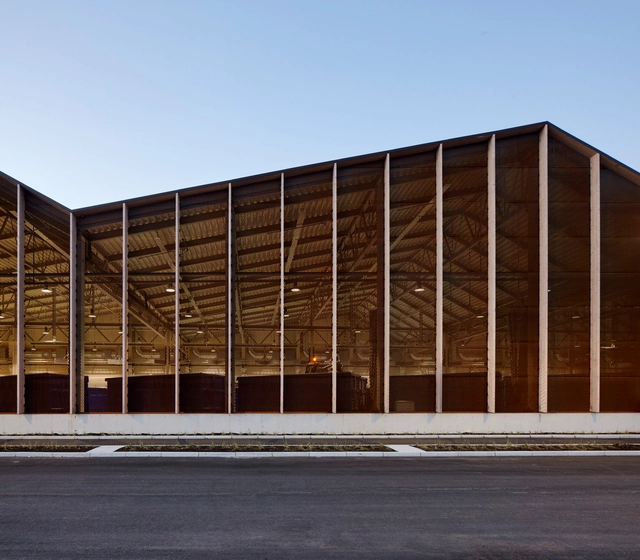
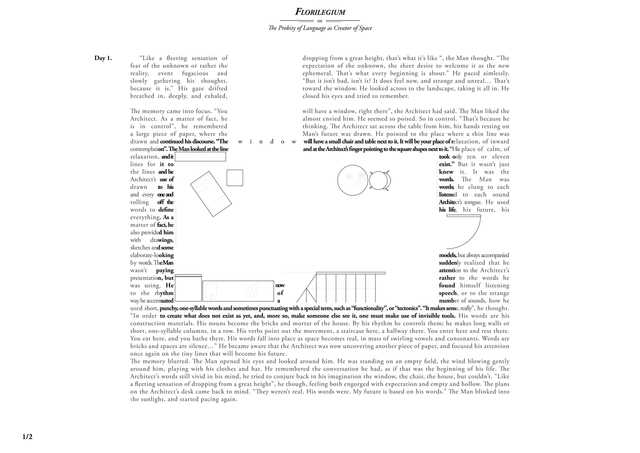
The student architecture competition “120 Hours” has released the winners of its 2016 competition—“What Ever Happened to Architectural Space?”—which this year challenged entrants to imagine a space without program or site. In a time when the discourse of architecture is influenced more by program and environment than spatial quality, the brief was uniquely challenging in its simplicity. Entries were received from over 2863 students from 72 countries, with winners selected by a jury headed by Christian Kerez and including Maria Shéhérazade Giudici, Beate Hølmebakk, Neven Mikac Fuchs and Marina Montresor.
Originally devised by students in Oslo, the competition format is intended as a way of encouraging discourse among architecture students across the world, with competition briefs released just 120 hours (5 days) before the submission deadline. These unique restrictions have fostered a reputation for unconventional and challenging proposals and winning entries in the past have included giant scaffolds of hammocks and the use of robots to inhabit an abandoned town. Read on to see the top three award recipients for 2016.
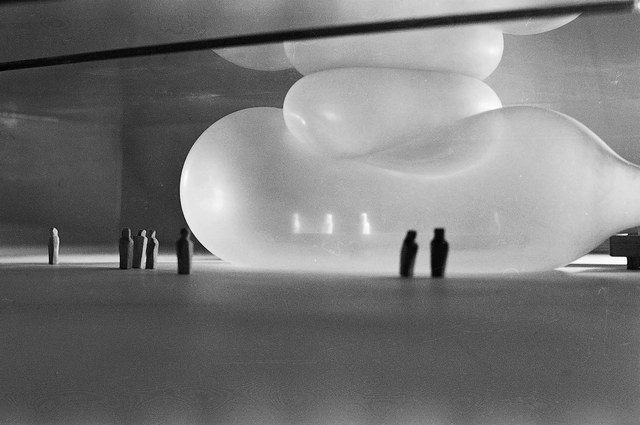
Though architectural history is replete with bricks, stones, and steel, there is no rule that states that architecture must be ‘solid’. Sverre Fehn, one of the most prominent architects of postwar Norway, regularly made use of heavy materials like concrete and stone masonry in his projects [1]. In this way, his proposal for the Nordic Pavilion at the Osaka World Expo in 1970 could be seen as an atypical exploration of a more delicate structure. Representing a very different aspect of ‘Modernity’ than his usual work, Fehn’s “breathing balloon” pavilion stands not only in contradiction to Fehn’s design canon, but to that of traditional architecture as a whole.