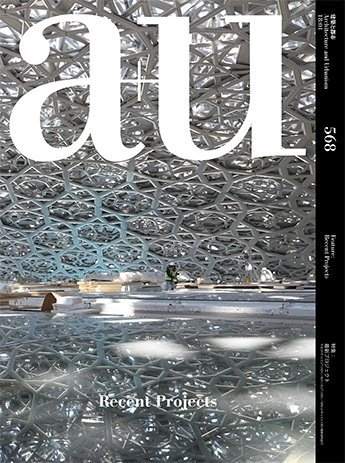
This edition of a+u introduces the 23 recent works of architecture and technology that emerged from their relationship with the urban structure or the development history. In this issue, we focus our attention on the process of conceiving and realizing the projects driven by various motivations and tactics. We invite readers to look beyond the confinement of a single building and examine the works on their possibilities to be in use for a long time.
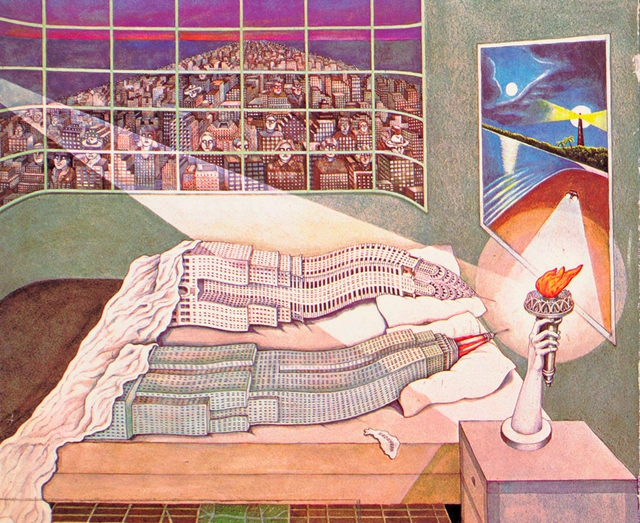
Presenting architects in conversation with creative figures, Architecture Foundation’s headline annual lecture in collaboration with the Barbican will see architect Sam Jacob in conversation with Dutch visual artist Madelon Vriesendorp.
https://www.archdaily.com/908394/architecture-on-stage-madelon-vriesendorp-and-sam-jacob-in-conversationKatherine Allen
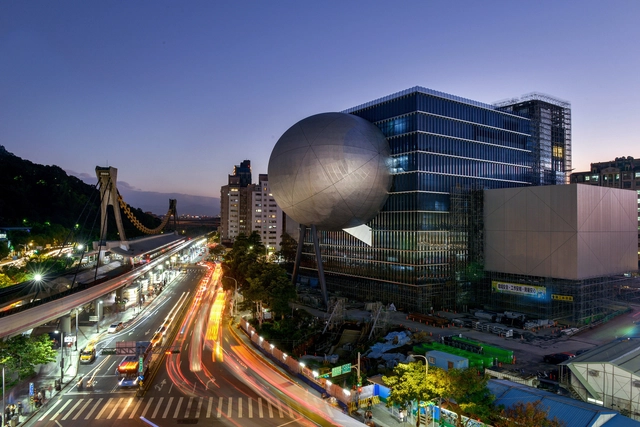
New photographs have been released of OMA’s Taipei Performing Arts Center (TPAC), as construction continues in Taiwan. Consisting of three theaters, each functioning autonomously of each other, the OMA scheme seeks to depart from the traditional consensus of performing arts centers as simply containing a large auditorium, medium-sized theater, and small-size black box.
OMA sees “no excuse for contemporary stagnation,” using the TPAC as an opportunity to experiment with the inner workings of theaters, leading to a dynamic external presence. Hence, the TPAC’s three theaters plug into a central cube combining stages, backstages, and support spaces into a single, efficient entity, allowing stages to be modified or merged for unforeseen scenarios.
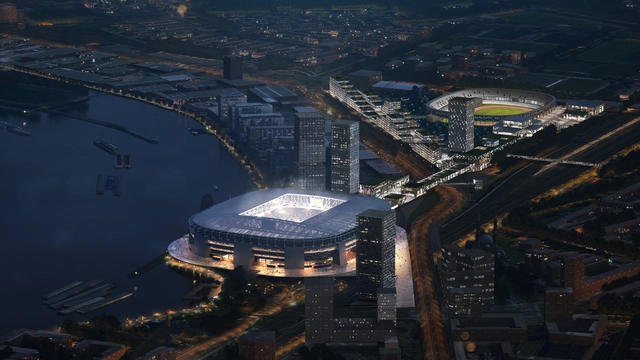
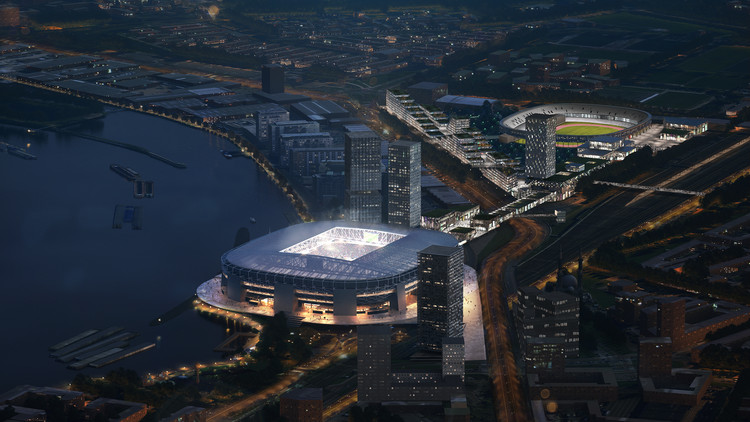
OMA has released images and plans for the new Feyenoord Stadium at the Maas. Feyenoord will set up a new multi sports club for the residents of Rotterdam Zuid, as OMA designed the masterplan after reaching initial city approval in 2016. The 63,000 stadium will rise along the river as the largest football stadium in the Netherlands. The stadium features a perfect bowl shape formed by continuous curved tiers in close proximity to the pitch, and will feature a main concourse with views into the stadium across the Rotterdam skyline.
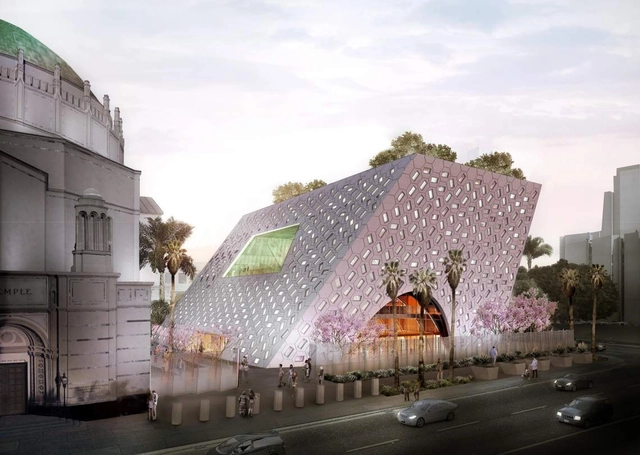
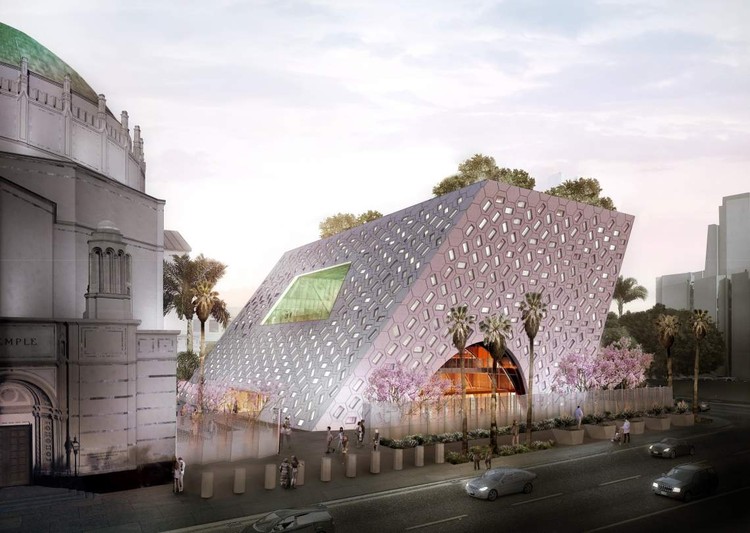
OMA will be breaking ground on their new design for Wilshire Boulevard Temple's expansion next month. The groundbreaking for the new Audrey Irmas Pavilion is scheduled for November 11. The $75-million project was designed by OMA partners Shohei Shigematsu and Rem Koolhaas. The three-story expansion will include space for the temple congregation, surrounding neighborhood and supportive services.
This article was originally published on April 22, 2016. To read the stories behind other celebrated architecture projects, visit our AD Classics section.
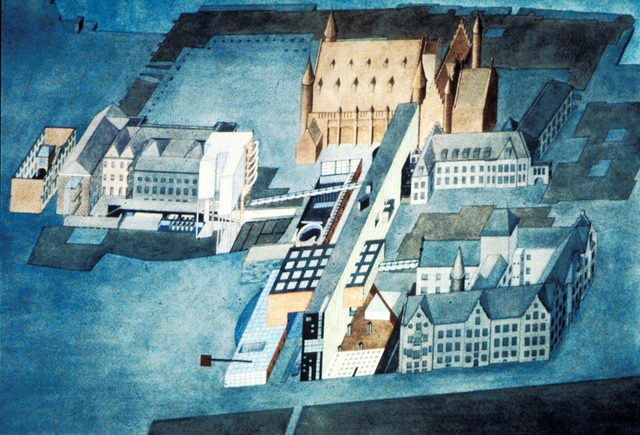
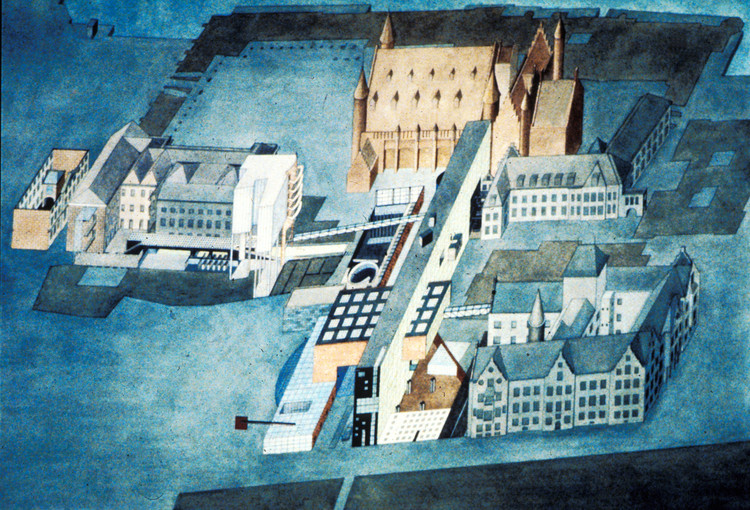
Designed shortly before Zaha Hadid left the Office of Metropolitan Architecture (OMA)—led by Rem Koolhaas—to found her practice, Zaha Hadid Architects, the proposed extension for the Dutch Parliament firmly rejects the notion that imitation is the sincerest form of flattery. Rather than mimic the style of the existing historic buildings, OMA elected to pay tribute to the complex’s accretive construction by inserting a collection of visibly postmodern, geometric elements. These new buildings, unapologetic products of the late 1970s, would have served as unmistakable indicators of the passage of time, creating a graphic reminder of the Parliament’s long history.
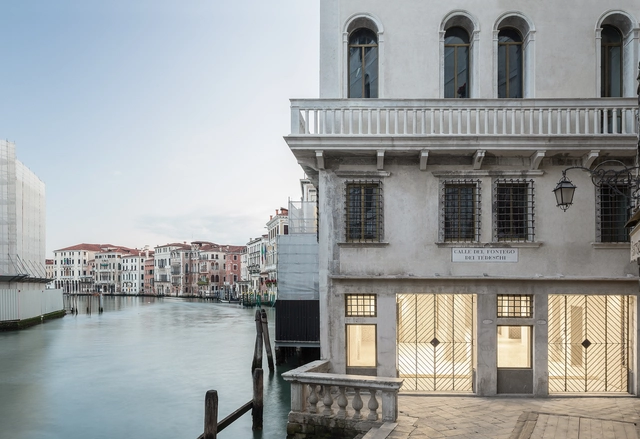
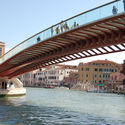
The history of Venice’s architecture, as seen today, is a semblance of styles centuries old. A destination rich in culture, many of Venice’s existing buildings, from homes alongside the thin interior canals to the grand domed churches of Palladio, have remained stagnant in their overall design and layout since the 16th century. Once a hub of Byzantine and European trade, the city now thrives on a steady stream of tourism and a foundational group of local residents.
The structures that make up the city’s compact matrix, once integral to its function as a commercial empire, have come to take on new functions through architectural intervention; notably, architects such as Carlo Scarpa, OMA, and Tadao Ando have had a large hand in this process.
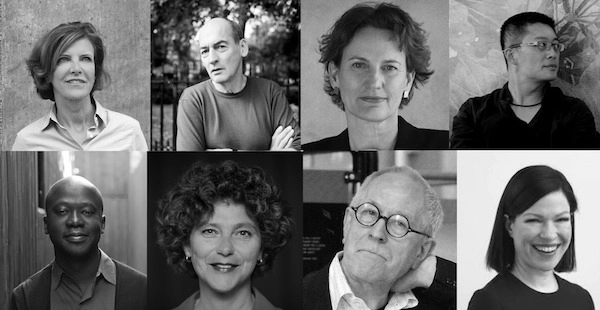
Confirmed speakers at the 2018 World Architecture Festival.. Image Courtesy of World Architecture Festival
Rem Koolhaas, Dutch architect and founder of the Rotterdam-based firm OMA, has been announced as the closing keynote speaker at the World Architecture Festival. The event will take place in Amsterdam at the RAI Exhibition and Convention Centre on from 28-30 November.
https://www.archdaily.com/901662/rem-koolhaas-to-give-closing-keynote-at-2018-world-architecture-festival-in-amsterdamKatherine Allen
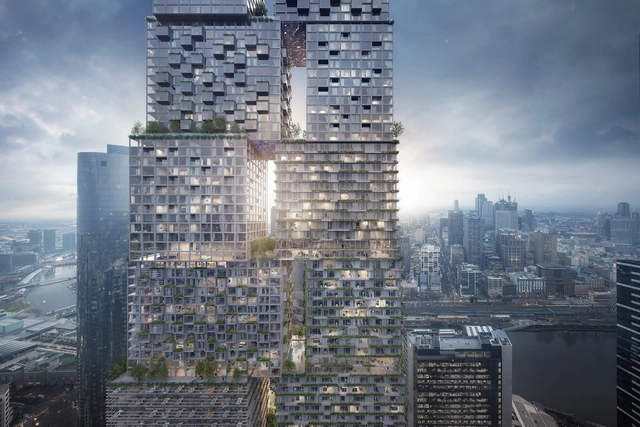
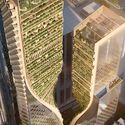
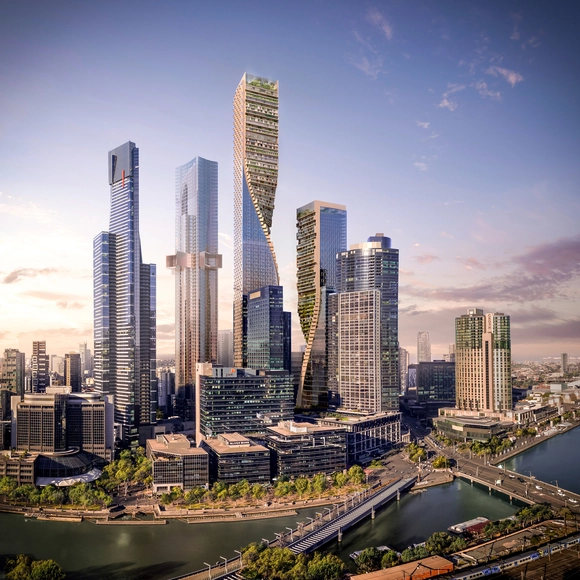
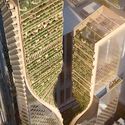
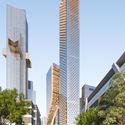
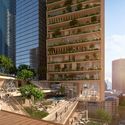
Green Spine / UNStudio + Cox Architecture . Image Courtesy of UNStudio / Cox Architecture
UNStudio and Cox Architecture have officially been announced as the winners of Melbourne’s landmark Southbank Precinct overhaul. Selected from a range of high-profile offices, including BIG, OMA, and MAD, UNStudio's vision for the $2 billion project includes a pair of twisted towers called Green Spine. As the largest single-phase project in the history of Victoria, Australia, the Green Spine is designed as a state-of-the-art, mixed-use environment centered around innovation in architecture and design.
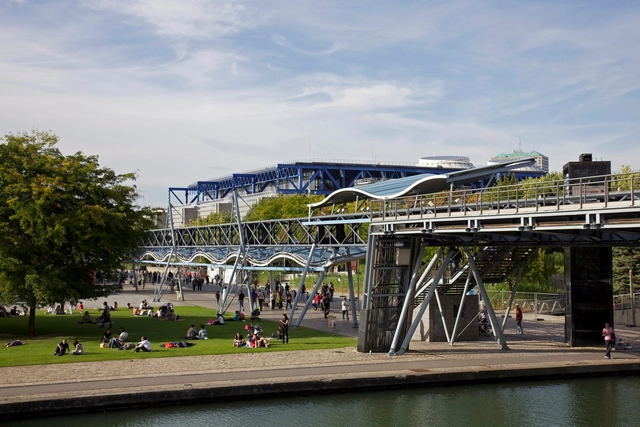
What does the Parisian park look like? For many, the answer to that question comes in the form of a painting: Georges Seurat’s ASunday Afternoon on the Island of La Grande Jatte, in which the well-dressed bourgeoisie leisurely enjoy a natural oasis on a verdant island within their industrializing city.
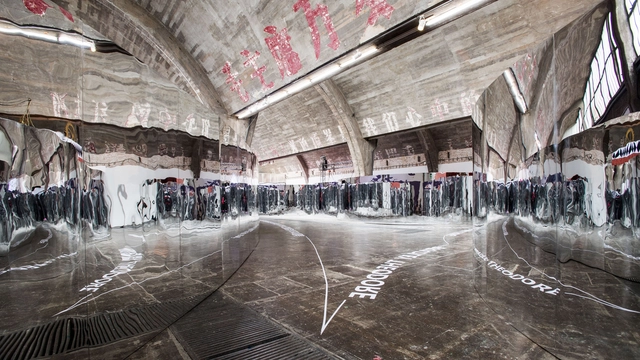
OMA's research and design practice AMO has opened True Me, the studio's first exhibition design in China. Built in the 798 Art Factory in Beijing, True Me explores modern selfie-culture and modes of self-representation through art and media. Organized by App developer Meitu and the Beijing Contemporary Arts Foundation, the exhibition features artworks by Hou Ying, Lu Yang, Maleonn, Xie Haiwei, Ye Funa, Chen Tianzhuo, teamLab, and Theodore Bradley. Celebrating the launch of Meitu’s new logo, the exhibition extends AMO’s interest in studying visual culture.
The Lanescraper. Image Courtesy of BIG – Bjarke Ingels Group / Fender Katsalidis Architects
A prominent shortlist including BIG, OMA, and UNStudio have revealed their visions for Melbourne’s landmark Southbank Precinct overhaul. The $2 billion project will be the largest single-phase project in the history of Victoria, Australia, intended as “a state-of-the-art, mixed-use environment” to be “centered around innovation in architecture and design.”
The six shortlisted schemes include twisting towers, interlocking blocks, and stacked neighborhoods, all focusing on the 6,000-square-meter BMW Southbank site. The designs were revealed at a public symposium on July 27th featuring speakers from the shortlisted firms.
As identity-based politics continues to grow in influence, we may do well to examine the effect it has on the way we think about and design our cities. In a recent interview with the Washington Post, Rem Koolhaas discusses these changes - and how they mark an evolution from the generic city concept he introduced in S,M,L, XL.
https://www.archdaily.com/898006/rem-koolhaas-on-identity-and-conformity-in-the-digital-cityKatherine Allen
OMA has released updated images of their Feyenoord City masterplan after reaching initial city approval in 2016. Developed for the Feyenoord football club in Rotterdam, the project comprises a mixed-use district and a new 63,000 seat stadium along the River Maas.
https://www.archdaily.com/897920/oma-releases-updated-images-for-feyenoord-city-masterplanKatherine Allen
Muelle de Mimbre / Domingo Arancibia. Image Cortesia de Domingo Arancibia
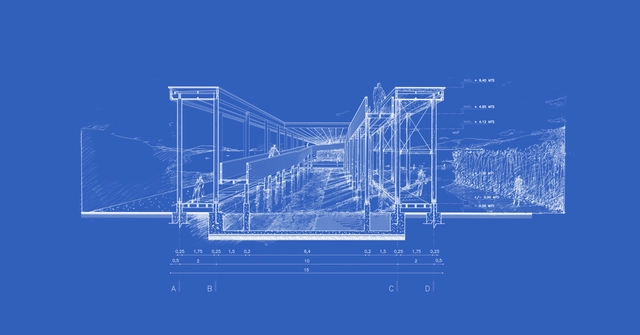
Architectural comprehension as a field deals with representation as a synthesis of varied efforts —constructive, compositional, spatial, and technical qualities— which are then articulated in the constructed building. For this purpose, it is essential to think about the graphic representation that presupposes all these efforts, since it is both a procedure and a product of architectural design.
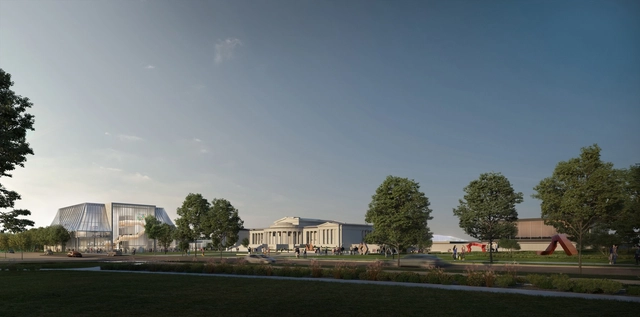
OMA has released new images of their proposed expansion project to the Albright-Knox Art Gallery in Buffalo, New York. The “bold, freestanding building” forms part of the AK360 expansion project, which also includes an OMA-led preservation and improvement project of the existing campus.
The new building will add 29,000 square feet of much-needed space for the display of exhibitions and the museum’s art collection, while also incorporating visitor amenities linked through a wraparound promenade.
https://www.archdaily.com/897099/oma-releases-images-of-albright-knox-art-gallery-expansion-in-new-yorkNiall Patrick Walsh
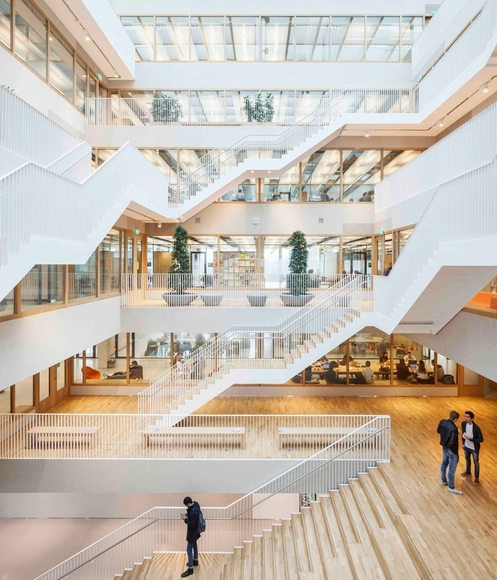
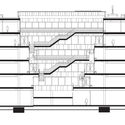
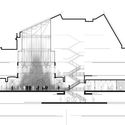
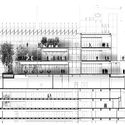
Offices and cultural buildings both offer the perfect opportunity to design the atrium of your dreams. These central spaces, designed to allow serendipitous meetings of users or to help with orientation in the building, are spacious and offer a lot of design freedom. Imposing scales, sculptural stairs, eccentric materials, and indoor vegetation are just some of the resources used to give life to these spaces. To help you with your design ideas, below we have gathered a selection of 15 notable atriums and their section drawings.

















.jpg?1533397440 "© <a href='https://upload.wikimedia.org/wikipedia/commons/f/f6/Parc_de_La_Villette_%40_Paris_%2828926264776%29.jpg'> Creative Commons User Guilhem Vellut</a> licensed under <a href=’https://creativecommons.org/licenses/by/2.0/'>CC BY 2.0</a>")
.jpg?1533397475 "© <a href='https://upload.wikimedia.org/wikipedia/commons/d/d2/Folie_N8_%40_La_Villette_%40_Paris_%2833893431256%29.jpg'> Creative Commons User Guilhem Vellut</a> licensed under <a href=’https://creativecommons.org/licenses/by/2.0/'>CC BY 2.0</a>")
.jpg?1533397559 "© <a href='https://upload.wikimedia.org/wikipedia/commons/b/b4/Canal_%40_La_Villette_%40_Paris_%2833091237904%29.jpg'> Creative Commons User Guilhem Vellut</a> licensed under <a href=’https://creativecommons.org/licenses/by/2.0/'>CC BY 2.0</a>")