Now in its 20th year, Berlin-based firm TOPOTEK 1 has been an enterprising player in the field of landscape architecture and public design, with a portfolio of projects that emphasize the social and formal roles that landscape assumes within built work. Largely responsible for the firm’s success this far is the man at the helm, Martin Rein-Cano, who has served as one of the founding partners since 1996.
News: The Latest Architecture and News

Martin Rein-Cano Explains the Importance of Dynamism in Landscape Architecture
https://www.archdaily.com/873883/martin-rein-cano-explains-the-importance-of-dynamism-in-landscape-architectureOsman Bari
This Satisfying Algorithm Combines Japanese-Inspired Joints to Generate Any Form

Complex wood joineries have long been staples of Japanese architecture and construction, demonstrating an impressive and even artistic craft passed down through generations of Japanese carpenters and woodworkers. In recent times, with increasingly available resources and technology, these techniques have been further explored and made publicly accessible, be it through demonstrative gifs or downloadable fabricated joints.
In relation to these resources, Aryan Shahabian, a researcher at the University of Applied Arts in Vienna has developed an algorithm that generates over a billion distinct combinations of interlocking 3D objects, inspired by Japanese joineries. Both single joints and free forms are smoothly handled by the software, combined with endless resultant forms.
https://www.archdaily.com/874153/this-satisfying-algorithm-combines-japanese-inspired-joints-to-generate-any-formOsman Bari
Bee Breeders Announces Mango Vinyl Hub Competition Winners
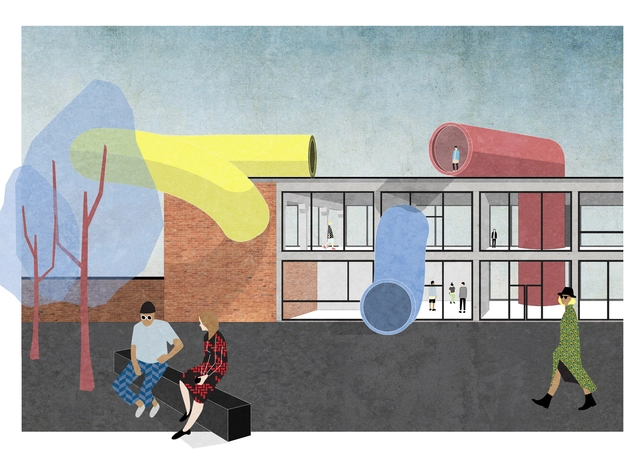
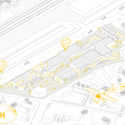
Bee Breeders have selected the winners of the Mango Vinyl Hub Competition, challenging entries to marry architecture, music, industry, and design in the repurposing of a decrepit tin foil factory in Cesis, Latvia. With a focus on the revival of the vinyl record industry, “successful projects temper the impulse of retrojecting nostalgic hallmark or tradition, through revitalization of purpose of an artifact and history of a bygone era.”
Here are the winning visions of the Mango Vinyl Hub:
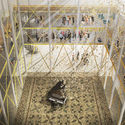
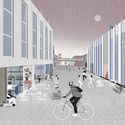
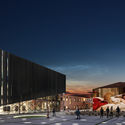

https://www.archdaily.com/873531/bee-breeders-announces-mango-vinyl-hub-competition-winnersOsman Bari
Schiattarella Associati’s Mosque in Saudi Arabia Creates an Illuminated Local Landmark
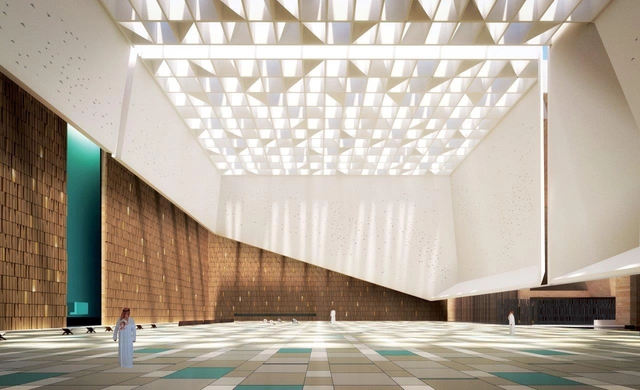
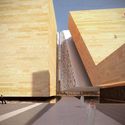
Rome-based firm Schiattarella Associati have unveiled the design of a new community mosque complex in the city of Ha’il in Saudi Arabia, using traditional cultural elements of Najd architecture to create a new landmark in the area. The 22,500 square meter Al Jabri Mosque accommodates 3000 people and focuses on “the principle of a people-oriented city and proposes it back again using a contemporary language respectful and attentive in the use of shapes and materials.”


https://www.archdaily.com/873371/schiattarella-associatis-mosque-in-saudi-arabia-creates-an-illuminated-local-landmarkOsman Bari
Power to the Bower: A Bird’s Architectural Method of Seduction
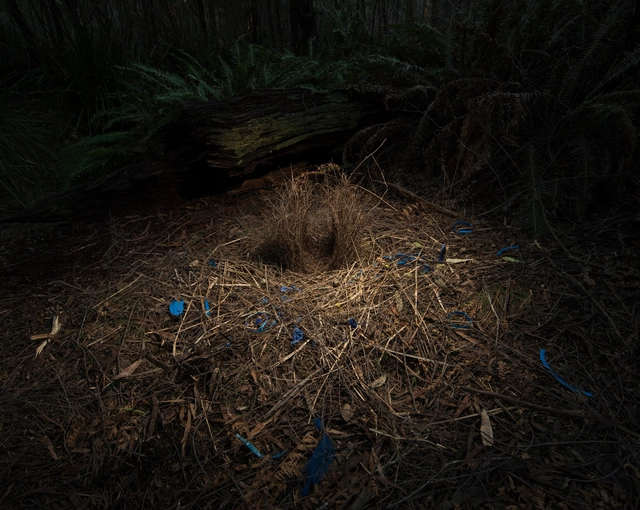
Think your decked-out bachelor pad is the slickest on the block? Think again. That reputation now resides in the carefully constructed abode of the bowerbird, which transforms the art of building into the art of seduction. Native to Australia and New Guinea, the bowerbird dedicates months to construct elaborate woven nests, known as bowers, as a means of attracting mates in one of nature’s most unique courting rituals.
https://www.archdaily.com/873098/power-to-the-bower-a-birds-architectural-method-of-seductionOsman Bari
TED Talk: Justin Davidson on the Pitfalls of Glass Skylines
Justin Davidson: Why glass towers are bad for city life -- and what we need instead
There's a creepy transformation taking over our cities, says architecture critic Justin Davidson. From Houston, Texas to Guangzhou, China, shiny towers of concrete and steel covered with glass are cropping up like an invasive species.
“That person sitting right next to you might have the most idiosyncratic inner life, but you don’t have a clue because we’re all wearing the same expression. That is the kind of creepy transformation that is taking over cities.”
Shiny, bland and homogenous. These characteristics are increasingly encapsulating the nature and identity of our cities through the use of glass as a dominant building material, says Pulitzer Prize-winning critic Justin Davidson. In this TED Talk, Davidson stresses the importance of the use of a varied palette of materials that evoke texture, color, roughness, and shadow, in order to create architecture of individuality and character to define and populate the world’s cities. The rapid growth of glassy skylines, which express a disdain for communal urban interaction, can be curbed through a combination of new and old building and material techniques, creating architecture that absorbs history and memory as a reflection of the diverse society it lives in.
https://www.archdaily.com/873289/ted-talk-justin-davidson-on-the-pitfalls-of-glass-skylinesOsman Bari
Curry Stone Design Prize Celebrates 11 Practitioners For Valuable Approaches to Public Space

The Curry Stone Design Prize has selected 11 honorees as part of June’s Social Design Circle, whose work responds to the question: Can Design Reclaim Public Space? From NGOs to design collectives across the globe, each winner addresses notions of usage, organization, and amenities within the realm of public space, and is featured on the prize’s website. In addition to a new circle of monthly winners, the prize hosts a weekly podcast, Social Design Insights, complimenting the featured work and expanding on the monthly themes with leading practitioners in social design.
Here are the 11 members of June’s Social Design Circle:
https://www.archdaily.com/872871/curry-stone-design-prize-celebrates-11-practitioners-for-valuable-approaches-to-public-spaceOsman Bari
The Textural, Geometric Surfaces of AL_A's MAAT in Lisbon
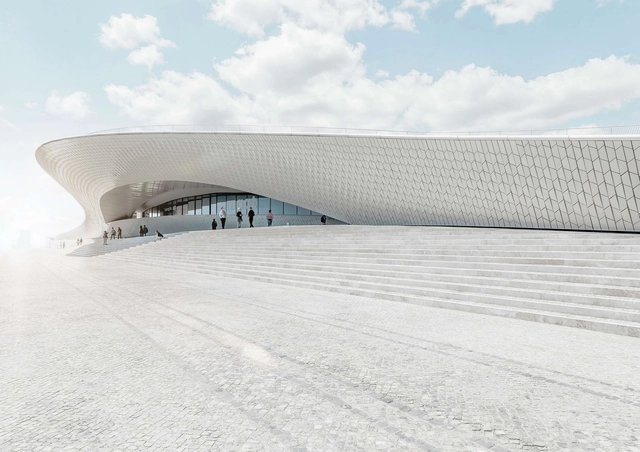
After a study of Madrid’s exuberantly geometric architecture, Digital Designer and Creative Director Joel Filipe continues his formal exploration in a series of photos of the MAAT by AL_A that celebrates the delicate impression of its undulating white tile facade against the bright Lisbon sky. Situated on the Tagus River, architect Amanda Levete creates a reunion between the river and the city with MAAT’s walkable rooftop terrace that draws visitors from the nearby streets of Belem, and with the promenade which steps down to meet the water. The roof provides a gathering space during the day and a place to screen films at night. The low-lying gentle arch of the building allows for a clever play of shadows and light, along with a nod to rippling water.


https://www.archdaily.com/872611/the-textural-geometric-surfaces-of-al-as-maat-in-lisbonAnnalise Zorn
MASA Studio’s Competition-Winning Hostels Combine Modularity and Tradition for Cancer Patients
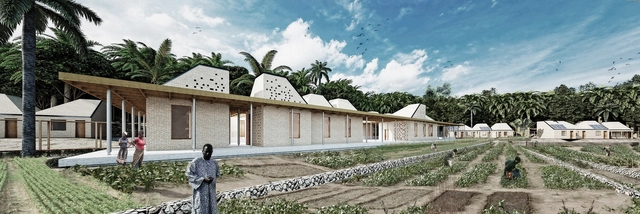
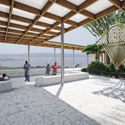
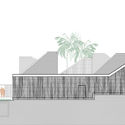
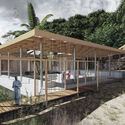
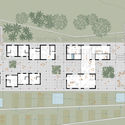
With a modular composition inspired by traditional sub-Saharan African building typologies, MASA Studio’s safe lodging proposal for Tanzanian cancer victims has been selected as the winner of the Hostels for Hope competition, which called for solutions to issues of health and safety in regards to the rehabilitation of cancer victims away from home in rural Africa. Organized by Pink Ribbon Red Ribbon, an international foundation combatting women’s cancers, the competition responds to the unfortunate decision that thousands of Tanzanian women have to make every year – to travel great lengths for unaffordable treatment and lodging, or to remain at home unable to fight the disease.

https://www.archdaily.com/872746/masa-studios-competition-winning-hostels-combine-modularity-and-tradition-for-cancer-patientsOsman Bari
Praksis Arkitekter Selected as Winners of Scandinavia's Most Prestigious Architecture Award
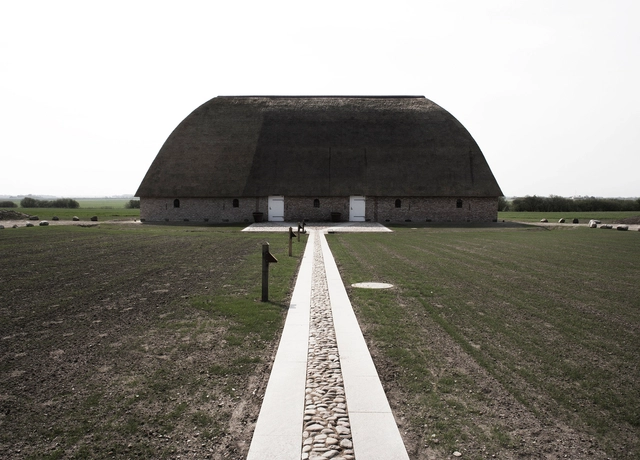
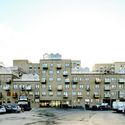
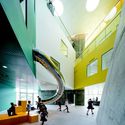
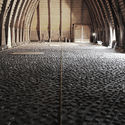
Praksis Arkitekter has been awarded 500,000 DKK as winners of Nykredit's Architecture Awards, the most prestigious architectural distinction in Scandinavia. Founded in 1987 by the Nykredit Foundation, the awards also honored two practices with 250,000 DKK Prizes: the Motivation Award, won by ADEPT, is “an encouragement to continue and further develop an already obvious talent” seen in young architectural practices, while the Sustainability Award, which was introduced in 2016, was won this year by Leth & Gori.


https://www.archdaily.com/872614/adept-selected-as-winners-of-northern-europes-most-prestigious-architecture-awardAD Editorial Team
10th Annual North American Copper in Architecture Awards Showcase 15 Innovative Copper Designs
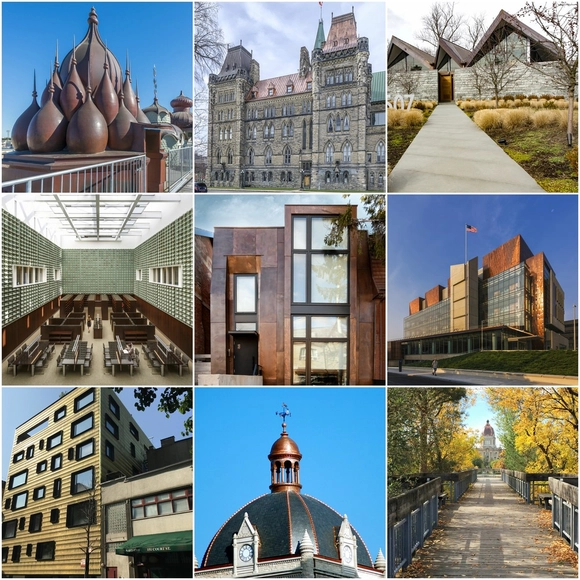
With a combination of resilience, sustainability, and pleasing aesthetics, the use of copper in architectural design is often indicative of a building’s craft and attention to detail, as demonstrated by fifteen projects selected as recipients for the 2017 North American Copper in Architecture Awards (NACIA). The 10th edition of the annual awards celebrates a variety of projects throughout North America for their “outstanding use of architectural copper and copper alloys.” Projects were selected across three categories: New Construction, Renovation/Restoration, and Ornamental Applications.
Here are this year’s fifteen NACIA winners:


https://www.archdaily.com/872118/10th-annual-north-american-copper-in-architecture-awards-showcase-15-innovative-copper-designsOsman Bari
PATH Architecture’s Catalytic Condominium in Portland is the Tallest Timber Building in the US
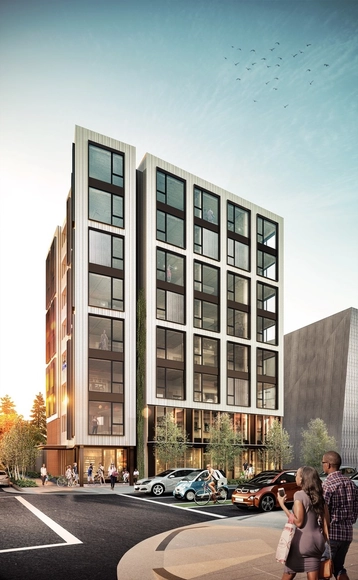
Continuing the ever-increasing growth of timber construction architecture in North America and around the world, Carbon12’s recent topping out has resulted in its newly achieved status as the tallest mass timber building in the United States. Situated in Portland and designed by PATH Architecture, the 8-storey condominium is an example of the cost-effectiveness and labor sensitivity of engineered wood products while helping regenerate Oregon’s local timber industry.
With a growing population and rapid development, much of recent focus has been on Portland’s city center, in an effort to preserve the existing natural landscape that surrounds the urban areas. Built of prefabricated cross-laminated timber panels and glu-lam beams around a steel core, Carbon12’s hybrid construction aids the city’s densification, given its off-site construction and quick assembly that help both reduce costs and respond to residential needs.
https://www.archdaily.com/872219/path-architectures-catalytic-condominium-in-portland-is-the-tallest-timber-building-in-the-usOsman Bari
Herzog & de Meuron’s BBVA Headquarters in Madrid Through Rubén P. Bescós' Lens
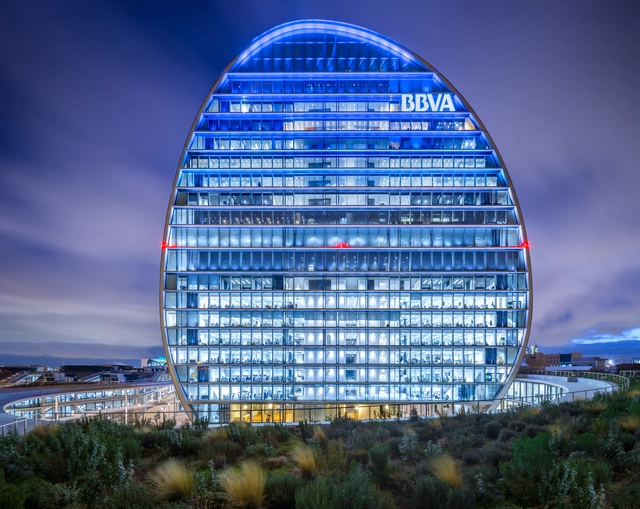
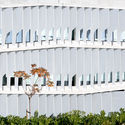
Completed in 2015 at the northern periphery of Madrid, the BBVA Headquarters by Herzog & de Meuron employs a complex network of passages, courtyards, and gardens to create a new corporate campus for the Spanish banking giant. Responding to local climatic needs, the building is recognized for its custom undulating brise-soleil along its facade and pebble-like central tower.
In this photoset, photographer Rubén P. Bescós turns his lens toward the new institutional landmark, capturing the building within its urban context.


https://www.archdaily.com/872097/herzog-and-de-meurons-bbva-headquarters-in-madrid-through-ruben-p-bescos-lensAD Editorial Team
Timelapse of Herzog & de Meuron's Latest Completed NYC Skyscraper Takes us to New Heights
Herzog & de Meuron have completed construction of their latest project, a high-rise luxury residential skyscraper on 56 Leonard Street, New York City. Conceived as a stack of individual houses resembling a Jenga tower, the building is the tallest in its Tribeca neighborhood. With its tall and slender silhouette, 56 Leonard Street is the latest in a series of contemporary skyscrapers punctuating Manhattan’s skyline.
https://www.archdaily.com/871737/timelapse-of-herzog-and-de-meurons-latest-completed-nyc-skyscraper-takes-us-to-new-heightsSabrina Syed
London to Follow in New York’s Footsteps With Camden High Line
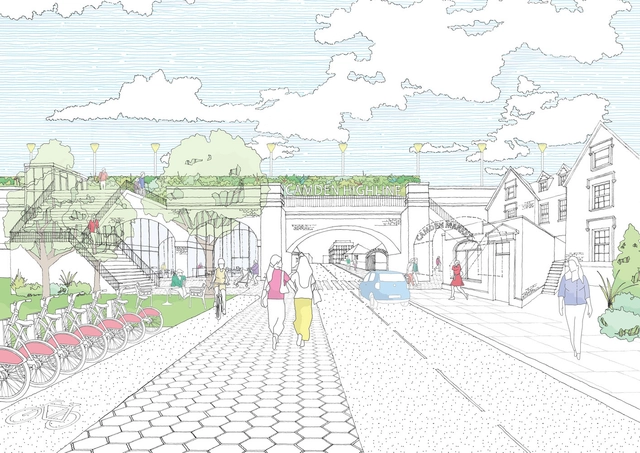
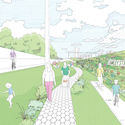
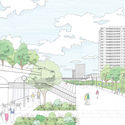
The New York High Line is set to receive a new British sibling, in the form the Camden High Line – a conversion of the defunct railway line connecting Camden Town and King’s Cross, into an elevated public space and commuting route. The invited competition for the project was won by London-based practices Studio Weave and Architecture 00, whose proposal is one of three international designs that have followed the success of the High Line in New York, with the other two situated in Bangkok and Mexico City.
“We think the re-use of this railway line for the Camden High Line outweighs the benefits and costs of leaving it vacant,” said Simon Pitkeathley, Chief Executive at Camden Town Unlimited. “This new transport link can reduce overcrowding and journey times on the existing, cycling and pedestrian routes nearby like Regent’s Canal.”

https://www.archdaily.com/871770/london-to-follow-in-new-yorks-footsteps-with-camden-high-lineOsman Bari
Advice For Procrastinator Architects

Scrolling through memes of cats in disguise. Checking if food has magically appeared in your refrigerator every ten minutes. Obsessively arranging books on your shelf by color. Renaming your computer's folders. In short, we seem to thrive on any irrelevant activity to avoid starting a reading, essay, model, or project. Procrastinate now, work later. Your future self can take care of business, after all.
As we suffer through long and strenuous projects, it is likely that we have all slipped into procrastination in order to avoid our next task. Not only do we avoid confronting work at the office or university studio, but also those personal errands which, if we dedicated ourselves, would enhance our daily lives. Below, based on our own experiences and expert opinion, and in order to avoid a host of other jobs around the ArchDaily office, we present 10 tips for architecture procrastinators, helping you to focus on the site analysis diagrams you should probably be doing right now!
https://www.archdaily.com/871566/top-10-tips-for-avoiding-procrastinationNicolás Valencia
DELVA Landscape Architects to Revive The Hague’s Historic Centre With Interconnected Urban Greens
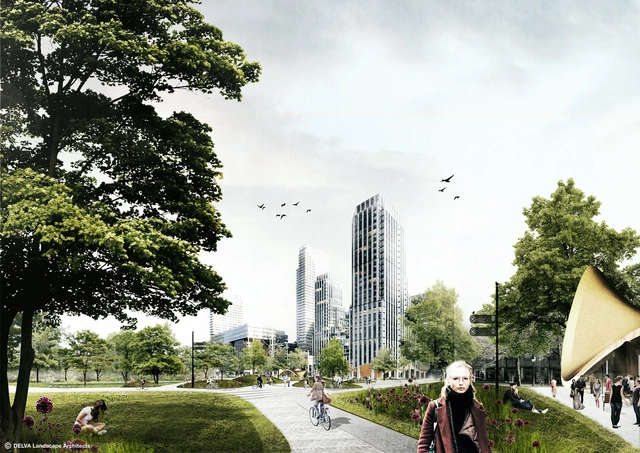
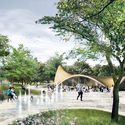
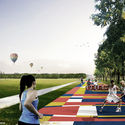
Serving as a new gateway to the city through the connection of various green spaces and public programs, The Green Entrance is DELVA Landscape Architects’ masterplan for a historic district of The Hague. Given The Hague’s future inner-city densification, which involves the creation of 50,000 new houses, the Dutch firm’s aim is to aid these developments through sustainable and green urban strategies, manifested “through an integral approach between landscape design, cultural heritage, mobility, programming and technology.”
Commenting on the project’s primary function, the architects state: “’The Green Entrance’ connects areas that have been isolated over the years. It starts in the spacious and open ‘City Hall' that connects to the train station and continues to the ‘Koningin Julianaplein’. No narrow doors or gates, but a wide view over the green and lively surrounding public space.”



https://www.archdaily.com/871478/delva-landscape-architects-to-revive-the-hagues-historic-centre-with-interconnected-urban-greensOsman Bari
Buero Wagner Selected for Interior Renovation of Frankfurt’s World Renowned Opera House
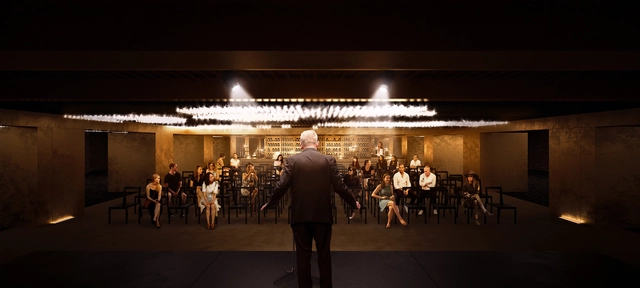
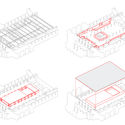
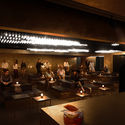
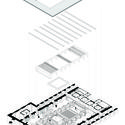
A competition for the interior renovation of the Alte Oper, one of the world’s most prominent opera houses in Frankfurt, has been won by German firm Buero Wagner, selected ahead of heavyweight runner-up Zaha Hadid Architects. The scope included the conversion of one of the building’s multipurpose foyers into a central social space, to be activated by the 450,000 annual visitors that attend the Alter Oper’s 400-plus concerts.

https://www.archdaily.com/871602/buero-wagner-selected-for-interior-renovation-of-frankfurts-world-renowned-opera-houseOsman Bari