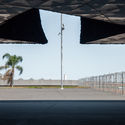
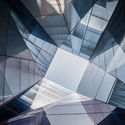
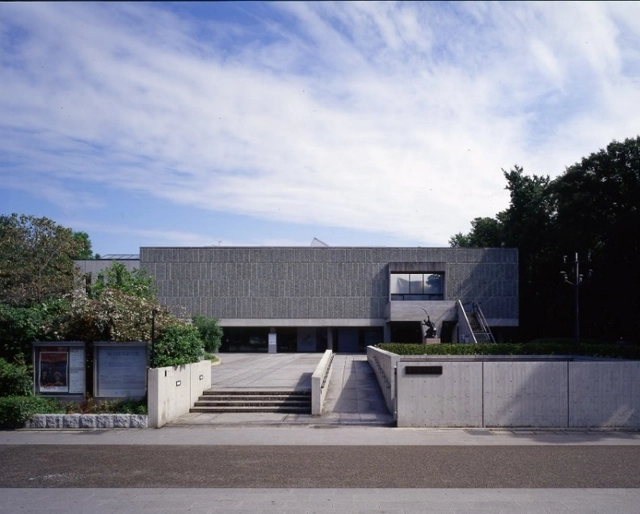
The Getty Conservation Institute has announced a workshop to address the care and conservation of three museums designed by Le Corbusier. The three museums are the only museums designed by the prolific architect. The workshop will be held in India, where two of the three museums are, with municipal corporations from Ahmedabad and Chandigarh serving as hosts for the event. The Foundation Le Corbusier, located in Paris, will also be assisting with the workshop.
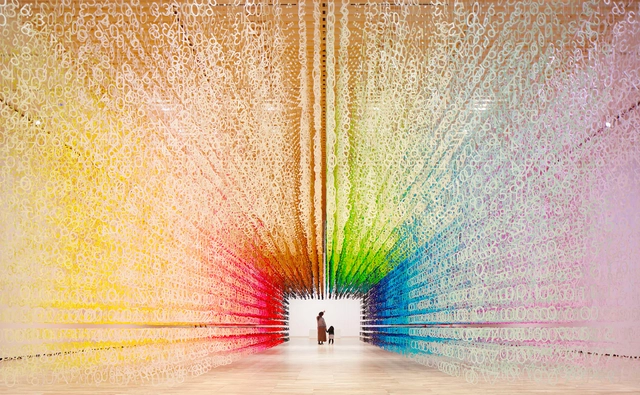
Architect Emmanuelle Moureaux’s latest art experience, “COLOR OF TIME,” allows observers to experience the passage of time through color. Moureaux’s installation is one of a series called, “Art and Design, dialogue with materials,” for Toyama Prefectural Museum of Art & Design’s opening ceremonies. Throughout the series artists played with different materials, showing their varying potentials and characteristics.
Moureaux chose paper; layering over 100,000 number cutouts into a 3D grid. From sunrise at 6:30 to 19:49, the numbers turn over 100 shades of color, ending in black. A color changing experience totaling 799 minutes.
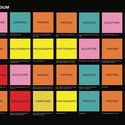
The aim of the competition is to design an iconic museum of language in the heart of London that will deconstruct the science of linguistics into various aspects of- speech, script and sense. The proposal must not only become an archive for the past and present world languages but also serve as a learning center that works to develop languages and future communication systems.
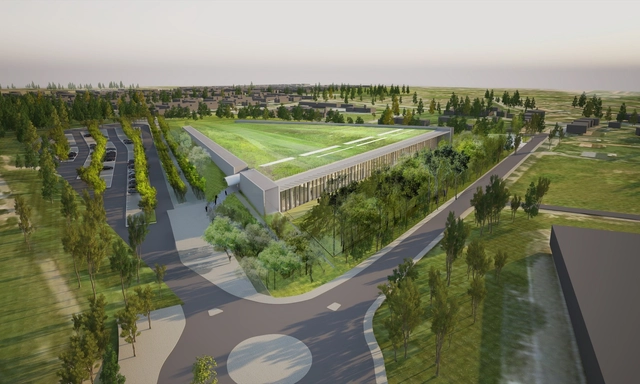
Renderings of the project. Image Courtesy of Rogers Stirk Harbour + Partners
Rogers Stirk Harbour + Partners has broken ground on a new conservation and storage facility for the Louvre in Liévin, France. Capable of housing conservation and storage facilities for as many as 250,000 works, the building will is aiming to become of one of the world’s most advanced research and study facilities.
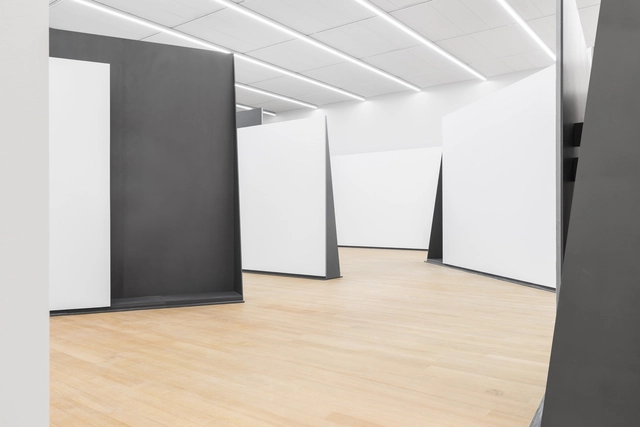
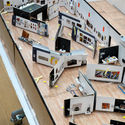
Photograph by Delfino Sisto Legnani and Marco Cappelletti. Image Courtesy of OMA
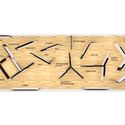
AMO, the research and think tank wing of OMA, has completed a flexible new exhibition space for the permanent collection of the Stedelijk Museum in Amsterdam. Named Stedelijk BASE, the bespoke display system is constructed from “very thin yet solid” free-standing steel partitions that interlock like puzzle-pieces to create an open-ended flow for viewing art from the late 19th and 20th centuries.
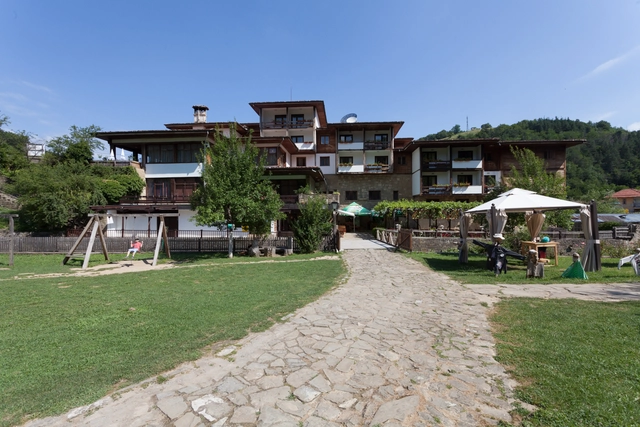
Open Аir Ethnographic Museum "Etar" and the Municipality of Gabrovo with the support of the Chamber of Architects in Bulgaria and the Union of Architects in Bulgaria are announcing the National One-stage Anonymous Architectural Competition ETAR MUSEUM HOTEL. The main objective of the competition is to achieve an expert, transparent and motivated choice of a conceptual architectural project for reconstruction of the Strannopriemnitsa Hotel, part of the most visited group tourist destination in Bulgaria.
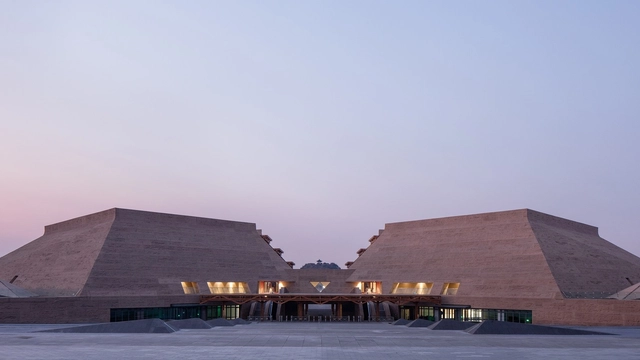
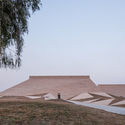
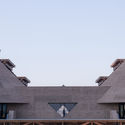
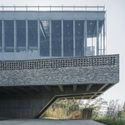
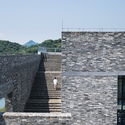
The Kharayeb Archaeological Museum (KAM) was designed by Shiogumo in the agricultural lands of the coastal village Kharayeb, in the south of Lebanon. The site-specific museum was commissioned to preserve and enhance the historical, cultural, and public significance by the directors of the archeological mission and site, Dr. Ida Oggiano (Istituto di Studi sul Mediterraneo Antico of CNR, Italy) and Dr. Wissam Khalil (Lebanese University).
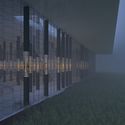
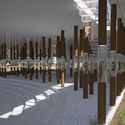
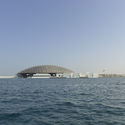
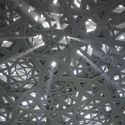
Earlier this month, Abu Dhabi’s much-awaited “universal museum,” the Louvre Abu Dhabi designed by Pritzker Prize-winner Jean Nouvel, was opened to the public. After several years of delays and problems including accusations of worker rights violations, revisions in economic strategies, and regional turmoil, the completion of the museum is a feat in itself. Critics, supporters, naysayers, artists, economists, and human rights agencies, have all closely followed its shaky progress, but now that it’s finally open, reviews of the building are steadily pouring in.
Read on to find out how critics have responded to Nouvel’s work so far.
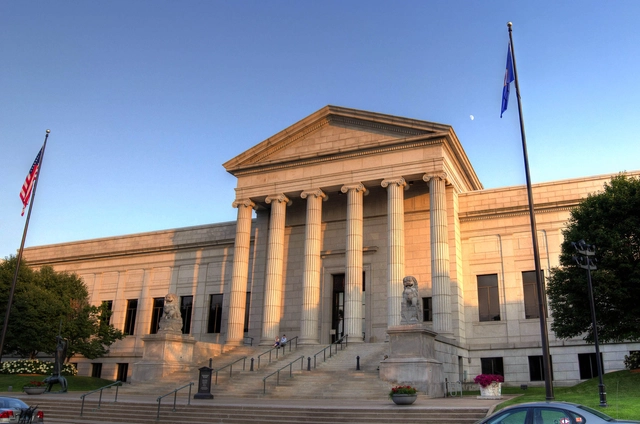
The Minneapolis Institute of Art (MIA) has selected David Chipperfield Architects to lead the design of a new masterplan for the museum that will “enhance the visitor experience and to expand the community’s access to the museum as a community resource.”
The planning process will aim to diagnose potential improvements and provide a conceptual solution for a long-term growth plan for the Museum. Several pressing needs have already been identified, including improved parking facilities, additional art storage and increased and improved public gathering spaces. The Museum also hopes to question the current visitor circulation, as well as consider upgrades to their restaurant and auditorium.
The Cooper Hewitt Museum, also known as the Smithsonian Design Museum, has completed a digitization of its expansive collection dedicated to the field of design that spans thirty centuries and more than 220,000 objects. Now, the collection has been made available on its online page.
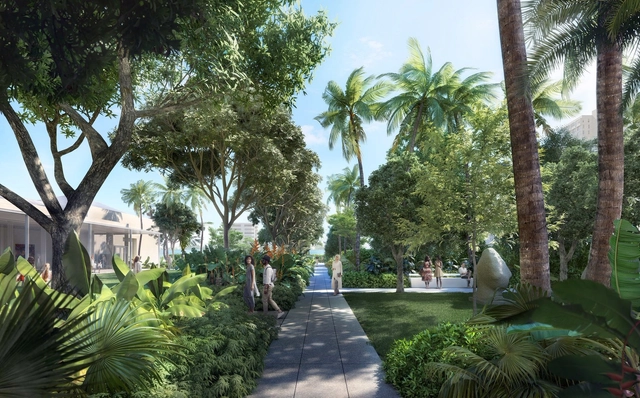
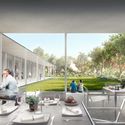
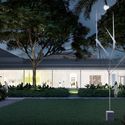
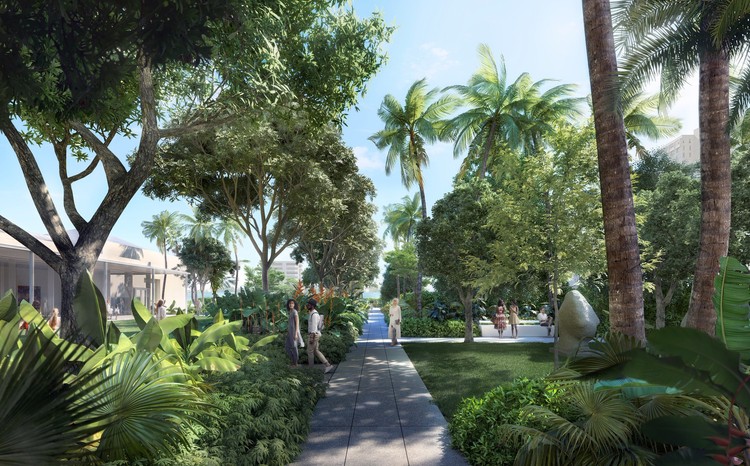
The Norton Museum of Art in West Palm Beach, Florida has announced plans for the first-ever public garden designed by Foster + Partners as part of their $100 million expansion project. To feature a variety of native sub-tropical plantings and gathering spaces, the garden is envisioned as “a new social space for the community.”
“From the beginning, we have conceived of the Norton expansion as an opportunity to create a New Norton—one that embraces its original design, while also creating a more welcoming and inviting campus,” said Lord Norman Foster.
“In our masterplan, it was important for us to define the Norton’s sense of place—in this case Florida’s lush subtropics. To do so, we conceptualized a museum within a garden. We are creating verdant spaces for art and programming that extends the museum beyond its walls.”
Named The Next Level, the project begins on the ground level of the museum, extending downward beneath the adjacent Officerspladsen plaza. The addition has been designed to work naturally with the flow of the existing building, which already serves as a bridge between the Aarhus River and the nearby Aarhus Music Hall. A 120-meter-long hallway will stretch down into the Earth connecting visitors the larger of the two Turrell installations, The Dome.
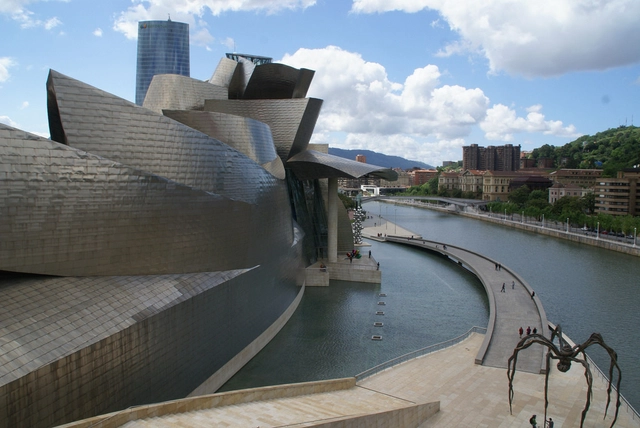
On October 15th four languages, three countries, and three astounding architectural projects will be brought together through a series of events and workshops to celebrate the 20th anniversary of the Guggenheim Museum Bilbao. The Solomon R. Guggenheim Foundation seeks to commemorate the event with a full day program of activities entitled Drawing the Guggenheim. Visitors can explore and sketch the museums during a variety of public drawing exercises, architectural tours, films and family events at each of the Guggenheim locations.
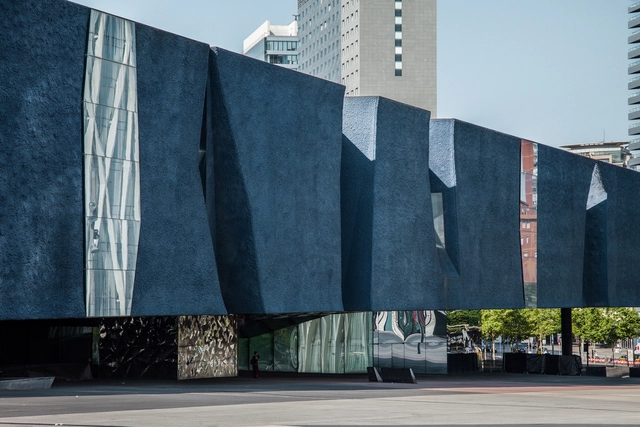
We look for materials which are as intelligent, versatile and complex as natural phenomena, in other words materials which don't just appeal to the eyes of the astounded art critic, but are also really efficient and appeal to all our senses. – Jacques Herzog
Like several other works of architecture by Herzog & de Meuron the Forum Building, known since the 2012 relocation of Barcelona's Museu de les Ciències Naturals as the Museu Blau, is remarkable for its sensitive use of materials. A triangular mass of gray-blue concrete punctured and split in places to reveal the contrasting use of reflective planes, the building is a hard one to ignore, especially for an architectural photographer.

















.jpg?1511265934&format=webp&width=640&height=580)
_%C2%A9_Louvre_Abu_Dhabi_-_Photography_Marc_Domage.jpg?1511018413 "© Marc Domage")
.jpg?1511018528 "© Roland Halbe")
.jpg?1511265934)