As long as there have been buildings mankind has sought to construct its way to the heavens. From stone pyramids to steel skyscrapers, successive generations of designers have devised ever more innovative ways to push the vertical boundaries of architecture. Whether stone or steel, however, each attempt to reach unprecedented heights has represented a vast undertaking in terms of both materials and labor – and the more complex the project, the greater the chance for things to go awry.
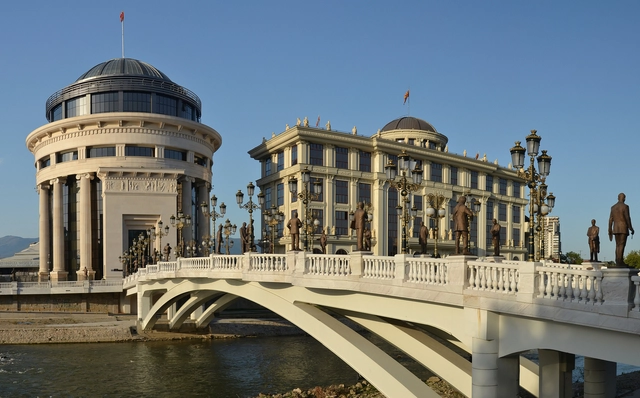
After the earthquake in Skopje in 1963, a slew of foreign architects worked to change the capital into an architecturally dynamic urban landscape. Now, that vision may be obsolete. In Architects of Modernist Skopje Decry Retrograde Remodel, Bojan Blazhevski investigates the overwhelming number of buildings enduring "Skopje 2014" — a remodeling of existing buildings in the capital city. More than 20 modernist buildings have already been made over. Described as "kitsch" by a hostel manager in the city, the project, which aims to draw in more tourists and regain historical elements, has culminated in a neo-classical display. The imitation buildings, however, have produced controversy, with opinions divided on the aesthetic quality of the project.
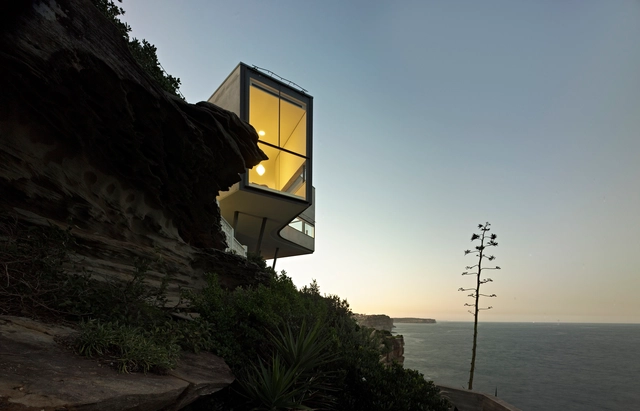
Alongside Camilla Block and David Jaggers, Neil Durbach of Durbach Block Jaggers has carved out a unique place in Australian architecture. Known primarily for their carefully sculpted modernist houses, the firm's architecture is simultaneously rich in architectural references and thoroughly original. In this interview, the latest in Vladimir Belogolovsky's “City of Ideas” series, Durbach explains the true inspirations behind their work, why these inspirations have little to do with the public descriptions of their projects, and why for him, the intention of all of his architecture “is to win Corb’s approval.”
Vladimir Belogolovsky:You came to Australia while the Sydney Opera House was still under construction. Does this mean you were here even before going to the US?
Neil Durbach: Yes, I first came to Australia as an exchange student while still in high school.
VB:So you have seen the Opera under construction then. How special was that? Did that building change anything in particular in you?
ND: Well, at that time I wanted to be an artist. A friend took me on a boat to see it. It was kind of staggering... And I thought – you know, this is much more interesting than art. And I felt – maybe architecture is what I should pursue.
With the onset of the Great Depression in the 1930s, the great World’s Fairs that had been held around the globe since the Crystal Palace Exhibition of 1851 lost much of their momentum. With the specter of another global conflict looming like a stormcloud on the horizon in the latter half of the decade, prospects for the future only grew darker. It was in this air of uncertainty and fear that the gleaming white Trylon and Perisphere of the 1939 New York World’s Fair made their debuts, the centerpiece of an exhibition that presented a vision of hope for things to come.
The opening of the Century 21 Exposition on April 21, 1962 transformed the image of Seattle and the American Northwest in the eyes of the world. The region, which had been known until that point more for its natural resources than as a cultural capital, established a new reputation as a center of emergent technologies and aerospace design. This new identity was embodied by the centerpiece of the exposition: the Space Needle, a slender assemblage of steel and reinforced concrete which became—and remains—Seattle’s most iconic landmark.[1]
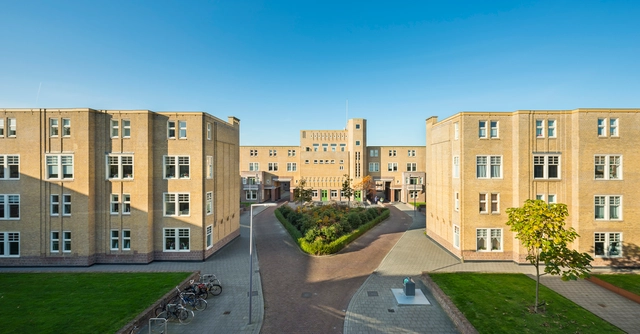
Originally designed by Michiel Brinkman in 1919-1921 and completed in 1922, the Justus van Effen complex is a strong example of the ideals embodied in the modern movement, particularly with its use of an elevated “street” as a means of facilitating social cohesion, which became very influential for subsequent generations of designers.
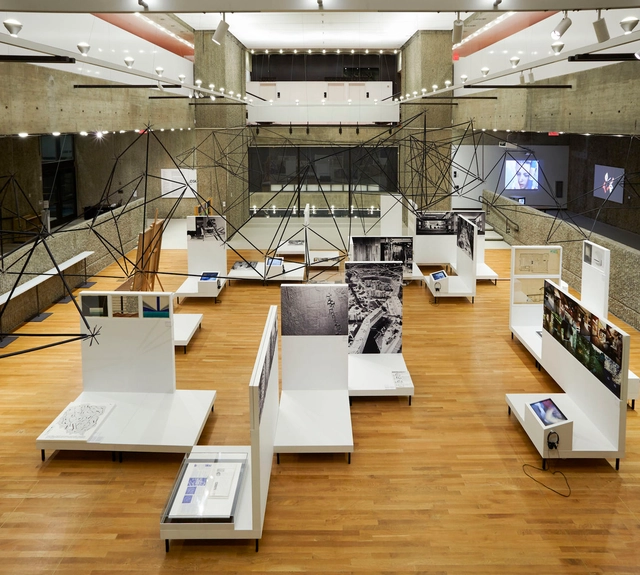
An exhibition highlighting the work of Oskar Hansen (1922-2005), architect, urban planner, and theorist, has opened at the Yale School of Architecture (YSoA) running from 1 September to 17 December 2016.
Oskar Hansen: Open Form traces the evolution of Hansen’s theory of Open Form from its origin in his own architectural projects to its application in film, visual games, and other artistic practices. The exhibition will be on view at YSoA through 17 December in Paul Rudolph Hall, 180 York St. It is free and open to the public Monday-Friday 9.00- 5.00, and Saturday 10.00-5.00.
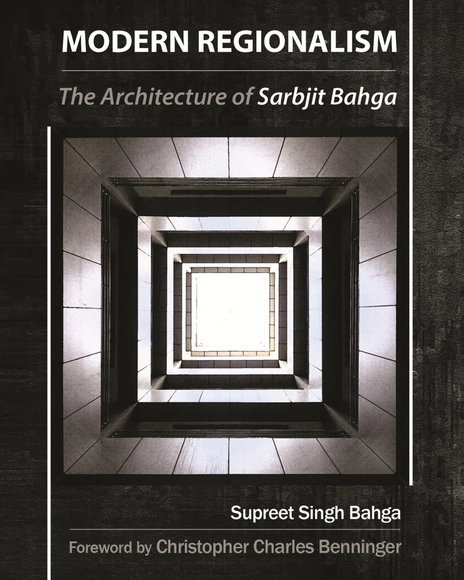
Modern Regionalism: The architecture of Sarbjit Bahga is a monograph on the selected works of Indian architect Sarbjit Bahga. He has more than three-and-a-half decades of practical experience in designing of various types of buildings, complexes and large campuses. His completed works include an eclectic and impressive range of administrative, recreational, educational, medical, residential, commercial and agricultural buildings. His building designs are innovative and responsive to function, climate and materials. He is a staunch modernist and an ardent, yet not blind, admirer of Le Corbusier, Pierre Jeanneret and Louis Kahn.
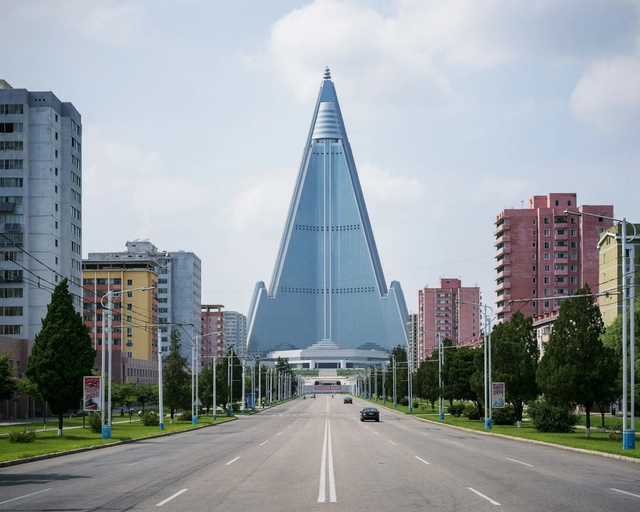
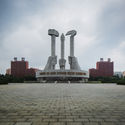
North Korea is one of the few countries still under communist rule, and probably the most isolated and unknown worldwide. This is a result of the philosophy of Juche – a political system based on national self-reliance which was partly influenced by principles of Marxism and Leninism.
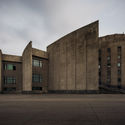
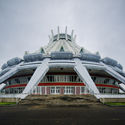
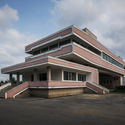
In recent years though, the country has loosened its restrictions on tourism, allowing access to a limited number of visitors. With his personal photo series “North Korea – Vintage Socialist Architecture,” French photographer Raphael Olivier reports on Pyongyang’s largely unseen architectural heritage. ArchDaily interviewed Olivier about the project, the architecture he captured, and what he understood of North Korea’s architecture and way of life.
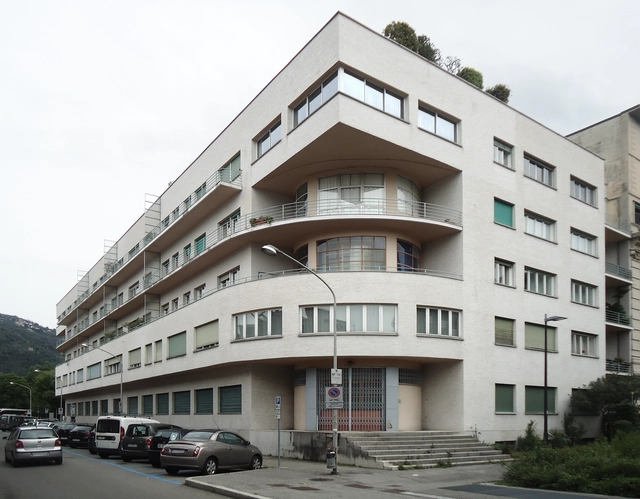
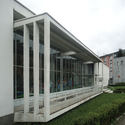
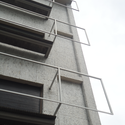
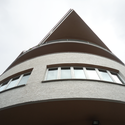
With a short career of only thirteen years, Italian architect Giuseppe Terragni (1904-1943) left an important legacy of built works that are now used as classic references of modern and rationalist architecture.
We traveled to Como and Milan to visit Terragni's emblematic works that clearly reflect his style. These projects are based on the organized configuration of architectural elements that individually appear clean, pure, and expressive, but together also form a harmonious whole.
These are: Novocomum, Casa Rustici, Asilo Sant'Elia, Casa Giuliani Frigerio and Casa Lavezzari.
At just 1,310 feet (400 meters) across at its widest point, Fire Island, a barrier island to the south of Long Island in New York, may not seem like an ideal place to host a community. Nonetheless, the island is home to a number of small villages, whose seclusion and proximity to the ocean make them popular getaway locations. With its beach atmosphere (the community is only accessible by ferry) and its growing reputation from the 1960s onward as a safe space for the gay community, Fire Island Pines is one such popular summer destination. As the village grew in the post-war years, the care-free recreational lifestyle encouraged by Fire Island Pines' setting was an ideal proving ground for many of the ideals of mid-century modernist house design, with architects such as the prolific Horace Gifford—who designed 40 homes in Fire Island Pines alone—answering the call.
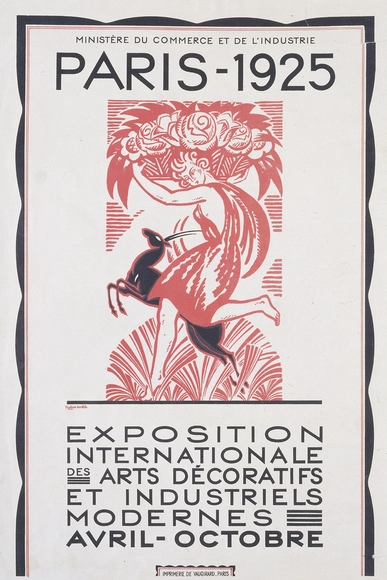
The Exposition’s poster, designed by Robert Bonfils. ImageCourtesy of the Victoria and Albert Museum
The end of the First World War did not mark the end of struggle in Europe. France, as the primary location of the conflict’s Western Front, suffered heavy losses in both manpower and industrial productivity; the resulting economic instability would plague the country well into the 1920s.[1] It was in the midst of these uncertain times that the French would signal their intention to look not to their recent troubled past, but to a brighter and more optimistic future. This signal came in the form of the Exposition Internationale des Arts Décoratifs et Industriels Modernes (International Exposition of Decorative Arts and Modern Industries) of 1925 – a landmark exhibition which both gave rise to a new international style and, ultimately, provided its name: Art Deco.
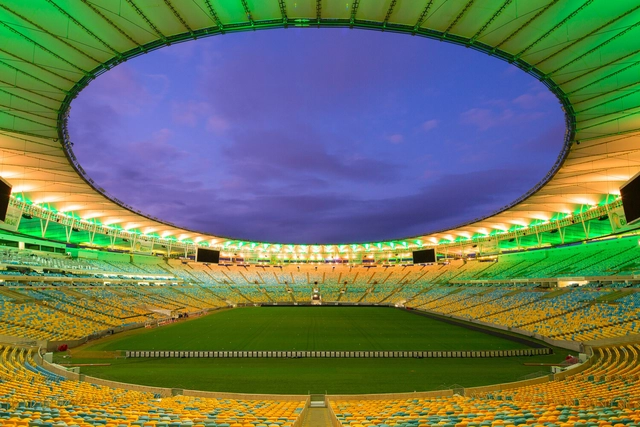
Rio de Janeiro is a city of sights and sounds. As diverse as its people is the collection of impressive architecture found in Brazil's second most populous city—from Eurocentric historical architecture to 20th century regionalist modern marvels, not to mention the city's growing crop of contemporary cultural venues. The combination of mountainous terrain, lush rainforest, and the ocean inspires many to create lively and unique architecture.
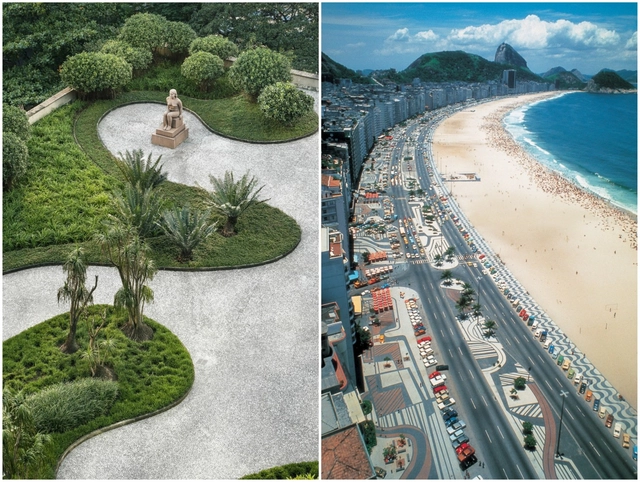
At any given moment when walking through Roberto Burle Marx: Brazilian Modernistat the Jewish Museum in New York, one may hear a soft rushing of waves, mixed with the murmur of an open-air crowd. A narration in Portuguese, both spoken and sung, will drift breezily in and out. This is the soundscape of Plages, a 2001 video by artist Dominique Gonzalez-Foerster. Shot from an aerial perspective above Copacabana Beach, the film shows the popular Rio de Janeiro waterfront not in its usual sunlit splendor but in the artificially lit nocturne of New Year’s Eve 2000. Celebrators teem in the space between city and ocean, in the moment between one year and the next, moving in dynamic patterns amid the immense designs laid out by Roberto Burle Marx.
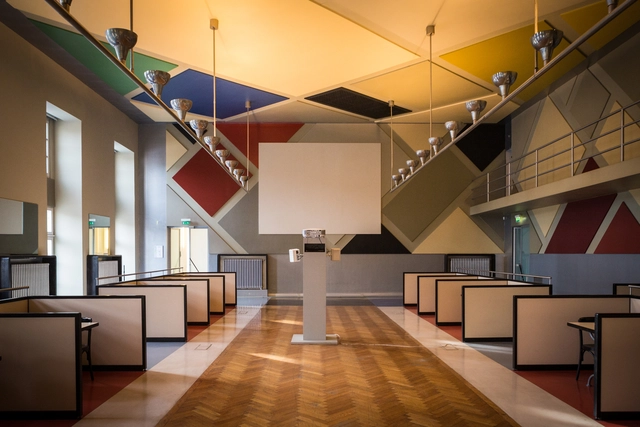
Concealed behind an 18th century Baroque façade in Strasbourg’s Place Kléber, the Café L’Aubette is a dazzlingly incongruous expression of the 1920s De Stijl movement. Designed by Theo van Doesburg, one of the movement’s founders and leading lights, the Aubette’s minimalist, geometric aesthetic was heavily influenced by the work of contemporary artists such as Piet Mondrian. In designing the café’s interiors, Van Doesburg sought to do more than simply place viewers before a painting; he wanted to envelop them in it.
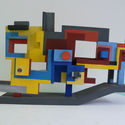
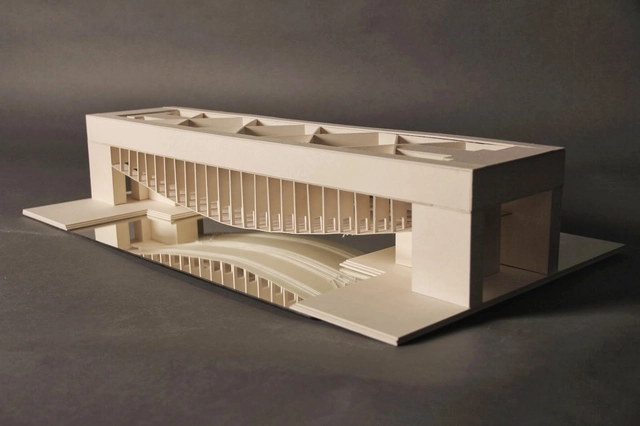
Model of the unrealised Palazzo dei Congressi, Venice. Image
The city of Venice has been caught in a tug of war between progress and traditionalism for many years, and particularly since the construction of a railroad viaduct in 1846 linked the island city to the Italian mainland for the first time in its history.[1] Over a century later, the Venetian government commissioned Louis Kahn to design a new Palazzo dei Congressi for the city; his proposal, while paying respect to the histories of both the Republic of Venice and a unified Italy, could not escape similar controversy.
Skidmore, Owings, and Merrill'sVeterans Memorial Coliseum in Portland, Oregon has been on the chopping block for some time now: since the city’s NBA team moved to the Moda Center (known also as the Rose Garden) next door in 1995, the building has struggled to find the funding necessary for maintenance, and since 2009 calls have been made for the demolition of the iconic modernist structure. The threat reached peak levels last October, when the Portland City Council nearly voted to approve a proposal for demolition before ultimately denying it by a narrow 3-2 margin.


















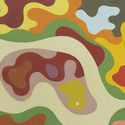
.jpg?1470233009 "An untitled work in collage, made in 1967, illustrates Burle Marx’s diverse artistic pursuits. Image Courtesy of Sítio Roberto Burle Marx, Rio de Janeiro")


.jpg?1465573576 "via City of Portland Archives")