



-
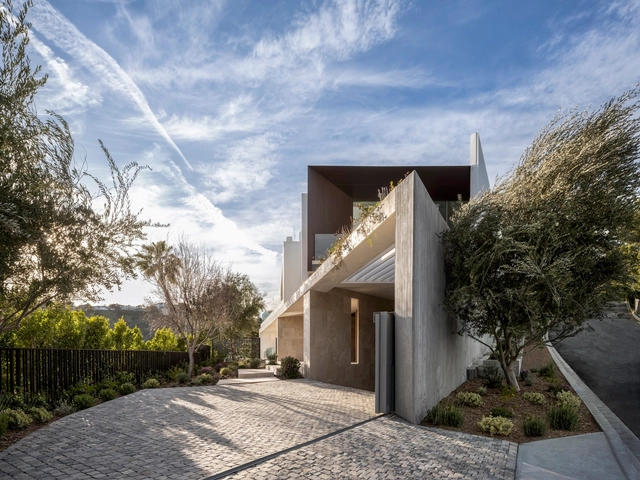
Architects: SAOTA
- Year: 2023
-
Professionals: Dieter Vander Velpen Architects, JAL Construction Inc., CEG, Landscape by Diane, Moon Lighting


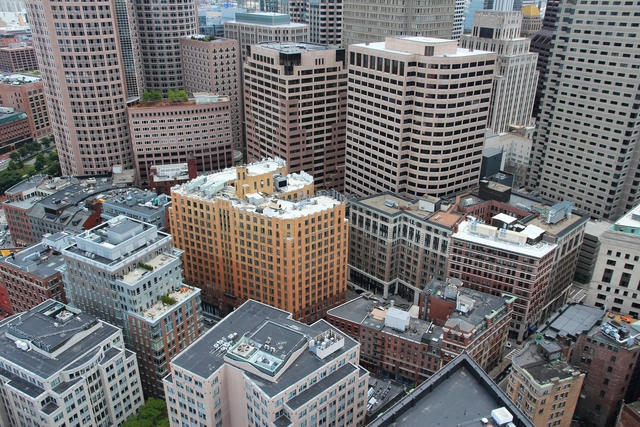
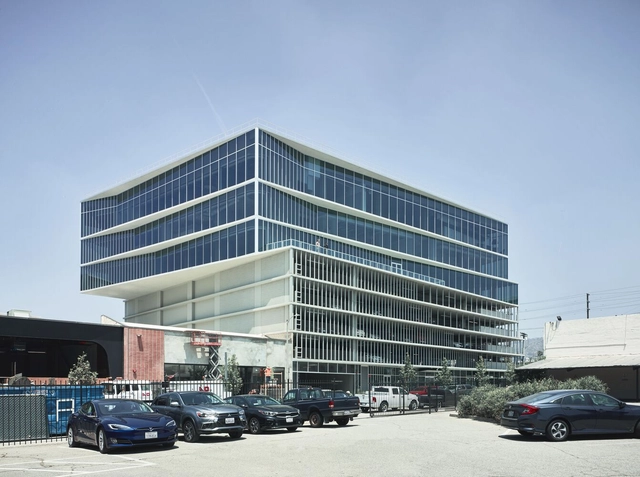
Cities across the US are struggling to fill their office spaces. Major cities like Washington DC, Boston, and San Francisco have increasingly vacant downtowns, while the urban centers of small Rust Belt cities struggle to survive altogether. This trend is consistent beyond the US, with over three-quarters of Europe’s office buildings at risk of obsolescence by the decade’s end. The cause of this, in most cases, is simple: an oversupply of offices and a shift towards remote work. These vacant buildings can trigger a negative domino effect of economic and social challenges for cities, and their surplus, coupled with a housing shortage, has sparked discussions among cities and architects about the impending necessity to transform offices into housing.
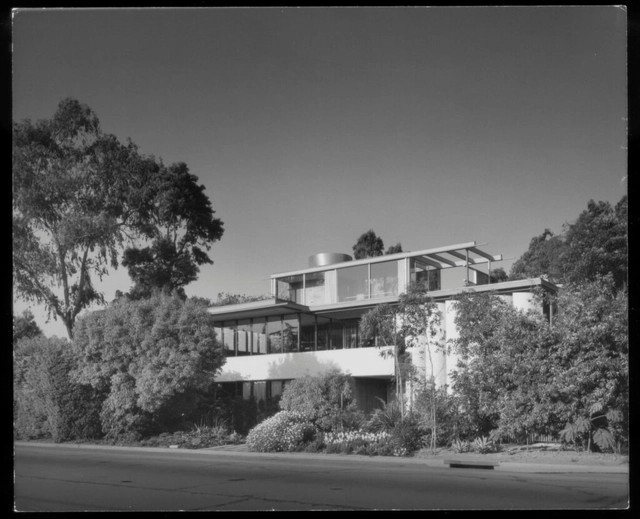
It was, of course, Frank Lloyd Wright who set up the ground for modern architecture to happen in Los Angeles. Then came the Viennese, Rudolph Schindler in 1920 and Richard Neutra in 1925 at the invitation of Schindler. Both worked for Wright choosing to learn from him what they saw as essential—by focusing on spatial and formal clarity, transformability, restrained materiality, and the living environment to achieve a desirable quality of life within. Neutra and Schindler collaborated at first, and then each built a rich portfolio, mainly comprising houses and apartment blocks. Universal in principle, these abstract robust structures defined and led the development of a local building vernacular. These buildings, of which there are several hundred, are now strongly associated with the two architects’ adopted city.



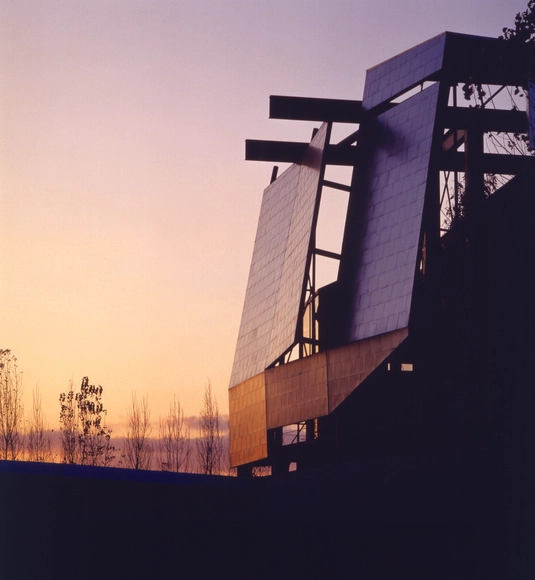
Michael Rotondi’s buildings—museums, civic centers, education facilities, monasteries, restaurants, and residences—evoke kinetic mechanisms that fold, hinge, twist, and split open. They express the architect’s feelings, thinking, and mood at the time they had been designed, and, on some occasions, during their assembly and construction. Rotondi was born in 1949 in Los Angeles.
He established his RoTo Architects, a research-based firm in his native city, in 1991 after co-heading Morphosis for 16 years with Thom Mayne. Parallel to his practicing career, the architect has been teaching and lecturing at SCI-Arc, Southern California Institute of Architecture, which he co-founded in 1972, led its graduate program from 1978-1987, and was the school’s second director for a decade from 1987 to 1997.

.jpg?1613161726&format=webp&width=640&height=580)
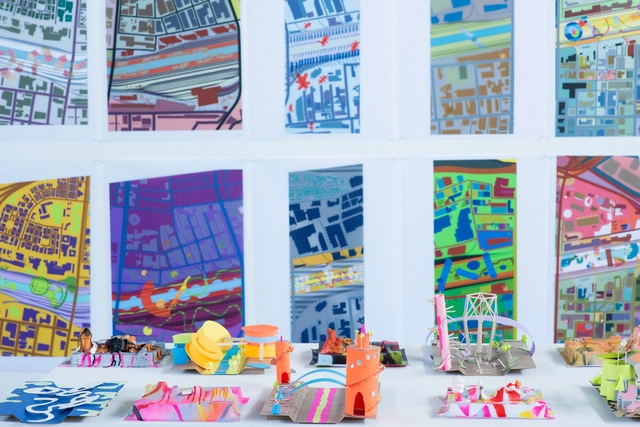
Introducing high school students to their potential future careers is key in helping them to envision how the next years of their lives may be. With an immersive four-week summer program, Design Immersion Days (DID) gives an insight into design and architecture experimentation to high school students. Aiming to inspire their curiosity about architecture, the program’s proposal integrates the introduction of basic design knowledge and critical thinking skills, as well as familiarizing them with the wider architecture and design culture of Los Angeles.
Known for their innovative approach, SCI-Arc is characterized for encouraging their students to take the lead in reimagining the limits of architecture. Through their Youth and Summer Programs, they start building connections –both locally and internationally– with those interested in a future inside the discipline and provide them with design tools and architectural thinking.
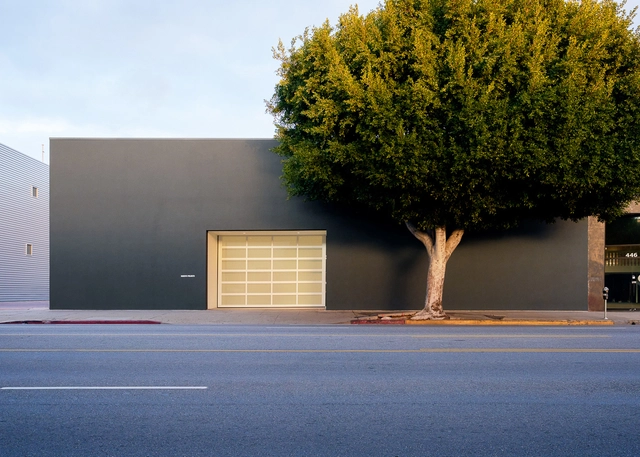
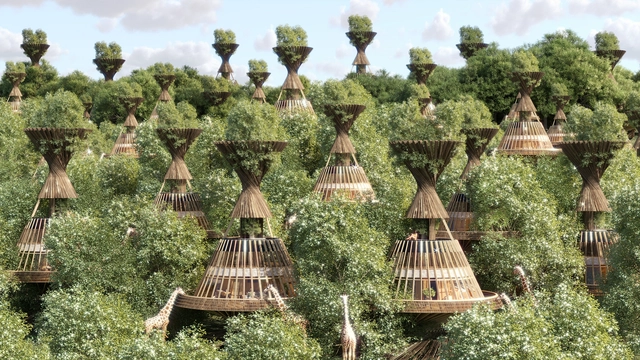
The history of architects designing resorts is intertwined with the development of the hospitality industry and the concept of leisure travel. The origins can be traced back to ancient times when the Romans built luxurious villas and bathhouses as retreats for the wealthy. However, the modern notion of resorts emerged during the 19th century with industrialization and the growing middle class seeking recreational experiences.
At a very high standard of luxury, resort hotels provide an immersive and rejuvenating vacation experience. These resorts are frequently rooted in beautiful landscapes in remote locations, often containing full-service accommodations, offering escapism and complete disconnection. Architects have continued to shape the resort landscape in recent decades with their designs. Sustainability and integration with natural surroundings have gained importance as architects strive to create environmentally conscious and immersive resort experiences.
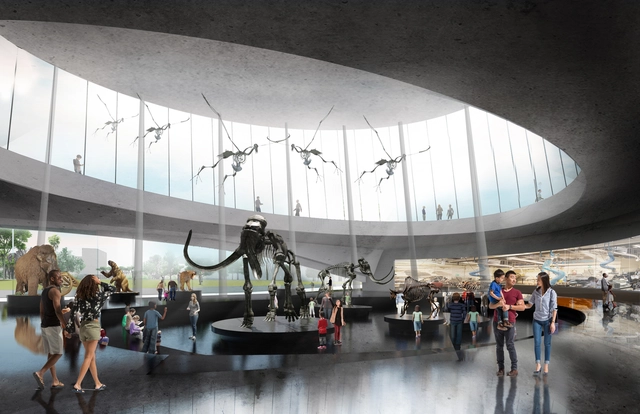
The Natural History Museums of Los Angeles (NHMLAC) announced the selection of Kossmanndejong (KDJ) as the firm that will lead the design of exhibition spaces and develop visitor experiences to reimagine the La Brea Tar Pits. As the world’s only active paleontological research site in an urban setting, KDJ will work through many design verticals, such as architecture, landscaping, and programming. KDJ, based in Amsterdam, the Netherlands, was chosen through an international search and competitive process to provide creative and interpretive strategies for the site-wide redesign in Hancock Park. KDJ will collaborate with the architectural and landscape design team led by WEISS/MANFREDI and Los Angeles-based Gruen Associates, who NHMLAC recently named Executive Architect of the Year.
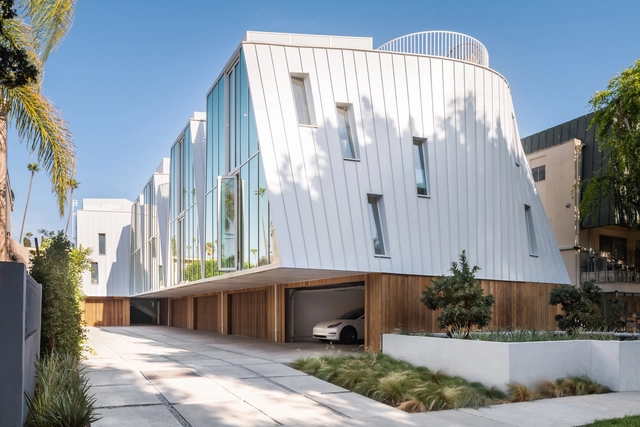

Providing an overview of the profession and discipline of architecture can be a complex task given the diversity of people's backgrounds, personal interests, and experimentation techniques. Therefore, many processes related to architecture are based on speculation and innovation, taking the initiative to reimagine established limits. Architecture schools, such as École des Beaux-Arts, Vkhutemas, and Paulista School, were progressive schools of their time that developed their style led by experimental and curious minds. Thanks to these experimental processes, each developed its architectural style, characterized by factors such as philosophy, location, and the era in which the school was born.
Since its creation in Santa Monica in 1972, the Southern California Institute of Architecture (SCI-Arc) has been a world-renowned center of innovation and one of the few independent schools of architecture in the United States. It excels in challenging its students through various programs to stretch their imaginations by experimenting with non-traditional materials and approaches. Through the renowned Making+Meaning program, SCI-Arc provides an immersive introduction to students and creative professionals from diverse disciplines, who have the opportunity to explore the field of design and emphasize the fundamentals of experimentation and architecture. The return to face-to-face teaching this year infuses new energy into the program for both students and instructors, given the value of collaborating in a physical space for the development of studio-based projects.
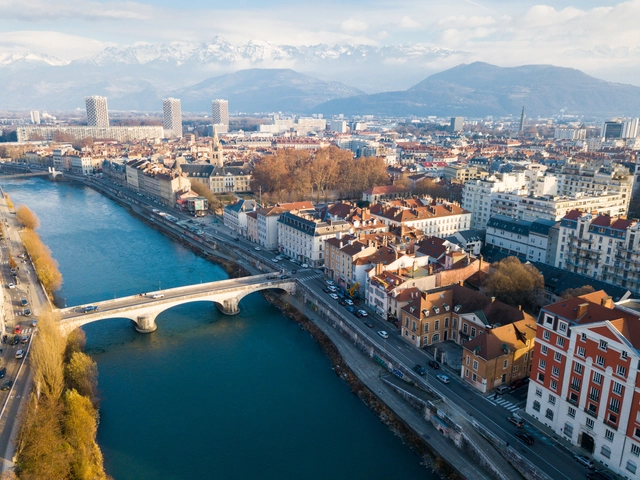
Every year since its establishment in 1970, Earth Day aims to bring into focus not only the increasingly threatening effects of climate change but also highlight the effective measures and adaptation efforts that can improve the quality of our environment. This year’s event comes after a report from the United Nations’ Intergovernmental Panel on Climate Change (IPCC) in March, which presented another warning on the magnitude of changes produced by human-induced global warming and its impact on people and ecosystems. The same report does offer some hopeful prospects as well, showing that adaptation measures can build resilience, but those urgent systemwide transformations are needed to secure a net-zero future. In response to these findings, the 2023 Earth Day is focused on the theme of “Investing in Our Planet,” as an encouragement for governments, institutions, businesses, and civil society to accelerate the change. Read on to discover several citywide initiatives aligned with these objectives of building resilience and a more sustainable future through legislation, civic involvement, and innovative systems.
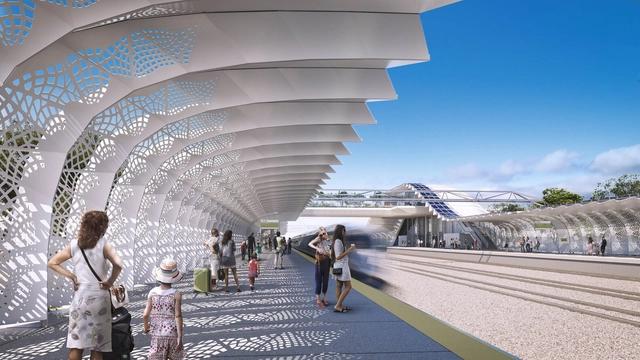
Foster + Partners and Arup have chosen to work together to design the Merced, Fresno, Kings/Tulare, and Bakersfield stations that will service high-speed train passengers on the first 171-mile leg of California High-Speed train (CA HSR). The Central Valley stations will be the grand entrances to America's first high-speed rail stretch, marking an important step towards providing all Californians with sustainable, carbon-free transportation. Planning, architecture, and engineering for the four new stations, which will serve as design templates for stations planned for the whole 500-mile Los Angeles/Anaheim to San Francisco line, are being done jointly by Foster + Partners and Arup.
The California high-speed rail will connect the state's mega-regions, promote economic growth and a cleaner environment, foster job growth, and conserve agricultural and protected lands. With up to 200 mph speeds, the system can travel from San Francisco to the Los Angeles basin in less than three hours. The Authority is collaborating with regional partners to implement a state-wide rail modernization plan that will spend billions of dollars on local and regional rail lines.


















.jpg?1613161660 "© Mike Kelley")
.jpg?1613161624 "© Mike Kelley")
.jpg?1613161716 "© Mike Kelley")
.jpg?1613161489 "© Mike Kelley")
.jpg?1613161726)