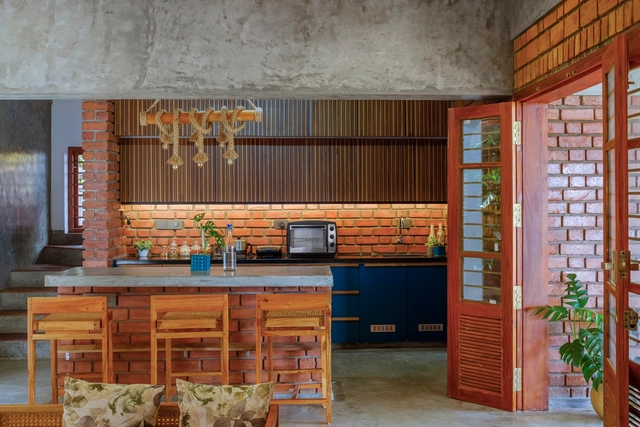
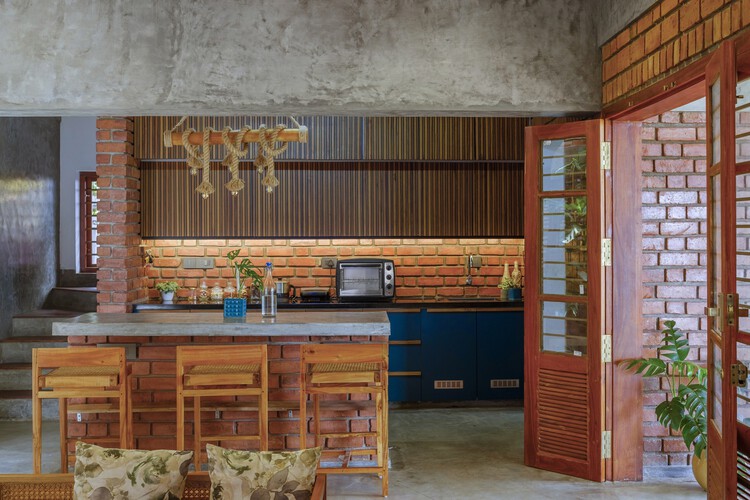
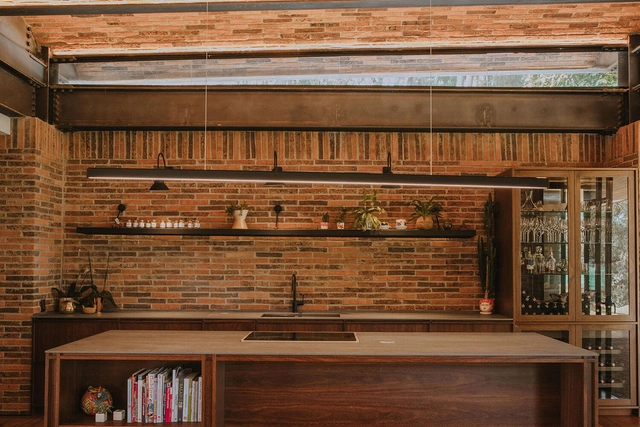
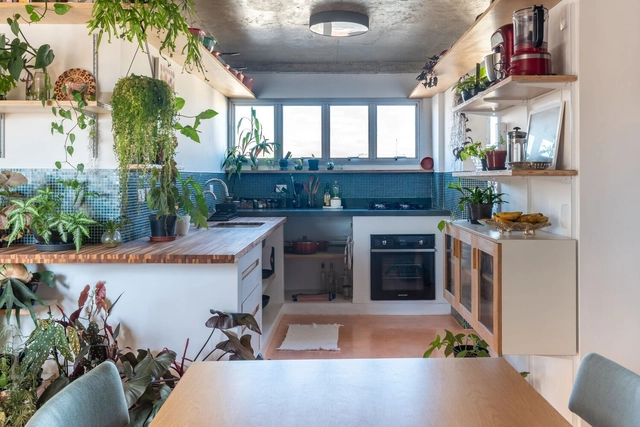
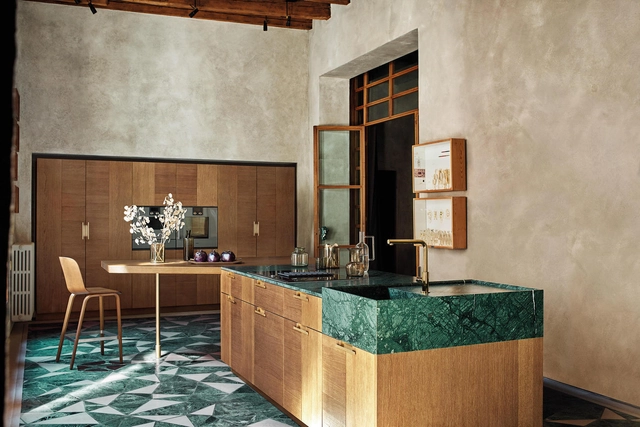
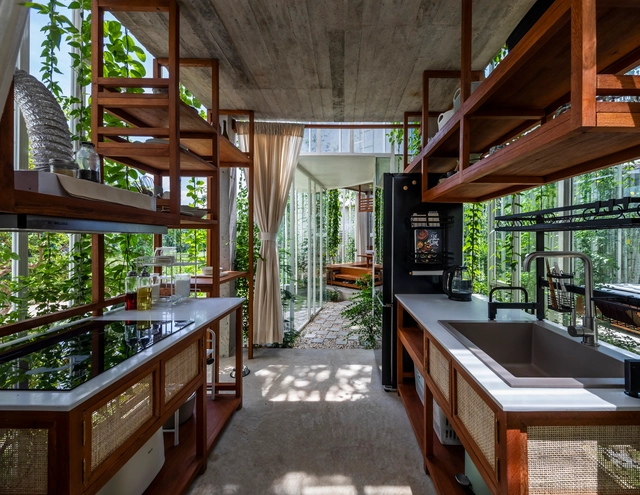
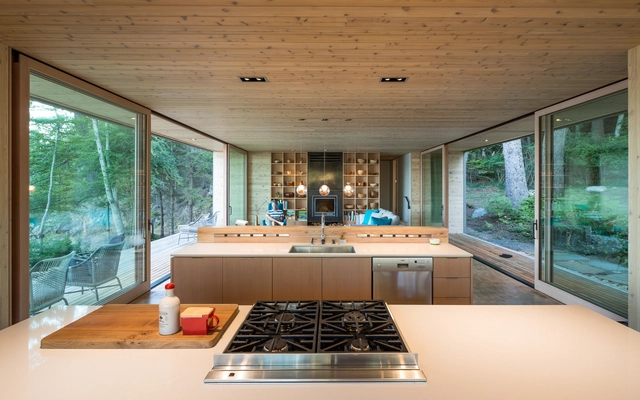
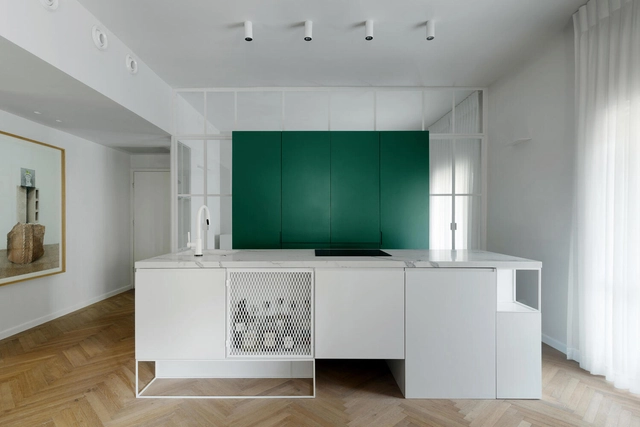
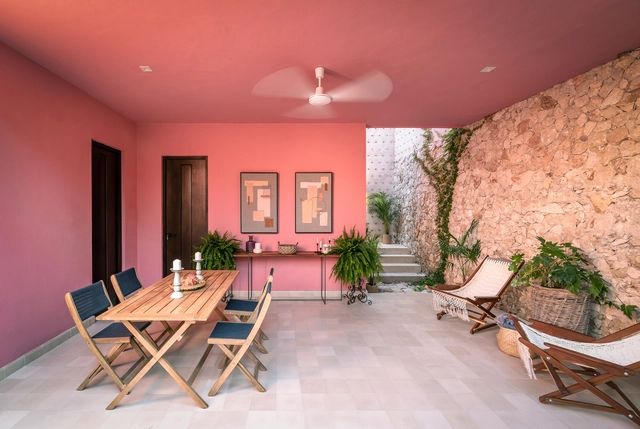
The transformation in the domestic spaces’ dynamics impacts the architecture inside and outside houses and apartments. Kitchens are the prime example of this transformation. Historically considered marginalized workspaces, they have gained more prominence as architectural spaces. This influences not only the size of the rooms and their organization but also the used claddings.
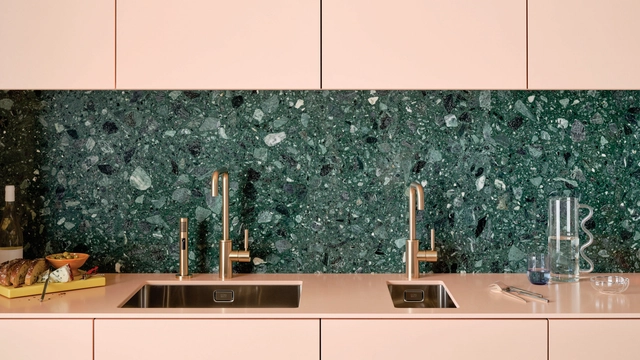
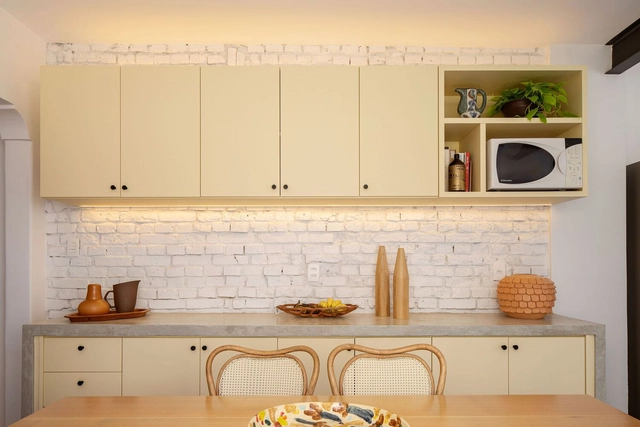
The most important rule for a kitchen backsplash to stand by is right there in the name. An imperative part of kitchen design, backsplashes are there to guard walls and unreachable undercabinet space from problematic stains, splashes, and spills. They also, however, represent a useful creative outlet for kitchen designers and interior architects.
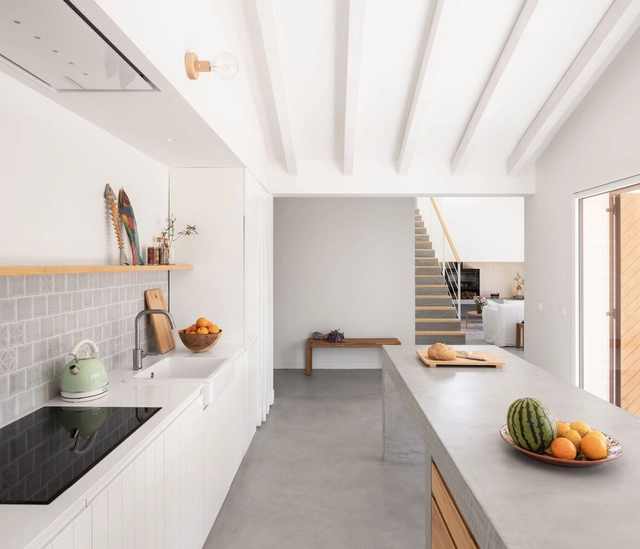
By adding outlandishly striking slivers of color, pattern, and texture, kitchen backsplashes can cut a strong, confident line straight through the monotony of the kitchen’s color palette.
Here are some of the different materials and design techniques that help backsplashes keep kitchens both clean and creative.
META SQUARE Brushed Champagne. Image Courtesy of Dornbracht
Appropriate fittings are as crucial to interior design as any other prominent feature, enhancing aesthetic appeal and providing the finishing touches to a space. Considered spaces where some of our most basic needs are met, kitchens are ideally designed to suit the lifestyles of its inhabitants, and can include customized fittings with diverse faucet systems, functions and finishes. Seeking style and functionality, we showcase a round-up of Dornbracht’s latest series of kitchen faucets, which seamlessly integrate cutting-edge refinements with timeless design to create versatile living spaces.
Over time, the kitchen has ceased to be considered only as a workspace and became a meeting and leisure area. For many, it is the heart of the home. Therefore, it is necessary to design an ambiance that can help when preparing dishes and also bring comfort during a gathering with friends and family.
In many cultures, the kitchen has become not only a workspace, but also a meeting place, a social environment where family and friends gather for conversation and meals. Seeking to respond to this transformation from more integrated architectural plans and appliances that also have an aesthetic appeal, as well as practical, the choice of kitchen equipment, such as the stove, is no longer restricted to its technical conditions. Check out how to combine practical, technical and aesthetic aspects when choosing a stove.
Whether you blame Covid lockdowns, recipe box subscriptions, or the latest high-tech kitchen appliances, everyone’s spending more time in the kitchen. Meanwhile, popular open-plan spaces remove the option of simply shutting the door on the catastrophic mess of a big meal, before settling in for a relaxing evening.
The modern kitchen worktop, then, has to work harder than ever before. Impenetrable when standing up to increased use, yet simple and quick to clean, returning to its sleek and stylish position as a backdrop to the perfect interior with ease. Here are ten of the most common kitchen worktop materials in a crowded market.
The kitchen emerges as an environment that permeates several issues within domesticity. Ranging from a workspace to a welcome meeting table, this area has evolved a lot over time: more functional designs and different materials and textures that have improved the gastronomic experience. and, more than that, it stopped being an indoor environment to open itself to the outside, exploring through permeability a better quality of light and bringing greater pleasure to those who occupy it.
Flexibility within a space emerges as an architectural concept that follows society’s transformations. As the American architect Frank Lloyd Wright said, “Architecture is life, or at least as it was lived in the world yesterday, as it is lived today or ever will be lived.” In that sense, changing a kitchen’s layout goes further than its aesthetic adjustments; it reflects the way people are living. Opening the traditional closed kitchen creates a more flexible space in which different activities share a visual connection without structural barriers.
The withdrawal of kitchen walls allows for increased interaction within areas and gives way to fluidity throughout the space. The design of an open kitchen involves using specific types of products - each with their own material, style and use - that adapt to a home’s dimensions and needs. In this article, we provide a selection of products which can be found in Architonic’s ‘Kitchen’ category.
Whether for large multi-generational families, cohabiting cohorts, or retired couples, the kitchen is the heart of our homes. It’s where we spend most of our time and, therefore, where we keep all our stuff. Along with the usual food and cookware, kitchens are also resting places for household utility essentials like cleaning products, laundry facilities, and the infamous ‘everything drawer’.
It is possible, however, to achieve organizational nirvana in the kitchen without living the monk-like lifestyle of an extreme minimalist. Here’s how to design a kitchen that’s well organized and, more importantly, stays that way.
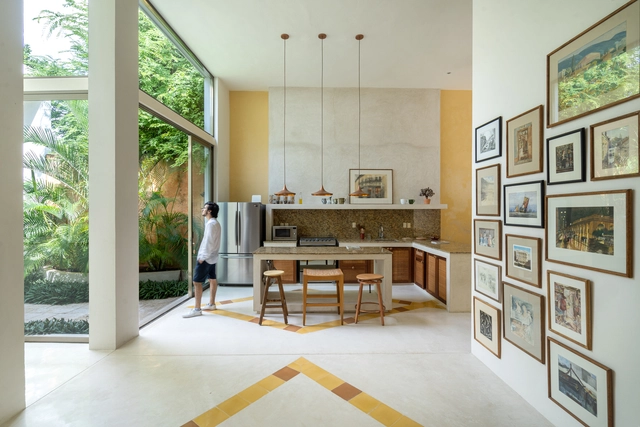
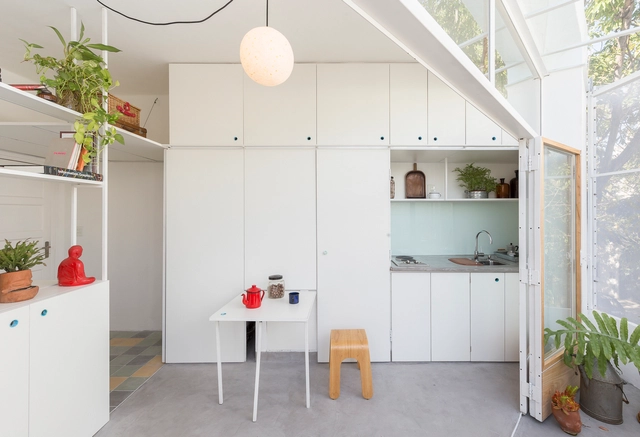
Casa Maca / Workshop, Diseño y Construcción. Image
Over the years, interior design has evolved according to the needs that arise, but above all according to the experiences it seeks to evoke in the user. In the last two years we have witnessed a radical change and a special interest in this subject because the pandemic forced us to pay specific attention to the configuration of the places we inhabit. This has brought about much more holistic designs that seek to address the wellbeing of the user, combining colours, sensory experiences, technology and natural elements that promote health.
Whether in a compact studio in Hong Kong or in a Michelin-starred restaurant, kitchen design requires special attention in order to make the act of preparing food a pleasant experience; with adequate space for all necessary functions and without the need for useless movements. The theory of the “golden triangle” or “kitchen work triangle” was conceived 100 years ago but remains valid and helpful in the definition of layouts and the organization of functions. Basically, the three main elements of the kitchen should be located at each end of the triangle: the sink, the refrigerator and the stove, with their respective functions in cleaning, storage and cooking. According to its principles, each side of the triangle must be between 1.20 and 2.70 meters long, and the perimeter should not be less than 3.96 meters or more than 8 meters.
Of course, it is not always possible to have the ideal dimensions and proportions to implement this type of kitchen, especially when we take into account the increasingly lean dimensions of contemporary environments. Nevertheless, there are various ways of making everyday operations more efficient even in tight kitchens. Below is a selection of items and products that can increase the space and efficiency of kitchens, without having to add even one square meter to them, straight from the comprehensive Architonic catalog.
Over the years, interior design has evolved according to the needs that arise, but above all, according to the experiences it seeks to evoke in the user. Over the last two years, we have witnessed a radical change and a special interest in this subject because the pandemic forced us to pay specific attention to the configuration of the places we inhabit. This brought about much more holistic designs that seek to address the wellbeing of the user, combining colours, sensory experiences, technology and natural elements that promote health.
No matter what your kitchen type is, one thing is for sure: the need for cabinets. Designing a project that is functional and can incorporate all the equipment, food and ingredients can be a difficult task depending on the available area. Often, along with countertops and other coverings, cabinets are responsible for setting the tone of this environment, revealing the importance of a good design.
Kitchens as we know them today have functionality as their main feature and for that their space was historically organized from an industrial logic. The development of home appliances and the precise definition of the layout guarantee a functional floor plan and the optimization of work in the kitchen. As part of this layout we find the worktops, horizontal half-height surfaces that have multiple uses and, therefore, many possible configurations.
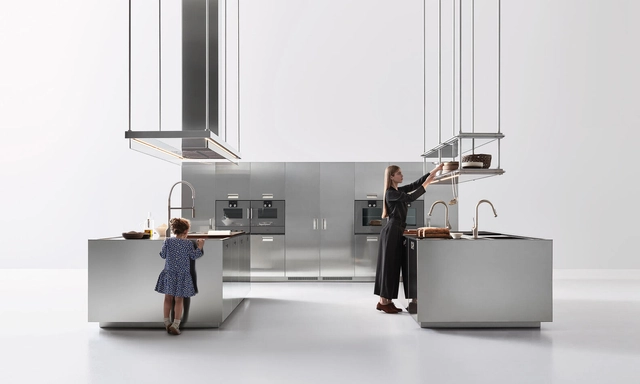
Islands are an essential part of any larger kitchen layout, increasing counter space, storage space, and eating space as well as offering a visual focal point for the kitchen area. Serving a variety of functions, they can be designed in a variety of different ways, with some incorporating stools or chairs, sinks, drawers, or even dishwashers and microwaves. To determine which elements to include and how to arrange them, designers must determine the main purpose or focus of the island. Will it primarily serve as a breakfast bar, a space to entertain guests, an extension of the kitchen, or as something else? And with this function in mind, how should it enhance the kitchen workflow vis-à-vis the rest of the area? These considerations, combined with basic accessibility requirements, necessitate that the design of the island be carefully thought out. Below, we enumerate some of the essential factors of kitchen island design.
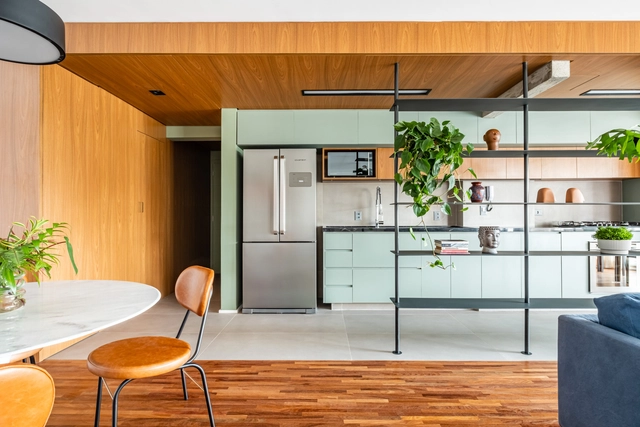
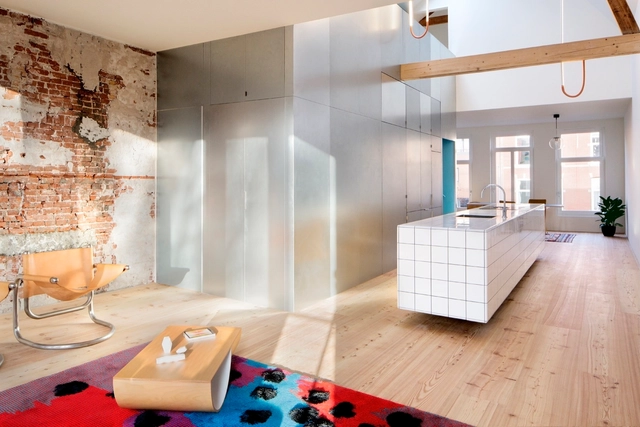
Regardless of the design adopted for kitchen spaces, for some years now and with increasing frequency, many architects have been deciding to design kitchens by integrating them into other rooms in the home. Free of dividing walls or joinery, integrated kitchens are implemented with the aim of leaving the activities that take place there in full view of everyone, encouraging interaction and communication between the inhabitants.
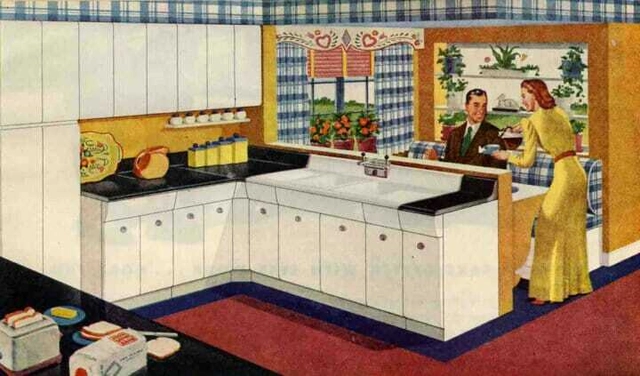
The discovery of fire was one of the great events that changed the social organization of human agglomerations, which gradually passed from nomadic to sedentary lifestyle. Fire, which in that context served to keep people warm and protect the group, was also being explored as a source for cooking food, which not only changed human eating habits, but also made it possible to conserve food, changing the social organization of communities. The preparation and meals were collective acts, which brought people together to feed, warm up and protect themselves. It is from this habit that we inherited the practice of large banquets and the appreciation of food and meal times. Food preparation, on the other hand, was gradually marginalized.
While the Egyptians, Assyrians, Phoenicians, Persians, Greeks and Romans shared the habit of holding large banquets, the preparation gained less and less prestige, losing its collective social dimension until it was physically segregated in a specific room: the kitchen.
Whether it's by sharing a meal at a restaurant or preparing a home-cooked meal together, food does in fact, bring people together. With that in mind, architects placed kitchens at the heart of homes, giving residents a space to cook, dine, and spend quality time with their families and friends. However, not all homes can fit spacious kitchens, some are too small and others don't have the proper spatial configuration for it. In this interior focus, we will explore how architects and designers opted for different kitchen layouts based on different spatial and user needs.