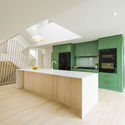
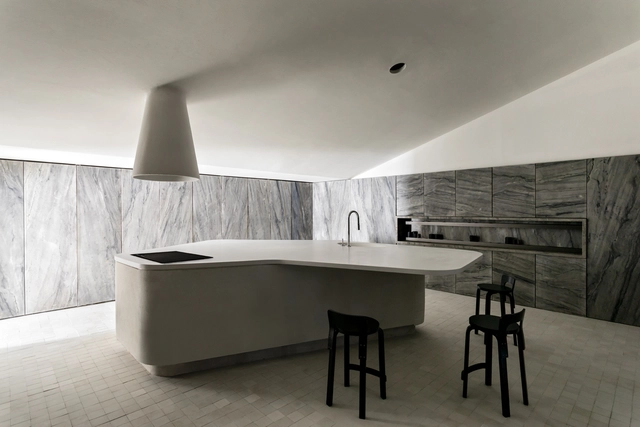
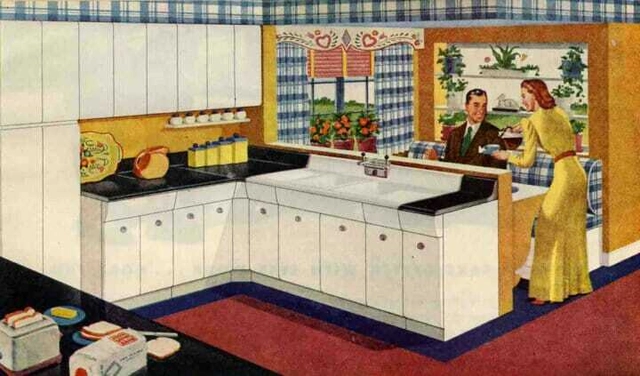
Cozinha Americana, 1946. Autor: Harris & Ewing, fotógrafo. N STREET, KITCHEN. [Entre 1905 e 1945] Fotografia. Recuperado da Biblioteca do Congresso dos EUA [www.loc.gov/item/2016861773/]. Imagem em Domínio Público [PD US Government]. Image via Wikimedia Commons
The discovery of fire was one of the great events that changed the social organization of human agglomerations, which gradually passed from nomadic to sedentary lifestyle. Fire, which in that context served to keep people warm and protect the group, was also being explored as a source for cooking food, which not only changed human eating habits, but also made it possible to conserve food, changing the social organization of communities. The preparation and meals were collective acts, which brought people together to feed, warm up and protect themselves. It is from this habit that we inherited the practice of large banquets and the appreciation of food and meal times. Food preparation, on the other hand, was gradually marginalized.
While the Egyptians, Assyrians, Phoenicians, Persians, Greeks and Romans shared the habit of holding large banquets, the preparation gained less and less prestige, losing its collective social dimension until it was physically segregated in a specific room: the kitchen.
Whether it's by sharing a meal at a restaurant or preparing a home-cooked meal together, food does in fact, bring people together. With that in mind, architects placed kitchens at the heart of homes, giving residents a space to cook, dine, and spend quality time with their families and friends. However, not all homes can fit spacious kitchens, some are too small and others don't have the proper spatial configuration for it. In this interior focus, we will explore how architects and designers opted for different kitchen layouts based on different spatial and user needs.
At its heart, extreme-minimalism is a rebellion against consumerism, it’s a cathartic process of learning to live without. But it’s also a decorative style in its own right – a clean world for a clean mind.
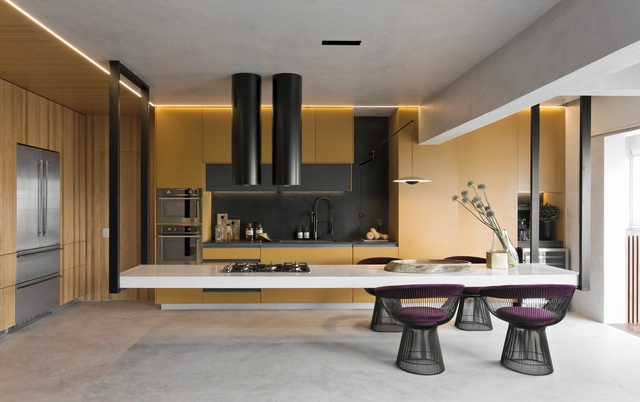
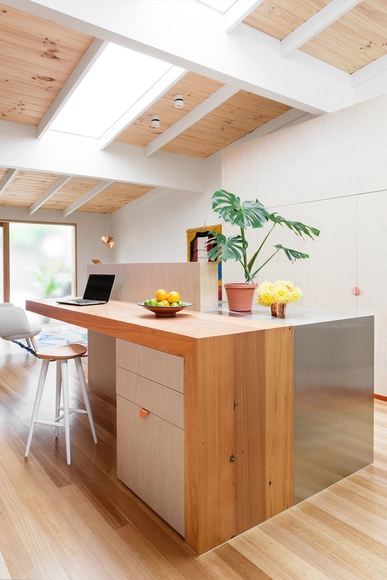
With contemporary lifestyles meaning more entertaining from home, forward-facing kitchen islands with integrated seating make staying in the new going out. But what makes the perfect kitchen island?
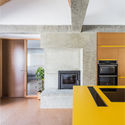
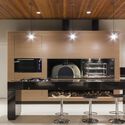
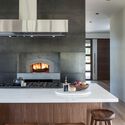
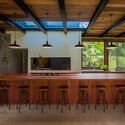
Meals have always been bonding and bringing people together to eat. Sitting around a table or preparing food becomes even more enjoyable in spaces that focus on comfort and well-being. Moreover, cooking with different techniques can add a unique flavor to the experience, especially when it comes to wood-burning stoves, barbecue grills, and wood-fired pizza ovens.
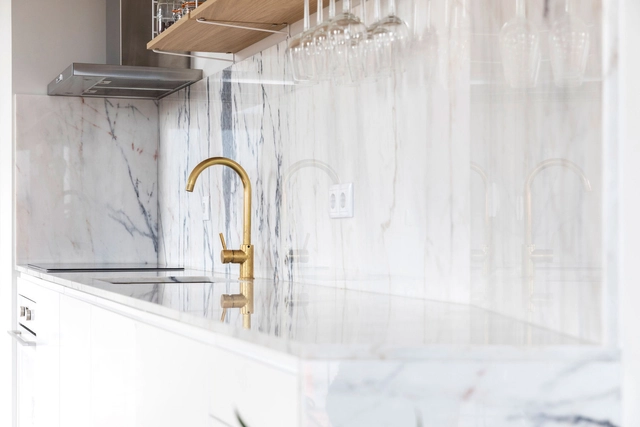
As an architectural project comes to its last phases, it is time to put together the smaller details in bathrooms and kitchens, which means choosing finishes for the walls and floors, as well as the countertops, and picking the right fittings and fixtures. These elements are essential for a well-designed space, regardless of the style.
A wood-burning stove (or wood burner or log burner in the UK) is a heating appliance used for cooking. Food cooked on a wood-burning stove tends to have a more intense flavor since it requires a slow, artisanal process that results in more complex dishes. For this reason, these stoves are becoming a popular choice for people who want to create a unique environment for family and friends to gather at home for a delicious meal.
https://www.archdaily.com/966620/10-off-grid-kitchens-with-wood-burning-stovesEquipe ArchDaily Brasil
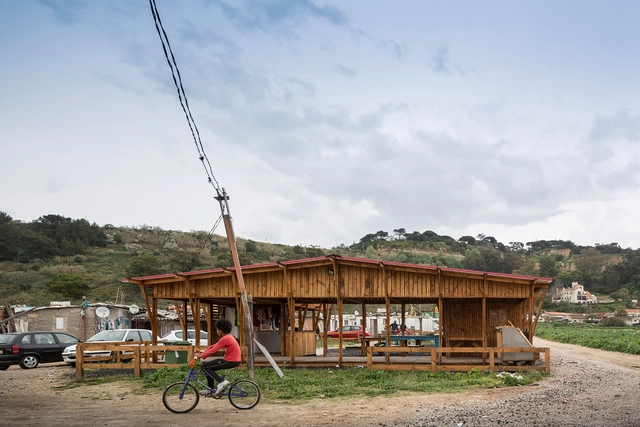
Displacement implies uncertainty, uprooting, and instability, in addition to the loss of community, privacy, and physical and emotional orientation. Addressing these needs through appropriate architectural responses can help displaced communities regain social, economic, and environmental well-being. In this context, community kitchens are designed to help generate a sense of belonging and "normality" in domestic lives.
https://www.archdaily.com/966201/community-kitchens-the-challenge-of-generating-roots-in-displaced-communitiesClara Ott
Whether by traditional windows, linear openings in the wall, or skylights, the manipulation and incorporation of natural lighting in architectural projects can render a radical change in interior spaces.
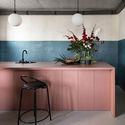
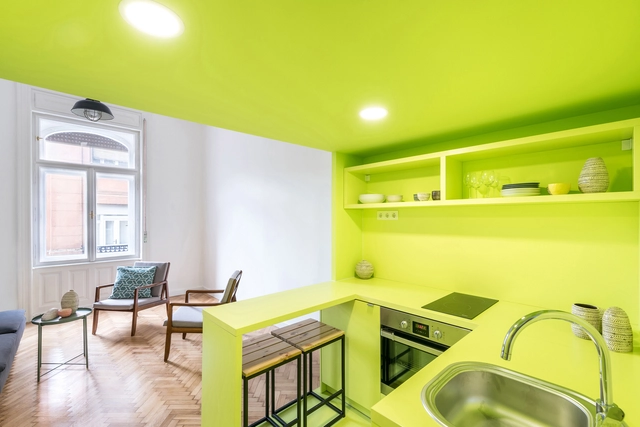
A monochrome environment is a space in which most architectural elements are of a single color. Although it is common for architects to design black or white monochromatic spaces due to its neutrality, it is possible to use almost any color to design a space, taking advantage of their infinite tones, undertones, and shades.
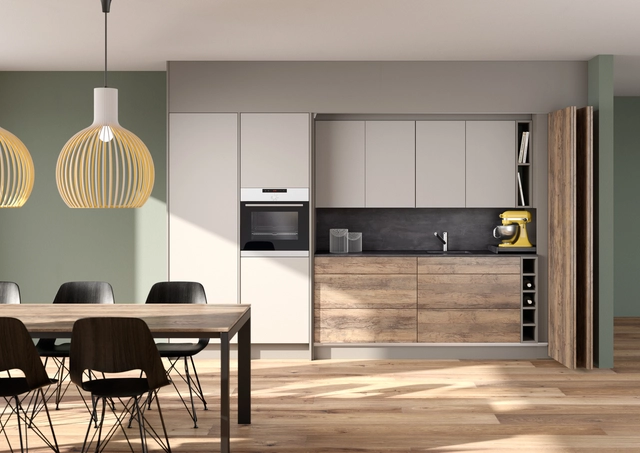
When designing residential spaces, be it a new construction or a renovation, the kitchen is a space that tends to be one of the most complex. Not only does it need to serve a very specific function, but it also needs several pieces of furniture, household appliances, and the ability to adapt to electrical and plumbing considerations. Kitchens often also serve as an hub for social interactions and family gatherings, so it is critical that the space can provide a degree of flexibility.
Organised by the Istanbul Foundation for Culture and Arts (İKSV) and curated by Mariana Pestana, the 5th Istanbul Design Biennial will take place on 26 September – 8 November 2020. To be held with the title Empathy Revisited: designs for more than one, the biennial invites everyone from around the world to respond to the open call.
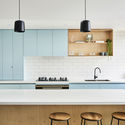
Gone are the days when the kitchen was relegated to a service area. Following the traditional system of bourgeois residential tripartition (dividing the house into social, intimate, and service areas), the kitchen was originally designed as an independent and closed space. Today, more and more, projects seek to integrate and relate it to other rooms in the house, facilitating different interactions among its residents. Due to this transformation, the appearance of the kitchen also changed, and traditional ceramic and stone cladding gave way to new materials.
Over the past decade, tiny houses and micro-apartments have gained an immense amount of popularity as affordable and environmentally-friendly options for modern living. With compact architecture growing increasingly preferable or necessary for many, spatially-conscious furniture design is becoming increasingly relevant as well. One of the most critical areas for space-saving is the kitchen, where the multitude of functions and necessity of storage can make it difficult at times to make efficient use of space. Below, we outline several examples of space-saving furniture designs to make the best use of a small kitchen.
The second issue of Room will reconvene in the Kitchen; a space that savors the possibilities of both cultural appreciation and cross contamination, serving basic sustenance and special occasions. Taste here is significant though subjective, with its stainless steel tongue wiped perpetually in an attempt to cleanse the palate. Nuanced residues of gender, class, labour, race, and climate cling to the cloth among germs and grains of salt.
One of the most practical and functional spaces of any residential project is the kitchen. Its artificial surfaces – be it countertops, kitchen benches, or coverings – contain most of the space's equipment. Thus, it’s essential to build kitchens with the most resistant and hygienic materials. Aside from these requirements, it's also important to pay attention to aesthetics and profitability, while adapting the space to the dynamics of each family.













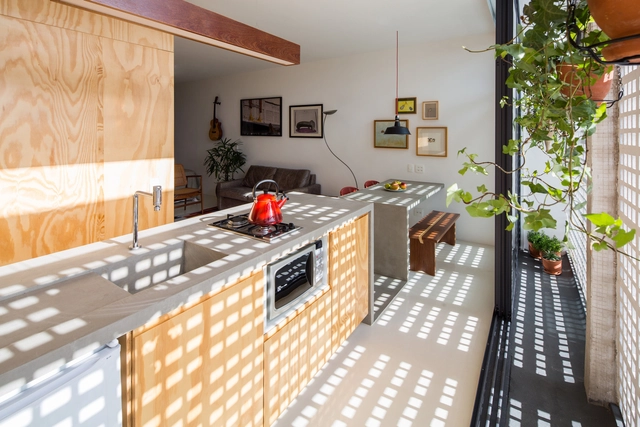
.jpg?1591644193 "Tetrys 607 Apartament / CR2 Arquitetura. Image © Cris Farhat")