

-
Architects: SsD
-
Professionals: Mirae Structural Design Group, Kiro Construction

Introduction
The social catastrophe of Latin America has its epicenter in popular settlements.
It is in Latin America, the most urbanized and unequal region in the world, where 104 million people live in popular settlements. Here, 1 of every 4 inhabitants of urban areas, lives in a slum, villa, favela or camp, in a situation of poverty. These populations must subsist by their own means, with the constant violation of their rights.
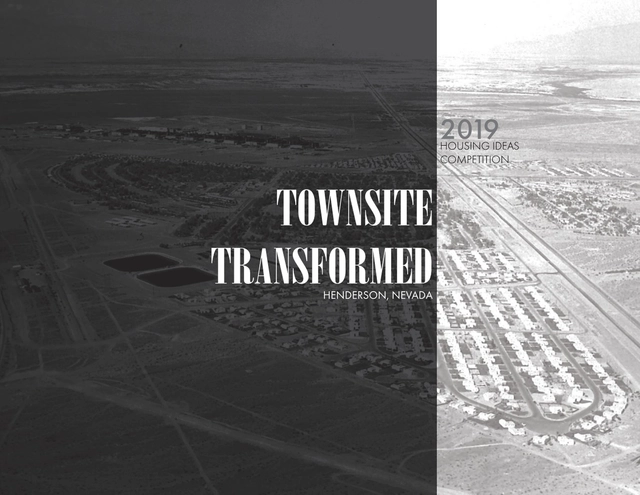
The purpose of this competition is to challenge Architects and Students to design a replacement for the Townsite Homes in Henderson, NV, which have outlived their intended use and have mostly fallen into disrepair, creating neighborhood blight. The project should fully embody the principles of sustainable design and livable communities. It is the responsibility of the entrants to determine the number of new dwellings on the site, or re-purpose the existing home. The only city requirement is to provide a single parking space per dwelling. Please visit the competition website for information on Henderson, the Townsite, and how to enter.
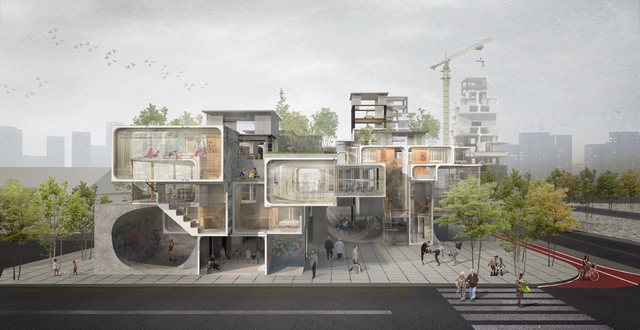
Skyrocketing prices of London housing have become so unbearable that many have turned to less-than-ideal compromises. Large homes can be found but come with commutes of hours; places are still available in the city, but only for those with sky-high paychecks. Unable to balance their needs, people are resorting to workarounds that disrupt the existing urban fabric and dissatisfy all involved. Surely we can do better.

The Royal Institute of British Architects has announced the foundation of a new award focused on recognizing work in housing in the UK. The award is named in memory of Neave Brown, the British architect, and designer famed for his many housing estates in London.


.jpg?1548937464 "Dunboyne Road Estate. via Wikimedia")

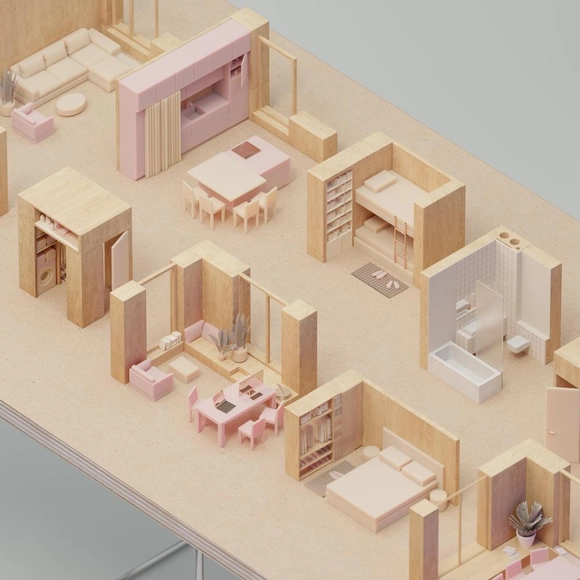
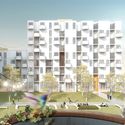
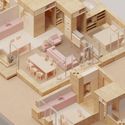
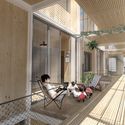
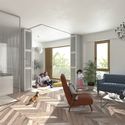
The urban consultancy Strelka KB has announced the winners of the international competition for alternative housing in Russia. Designed to test the country's new Integrated Guidelines for Urban Development, the competition asked participants to rethink standardized housing and apartment typologies. 689 projects were submitted from 37 countries to address issues of adaptability, ergonomic efficiency and functional diversity.

For those in the northern hemisphere, the last full week in January last week kicks off with Blue Monday - the day claimed to be the most depressing of the year. Weather is bleak, sunsets are early, resolutions are broken, and there’s only the vaguest glimpse of a holiday on the horizon. It’s perhaps this miserable context that is making the field seem extra productive, with a spate of new projects, toppings out and, completions announced this week.
The week of 21 January 2019 in review, after the break:
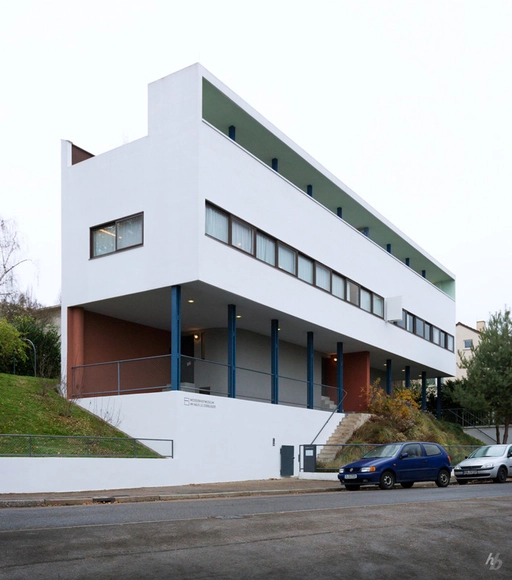
This article was originally published on March 26, 2014. To read the stories behind other celebrated architecture projects, visit our AD Classics section.
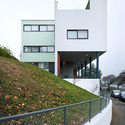
The two-family structure known as Houses 14 and 15, designed by International Style, Le Corbusier's work in Stuttgart serves as a critical prototype in the development and realization of the Swiss architect’s architectural identity, which would revolutionize 20th century architecture.
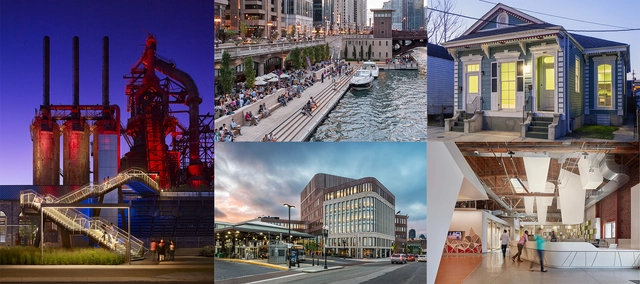
The Rudy Bruner Award for Urban Excellence (RBA) is an urban design award that seeks to promote innovative thinking about the built environment and advance conversation about making cities better. The award discovers and celebrates urban places in the United States that are distinguished by quality design along with their social and economic contributions to American cities.

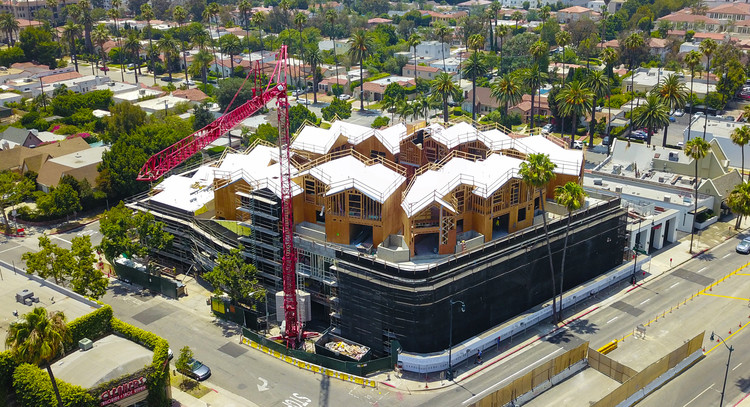
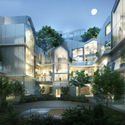
MAD Architects’ first project in the U.S., an 18-unit residential complex, has topped out in Beverly Hills. The project named ‘Gardenhouse’, is founded upon the idea of coalescing nature and the built environment in a dense urban center, providing residents an experience similar to that of living in a “hilltop village”. Once fully completed, Gardenhouse will feature a terraced arrangement of urban villas atop a plant-covered podium.
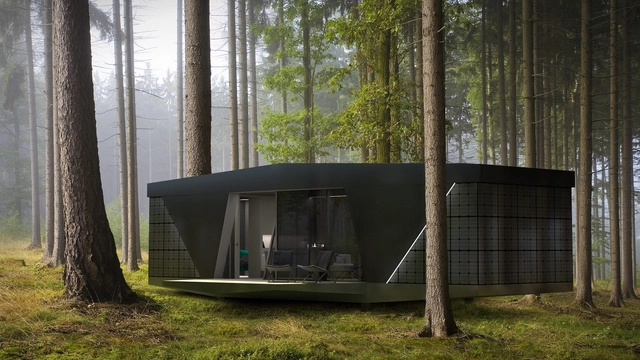
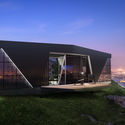
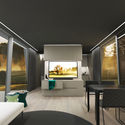
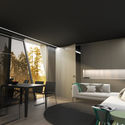
The uncontrollable roar of construction sites, the chaotic city streets, the monotony of spending more than 8 hours a day in a cubicle… All these daily grinds can take a toll on the human body and mind. Retreating into nature sounds liberating, however, our dependence on technology makes living off-the-grid almost impossible. Well, what if you could keep your modern lifestyle and sleep in a house hidden in the forest?
IO Houses created The SPACE, a versatile and innovative housing project for people who love nature and want to preserve it, just as much as they love contemporary, luxurious living.

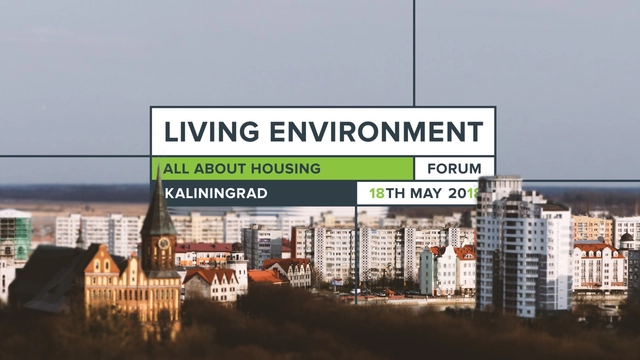
On May 18-19, the city of Kaliningrad, capital of the westernmost part of Russia, will host the Living Environment: All About Housing Forum. The Forum includes a business program and the Urban Weekend outdoor public festival.
Besides sessions and roundtables, the ambitious program of the event includes the shortlist presentation of the projects submitted for the Open International Competition of Architectural Concepts for Standard Housing and Residential Buildings. Architects and bureaus from 39 countries took part in this prestigious competition with their projects of innovative residential housing for future generations of Russians. The competition announces a remarkable prize fund: 20 finalists will receive 1 million roubles (about € 13 300) each, up to five winning projects will be awarded 2 million roubles (about € 26 600) each, and up to five runners-up will receive 1.5 million roubles (about € 19 900) each.
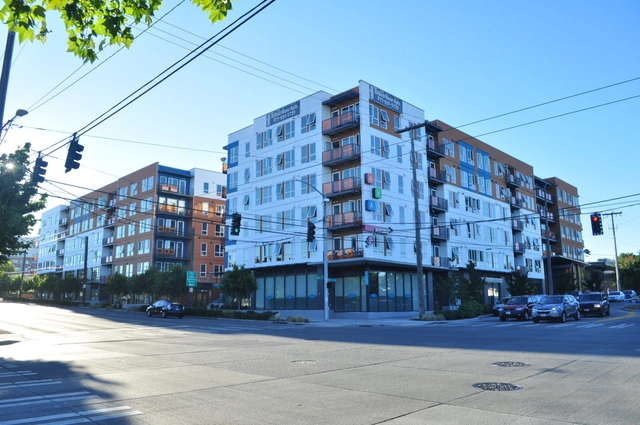
This article was originally published by Common Edge as "Architecture, Aesthetic Moralism, and the Crisis of Urban Housing."
It may shock some people to hear this, but architecture is not urban planning. It is not transportation planning, sociology, political science, or critical geography. However, architecture, new-build apartment architecture specifically, has become a social media scapegoat for today’s urban housing crisis: escalating developer-driven gentrification.
Out of my own curiosity, I searched several academic databases for research that successfully correlates the architectural aesthetic of new build apartments with gentrification. While many writers and denizens of social media really want to blame today’s bland, boxy, cladding-driven style of multifamily urban housing for gentrification, I’m afraid the research isn’t there. In fact, one study featured in a paper on neighborhood early warning systems for gentrification cites historic architecture as one of five predictors of gentrification in the DC area.

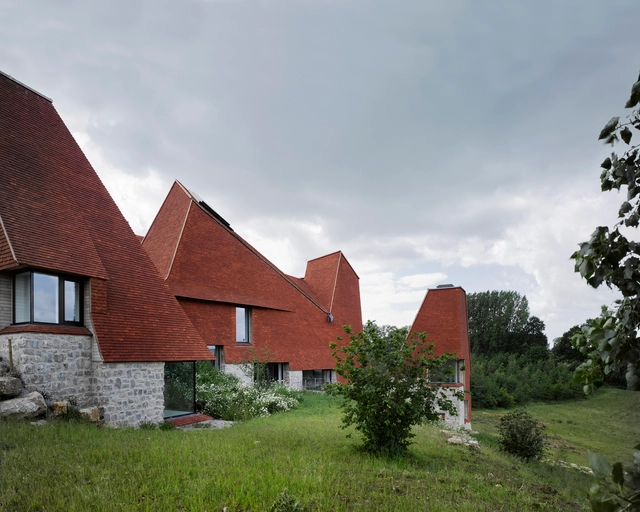
This article was originally published by Common Edge as "Why Homes Are the Original Architecture."
Homes may be the most powerful projection of architectural value. Because shelter is essential for all of us, the home is architecture’s universal function. We’re all experts on what our own home must be, to us.
But architects often have a different view of home. Twenty years ago—during the recession before the last recession—I remember hearing an architect declare that he could earn a living designing houses until “real work came along.” Another architectural meme is the classic first job: designing a house for your parents.
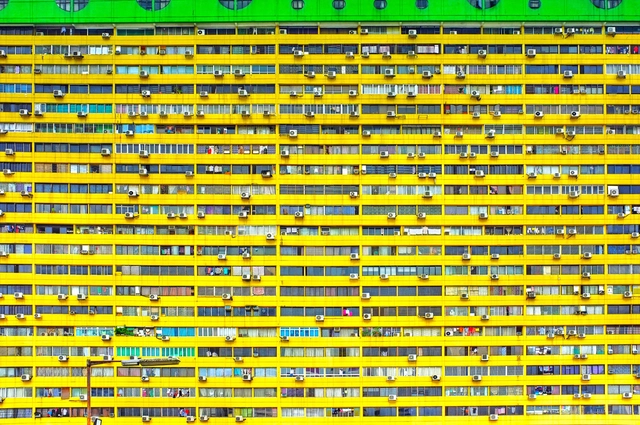
What if your apartment was more than just a place to live? What if it was a catalyst for social interactions? Or what if it removed the everyday tedious tasks of cleaning, paying bills, and buying furnishings? Co-living, a modern form of housing where residents share living spaces, is aiming to do just that.
Co-living is growing in popularity in major cities such as London and New York, where increasing housing prices are forcing residents to look at new and adaptive ways to rent in the city. When we discussed the ambitions and inspirations behind the co-living movement in 2016, it was still a concept that was in its relatively experimental stages. Today, co-living is more focused in its mission, and has found success by pushing people together through a collection of common themes: a yearning for social connection, participation in an increasingly shared economy, and the affordability of a convenient housing solution.












.jpg?1530607923 "Interior. Image Courtesy of MAD Architects")