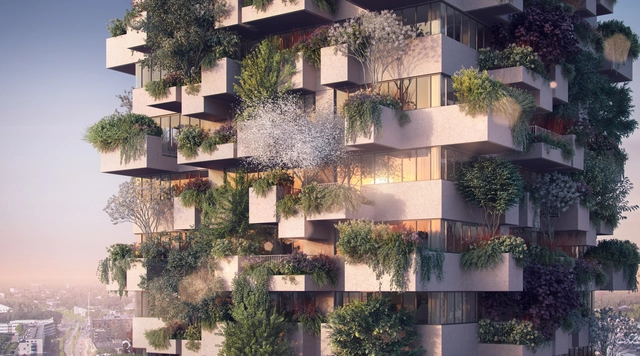
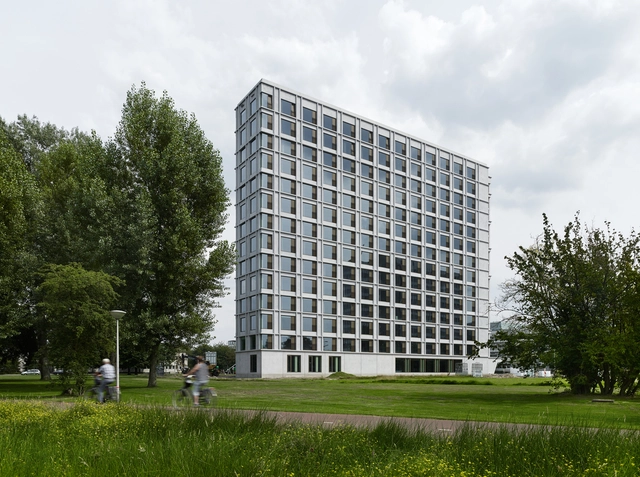
The new social housing project by Stefano Boeri Architetti is the first to integrate a vertical forest into an affordable residential skyscraper, improving the living conditions often incurred within such developments. 5,200 shrubs and 125 trees will be planted up the 75m tall structure in Eindhoven.
Trudo Vertical Forest will contain 125 social housing units over 19 floors to house lower income social groups, particularly young people. Each apartment will include a balcony filled with an array of trees, plants and shrubs for a forest soaring into the city's sky.
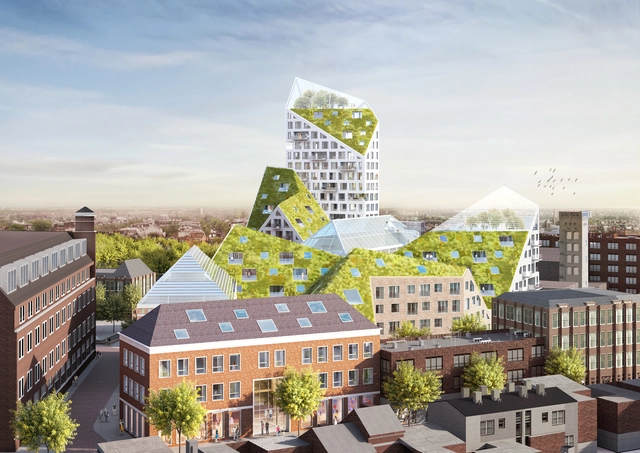
Plans have been revealed for the “largest wooden building in the world” to be located just outside Eindhoven in the town of Veldhoven, The Netherlands. Known as the Dutch Mountains, the complex was conceived via a multi-disciplinary partnership made up of tech companies, service providers, architects and developers, and would contain a hi-tech, mixed-use program for residents and visitors.
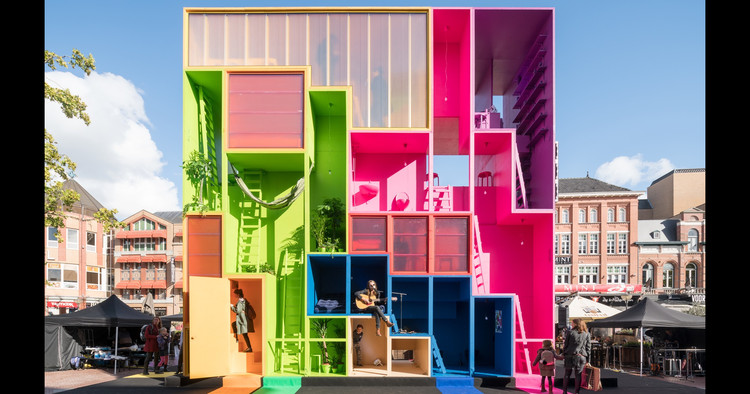
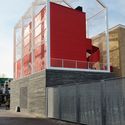
Hoping to answer the question "what does the future city look like?" at Dutch Design Week, MVRDV (definitive design and construction drawings) and think tank The Why Factory (Research and concept design) have fabricated a multicolored, tetris-like hotel in Eindhoven. The future brings decreasing resources, increasing population, and climate change, reasons MVRDV, and with these limitations in mind, they believe futuristic architecture needs one important quality: flexibility.
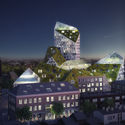
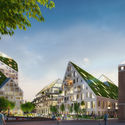
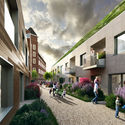
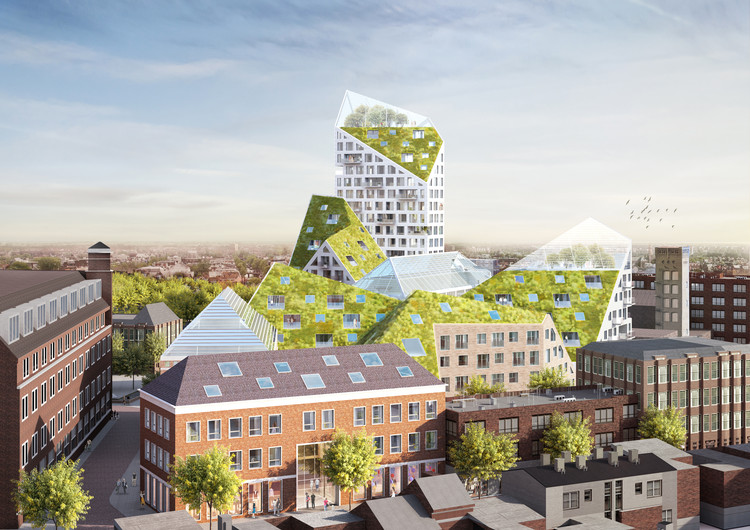
MVDRV and SDK Vastgoed (VolkerWessels) have been selected as winners in a competition to design a “progressive residential development” in inner-city Eindhoven, The Netherlands. Known as “Nieuw Bergen”, the complex will offer high-quality, sustainable residences along Deken van Someren Street, helping to establish a “visible sustainability ethos” in the neighborhood of Bergen.
Powerhouse Company have won a competition to create a new mixed-use hub in Eindhoven, Netherlands. For the competition, Powerhouse teamed up with landscape architects ZUS and developer Amvest to design a trio of skyscrapers forming the winning proposal for a new urban plaza, called “District E”. The 70,000 square meter proposal will be located next to Eindhoven Station.
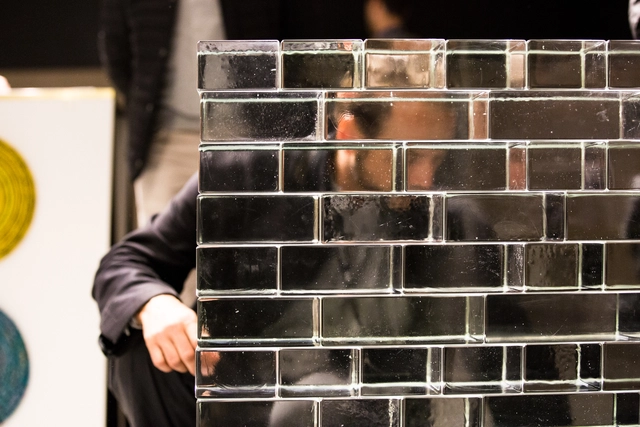
The strength of Dutch Design Week (DDW), held annually at the end of October, lies primarily in product design. Although the event has expanded over the past five years to incorporate more fashion, graphics and architecture, small-scale industrial design has retained its preeminence. Many of the designers on show in this year's edition, however, have embraced the challenges of other design disciplines and allowed them to feed into their work. But where does product design meet architecture? Building materials and, most notably at the 2016 event, some really nice bricks. Rotterdam-based architect Alison Killing guides us through her top installations.
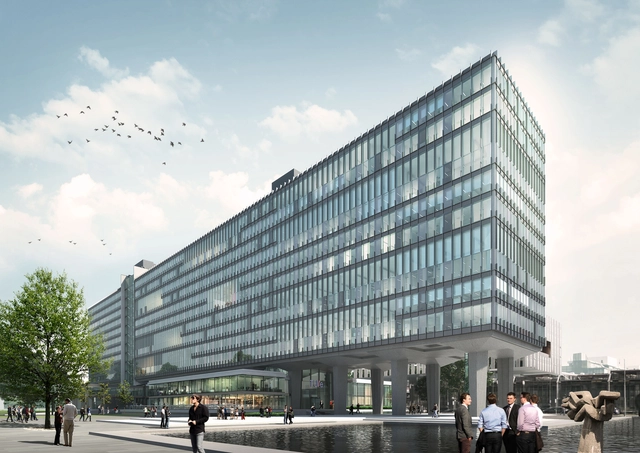
Total Engineer Team RSVP has unveiled the renovation design for the Main Building of the Eindhoven University of Technology in the Netherlands, which, once completed, will be the most sustainable university building in the world. On September 27, the design was awarded as BREEAM Outstanding under the BREEAM-NL sustainability label of the Netherlands, with a score of 93.86%.
The university building, which will be called Atlas upon completion, was designed by a multidisciplinary team consisting of Team V (architect), Van Rossum (construction engineer), Valstar Simonis (building installations engineer), and Peutz (building physics engineer and sustainability expert).
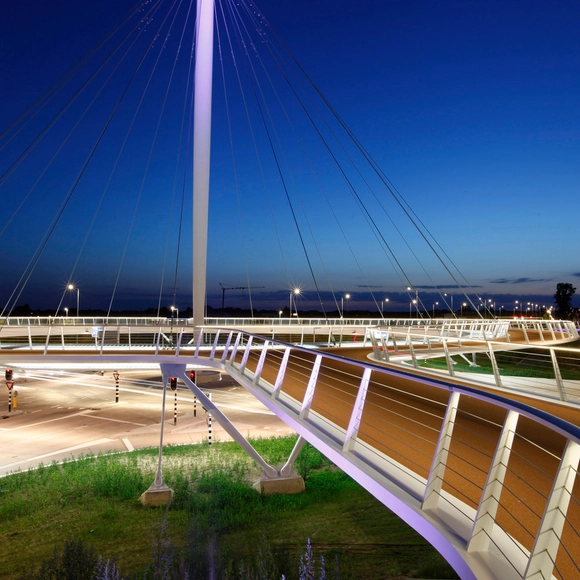
WIRED Magazine has created a list of Eight Cities That Will Show You What The Future Will Look Like in the latest edition of their design issue. In the relatively short span of time that humans have been planning cities, more and more decisions have been made that have shaped the path of new technologies and methods that will make cities better. Such projects—like new streetlights, bicycle infrastructure, and traffic-sensitive museums—highlight some of these advances in the urban lifestyle.
"The cities of tomorrow might still self-assemble haltingly, but done right, the process won’t be accidental. A city shouldn’t just happen anymore. Every block, every building, every brick represents innumerable decisions. Decide well, and cities are magic," writes Wired author Adam Rogers. Read on after the break to see how 8 different cities from around the world are implementing innovative projects.