

-
Architects: OMA
- Area: 45000 m²
- Year: 2017
-
Manufacturers: Andreu World, KEIM, UniFor, Cricursa
-
Professionals: Arup Acoustics


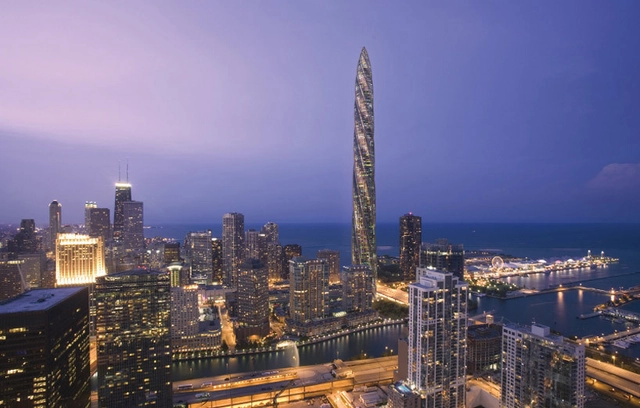
We all know a little about the world's tallest buildings—those engineering feats which define their cities and become symbols of human achievement—but what of the buildings that never took their planned place in their respective skylines? In 2014, The Council on Tall Buildings and Urban Habitat (CTBUH) released a report listing the 20 tallest buildings that were never completed (an up-to-date list is also maintained on their website here). In order to be considered "never completed," all of the buildings in the report had begun site work, but construction was completely halted with no reports indicating it will continue. Read on to find out the top 10 tallest uncompleted buildings in 2018 after the break.
Construction of Zaha Hadid Architects’ Al Wakrah Stadium for the 2022 World Cup in Qatar is marching forward, with an opening date anticipated by the end of 2018. As shown in a video released by the Supreme Committee for Legacy & Delivery, the stadium’s concrete lower bowl has been poured and its massive roof pillars have been successfully installed.
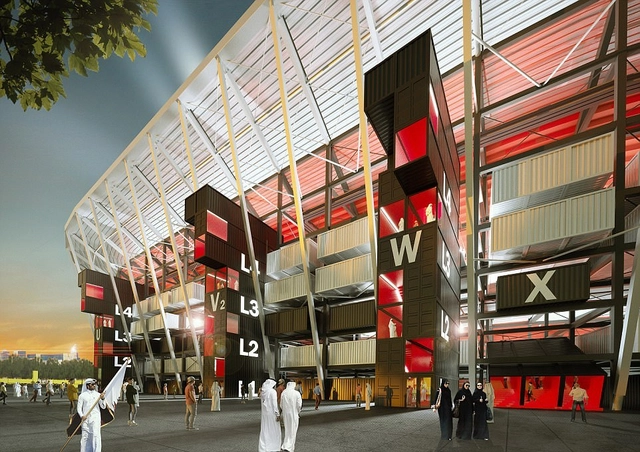
The design of the seventh stadium being constructed for the 2022 FIFA World Cup in Qatar has been revealed. Designed by Fenwick Iribarren Architects, the Ras Abu Aboud Stadium will be constructed from a series of modified shipping containers sitting within a steel framework, allowing it to be quickly assembled, disassembled and then reassembled in a new location following the conclusion of the event.

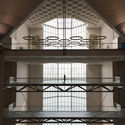
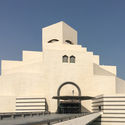
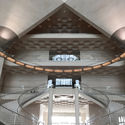
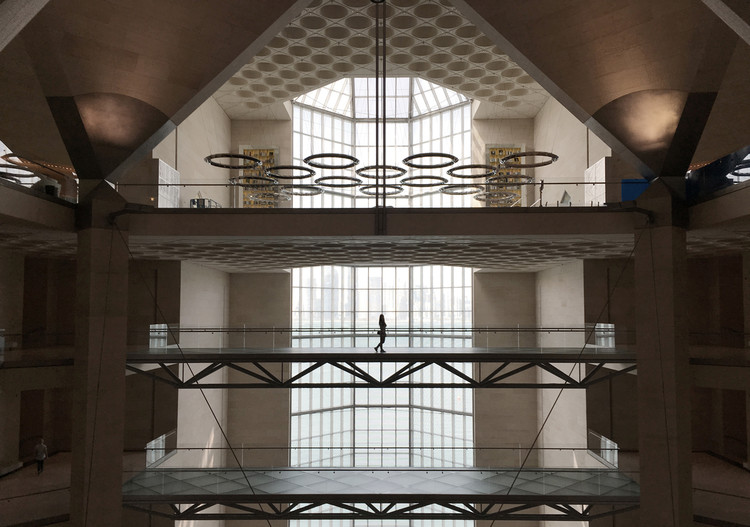
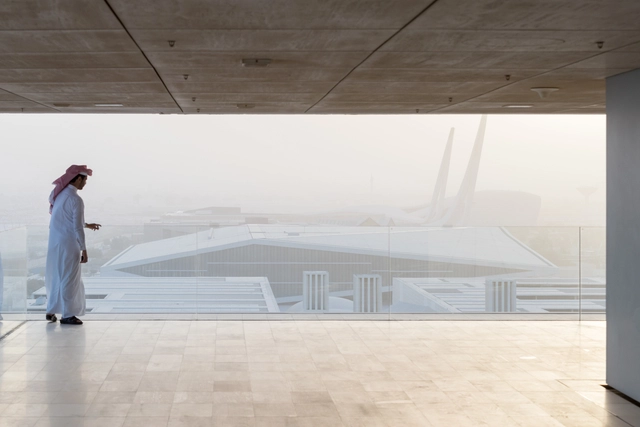
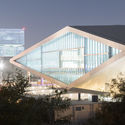
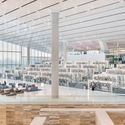
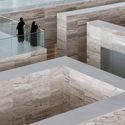
The OMA-designed Qatar National Library has opened to the public in the Education City district of Doha, Qatar, giving residents access to a wealth of top-of-the-line facilities, including computer labs, group study spaces, a writing center, innovation stations offering 3D-printing tools and musical instruments, and of course, a massive library containing more than one million books, periodicals and special collections.
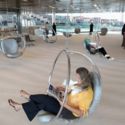
Some stunning shots of the library have already begun to circulate across social media streams, showing off the building’s striking form and expansive interiors, including the open rows of stacks, hanging seating lounges, interactive media walls, and central labyrinth, among other features.
Check out some first looks at the building below, and stayed tuned for professional photos next week.





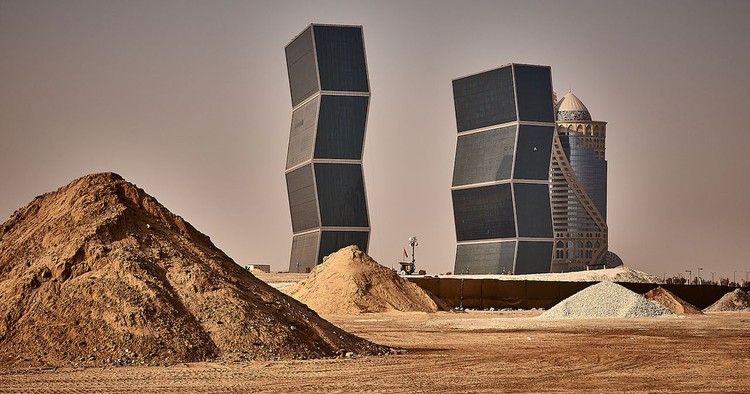
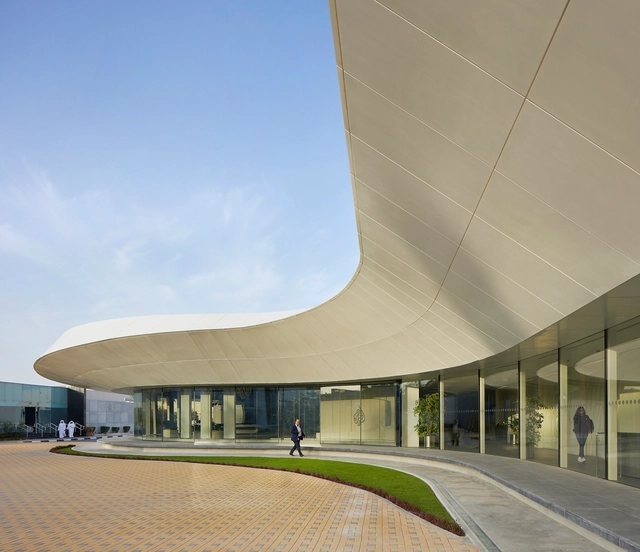
The history of the Qatar Peninsula—or Catara, as first labeled on an ancient map drawn by the Greco-Roman polymath Claudius Ptolemaeus—dates back to the Paleolithic Age. By the 1930s, the tiny Gulf state was struggling to maintain its position as the center of the pearl trade, but soon after, in the 1940s, it found itself at the forefront of economic growth and progress after the discovery of its vast oil reserves. Today, Qatar is the world’s richest country per capita; its capital Doha an ever-growing crop of shiny high-rises, with occasional buildings by the world's most sought-after architects thrown in for effect, its skyline flecked with tireless cranes, and its suburbs strewn with bulldozers, machinery, and endless mounds of displaced sand.
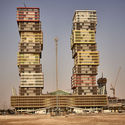
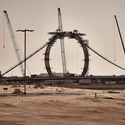
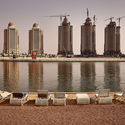
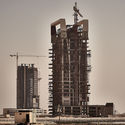
Seen in these photographs by Manuel Alvarez Diestro is a record of the country's impatient race towards an extravagant desert dream—but perhaps it can also be read as a subtle nod towards Qatar’s sheer determination to forge ahead, despite being steeped in controversies and crises during recent years.
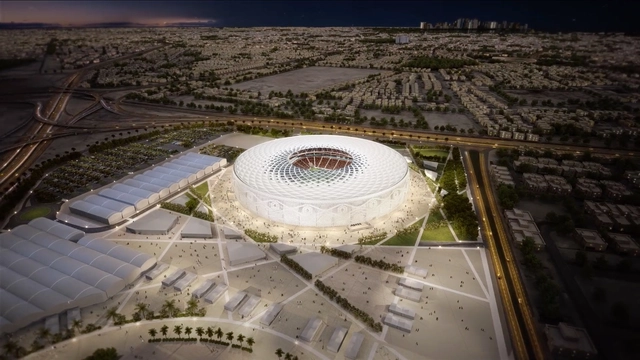
Designs have been revealed of the latest, and most central soccer stadium being constructed for the 2022 World Cup tournament in Qatar. Designed by Qatari architect Ibrahim M Jaidah and design consultant Heerim, the Al Thumama Stadium will feature a woven-pattern exterior skin inspired by the traditional ‘gahfiya’ cap worn by Arab men.
_Malcolm_Reading_Consultants_and_Elemental.jpg?1494852304&format=webp&width=640&height=580)
ELEMENTAL, led by Pritzker Prize laureate Alejandro Aravena, has been selected as the design team for the Art Mill project in Doha, Qatar. Following a 26-strong longlist and a shortlist of eight internationally renowned practices, including Atelier Bow-Wow and the Renzo Piano Building Workshop, the Chilean practice have been lauded by the jury for developing "a serene artwork, [in which] the structure is the architecture." Once complete, the project will join two other nearby cultural heavyweights: the Museum of Islamic Art, designed by I.M. Pei, and the National Museum of Qatar designed by Jean Nouvel.
#donotsettle is an online video project created by Wahyu Pratomo and Kris Provoost about architecture and the way it is perceived by its users. Having published a number of videos on ArchDaily over the past two years, Pramoto and Provoost are now launching an exclusive column, “#donotsettle extra,” which will accompany some of their #donotsettle videos with in-depth textual analysis of the buildings they visit.
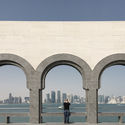
In our first installment we are taking you to Doha, the capital of Qatar, where we visited the Museum of Islamic Art. For some years, this museum was the only architecture fix you could find in Doha, but recently this has changed, with projects almost completed by Jean Nouvel and Rem Koolhaas, and will continue to change leading up to the 2022 World Cup. The building was designed by IM Pei who, when the building was constructed in the mid-2000s, was retired but was persuaded to commit his time to design this prominent museum. And prominent it for sure is. Mister Pei, you know how to make your building stand out. Standing off the mainland, a solid natural stone structure rises out of the water.
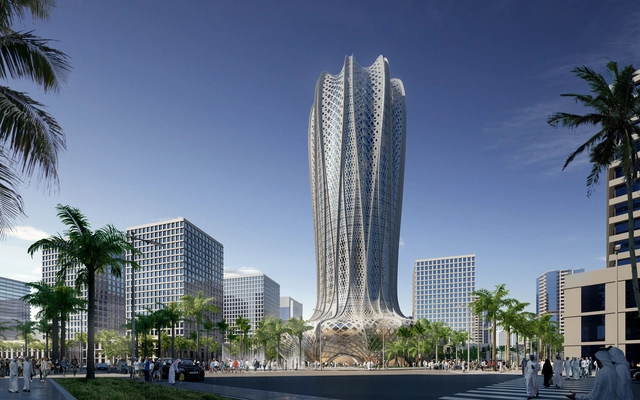
Zaha Hadid Architects have released plans for a 70,000 square meter (750,000 square foot) hotel and residential tower in the Marina District of Lusail City, Qatar. The design is the first of two ZHA projects commissioned by H.H. Sheikh Mohammed Bin Khalifa Al Thani for Lusail City’s integrated community master plan, which when complete will become Qatar’s first and largest sustainable city, providing entertainment, employment and accommodation for up to 450,000 residents and visitors.
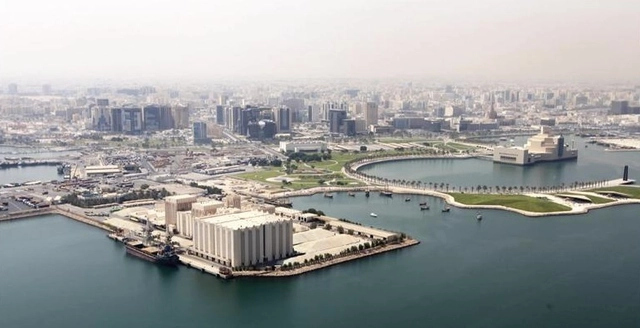
Qatar Museums has announced a shortlist of eight finalists that will move on to the third and final stage of the Art Mill International Design Competition in Doha. On a site extending into the Arabian Sea that was only recently occupied by Qatar Flour Mills, Art Mill will integrate gallery and exhibition space with facilities for education, events, conservation, art handling, and research. Joining the Museum of Islamic Art designed by I.M. Pei, and the still under-construction National Museum of Qatar, designed by Jean Nouvel, in the words of the competition brief, “Art Mill will and extend and intensify the cultural quarter being developed in Doha.”
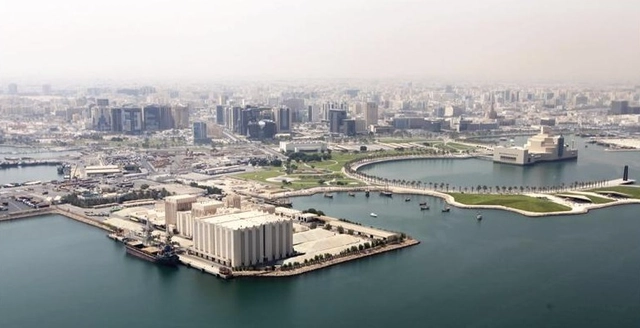
Renzo Piano, David Chipperfield, Sou Fujimoto, Miralles Tagliabue EMBT and ELEMENTAL are among 26 celebrated architects that have been longlisted in an international competition that seeks to transform the Qatar Flour Mills in Doha's Arabian Gulf into a massive "Art Mill." Moving on to the competition's second stage, the remaining architects will now develop site strategies that focus on the mill's connection to the city. The complete longlist includes:
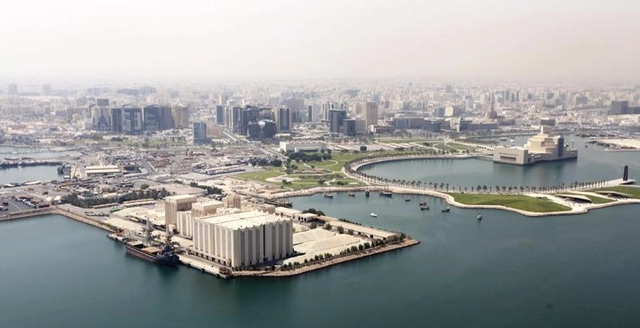
Qatar Museums has launched an international search for an architect to convert an existing flour mill within the Arabian Gulf port into a massive "Art Mill." Planned for a prominent site in Doha, near I.M. Pei’s Museum of Islamic Art and Jean Nouvel’s forthcoming National Museum of Qatar, the new museum will be realized through a three-stage competition open to practicing architects with at least seven years of experience.
"The industrial process of milling has left a fascinating legacy in the layout and spaces of the existing buildings on the site, notably voluminous spaces and a rhythmic, patterned promenade of vertical silos. Some of the Flour Mills buildings possess an authentic monumentality in terms of positioning, scale and noble forms. Re-using and adapting these structures will be integral to the project," says competition organizer Malcolm Reading on the Art Mill's official site.
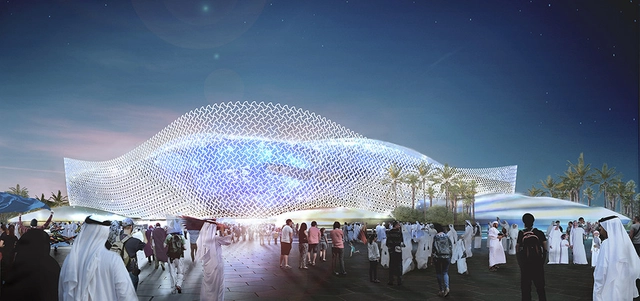
Qatar's Supreme Committee for Delivery & Legacy (SC) has unveiled the fifth proposed venue planned for the 2022 FIFA World Cup, this time designed by London-based Pattern Architects. Titled "Al Rayyan Stadium," the 40,000-seat Qatari-inspired structure will be built on the site of the former Ahmed Bin Ali Stadium, of which 90 percent of its materials generated from demolition are expected to be re-used for either public art projects or on the new stadium.
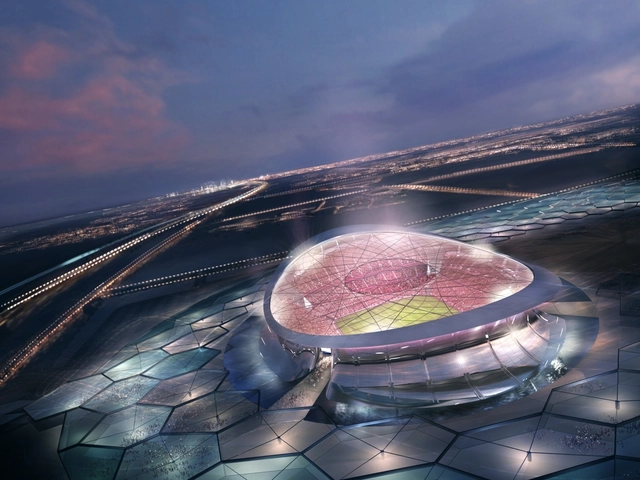
Foster + Partners has been chosen ahead of David Chipperfield Architects, Mossessian & Partners and Mangera Yvars Architects to design the 2022 FIFA World Cup Qatar centerpiece - the Lusail Stadium. The British practice will now move forward with its competition-winning scheme (first proposed in 2010) with the help of stadium experts ARUP and Populous.
“It is an honor to design this centerpiece stadium – we are delighted to have won the international competition. This is an exciting step forward in stadium design – it will be the first to break the mould of the free standing suburban concept, and instead anticipates the grid of this future city, of which it will be an integral part,” said Norman Foster, founder of Foster + Partners.

Spanish-Kuwaiti firm AGi architects has been awarded second prize in a competition to design a new courthouse in Qatar’s capital, Doha. The restricted competition, organized by the Government of Qatar, challenged 30 participants, of which four were shortlisted to compete in the final round.
AGi’s proposal was based off of two grids - the immediate site’s and the larger city - resulting in a “floating,” canopy-like structure that metaphorical “protects” its inhabitants. View the complete proposal, after the break.