

-
Architects: Point 4 Space
-
Professionals: Ramb Sistem





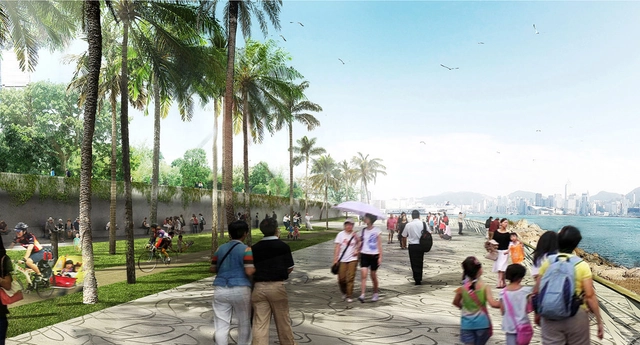
The West Kowloon Cultural District Authority has recently unveiled the landscape design plans for the West Kowloon Cultural District, a scheme that will activate the waterfront and create a dynamic green space in what will be one of the largest cultural developments in the world. Developed by Dennis Lau & Ng Chun Man Architects & Engineers, with West 8 and ACLA, the concept plan features outdoor areas for exhibitions and performances, recreational lawns, and a waterfront promenade.

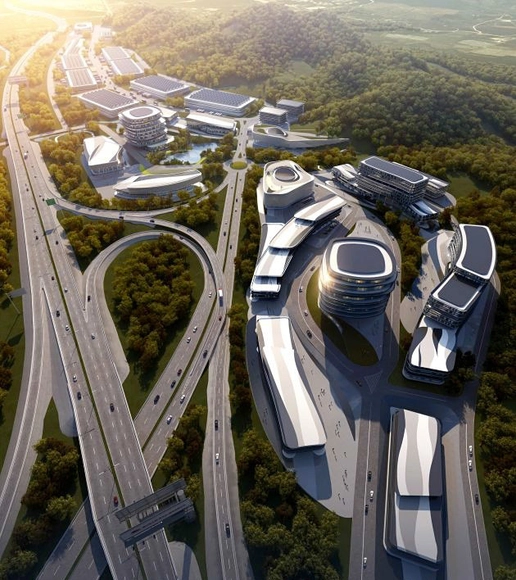
The Tianjin University Research Institute of Architectural Design and Urban Planning (AATU) recently won an international competition to design a hub for Chinese food-processing and stock-breeding company Luoniushan in Sanya, Hainan. With expectations to break ground this year, the 42-hectare multi-functional park will house the company's new headquarters as well as warehouses, serviced apartments, a tourism and exhibition center, and more. For more images and information, continue after the break.

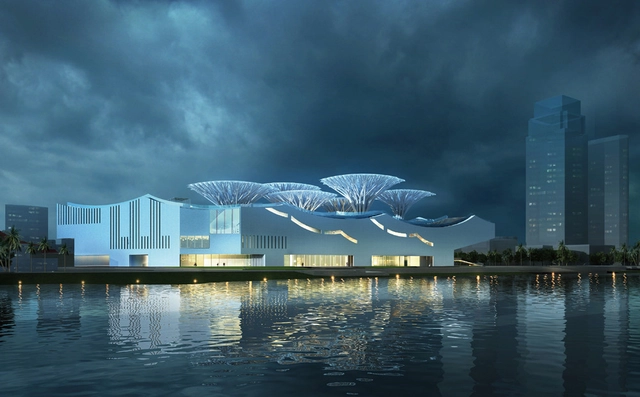
Sited in the city of Zhuhai, China, this museum by Ábalos + Sentkiewicz Arquitectos seeks to combine the opposing ideas of a festive, airy aesthetic with the need for a protected and enclosed space to showcase artwork. To that end, they have created a structure that resembles a landscape with sculptural tree-like forms emerging from publicly accessible courtyards. These “trees”, while an important aspect of the building’s visual identity, also play a major role in the climate control of the museum.
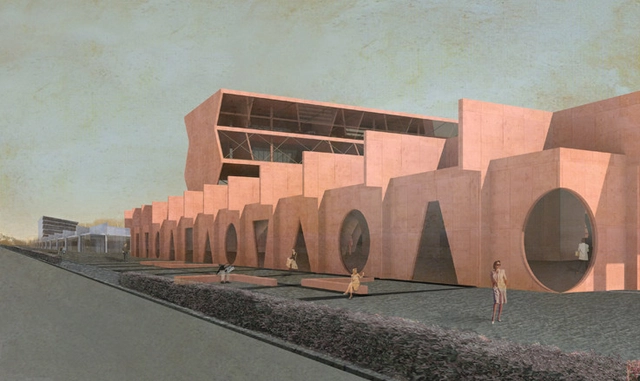
Italian design firm IaN+ has put forth their vision for a pair of museums along the Dòzsa Gyorgy Boulevard in Budapest, Hungary for the Liget Budapest International Competition. Connected by a central foyer, the two exhibition spaces will be based on a common grid of structural concrete walls whose cells will form galleries. One of these museums will be devoted to photography, the other to architecture, and each building, while similar in appearance, is designed to best accommodate the work they will display.



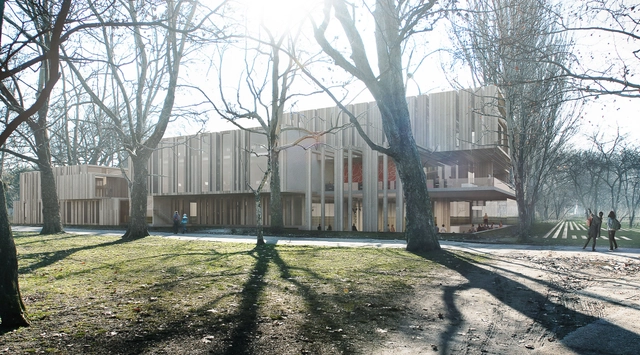
Ziya İmren Architects have proposed a "symphonic architectural poem dedicated to Franz Liszt and Béla Viktor János Bartók" as part of the Liget Budapest International Design Competition launched earlier this year. The architects' approach is based on the pioneering compositional methods of Franz Liszt and Bela Bartok. The design proposal brings "thematic inspiration to the fore by restructuring the classical system of a symphonic work into the form of poetry as a gesamtkunstwerk (a 'total work of art')."
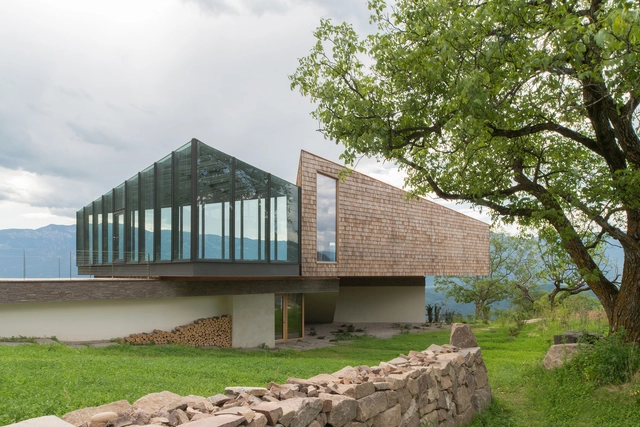
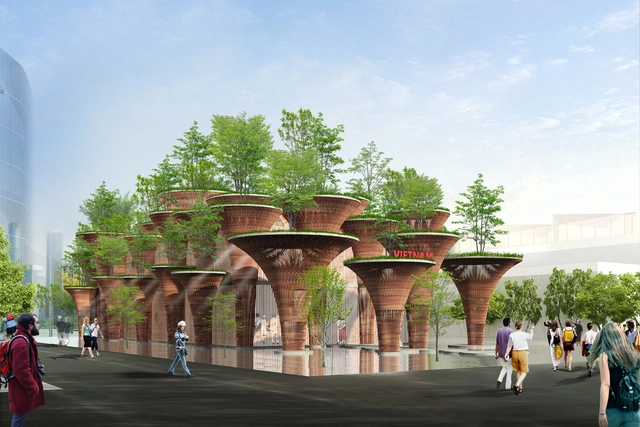
Vo Trong Nghia has unveiled designs for the Vietnamese pavilion at the 2015 Milan Expo. Inspired by the lotus, the pavilion features a number of bamboo clad, umbrella-like structures supporting trees above a pool of water, in a composition reminiscent of their Kontum Indochine Cafe.
"The Lotus is Vietnam’s national flower, a symbol of purity, commitment and optimism for the future," say the architects. "Growing from the muddy ponds it rises above the surface to bloom with remarkable beauty. The flower is proof that patience can turn difficulties into advantages."