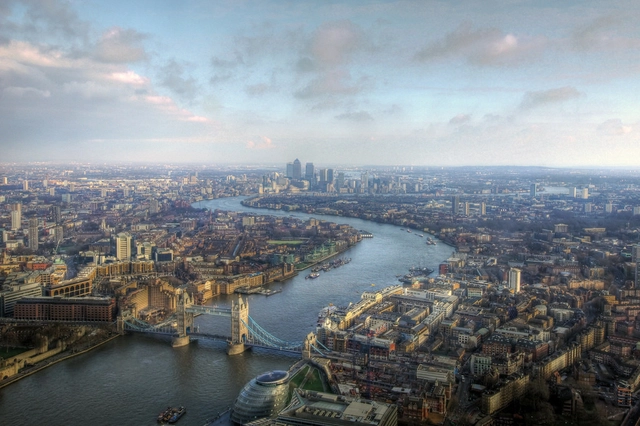
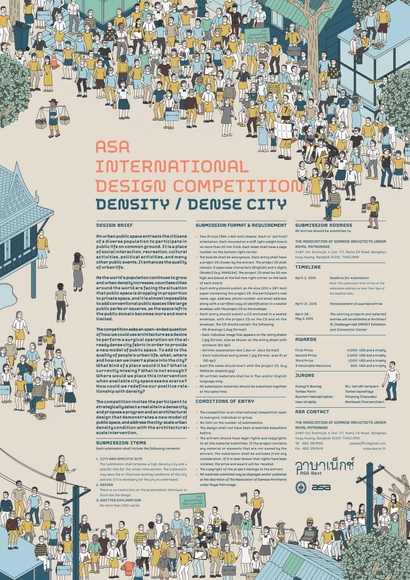
Urban public spaces create common grounds for diverse, public participation. They are places of social interaction, recreation, cultural activities, political activities, and many other public events, enhancing the quality of urban life.
As the world's population continues to grow and urban density increases, public space is dropping in proportion to private space in countless cities around the world. And it is almost impossible to add conventional public spaces like large public parks or squares, as the space left in the public domain becomes more and more limited.
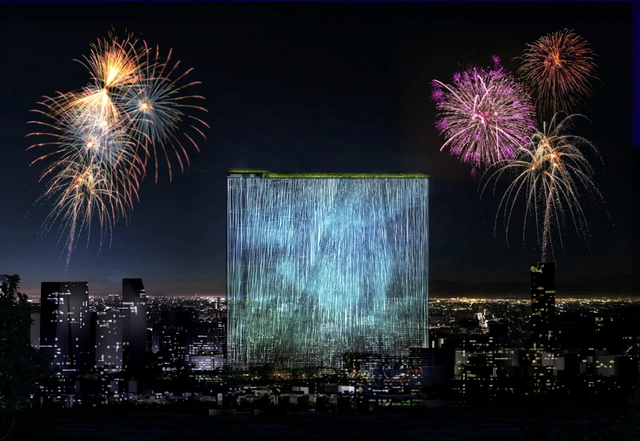
The competition asks an open–ended question of how we could use architecture as a device to perform a surgical operation on the already dense city fabric in order to provide a new model of public space. To add to the quality of people’s urban life, what, where and how can we insert a place into the city? What kind of a place would it be? What is currently missing? What is not enough? Where would we place this intervention when available city space seems scarce? How could we redefine our positive relationship with density?
https://www.archdaily.com/609957/asa-international-design-competition-dense-citySponsored Post
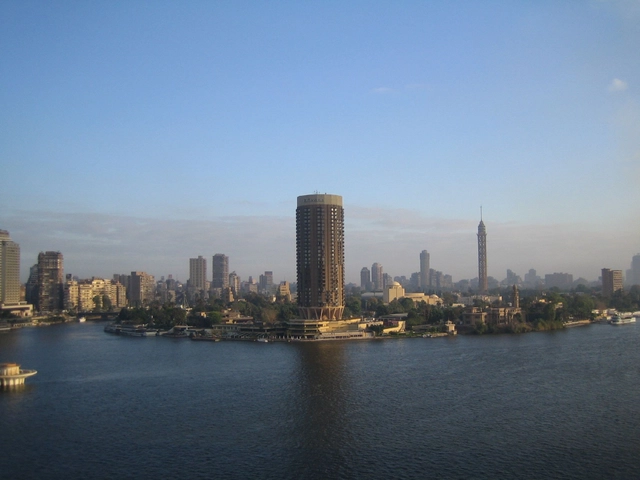
In an effort to combat the economic conditions that have plunged one-fourth of its population into poverty, Egypt's ambitious development plan for a massive new capital city is soon to be underway. Roughly the size of New Cairo, the privately-funded city hopes to become the new administrative center, as well as a bustling metropolis of shopping, housing, and tourist destinations to generate economic activity. Plans were solidified at a foreign investment conference where the official project details were unveiled on March 13 in Sharm el-Sheikh.
Read on after the break for more on the $45 billion plan.
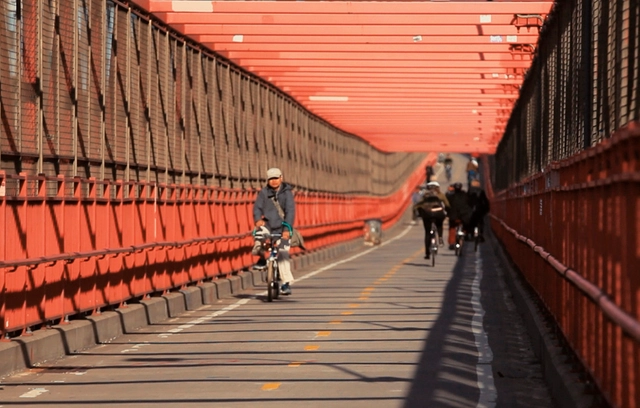
Today we are facing environmental issues more than ever. While architects, urban designers, policymakers and thinkers discuss the future of our cities, more and more people become aware of their own impact and use of space. Genre de Vie is a documentary film about bicycles, cities and personal awareness. Using the bicycle, Genre de Vie delves into how cycling contributes to the future livability of cities.
Challenging the notion that beauty is subjective, Alain de Botton has made a case for attractive cities, believing that a city’s beauty is key to its success and citizens' quality of life. The Swiss philosopher, author and founder of London's The School of Life believes that attractiveness is the primary reason why many choose to vacation to Paris, and not Frankfurt.
"We think beauty is subjective, and so no one should say anything about it," says Botton. "It's a very understandable qualm, but it's also horribly useful to greedy property developers.”
So, what makes a city attractive? Find out Botton’s six points for beautiful cities, after the break.
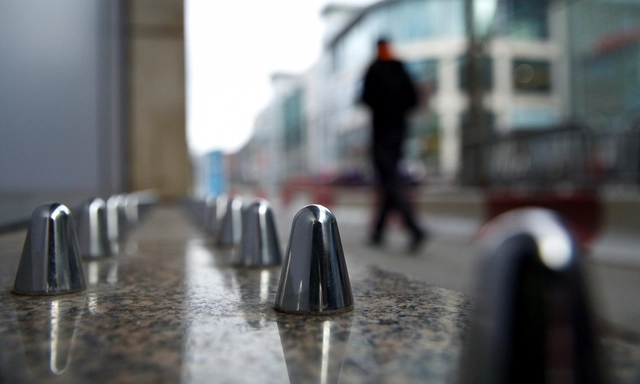
To many, the harsh turns the modern city has taken are not apparent. We see benches and bus stops that masquerade as shelters, but Guardian writer Alex Andreou's sudden plunge into homelessness opened his eyes to the hostile realities of these and other structures. In "Anti-Homeless spikes: 'Sleeping rough opened my eyes to the city's barbed cruelty'," he sheds some light on misconceptions about homelessness and explains the unfortunate trend of designing unlivable architecture to deter those affected.
Vincent Laforet is at it again, this time photographing Nevada’s Sin City from an elevation of 10,800 feet (8,799 feet above the city). Part two of Laforet’s dizzying series of city aerials, the Pulitzer Prize-winning photographer was drawn to desert city of Las Vegas because of its “island” effect.
“Just like the island of Manhattan that started this series, Vegas is an "Island of Light" in the middle of nothingness… A sea of black with an amazing source of light emanating from Vegas and its infamous strip… You can almost see the electricity running through it.”
A collection of "Sin City" images, after the break.
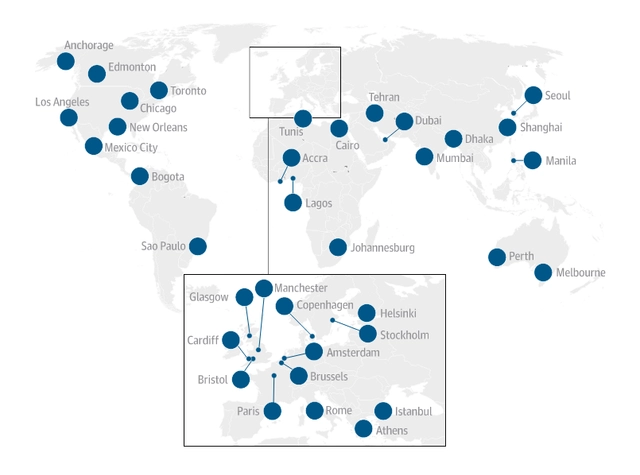
A compilation of all posts in the "Urbanist's Guide to..." series from Guardian Cities, "The Urbanist's Guide to the World" takes readers to cities across the globe. Penned by local bloggers in cities from Manila to Sao Paulo, Tehran to New Orleans, the vignettes are supported by The Rockefeller Foundation and cover everything from "best" and "worst buildings" to cleanliness, soundscapes, and "the best place for a conversation." You can view the interactive guide here.
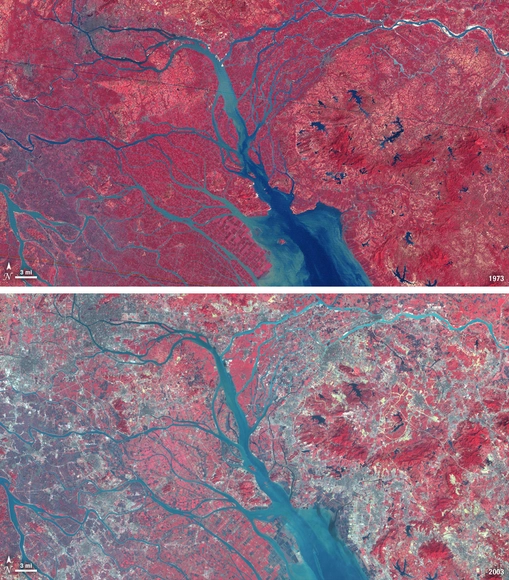
China’s Pearl River Delta has surpassed Tokyo in both size and population, making it the largest urban area in the world, according to the World Bank. The colossal megapolis - a conglomerate of several cities, including Shenzhen, Guangzhou, Foshan and Dongguan - is a central component to China’s manufacturing and trade industries.
It is now home to 42 million - more people than the countries of Canada, Argentina or Australia. And, considering nearly two-thirds of the East Asia region’s population (64%) is still “non-urban,” the area is expected to grow exponentially.
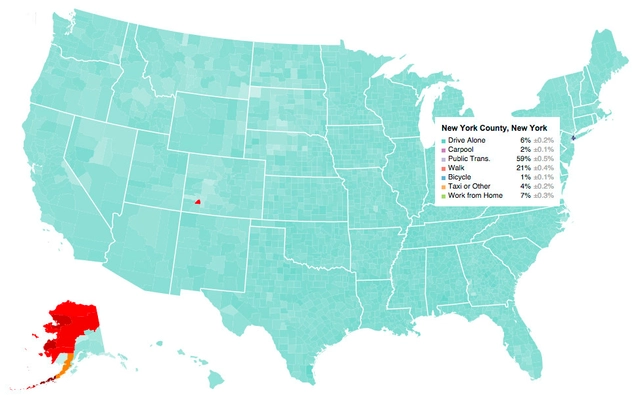
Interactive: How Americans Get to Work. Image Courtesy of flowingdata.com
In the US, most people drive alone to work. This isn’t surprising, considering car culture has been a staple of American life since the end of World War II. However, with the potential of high speed rails making way in California and the push for public transit in many other states, it will be interesting to see how this map may (or may not) change over the next decade.
It is expected that by 2050, 70 percent of the world’s population will live in cities. However, as FastCoDesign points out, it is unlikely that cities will look the same as they do today. In a recent article, the company outlined six major design trends in 2015 that are shaping city life, including restaurants starting to double as living rooms, healthcare become a retail product and smarter transportation systems. Find out all six trends, here.
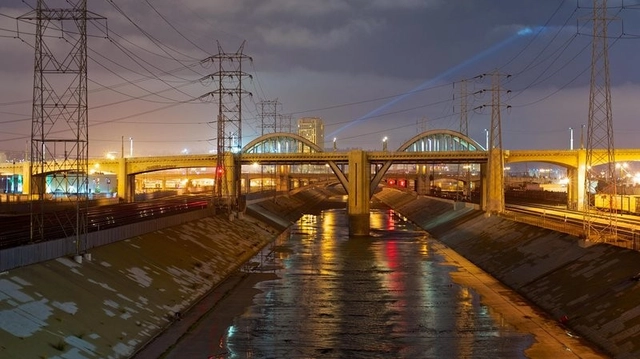
With many of the world’s cities combating drought, it is apparent that channeling water away from populated areas with no intended use is not sustainable. Cities are depending on their “precious rain water” more than ever and, as Arid Lands Institute co-founder Hadley Arnold says, "the ace in our species pocket is the ability to innovate.” We need to “build cities like sponges,” starting with permeable hardscape, drought-tolerant landscaping and smarter plumbing. See what NPR has to say about issue of water treatment and Los Angeles, here.
Taichung Mayor Lin Chia-lung has temporarily “pulled the plug” on Sou Fujimoto’s ambitious Taiwan Tower, saying he would rather pay a penalty for breaking the contract than spend an estimated NT$15 billion to realize the “problematic” project.
The Banyan tree-inspired tower was hoped to become the “Taiwanese version of the Eiffel Tower,” as well as a model for sustainable architecture by achieving LEED Gold with its energy producing features. Its steel superstructure, which proposed to hoist a triangular section of the Taichung Gateway Park’s greenbelt 300-meters into the air, intentionally had “no obvious form” and was to be perceived as a natural phenomenon.
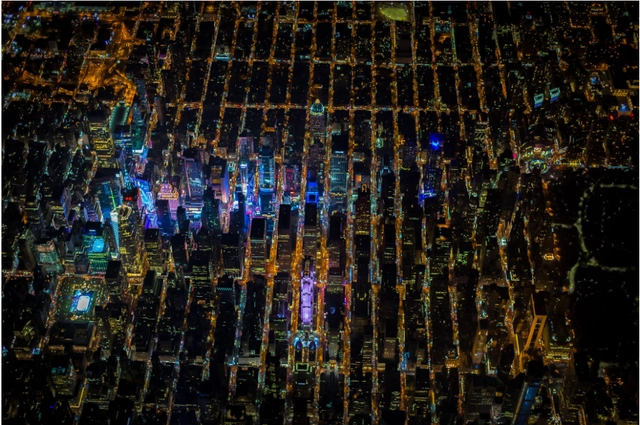
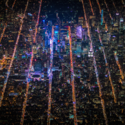
Something he has “dreamed of capturing for decades,” Pulitzer Prize-winning photographer Vincent Laforet has released a stunning set of images that captures his hometown of New York in a way that has never before been seen. Taken from a nauseating 7500-feet above the city, Laforet’s “Gotham 7.5K” series reveals the unrelenting, pulsating energy that radiates from the Big Apple’s city grid.
All the images and the making-of video, after the break.
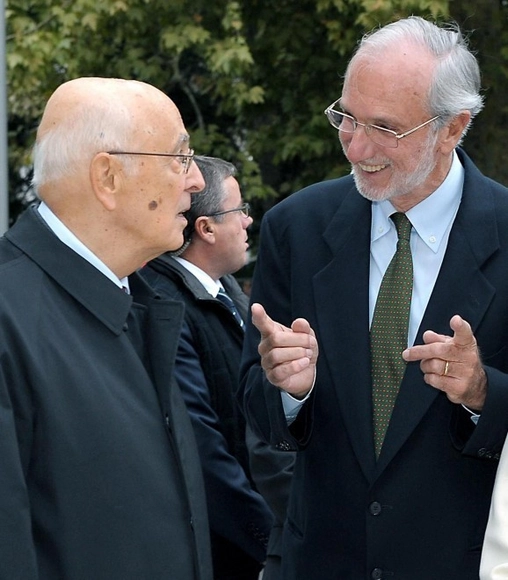
President Giorgio Napolitano and Renzo Piano (2012). Image Courtesy of La Repubblica
In The New Yorker's latest Postcard from Rome Elizabeth Kolbert talks to Renzo Piano in his Senate Office at the Palazzo Giustiniani, just around the corner from the Pantheon. Piano, who was named a Senator for Life by Italian President Giorgio Napolitano in September 2013 (when he was 75 years of age), immediately "handed over the office, along with his government salary, to six much younger architects." He then "asked them to come up with ways to improve the periferie - the often run-down neighborhoods that ring Rome and Italy’s other major cities." Kolbert attests to Piano's belief in the power of museums and libraries and concert halls. For him, "they become places where people share values [and] where they stay together." "This is what I call the civic role of architecture."
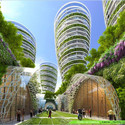
View of the comprehensive city plan. Image Courtesy of Vincent Callebaut Architecture
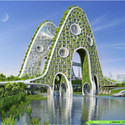
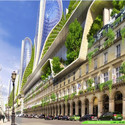
Addressing Paris’ housing and density issues, French firm Vincent Callebaut Architectures has developed a proposal for multiple high-rise buildings with positive energy output (BEPOS). Comprised of eight multi-use structures inhabiting various locations within Paris, the plan strives to address major sustainability problems affecting each district, while providing key functions for the city.
Sleek, contemporary, and unapologetically eclectic, the work of Norwegian firm Snøhetta is as diverse as it is synonymous with modern Scandinavian design. Spanning everything from architecture and master planning to installation art and product and packaging design, Snøhetta's projects are characterized by the marriage of efficiency, quirky charm, and an eye for beauty. Offering a broad selection of suggestions for visitors to Oslo, Snøhetta's guide to the nation's capital is no different. Reflecting the favorite attractions of architects, artists, and brand designers from within the firm, the guide includes a windowless bar, jazz-punk band, and the Norwegian National Opera and Ballet, even encompassing the work of Oslo-based design contemporary, Element Arkitekter, in Lærernes hus. Read the rest of the seven travel selections here.
What is a city? To technologist Dave Troy, a “city is the sum of the relationships of the people that live there.” By mapping the interests of dwellers in some of the world’s most populated cities by looking at what they share online, Troy has generated a new and incredibly detailed way to view a city’s diversity beyond race. This rich data, as Troy believes, provides a real opportunity to design cities that are truly desired.
In the UK, urban issues are starting to see something of a renaissance, with problems such as the nation's housing shortage increasingly being subjected to scrutiny in ever more public arenas - in fact earlier this year housing overtook transport as the biggest concern among London voters. All of this means that 2015 will be "a golden opportunity to fix some of the worst city problems," according to the Guardian Cities, who have asked their architecture critic Oliver Wainwright to offer up a wishlist of positive changes that could benefit the nation's urban centres. From councils building more council housing to a tax on empty homes, Wainwright's four-point list offers straightforward policy advice that could truly transform the lives of British urbanites - and perhaps most promisingly, in three of these cases he explains how there are nascent movements already being made to bring his recommendations to fruition. You can read the full article here.







.jpg?1420687878&format=webp&width=640&height=580)

.jpg?1420687878)