1. ArchDaily
  2. Cities

Cities: The Latest Architecture and News

Bjarke Ingels and Xiye Bastida on Designing the Ideal City

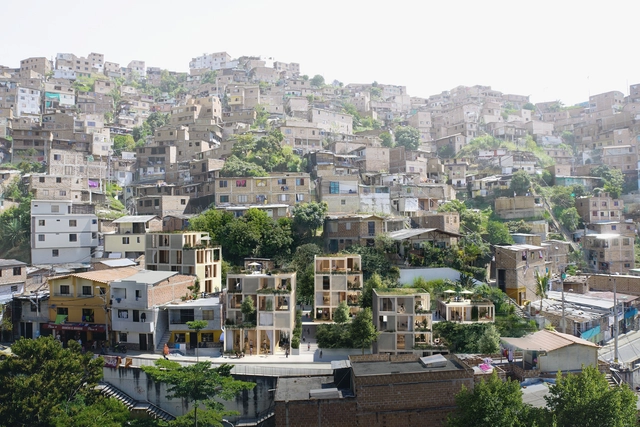
What kind of cities do we want to live in? What do we believe is important for a good life? And what makes a good home for all of us? SPACE10 with gestalten have teamed up to gather insights from world-renowned experts to explore a better urban future for humanity. Compiled in a book entitled The Ideal City, the findings draw five core principles: The city of tomorrow should be resourceful, accessible, shared, safe, and desirable.

Taking a holistic and multidisciplinary approach to rethinking how we could design, plan, build and share our cities going forward, the publication unfolds projects from 53 different cities in 30 different countries. Discover in this article, excerpts from the book, with the foreword by Bjarke Ingels and the last word by Xiye Bastida.

Bjarke Ingels and Xiye Bastida on Designing the Ideal City - Image 1 of 4Bjarke Ingels and Xiye Bastida on Designing the Ideal City - Image 2 of 4Bjarke Ingels and Xiye Bastida on Designing the Ideal City - Image 3 of 4Bjarke Ingels and Xiye Bastida on Designing the Ideal City - Image 4 of 4Bjarke Ingels and Xiye Bastida on Designing the Ideal City - More Images+ 8

Vertical Urbanization As Seen From Above

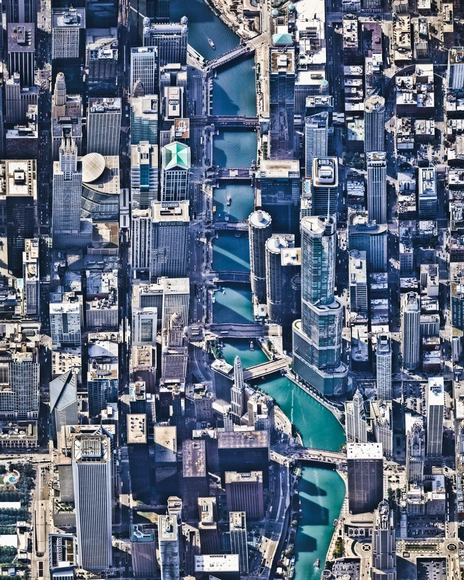
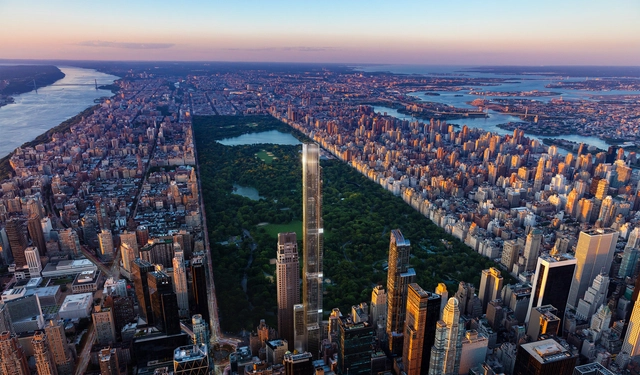
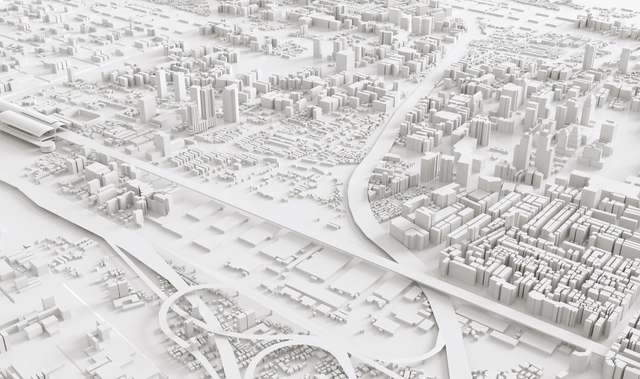
Because of the decrease in the availability of land area and the ever-increasing price per square meter, cities often tend to grow vertically. When we picture large metropolitan areas, we almost always imagine high-rise buildings, and the recognizable skyline becomes an icon that immediately evokes the places in which they are located.

Vertical Urbanization As Seen From Above - Image 1 of 4Vertical Urbanization As Seen From Above - Image 3 of 4Vertical Urbanization As Seen From Above - Image 4 of 4Vertical Urbanization As Seen From Above - Image 7 of 4Vertical Urbanization As Seen From Above - More Images+ 4

Tech, Class, Cynicism, and Pandemic Real Estate

It didn’t take long for the coronavirus pandemic to inspire both cutting-edge architectural design solutions and broad speculation about future developments in the field. Many of the realized innovations have been contracted by or marketed to the real estate sector. But as firms compete to provide pandemic comforts to rich tenants, the COVID-19 technology that directly affects working-class communities is mostly limited to restrictive measures that fail to address already-urgent residential health hazards or administrative conveniences for developers that allow them to circumvent public scrutiny. These changes had been long-planned, but they have found a new license under the pretext of coronavirus precaution. In terms of “corona grifting,” this sort of thing takes the cake.

The Religion of the City: Cars, Mass Transit and Coronavirus

Religion is a uniquely human reality. As are cities. As we emerge from our burrows of sequestration, the silent cities and places of worship will become human again, versus the present sad memory of what they once were.

We will recover from another human reality, the pandemic and when we do we will be forced to address some questions. Before this century, the automobile was once seen as the way Americans could create a new reality: a huge middle class that could control its life by using the freedom that cars gave them to go where they wanted, when they wanted, and to live where they wanted. Before this latest change of sequestration, that vision of what cars meant to our culture was changing —especially in cities.

Social Urbanism: From the Medellín Model to a New Global Movement

Social Urbanism: Reframing Spatial Design – Discourses from Latin America, a new book by Maria Bellalta, ASLA, dean of the School of Landscape Architecture at the Boston Architectural College, is a welcome addition to the growing number of publications on the social justice-oriented form of urbanism, architecture, and public space emanating from Medellín and Colombia. The achievements of social urbanism have rightfully become synonymous with Medellín in the world of landscape architecture, urban planning and design, and architecture.

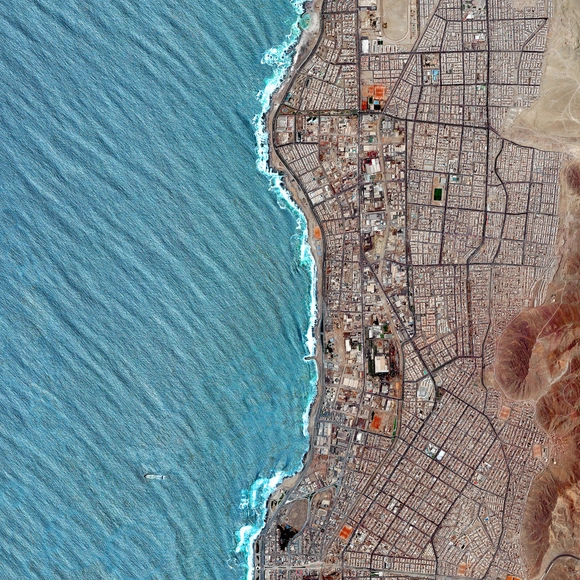
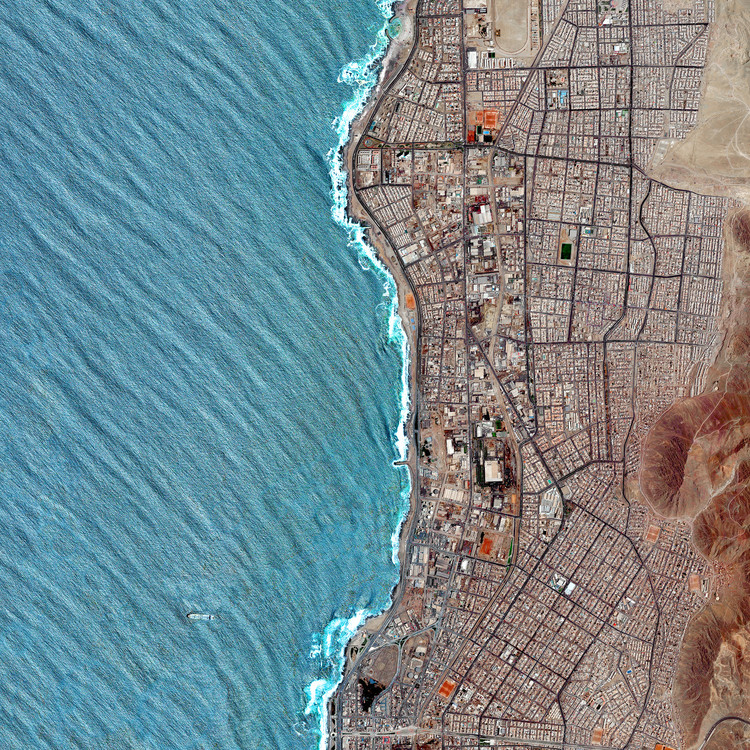
Kevin Lynch's Images of the City Through Aerial Photography

“There seems to be a public image of any given city which is the overlap of many individual images," American urban planner Kevin Lynch once said. "Or perhaps there is a series of public images, each held by some significant number of citizens,” he added.

Following this remark, in his book "The Image of the City" (1960), Lynch begins an analysis around the elements that constitute what he considers to be the image of the city. While introducing, describing, and illustrating these elements as physical, perceptible objects, Lynch considers that other non-physical factors such as history, function, or even the name of the city also play a significant role in the construction of this imageability.

Kevin Lynch's Images of the City Through Aerial Photography - Image 1 of 4Kevin Lynch's Images of the City Through Aerial Photography - Image 2 of 4Kevin Lynch's Images of the City Through Aerial Photography - Image 8 of 4Kevin Lynch's Images of the City Through Aerial Photography - Image 10 of 4Kevin Lynch's Images of the City Through Aerial Photography - More Images+ 7

Repairing the Urban Fabric Ruined by Highways

This article was originally published on Common Edge.

From the hills behind the City Hall in my adopted hometown of Ventura, California, it’s less than 1,000 yards southward to the Pacific Ocean. This constrained piece of topography creates a small urban gem of a downtown: streetscapes, restaurants, stores, offices, residences, parking garages, and a beachfront promenade, all within eight or so square blocks, creating a lively streetlife that connects a historic downtown to the beach.

Gentrification and Dystopia: The Future of Mexico City in the Aftermath of the Covid-19 Pandemic

Gentrification and Dystopia: The Future of Mexico City in the Aftermath of the Covid-19 Pandemic - Image 1 of 4Gentrification and Dystopia: The Future of Mexico City in the Aftermath of the Covid-19 Pandemic - Image 2 of 4Gentrification and Dystopia: The Future of Mexico City in the Aftermath of the Covid-19 Pandemic - Image 3 of 4Gentrification and Dystopia: The Future of Mexico City in the Aftermath of the Covid-19 Pandemic - Image 4 of 4Gentrification and Dystopia: The Future of Mexico City in the Aftermath of the Covid-19 Pandemic - More Images

When looking at the population of the world's metropolises, in this case Mexico City, the reality is that the majority of the people living there have migrated from other regions of the country and, sometimes, from other countries as well. Of course, thanks to the Covid-19 pandemic, companies and schools have gone virtual, and, with their work and studies no longer tied to urban centers, people have left in masse for the coast and other less populated areas in search of space and lower living costs.

Endless “Sustainable” Growth is an Oxymoron

This article was originally published on Common Edge

In a Common Edge article, I briefly discussed a concept that I call the “Triple Bottom Lie,” which posits that more people, plus more consumption by each person, plus an economic system completely dependent on the aforementioned items, can just keep working forever, without consequences. Historically, the United States has accepted the economic shibboleth of endless growth because it reduced class conflict; a rising tide (supposedly) lifted all boats, rafts and yachts included. We are, however, approaching the limits of growth, from both a resource standpoint (we’re running out of raw materials) and a technological standpoint (our inventions are progressively less revolutionary).

Mapping the City of the 21st Century: Desplans and KooZA/rch Open up the Discourse to Young Creatives

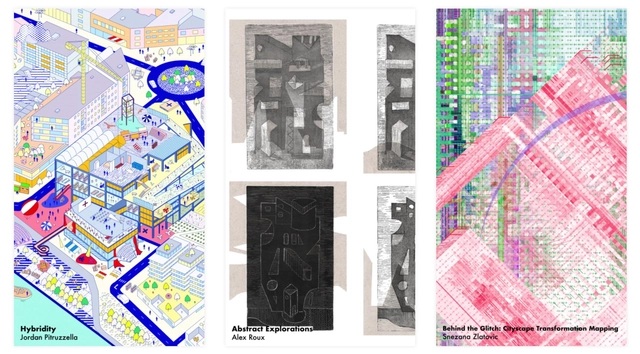
Desplans and KooZA/rch have revealed the three final winners of the #mycityscape competition. Inviting young creatives to this conversation, the open call questions the definition of the city, by asking “What establishes the identity of a city? What distinguishes one urban environment from the other? And What defines our relationship to the built landscape we inhabit?

Trying to find the tools to map the city of the 21st century, the competition encouraged young creatives to record the essence of their cityscape into one image. After selecting 12 shortlisted entries, the contest solicited a wider audience to decide the final winning designs, by voting for their favorites on social media. Following the release of the results, Christele Harrouk from ArchDaily had the chance to talk about the #mycityscape competition with both Desplans and KooZA/rch, discussing the theme and the whole process. Discover in this article the exchange as well as the final winning designs.

Urban Planning and Water Bodies: Florida’s Aquatic Land Cover

Subscriber Access | 

Urban Planning and Water Bodies: Florida’s Aquatic Land Cover - Image 1 of 4Urban Planning and Water Bodies: Florida’s Aquatic Land Cover - Image 2 of 4Urban Planning and Water Bodies: Florida’s Aquatic Land Cover - Image 5 of 4Urban Planning and Water Bodies: Florida’s Aquatic Land Cover - Image 6 of 4Urban Planning and Water Bodies: Florida’s Aquatic Land Cover - More Images+ 3

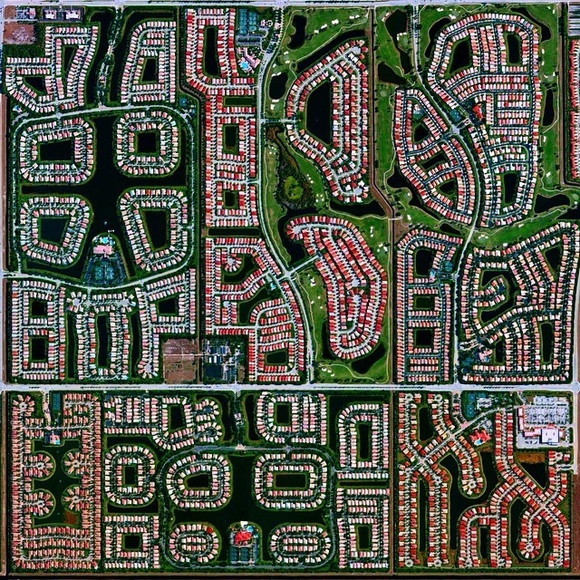
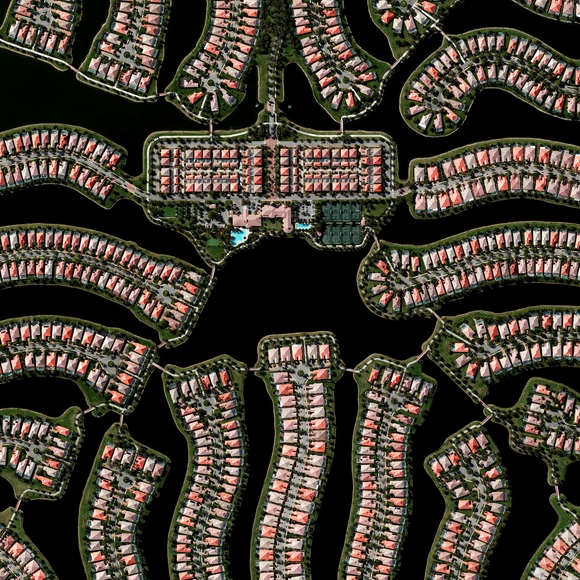
The state of Florida, in the United States, is bordered to the south, east, and west by the Atlantic Ocean, with a coastline of over two thousand kilometers in length, and is characterized by extensive areas of lakes, rivers, and ponds. Land booms during the early and mid-20th century resulted in the development of new communities and the expansion of low-density suburbia across many parts of the state, which frequently incorporated the abundant water resources, sometimes failing in their efforts.

Why Are Countries Building Cities From Scratch?

Over the past two decades, new master-planned cities have risen at a pace and scale rarely seen in modern history. Concentrated largely in Asia, the Middle East, Africa and Latin America, more than 150 such projects are currently underway. For some, these cities are promoted as fast tracks to modernization and a way to leapfrog from resource- or agriculture-dependent economies into knowledge-driven ones. For others, they are strategic showcases, designed to attract global attention, foreign capital, and prestige. By packaging urbanization itself as an investment opportunity, these projects promise to stimulate growth and reposition nations within the global economy—all through the act of building anew.

According to Forbes, "The new city building movement that we are currently in the middle of is one of the most under the radar and most misinterpreted social and economic developments happening in the world today". What often escapes scrutiny, however, is not only the architecture of these projects, but the governance model they advance.

Why Are Countries Building Cities From Scratch? - Image 1 of 4Why Are Countries Building Cities From Scratch? - Image 2 of 4Why Are Countries Building Cities From Scratch? - Image 3 of 4Why Are Countries Building Cities From Scratch? - Image 4 of 4Why Are Countries Building Cities From Scratch? - More Images+ 7