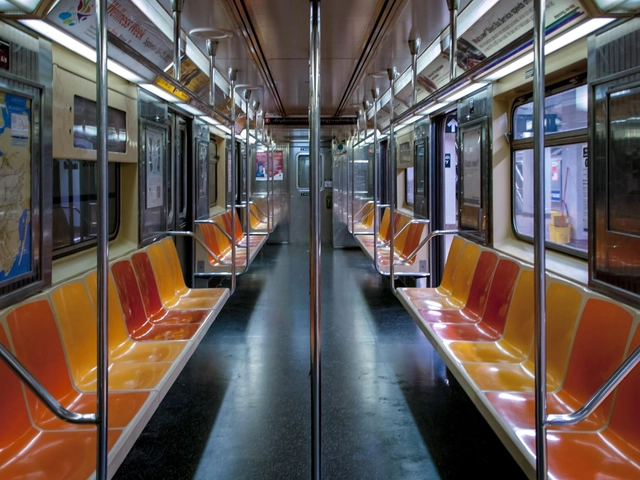
With the promising news of a potential vaccine that could soon return the world to a semi-normal way of life, questions are being raised about what the future of public transit might look like. While some predict that it will be years before we revert back to the muscle memory ways of packing like sardines into crowded subway cars during rush hour commutes, it’s not just about how individuals feel being within close proximity of one another while moving about the city. It has more to do with how our other daily habits, which have been reshaped as a result of the pandemic, might change the overall goals for public transit systems around the globe. What strategies might be implemented to bring ridership back to normal levels and to bring the mobility landscape back to where it once was as society continues to undergo major fundamental shifts?
“When there is a convergence of crises, like we have now, there needs to be a convergence of solutions,” argued Christiana Figueres, former executive secretary of the UN Framework Convention on Climate Change (UNFCCC), at the 2020 GreenBuild conference. These solutions need to be net-zero in terms of energy and greenhouse gas emissions, regenerative, and reconnect humanity to nature. And while progress towards these solutions is now “irreversible,” we need to move much faster towards a net-zero world.
https://www.archdaily.com/952457/christiana-figueres-a-net-zero-future-is-now-under-constructionJared Green
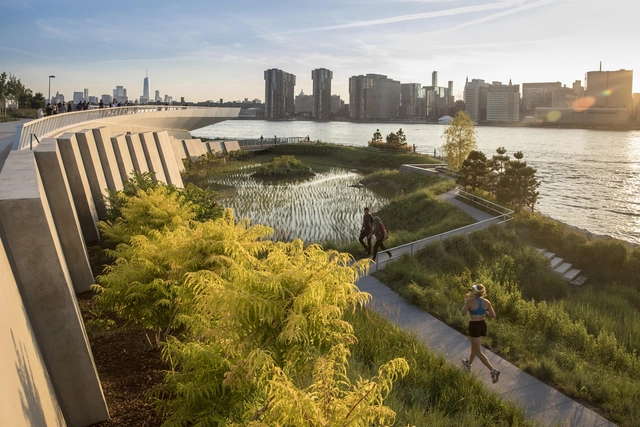
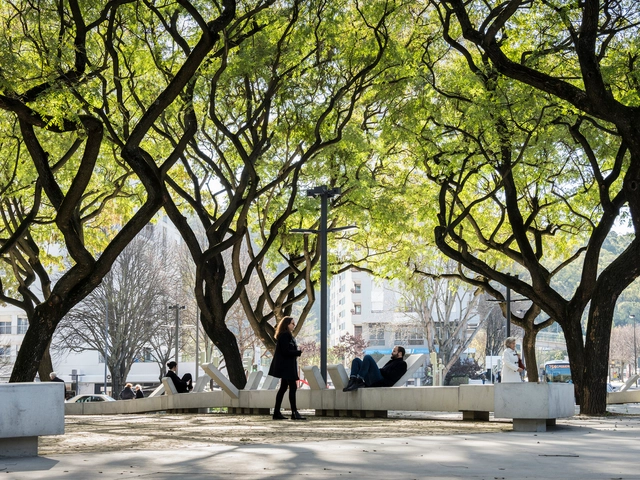
This June, the Global Cities program of the University of São Paulo (USP) carried out the research Emoções Momentâneas (lit. Momentary Emotions) to measure how the pandemic was changing the relationship of individuals with public spaces in São Paulo. Among the collected data, there was one that caught the attention of the group of researchers: 86% of the surveyed people wanted to spend time in green environments such as parks and squares.
"The research indicates a desire for reconciliation with the public space," explains architect Deize Sanches, one of the people involved in the research. "A desire to see the potential of green spaces to improve the quality of life in a way that was not being experienced before the pandemic."
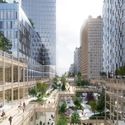
Henning Larsen’s proposal for Seoul Valley was selected as the winner of the Central Seoul Development Competition. Seeking to become a new home for the public in the center of the city, the mixed-use development “merges Seoul’s global commercial profile with an ecological return to downtown pedestrian life”. Other entries included schemes by MVRDV and SOM.
In his book Breve Historia del Urbanismo (Brief History of Urbanism), Fernando Chueca Goitia states that the medieval city appeared at the beginning of the 11th century and flourished only between the 12th and 13th centuries. According to the author, this growth was closely linked to the development of commerce that allowed permanent occupations, resulting in a city no longer composed mainly of travelers. In other words, the bourgeoisie was formed thanks to the most diverse activities - craftsmen, tradesmen, blacksmiths, longshoremen - which stimulated the development of the medieval city.
In the introduction of Cities for People, Jan Gehl stated clearly that most cities have neglected the human aspect when planning the built space. While technologies have allowed us to build large, our focus shifted from creating architecture for humans to erecting structures that look like they are meant for a different kind of species. Top-down urban planning decisions have ignored scales adapted to the senses and organic growth, and new ideologies prioritized speed, functionality, and profitability.
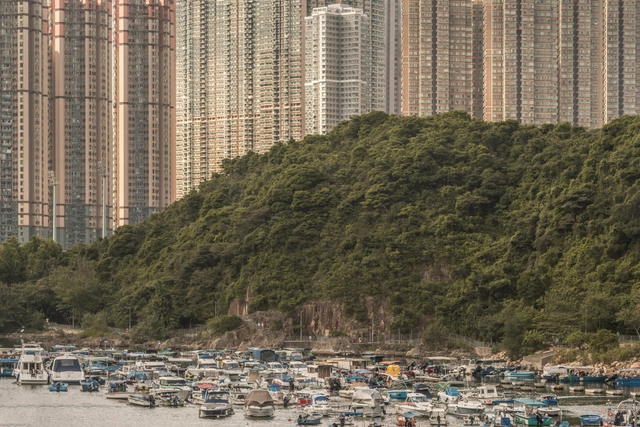
Dictating our city experience, scale, this major spatial component related to the human dimension, stimulates our senses, and influences our well-being. In this article, we lay down historical changes and underline scientific facts to highlight how scale can impact our daily city life, guided by Eden of the Orient, a series of photos by Belgian photographer Kris Provoost, portraying a battle of scale in Hong Kong.
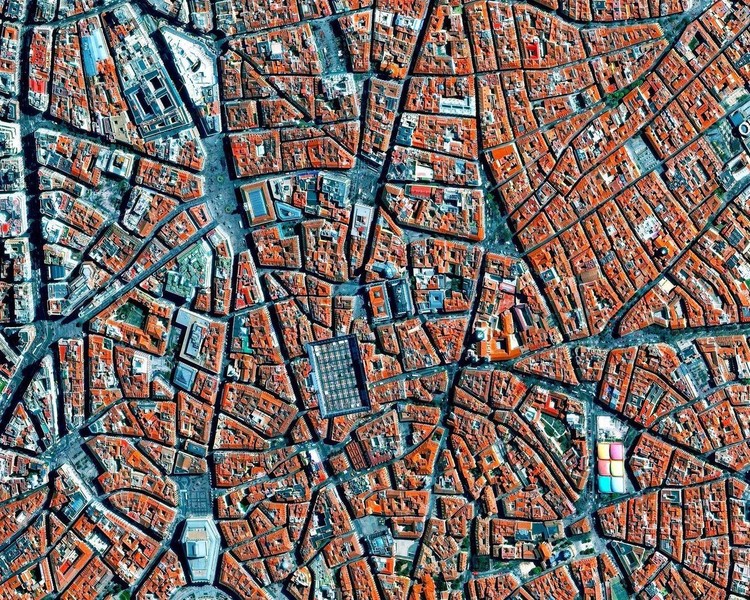
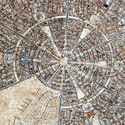
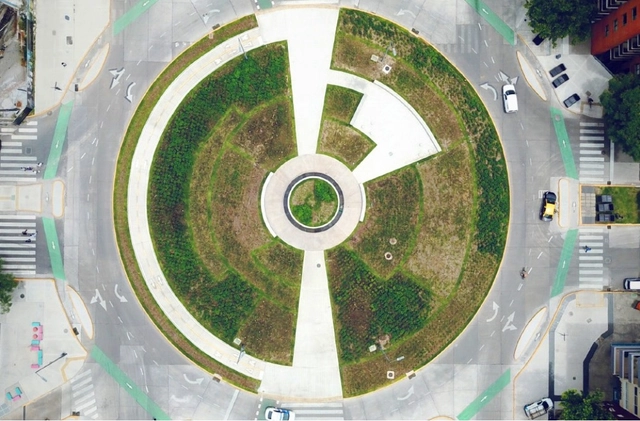
A radial concentric city plan is formed by streets that extend outward from a defined center and reach the outer edge of the city, together with concentrically arranged roads that connect the radial streets to the lots. This pattern traces back to ancient times and continues even to this day.
Depending on the historical context, location, or purpose of the city planning, the element found in the center may vary. Plazas, churches, or government buildings are among the most common elements and this is no accident, nor is the urban design pattern. Basically, the radial arrangement of streets is intended to highlight a particular element or location that has great political, religious, financial, or symbolic value to the city as a whole.
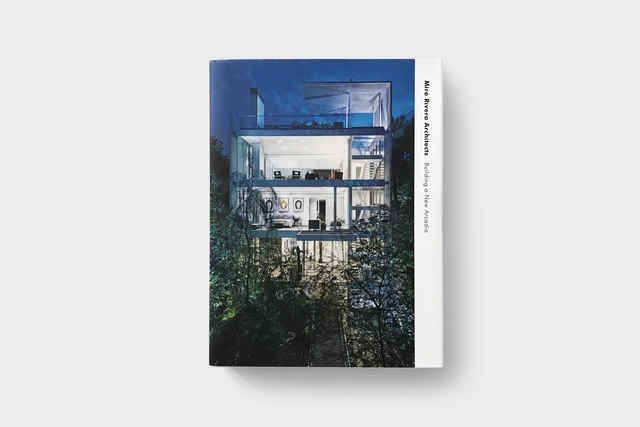
The acclaimed studio Miró Rivera Architects has published a 448-page monograph, entitled Miró Rivera Architects: Building a New Arcadia. Designed by the award-winning architects, the book features 20 of the firm’s most remarkable projects brought to life through 230 color photographs and 95 drawings. Featuring essays by notable thinkers and cutting-edge practitioners in the fields of architecture and urban design, Building a New Arcadia situates the firm’s diverse portfolio in a global context related to concepts of nature, sustainability, history, and urban design.
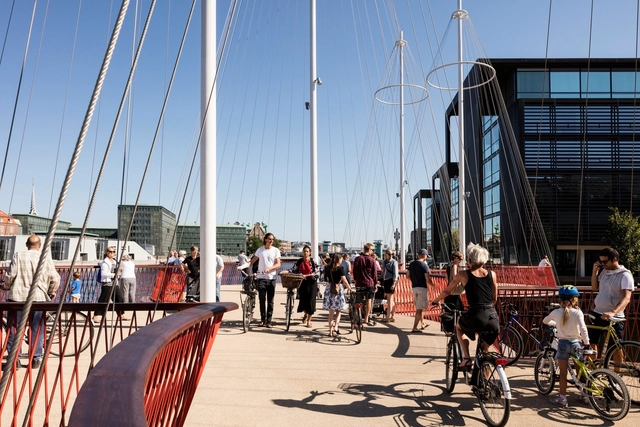
I spent four glorious days in Copenhagen in 2017 and left with an acute case of urban envy. (I kept thinking: It’s like..an American Portland—except better.) Why can’t we do cities like this in the United States? That’s the question an urban nerd like me asks while strolling the famously pedestrian-friendly streets, as hordes of impossibly blond and fit Danes bicycle briskly past.
The Un-Habitat or the United Nations agency for human settlements and sustainable urban development, whose primary focus is to deal with the challenges of rapid urbanization, has been developing innovative approaches in the urban design field, centered on the active participation of the community. ArchDaily has teamed up with UN-Habitat to bring you weekly news, article, and interviews that highlight this work, with content straight from the source, developed by our editors.
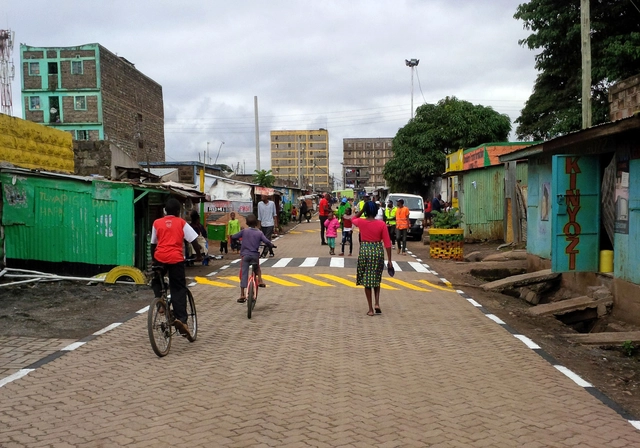
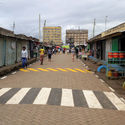
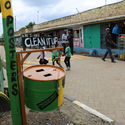
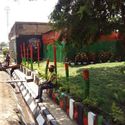
Associated with crime, waste, and garbage, Dandora in Nairobi’s Eastlands is home to 140,000 or so residents. In an on-going collaboration, between local residents and youth groups, UN-Habitat, Making Cities Together Coalition, and the Dandora Transformation League, the Model Street project has been transforming the garbage-filled community spaces into waste-free, attractive, and engaging places. Focusing on improving the shared courtyard spaces of residential compounds, an annual competition led by the youth of the neighborhood, the Changing Faces Challenge, became an initiative mobilizing citizens across Nairobi.
The COVID-19 Pandemic is a disruptive moment for our world, and it’s poised to spur transformative shifts in design, from how we experience our homes and offices to the plans of our cities. The webcast series Design Disruption explores these shifts—and addresses issues like climate change, inequality, and the housing crisis— through chats with visionaries like architects, designers, planners, and thinkers; putting forward creative solutions and reimagining the future of the built environment.
https://www.archdaily.com/951210/design-disruption-episode-6-design-and-the-just-city-with-toni-griffinArchDaily Team
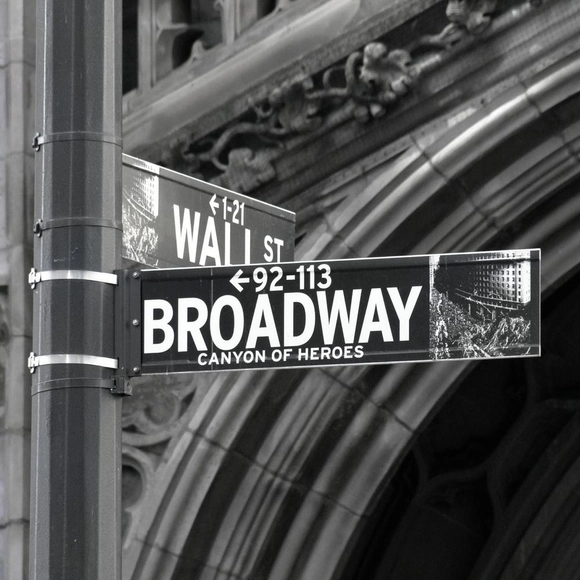
In cities across the United States, an address is more than just a street name or a building number- but a brand that translates directly into a symbol of wealth and prestige. Take the tallest residential tower in the country, 432 Park Avenue in New York City, which doesn't actually sit quite on park avenue. Instead, it’s neighboring lot to the east sits on Park Avenue, and this mega structure actually faces 56th avenue- a significantly less iconic street. However, this inflated valuation doesn’t happen everywhere. Cities in other countries don't place the same weight on an address and refer to buildings or locations as landmarks or by their appearances, which doesn't force a high monetary value based on an address or a marketing scheme alone. How do places in the world differ in how they brand buildings and streets in cities, and what does that tell us about their urban culture?
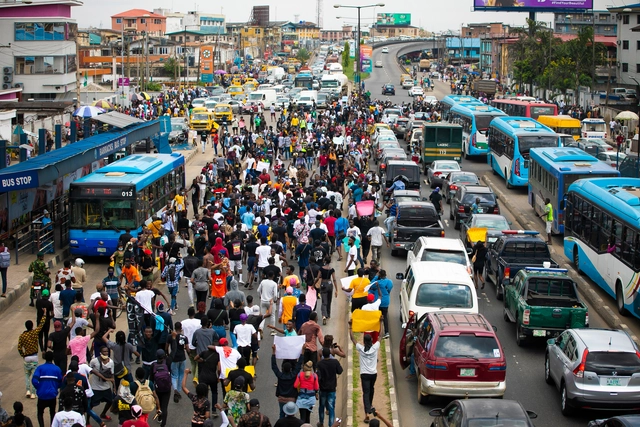
For the past two weeks, cities across Nigeria were hit by protests against the notorious Special Anti-Robbery Squad (SARS), a police unit setup in 1992 to fight armed robberies. The anti-SARS protesters are calling for the unit’s disbandment, due to its high-handedness, extra-judicial killings, extortion, and numerous human rights abuses.
Tragically, the protests came to a brutal climax on October 20, with the shooting of protesters at the Lekki Tollgate by gunmen believed to be agents of the Nigerian state. This led to casualties, which are currently a subject of controversy: the Lagos State government concedes that two persons lost their lives; groups like Amnesty International insist the figures are much higher.
https://www.archdaily.com/950764/public-protests-and-the-urban-legacies-of-colonialism-and-military-dictatorship-in-nigeriaMathias Agbo, Jr.
Resilience seems to be the topic of much discussion within circles of urbanism today. Though, there is a slight problem. We can’t quite agree on what the term means.
Two definitions seem to be floating about. The first rooted in material science. The second, in ecology.
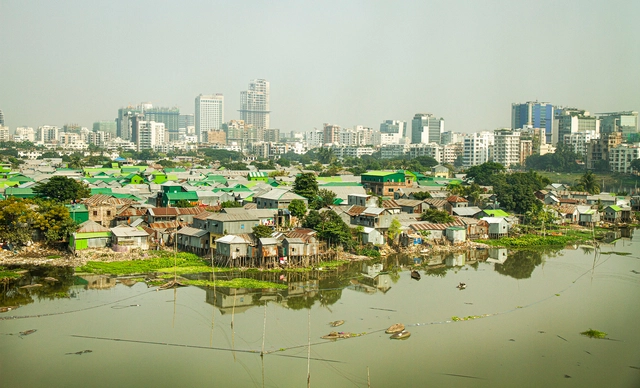
Bangladesh, Dhaka, Korail slum settlement in city centre. Image Courtesy of UN-Habitat
Across the globe, ever since 2014, every year on the 31st of October, World Cities Day is celebrated. To mark this event, UN-Habitat has released its World Cities Report 2020 on the value of sustainable urbanization, focusing on the most up-to-date and pressing topics. Analyzing the intrinsic value of cities in generating economic prosperity, mitigating environmental degradation, reducing social inequality, and building stronger institutions, the report highlights how together these can drive transformative change.
More than 55% of the world’s population lives in cities, with that number only expected to increase in the coming decades. Despite the rising population in urban areas, local governments continue to raise flags about inadequate infrastructure and the declining quality of life that cities are facing. Perhaps the large scale problems that we typically categorize as urban innovation, inclusion, and infrastructure, can be solved if we get to the root of the smaller troubles, that we may not even know existed. It’s time to take urban issues off the back burner and improve cities not just for today, but for the long term future.
Over the past week, I’ve seen at least two largemainstream press articles on climate migration, and as more people seem to be tossing around their next move locale—something between North Dakota and anywhere else with the word “north” it. Often, in a simplified, single-issue flattening of the full-range of shifts happening around us.
Videos
Gary Chang in his Domestic Transformer. Image Courtesy of Edge Design Institute
Compact living units have become the norm in most big cities across the globe. High density and the value of land in urban areas has made it mandatory for most developments to take full advantage of the buildable area. The result is homes that are increasingly smaller. Hong Kong is probably the most extreme case – with roughly three-quarters of the land preserved, the portion left for housing accommodates more than 7 million people in one of the densest urban environments on Earth.
We recently had the opportunity to talk with architect Gary Chang, founder of the Hong Kong-based Edge Design Institute, about his vision of compact living, small-scale architecture, flexibility, and the future of our cities.





Proloog_SeoulValleyAerial-1200px.jpg?1606728853&format=webp&width=640&height=580)
Proloog_InsideOutside-1200px.jpg?1606728842 "Courtesy of Proloog")
Proloog_websize-1200px.jpg?1606728874 "Courtesy of Proloog")
HenningLarsen_OfficeRooftopTerrace-1200px.jpg?1606728811 "Courtesy of Henning Larsen")
Proloog_SeoulValleyAerial-1200px.jpg?1606728853)