Cities need to prepare for a wave of declining houses of worship. While faith institutions, at least the Christian ones, have been asking WWJD (What would Jesus do?), municipalities need to get them to ask another question: WWJJD (What would Jane Jacobs do?). Doing so might lead to a new model for true community houses of worship.
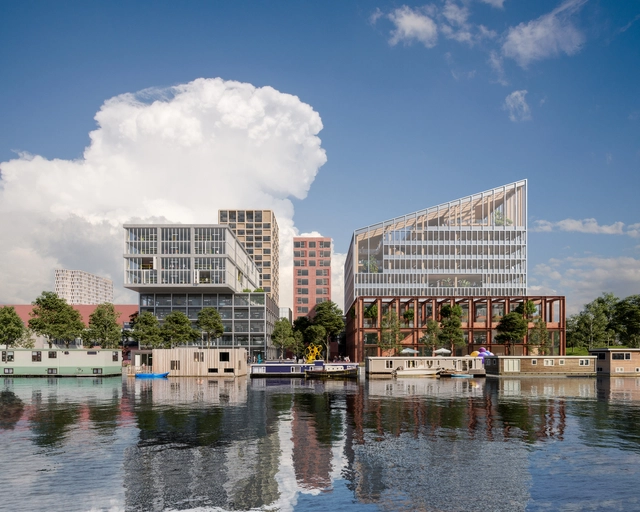
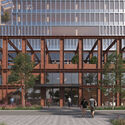
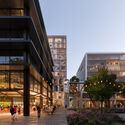
Designed by Mecanoo, Amstel Design District is a mixed-use development that includes social housing, mid-rent residential spaces, private sector homes, and collective facilities. The 80,000 square meters master plan also provides spaces for creative offices and retail, along with cultural institutions such as the 800 square meters design museum. Located between the highway and the metro line, the project responds to site constraints and concerns about noise pollution by creating a composition of stacked volumes with setbacks. This allows for the creation of comfortable public spaces in between the buildings as pocket parks and plazas.
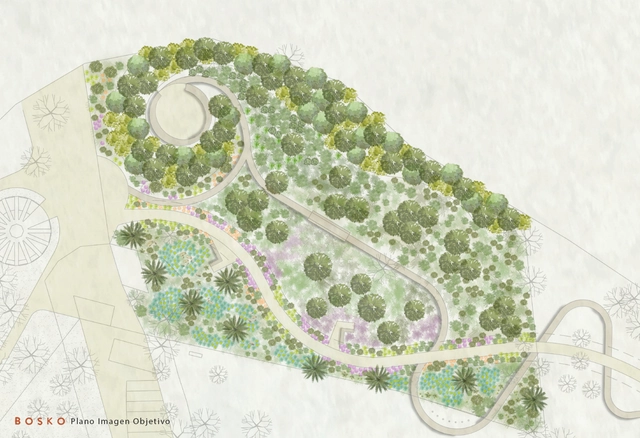
Jardín Nativo Adriana Hoffmann, Museo Interactivo Mirador (MIM) en Santiago de Chile. Image Cortesía de Bosko
During the 19th century, efforts to improve the quality of urban life focused on creating gardens and parks, marking the beginning of the evolution of landscaping as a modern discipline. However, despite remarkable examples worldwide, excessive structure and artificiality in urban parks have gone against the motivations that gave rise to them. In many cases, their design has resulted in decontextualized and inefficient public spaces that are highly demanding on resources and far from being truly sustainable.
The strict use of geometry and the imposition of species that are difficult to adapt and care for are gradually giving way to a more organic approach to landscaping, tailored to local ecosystems and more efficient in its development and conservation. Native forests embody all these positive aspects. They not only ecologically restore degraded areas but also improve air quality and retain rainwater, creating biodiverse green spaces that deeply connect people with nature. We spoke with Magdalena Valdés, founder and director of Bosko, who explains why native forests are the right path towards conscious and truly ecological landscaping.
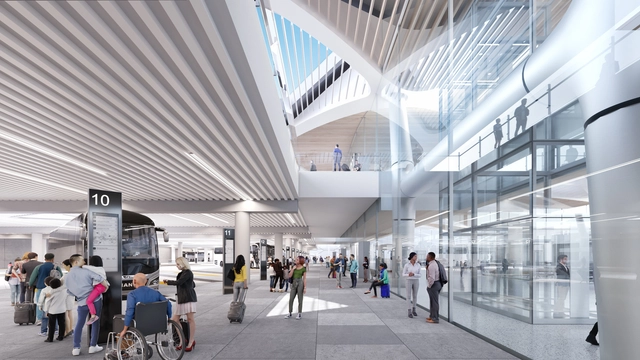
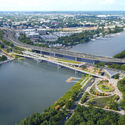
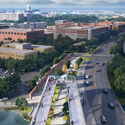
Union Station Expansion Design. Image Courtesy of Grimshaw
Cities that rely on the use of private cars experience a variety of problems- long commutes to and from work, endless traffic jams, and an increase in pollution. While it seems like cars are the most reliable option to take us from place to place, city planners are frequently promoting the benefits of public transit, and the development of communities that are centered around many forms of public transportation. Many cities are growing faster than they were initially planned. As a result, roadways have expanded, land is being transformed into massive parking lots, and connections between communities are growing farther apart.
Dramatic societal transformations- such as pandemics and technological advancements - call for dramatic shifts in lifestyles. Architects keep up by exploring and proposing new models of housing, each iteration catering to society’s latest needs. The co-living model is one such example that has become a roaring success over the past few decades. Redefining the way people live, co-living seeks to provide a form of cost-effective social housing. Although widely targeted at younger generations, the co-living industryis evolving to cater to various niche groups.
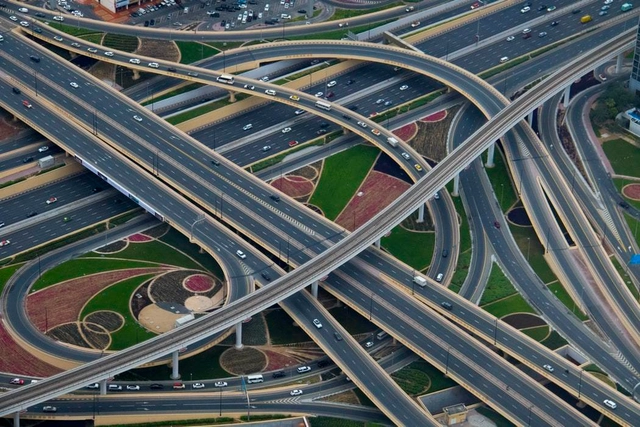
Countries around the world have urban, suburban, and rural problems- and it’s all connected by the problem itself. There are too many highway systems. In some cities that are notoriously known for their traffic jams, like Los Angeles, Minneapolis, and Atlanta, there are almost five miles of road per every 1000 residents. This has also impacted how some forms of public transit, like rail cars and busses, operate, significantly reducing their efficiency. So why do we build these superhighways, and how can we fix their congestion?
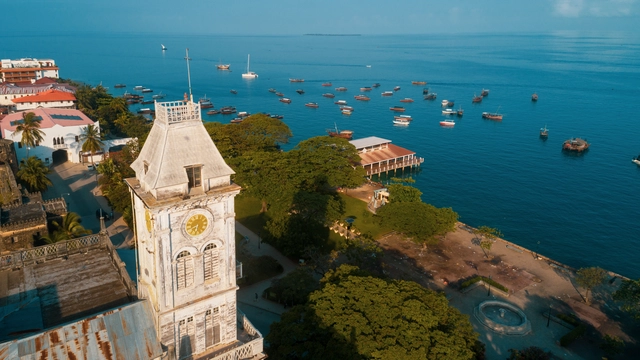
Light — how we perceive the world around us — is an integral, emotive architectural element. Access to light is enhanced and limited in an architectural capacity globally, with architects of expensive tropical dwellings celebrating sunny vistas with expansive glazing, while a wide range of art galleries reject light in its natural form, eliminating it in adherence to the sensitive exhibit requirements of art pieces. Light in an architectural and urban sense is also highly symbolic, evident in the many metropolises of our world, but where this symbolism takes on an interesting dimension is in the archipelago of Zanzibar.
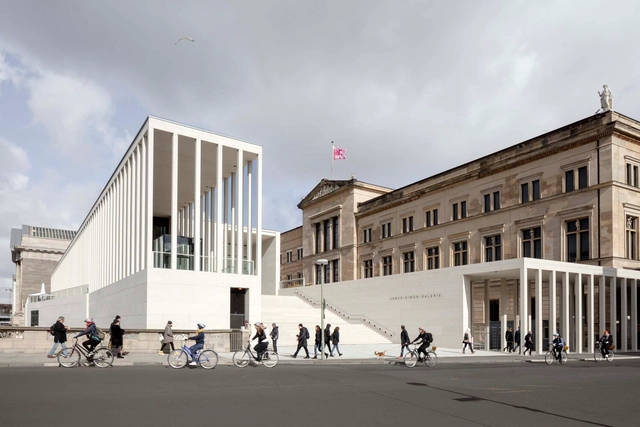
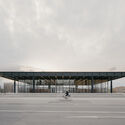
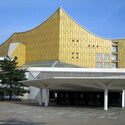
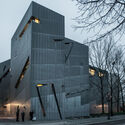
While the city of Berlin has a long history, dating back to the 13th century, its architecture and urban fabric has undergone the most significant changes during the last century, reflecting the impact of major historical events that took place in the German capital. During the early 20th century, Berlin transformed into a modern metropolis, marked through the construction of grand buildings and imposing structures to demonstrate the city’s growing economic and political power. The 1920s and 1930s saw the emergence of the Modernist movement, which, together with the Bauhaus school of architecture founded in 1919, influenced the image and urban fabric of Berlin.
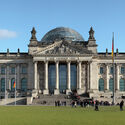
During the Second World War the city was heavily bombed, resulting in the destruction of many historical buildings. During the post-war period, reconstruction efforts focused on rebuilding infrastructure and housing, while the city remained divided until 1989, with the fall of the Berlin wall. After this period, Berlin witnessed a renewed interest in architecture and urban design. Interventions such as David Chipperfield’s Neues Museum aimed to rebuild historical monuments without erasing the markings of their difficult past. Other projects such as the renovation of the Reichstag had a different purpose. Norman Foster’s intervention intended to keep the image of this building but change its symbolism from a structure representative for the Nazi regime to one embracing the ideals of democracy and equality.
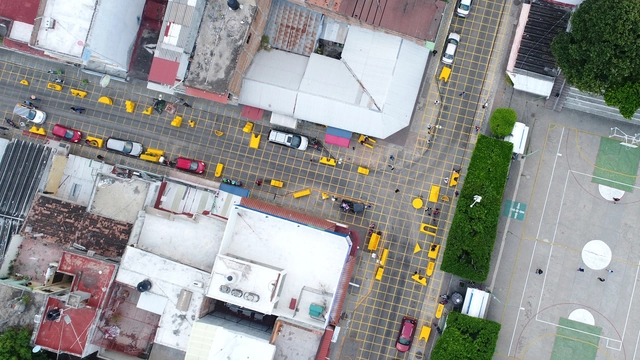
As part of a new initiative of the multidisciplinary laboratory based in Mexico, dérive LAB presents "Shared Streets", a project with a focus on urban design that seeks to spatially transform the street so that it is governed by human relations, rather than using traffic control devices; this suggests that the street is not only a space for transportation and mobility but one in which many other social, economic and cultural activities take place.
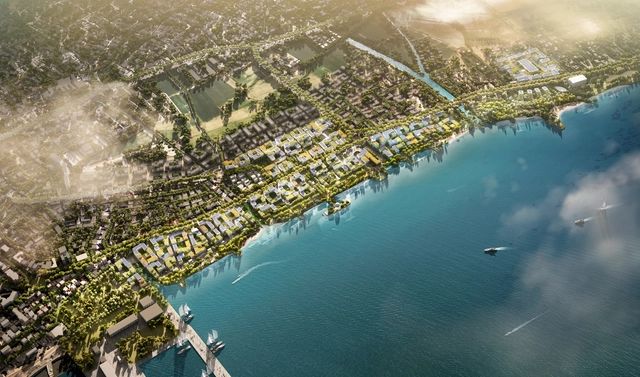
Foster + Partners, working in collaboration with Petrolina Group, has revealed the design of a new master plan to transform the seafront of Larnaca, Cyprus, into a sustainable and enjoyable area for the city residents, future generations, and new visitors. The resort town of Larnaca aims to redesign one of its main arteries, the Larnaca-Dhekelia Road, to become more pedestrian-friendly, along with its seafront. Foster’s proposal aims to enhance the land’s ecological value and to double the length of the waterfront accessible to the public.
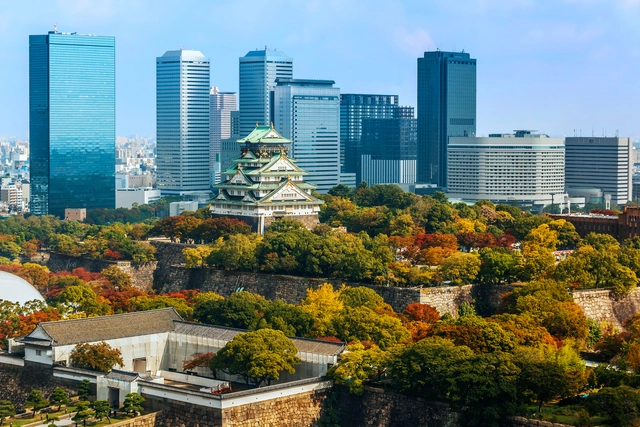
In 2018, the Bureau International des Expositions (BIE) announced that the Japanese city of Osaka won the bid to host the 2025 World Expo, an event expected to draw millions of visitors. The event will open on April 13, 2025, and close on October 13, 2025. This will be Japan’s second time hosting the event, as another World Expo was held in Osaka in 1970. The official theme for this edition is “Designing Future Society for Our Lives.” Architect Sou Fujimoto has been chosen as the Expo Site Design Producer of the event, becoming responsible for designing the master plan and directing the designers of the participating countries. As of March 24, 2023, 153 countries and regions and 8 international organizations have officially confirmed their participation in Expo 2025 Osaka, Kansai, Japan.
The simple activity of taking a walk in the evening can easily turn from a relaxing leisurely activity to a dangerous endeavor by removing just one element from the streetscape: public lighting. While not often recognized as defining aspect of urban environments, artificial illumination has played an essential role in defining the character of modern cities. Crime control, the appeal of nightlife, the rise of the shop window, revolutionary movements, utopias, and ideals of social equity are all concepts whose development is tightly linked to the history of public lighting. Technological advancements over the past centuries have continuously shaped the appearance and symbolism of streetlamps. Still, the this element has remains a constant throughout its history.
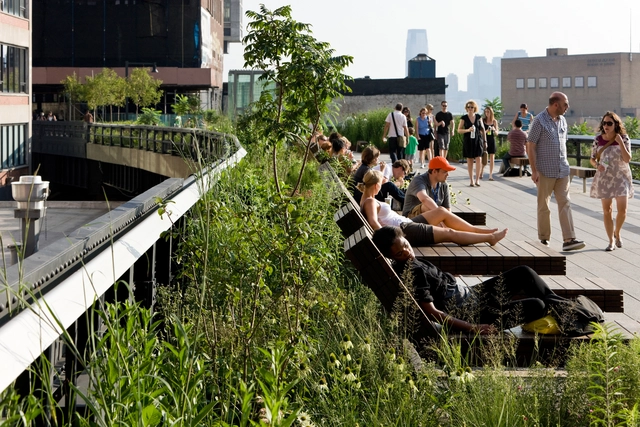
“How do we ensure new parks don’t cause ‘green gentrification,’ which can lead to the exclusion and displacement of underserved communities? How can we ensure we don’t displace the communities that new parks are meant to serve?,” asked Dede Petri, CEO of the Olmsted Network (formerly the National Association of Olmsted Parks), during an Olmsted 200 event.
New parks are meant to be accessible to everyone, but in many urban areas, developer-driven parks mostly attract wealthier Americans. Cities benefit from increased development adjacent to these new parks, bringing in higher tax revenues, but that raises questions about whether these spaces can, in effect, lead to community displacement.
https://www.archdaily.com/997686/new-strategies-for-preventing-green-gentrificationJared Green
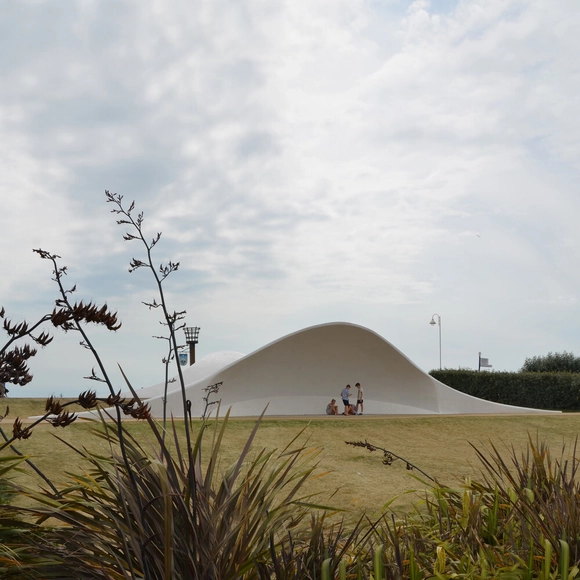
Acoustic Shells / Flanagan Lawrence. Image Courtesy of Flanagan Lawrence
Have you ever considered the sounds of cars and buses whizzing down the road as you walk downtown? Or the feeling you get when heading toward the theater? Each scenario has a certain something that appeals to big-city living. Streams of music wafting from the window, people having conversations, horns honking, and people running to their next destination are pieces of a city no one can deny — they make up the foundation of urban living.
Although big-city living offers many excellent benefits, there are times when peace and quiet can be a welcome respite to everything going on. Sometimes, people want to get away and bond with nature without driving for miles.
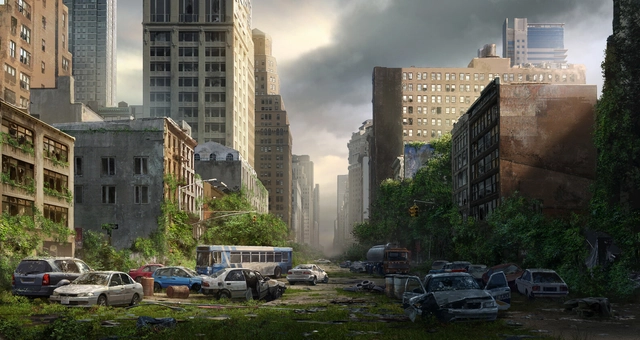
We’re all familiar with the plot of a movie that occurs in a city still standing in a post-apocalyptic era. The streets are empty, except for a few survivors who wander aimlessly, searching for signs of life. Buildings begin to crumble and rust away after years of neglect, public transportation sits idle, and overgrown weeds spring from the cracks in the unmanaged sidewalks and streets. The scene feels eerie because we can’t imagine letting our physical environment sit in decay. It seems impossible that our built environments where we live and work each day suddenly fall silent. It’s a city without a pulse.
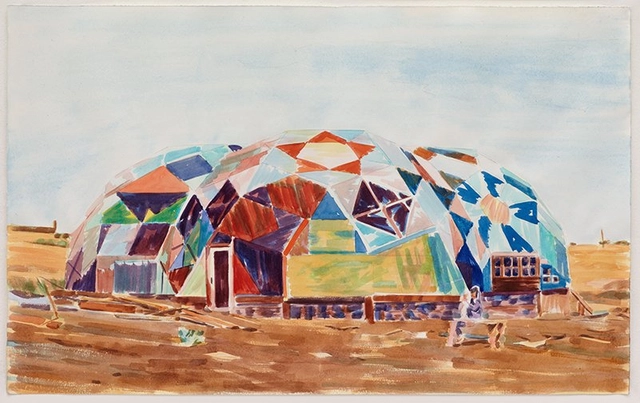
The Law of Polarity holds good in relation to human society and cultures as well - everything has an opposite. Countercultures have erupted as condemnations of “the ways of the world”. A countercultural movement expresses the ethos and aspirations of a population during a specific time. As new lifestyles are explored, supporting architecture evolves to satiate the utopian ideals of new societies. Architecture is a product of the culture it is designed for.
Infrastructure is widely known by the population in general, defined simply as a set of fundamental services for the socio-economic development of a region, such as sanitation, transportation, energy, and telecommunication. The commonly presented examples always refer to man-made physical structures. However, a new concept of infrastructure has emerged in recent decades, driven primarily by the urgent need for reconciliation between humans and nature for the survival of species.
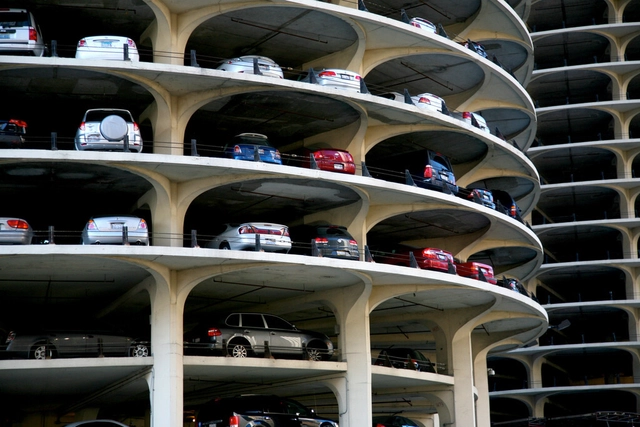
For every car that drives on the road, we need to find a place to put it- but are parking garages the answer? Parking garages are often seen as the antithesis of people-friendly urban planning. Large gray boxes are used solely to store cars that make temporary visits and seem like a poor use of space, especially in cities where land comes at a premium. Because of these garages, urban cores have quickly been transformed into parking districts, where vehicle storage dominates the aesthetic of a business district. Building codes only contribute to the problem, where the number of spaces is passed down as a mandate, even spreading out into suburban areas. Parking garages are everywhere- flanking shopping malls, connecting to residential towers, and surrounding sporting venues.