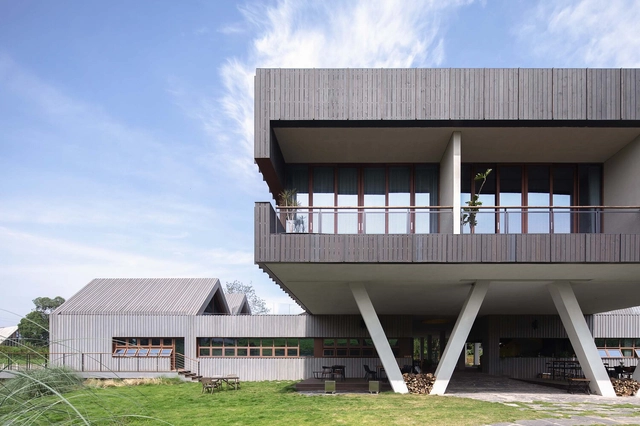





-
Architects: WT Architects
- Area: 5000 m²
- Year: 2022
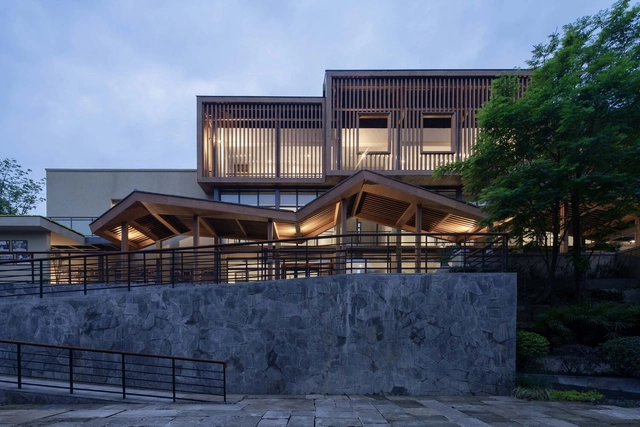
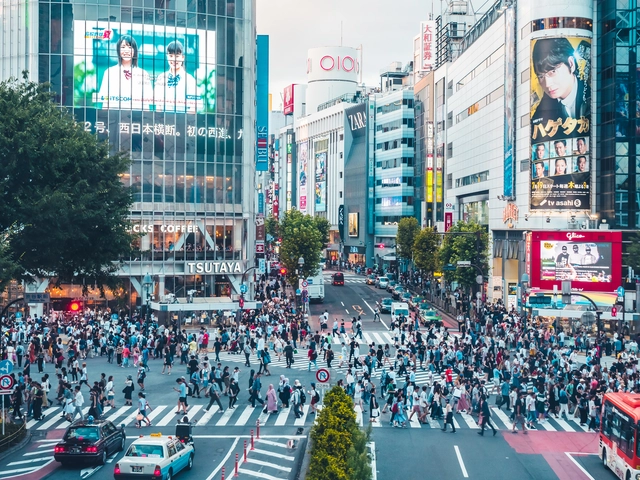
Half of the world’s population now lives in cities, according to UN-Habitat’s latest reports. While this number is set to increase to two-thirds by 2050, urban challenges are growing exponentially, making it more crucial than ever, to transform our cities. Annually, the world population review assesses the growth of cities and the number of residents living in metropolitan areas, to understand global evolution trends. In 2022, the list of the top 20 most populated countries remained similar to the 2021 edition, with a slight change in numbers and positions. Tokyo kept its status as the world’s largest city, with 37 million inhabitants, while Delhi and Shanghai, followed in second and third positions.
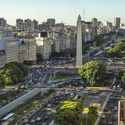
Comparing the results to the 2021 edition, the only decrease that can be seen in the top 20, involves both Japanese cities, Tokyo and Osaka. The rest of the list had, on average, a growth of 1.8% in the total of people residing in metropolitan areas. In fact, African cities Kinshasa in the Democratic Republic of Congo and Lagos in Nigeria gathered the highest rates, with respectively a 4.39% and a 3.54% increase in residents in 1 year. The largest city in the American continent is still Sao Paulo in Brazil, followed closely by Mexico City and Buenos Aires in Argentina, further down the table. In Europe, Istanbul is the most populous, with more than 14.5 million residents.
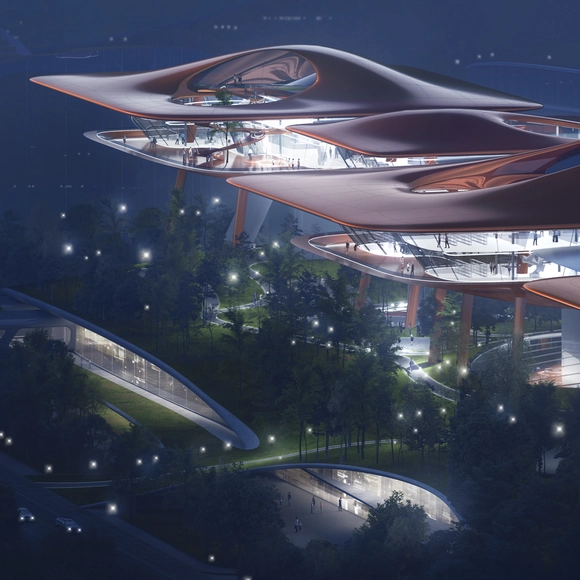
Led by Ma Yansong, MAD Architects and the China Academy of Building Research (CASR) have won an international competition to design the Cuntan International Cruise Center in Chongqing, China. Currently a cargo terminal, Gantry Crane will become a 65,000 sqm international cruise terminal and city complex, featuring a 15,000 sqm cruise port and over 50,000 sqm of commercial spaces.
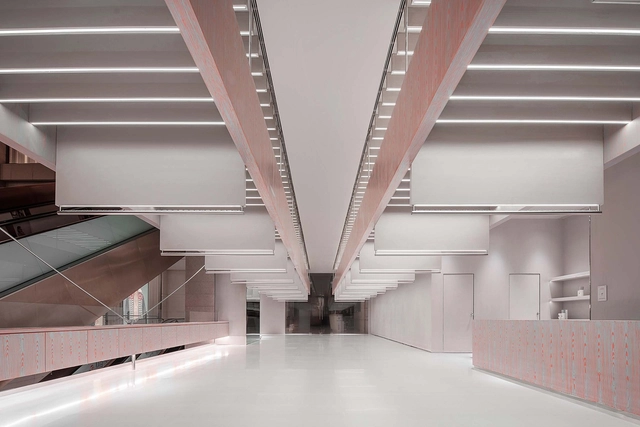

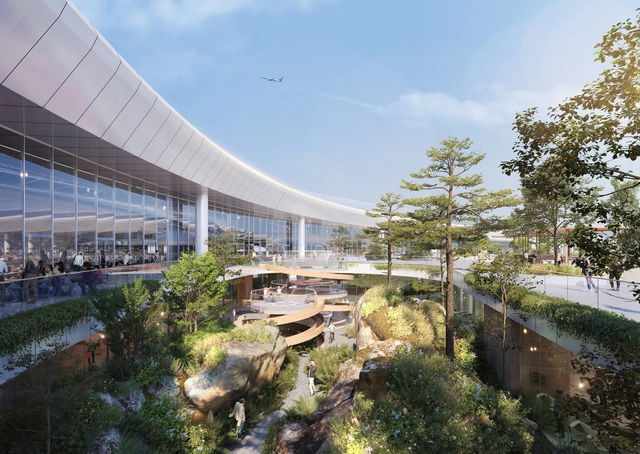
Nordic Office of Architecture won the interior design competition for the new Chongqing Jiangbei International Airport Terminal 3B in China with a concept that integrates experiential programmes and references the identity of the Chinese city. Created in collaboration with UDG, ADC and Lichtvision, the project aims to facilitate intuitive wayfinding while providing travellers with a series of interactive spaces and attractions along their journey.
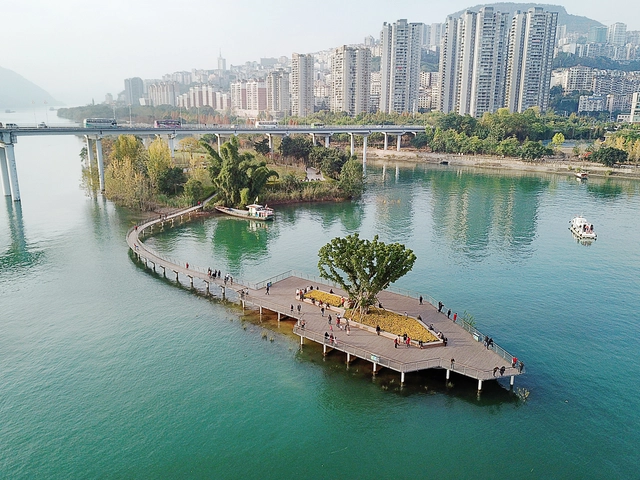
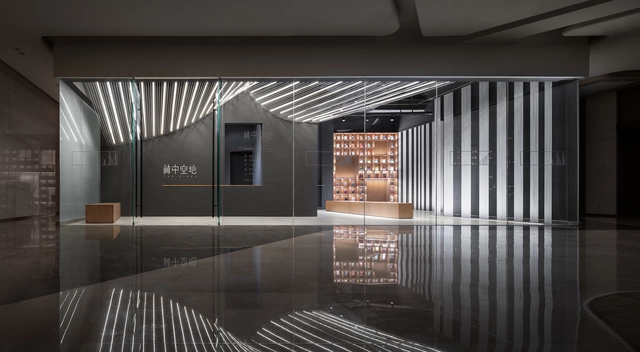
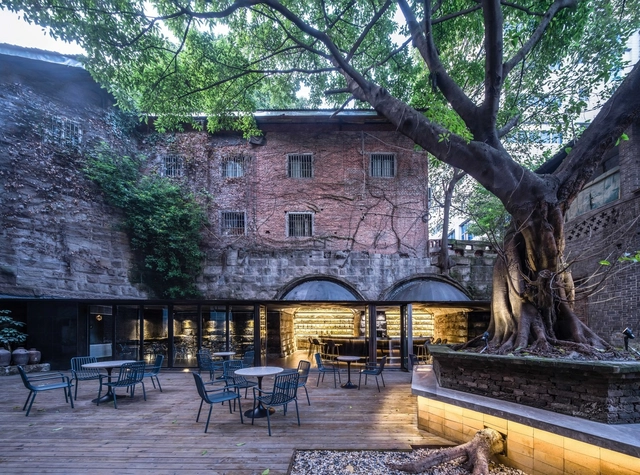
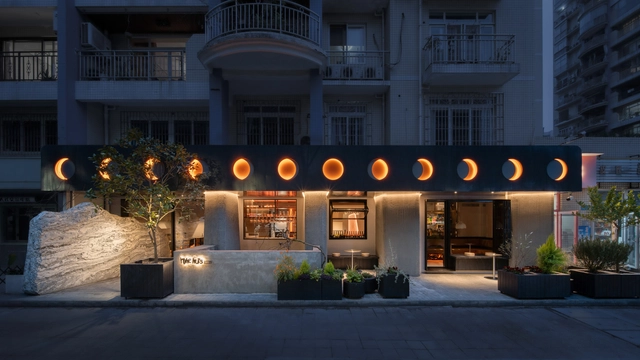
Both tea and alcohol in traditional China were similarly aestheticized, and both influenced the language of literature and art. People used to exchange alcohol as a gift in a way that they later would with tea. Today, more and more cities in China have embraced this drinking culture that passed down from generation to generation, and reinterpreted with a new contemporary fashion, which is constantly evolving in the urban cafes and bars.
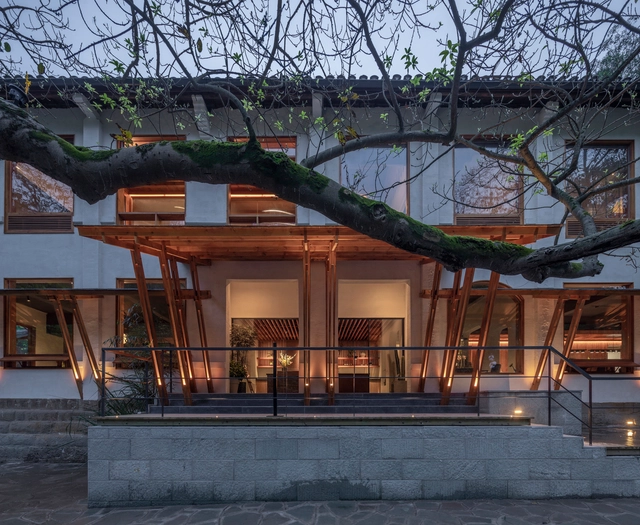
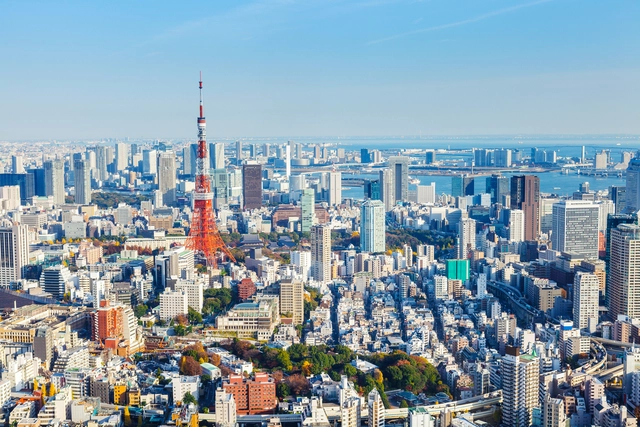
According to the United Nations’ latest report on populations in cities, by 2030, “urban areas are projected to house 60 percent of people globally and one in every three people will live in cities with at least half a million inhabitants”. Growing in both size and number, cities are hubs of government, commerce, and transportation, and in 2021, the world’s 20 largest cities are home to half a billion people. In fact, one in five people worldwide lives in a city with more than 1 million inhabitants.
Below, we have rounded up the top 20 megacities in the world of 2021, according to the number of people that live in their metropolitan area. While Tokyo is the largest city on a global level, with a total of more than 37 million residents, the majority of the most populous cities in the world are in the two most populated countries, China and India. Among these, we have 5 metropolises in China, Shanghai, Beijing, Chongqing, Tianjin, and Guangzhou, and 3 in India, Delhi, Mumbai, and Kolkata. The largest city in the American continent is Sao Paulo in Brazil with 22 million people, followed by Mexico City and Buenos Aires in Argentina. Istanbul takes the 13th position with one part of the city lying in Europe and the other part in Asia.
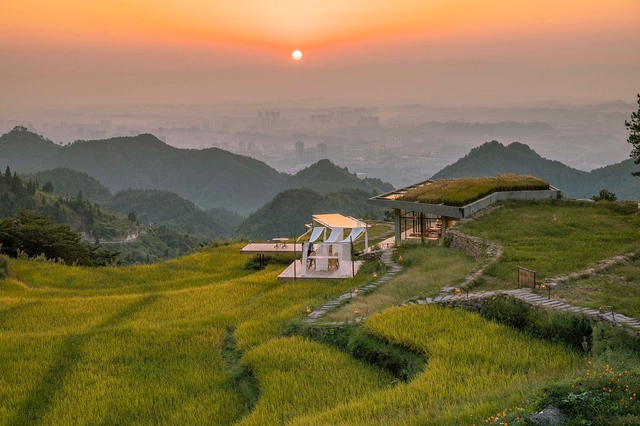
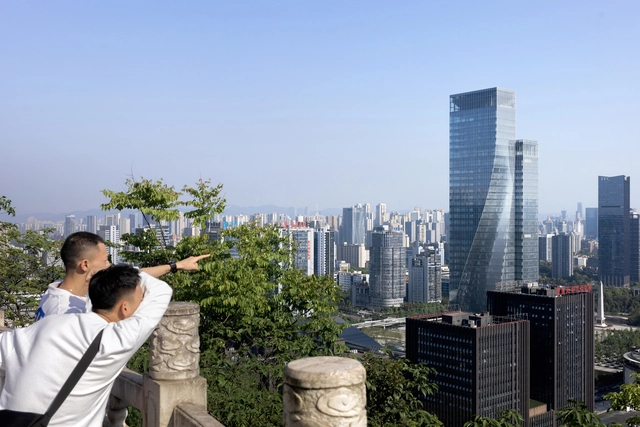


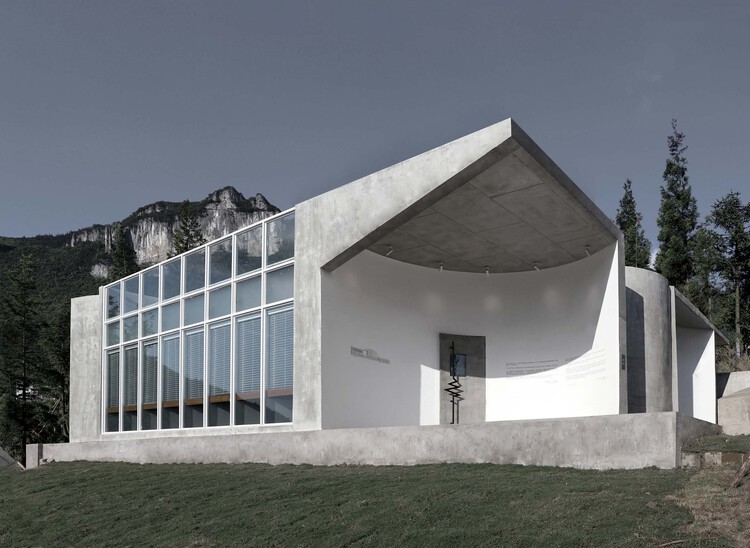


_1.jpg?1651061486 "day view exterior. Image Courtesy of WT Architects")

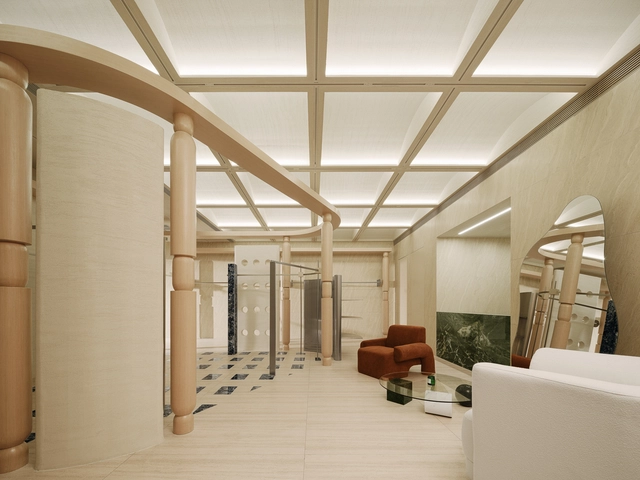
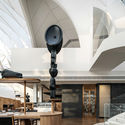
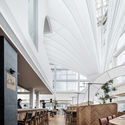
_1.jpg?1651061427 "interior. Image Courtesy of WT Architects")
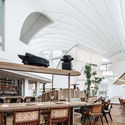
.jpg?1651061434 "interior. Image Courtesy of WT Architects")



_COURTYARDS_BETWEEN_WALLS__苏圣亮_Shengliang_SU.jpg?1639529746 "courtyard between walls. Image © Shengliang Su")













.jpg?1612787187 "aerial view. Image © Weiqi Jin")
.jpg?1612786692 "StrayBirds B&B seen from swimming pool . Image © Weiqi Jin")
.jpg?1612787161 "Outdoor terrain and shallow pool on 1st floor of StrayBirds B&B. Image © Weiqi Jin")
.jpg?1612786881 "B&B area. Image © Weiqi Jin")
