
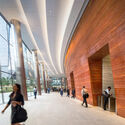

-
Architects: Pickard Chilton
- Area: 1080000 ft²
- Year: 2017
-
Professionals: Magnusson Klemencic Assoicates, Alvine Engineering, OJB Landscape Architecture, Lend Lease
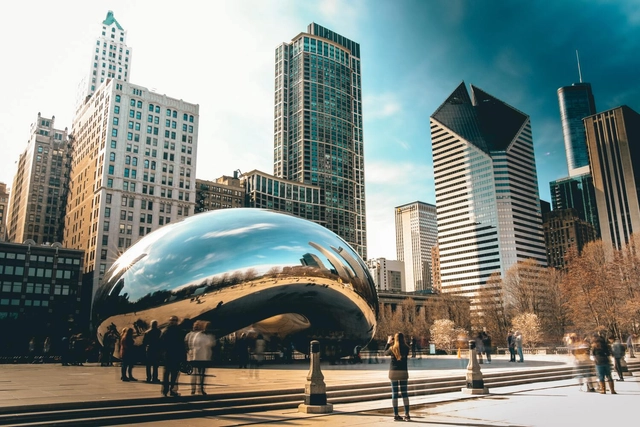
Chicago, The Windy City, Chi-Town, or The Second City. It’s a place that is known by many names, but to architects and urban planners alike, it’s famous for its history which has given us some of the best-known buildings and important advancements that have helped to shape other cities across the United States. From its inception, Chicago has long served as an architectural hub for innovation.
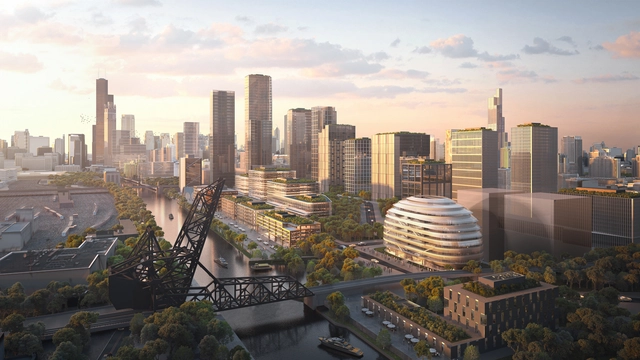
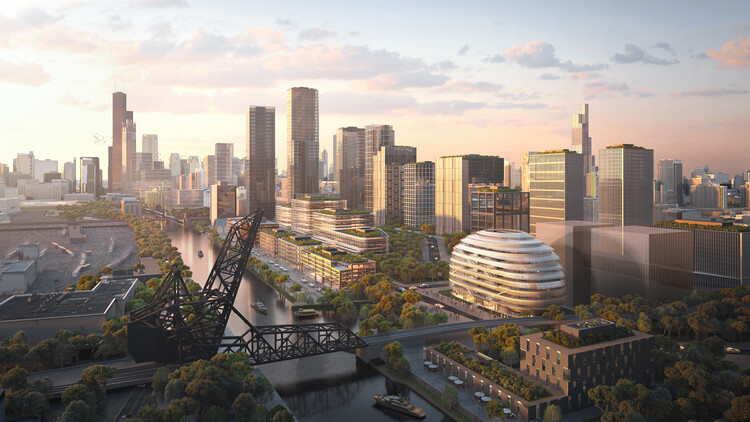
Architecture offices OMA, led by Partner Shohei Shigematsu, and Jacobs have unveiled the design for the new headquarters for the Discovery Partners Institute, part of the University of Illinois System. The building is planned to anchor an innovation district at “The 78”, along the Chicago River. The eight-story building, located on a one-acre site southwest of the Loop, will provide more than 200,000 square feet of office, classroom, lab, and event space for DPI and its university and industry partners.
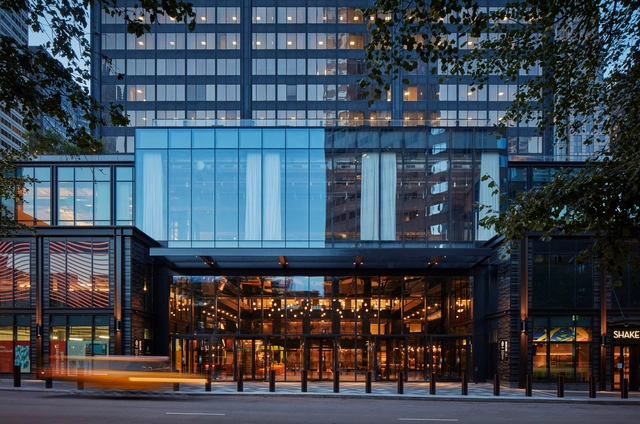

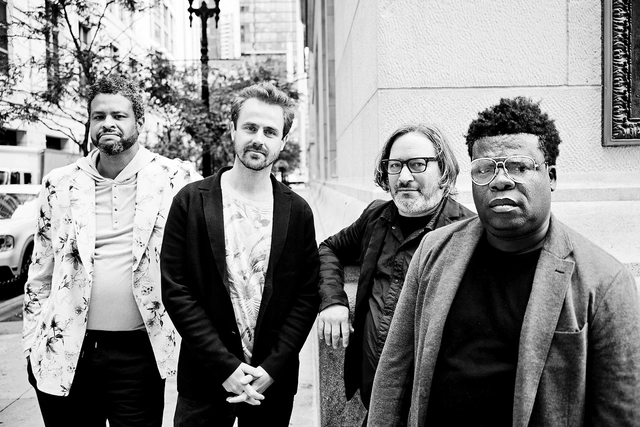
The Chicago Architecture Biennial (CAB) has announced the art collective Floating Museum as the leading artistic team of CAB’s fifth edition, opening in September 2023. For this edition, titled “This is a Rehearsal”, the Biennial explores environmental, political, and economic issues present in today’s society, yet addressed differently around the world through art, architecture, infrastructure, and civic participation. The Floating Museum, a collective of artists, designers, poets, and educators, aims to push the CAB 5 exhibition and program model to prioritize presenting innovative ideas that could shape the future of architecture and design.


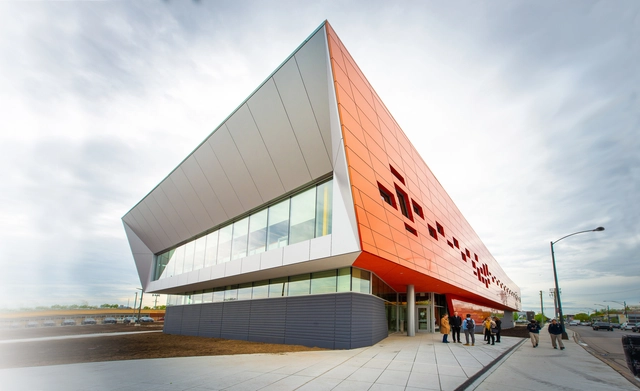
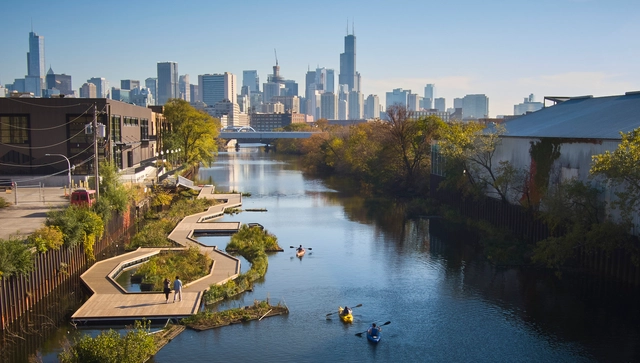
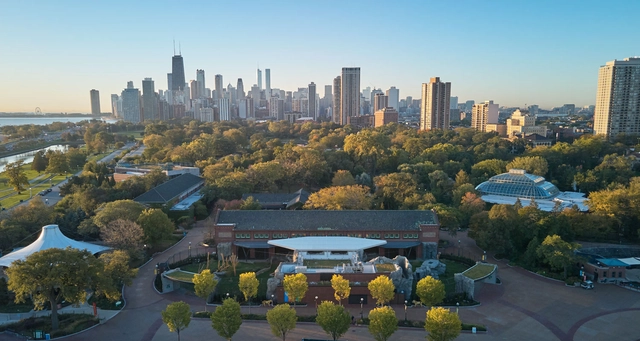
Chicago Mayor Lori Lightfoot and the Department of Assets, Information and Services (AIS) has announced that by 2025, all city-owned buildings and facilities in the city will be fully operated with clean, renewable energy. At the moment, Chicago is one of the largest cities in the United States to reduce the city’s carbon footprint at such a scale, and has already began the process of transitioning its transportation busses and cars to all-electric vehicles by 2035. The agreement demonstrates the city's plans to "drive high-impact climate action, build the clean energy workforce of the future, and equitably distribute meaningful benefits to foster the local clean energy economy for all.”


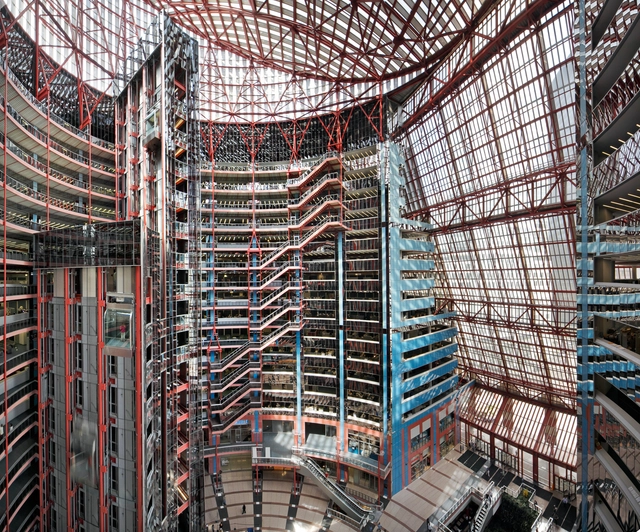
Google has just announced that the company plans to occupy the famous postmodernist icon, the Thompson Center, by 2026 after major renovations works. The building that was under threat of demolition for a while will be renovated by JRTC Holdings LLC and Jahn's architecture studio to meet Google’s needs for its flexible hybrid workforce and to accommodate the tech giant’s 1,800 employees in Chicago.
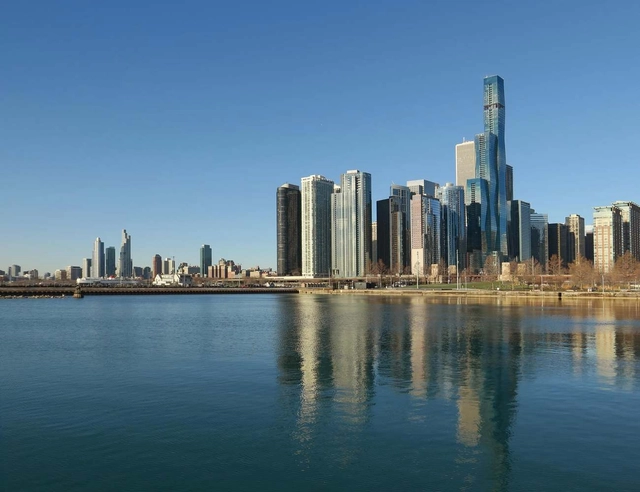
In his latest photo series, Paul Clemence turns his lens towards the newest addition to Chicago’s famed skyline: the undulating shapes of St. Regis Tower, formerly known as Vista Tower. Designed by Studio Gang, the 101-story supertall skyscraper makes its mark as Chicago’s third tallest building. Despite its size, the volume appears slender due to the flowing rhythm that defines its three nested towers.
The tower aims to enhance rather than disrupt its surrounding urban fabric. Sitting between downtown Lakeshore East Park and the Chicago Riverwalk, the careful design of the lower levels allows for a porous connection between the two attractions. Innovative structural systems are implemented to achieve this by completely elevating the second volume from the ground.
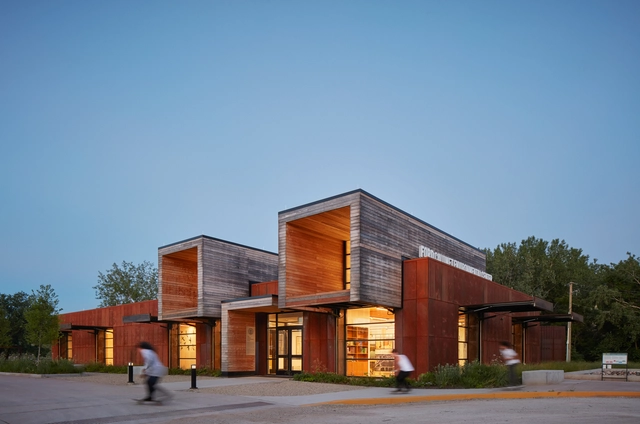

This article was originally published on Common Edge.
When the estimable Blair Kamin stepped down as architecture critic of the Chicago Tribune in early 2021, it left the city without a daily critic at any of the local news outlets. That sad state of affairs was partially corrected recently, when the Chicago Sun-Times announced that Lee Bey would begin a monthly architecture column. The writer, historian, photographer, and critic brings a wealth of experience to the task: he was architecture critic for the Sun-Times for five years in the late 1990s, served as deputy chief of staff for planning and design in Mayor Richard M. Daley’s administration, directed governmental affairs at SOM, and taught at IIT. His most recent book is Southern Exposure: The Overlooked Architecture of Chicago’s South Side. Last week I talked to Bey about the new role, how the city has changed since his last stint as a critic, and the unique importance of architecture to the city.


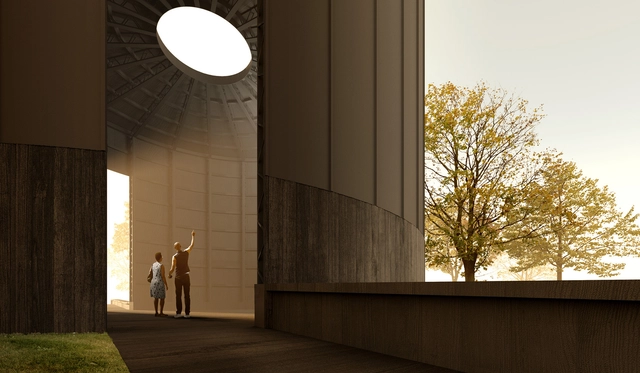
American artist Theaster Gates unveiled his design for the 21st Serpentine Pavilion. Curated for the first time by a non-architect, the 2022 edition named Black Chapel, “will pay homage to British craft and manufacturing traditions”. Realized with the architectural support of Adjaye Associates, the pavilion will open to the public on Friday 10 June 2022, in Kensington Gardens.