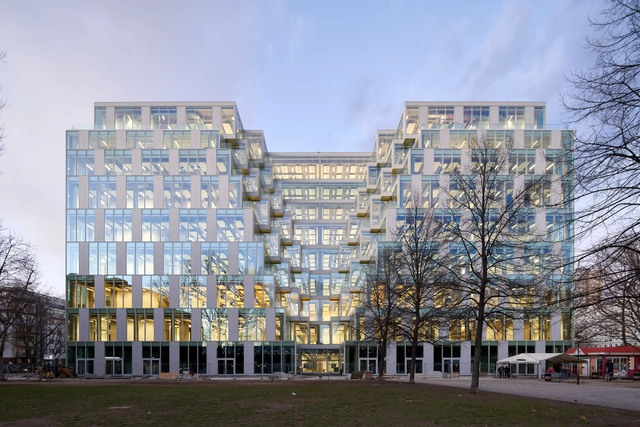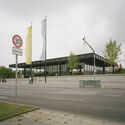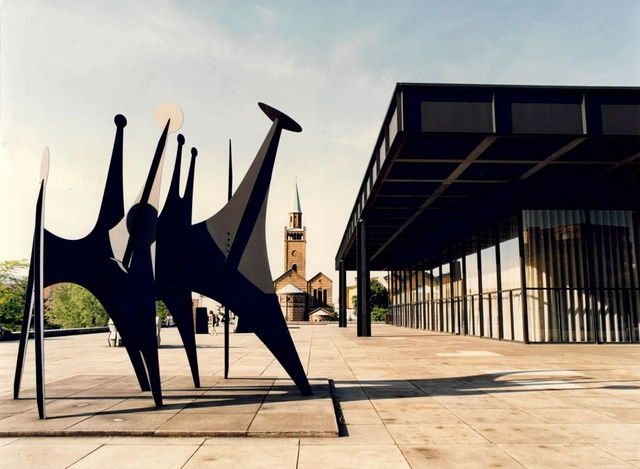
After being closed for six and a half years for a renovation by David Chipperfield Architects, the Berlin museum reopened Sunday, August 22.

After being closed for six and a half years for a renovation by David Chipperfield Architects, the Berlin museum reopened Sunday, August 22.
Questioning the new now, especially with the new challenges of Covid-19, around the world, cities are advocating for structural change and collective action. Berlin questions, an annual, multi-day conference and a platform for transdisciplinary dialogue, in its 2021 edition “Metropolis: The New Now”, tackled the immediate present, creating a place for debate. Dedicated to local solutions to global challenges, the event took on a hybrid format, at various locations in Berlin and online, resembling the world we live in.
ArchDaily had the chance to meet up with Lesley Lokko, architect, academic, and novelist at Berlin Questions, to discuss her talk “Africa as the lab for the future”, her visions for the future of architecture education and the future of big cities on a social, cultural and urban level.
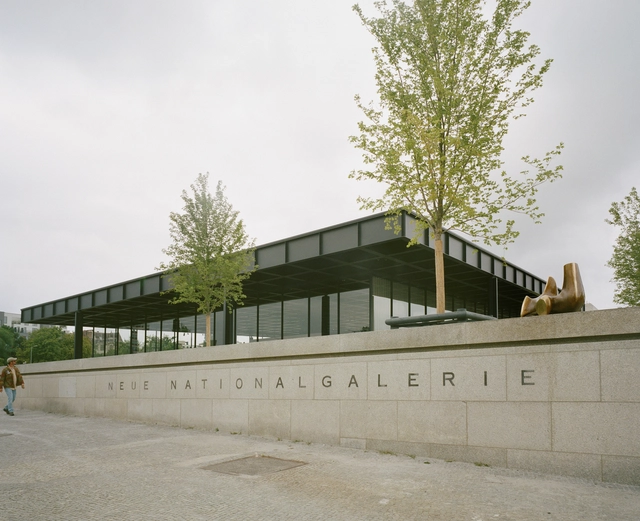
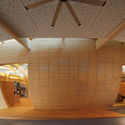
When David Chipperfield was asked about what visitors should expect to see when he concludes the renovation of Mies van der Rohe’s Neue Nationalgalerie in Berlin, he said: “Imagine a 1965 Mercedes. It looks fine, but it’s falling apart on the inside. We want to put it in the shop, take it apart and put it back together again, so when someone turns on the switch - the engine will work.” Due to the ongoing pandemic health regulations, the 2021 re-opening saw a limited number of journalists and visitors to tour alongside Chipperfield and explore the newly-renovated architecture. Editor and photographer Gili Merin had the opportunity to photograph the project during the pre-opening event and interview the world-renowned architect.


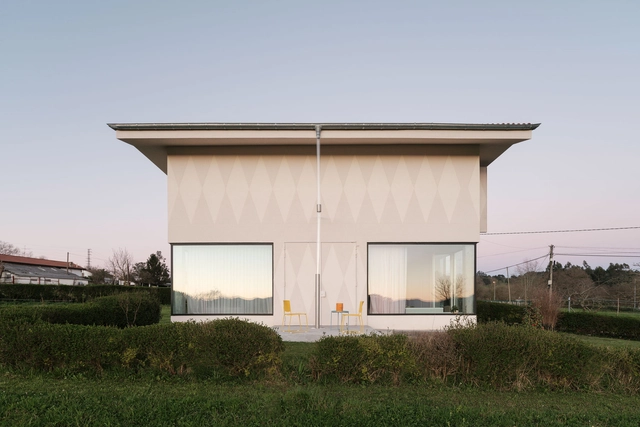
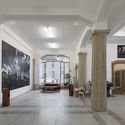
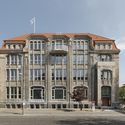
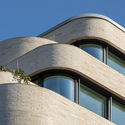
Four emerging architecture studio profiles from Switzerland, Germany, and Spain have been chosen by New Generations, a European platform that analyses the most innovative emerging practices at the European level, providing a new space for the exchange of knowledge and confrontation, theory, and production. Since 2013, New Generations has involved more than 500 practices in a diverse program of cultural activities, such as festivals, exhibitions, open calls, video interviews, workshops, and experimental formats.



This article was originally published on Common Edge.
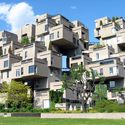
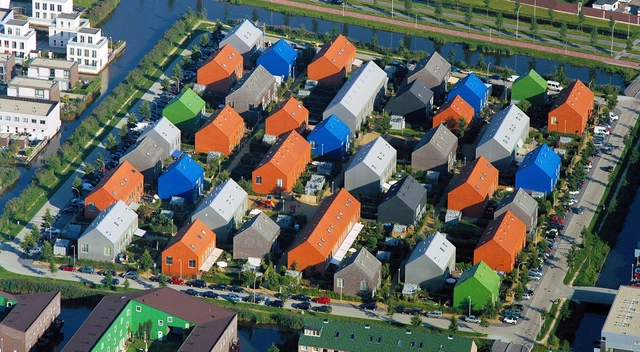
In this week's reprint, author Walter Jaegerhaus explores the U.S. housing challenge, drawing a timeline of the evolution of different architectural solutions, from around the world. Seeking to "inspire designers today to create new housing options", and hoping "that the U.S can again embrace its experimental origins and try out new ideas and methods", the article highlights examples from Europe and the Americas.

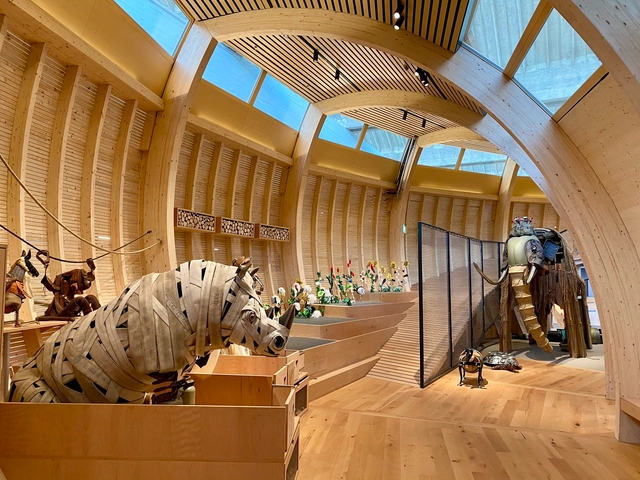
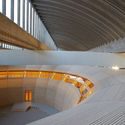
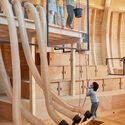
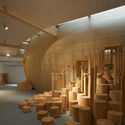
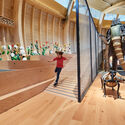
Completed in 2020, amidst the pandemic, ANOHA- The Children’s World designed by Olson Kundig for the Jewish Museum in Berlin is finally opening its doors to the young public. The design reinterprets the myth of Noah’s Ark and furthers the concept and ideas of a similar installation at Skirball Cultural Center in Los Angeles, created by the firm then named Olson Sundberg Kundig Allen. More than a museum experience, the project is a space for community building, a place for imagination and play that enacts a universal story, creating an inclusive environment for children and families of all cultures and backgrounds.

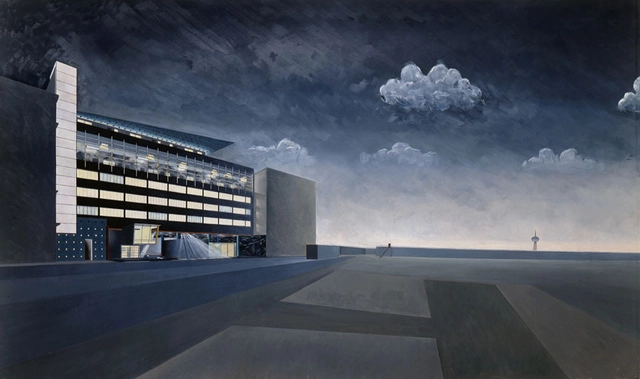
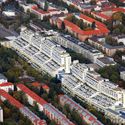
The Berlinische Galerie's exhibition Anything Goes? recounts how a global, contradictory Postmodernism took root on both sides of the Berlin Wall in the 1980s. Florian Heilmeyer in his piece originally published on Metropolis discusses the ambitious exhibition that was able to look simultaneously at both sides of the German city at that time.