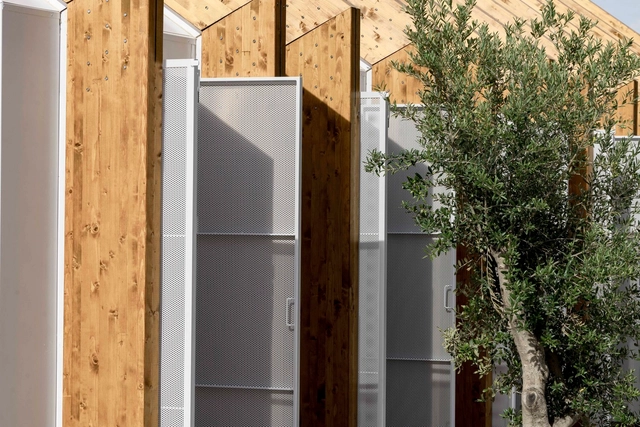
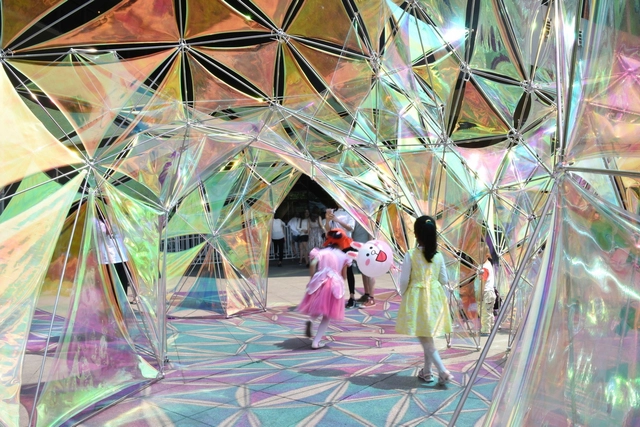
There is an astonishing degree of complexity, order, and beauty in the natural world. Even so, and especially within the realm of living things, nothing is more complex than it needs to be to sustain its existence. Every aspect of the system serves a purpose. If it does not, the unneeded component eventually ceases to exist in future generations. Even with these constraints of resource and energy efficiency, we find boundless beauty and harmony in the natural world. Contrast nature’s “just the right amount of complexity” to the way many architects design buildings today. While nature is only as complex as it needs to be, architects and designers add excessive and inessential complexity to their buildings and landscapes when none is warranted.
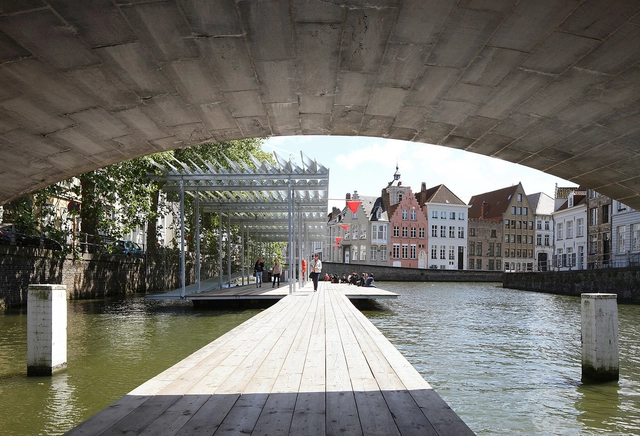
Architecture remains in constant tension with natural forces. Designed around gravity, climate, and time, buildings are always part of larger systems. Throughout the world, designers have tried to mitigate natural forces by constructing hybrid spaces and structures, artificial areas where nature meets the manmade. Embodying this relationship, canals reflect a desire to direct nature and its flows. Today, these fluid spaces are opening up to new programs, projects that explore modern life and urban vitality.
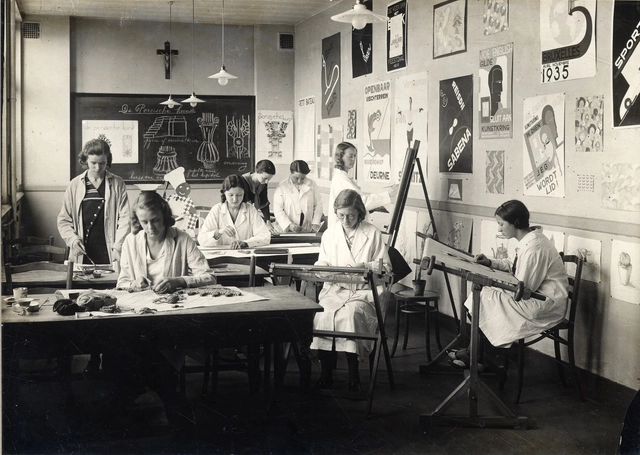
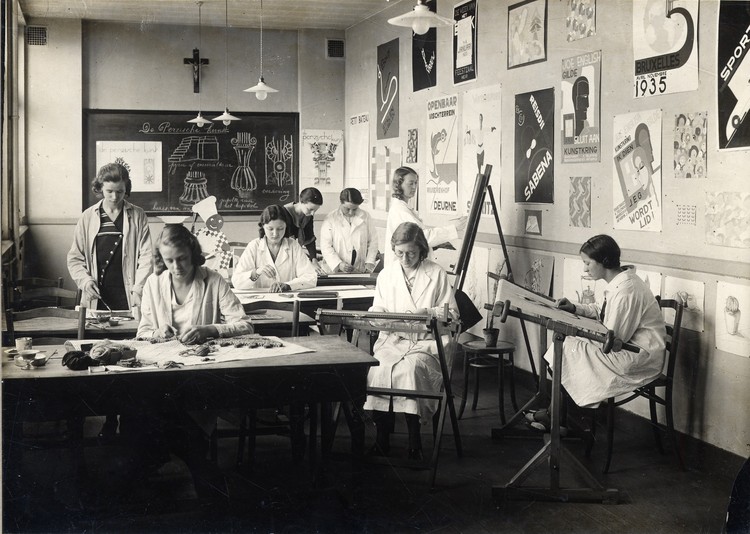
A class photograph with a.o. Martha van Coppenolle at the Technisch Instituut van Sint-Maria in Antwerp, ca. 1930. Collection City of Antwerp, Letterenhuis.. Image Courtesy of Wiki Women Design
The Flanders Architecture Institute has been working to bring “women who have left their mark on Belgium's design heritage out of the shadows”, through Wiki Women Design. Using Wikipedia as a platform, the initiative aims to organize edit-a-thons or writing sessions, to make up for this backlog.
KCAP Architects & Planners have designed a proposal for three round, residential towers on the former Brabantbad site in the Netherlands. The team's project includes slender volumes atop transparent plinths adjacent to Prins Hendrikpark in 's-Hertogenbosch. The park embraces the IIzeren Vrouw, a former sand extraction lake, while also aiming to improve upon the current zoning plan.
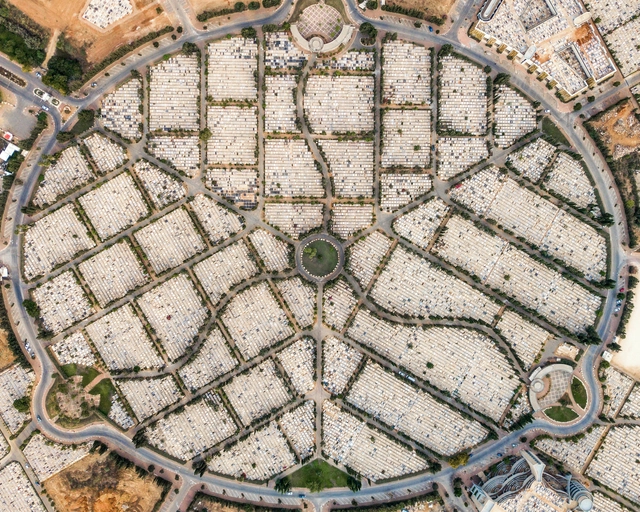
Memento mori is an ancient Latin expression that means "remember that you are mortal." The Roman people used it not to represent a fatalistic approach to death but rather as a way of valuing life.
A few centuries later, as we arrive at our current context and the world reaches the terrifying figure of 2 million deaths as a result of the Covid-19 pandemic, memento mori is more relevant than ever.
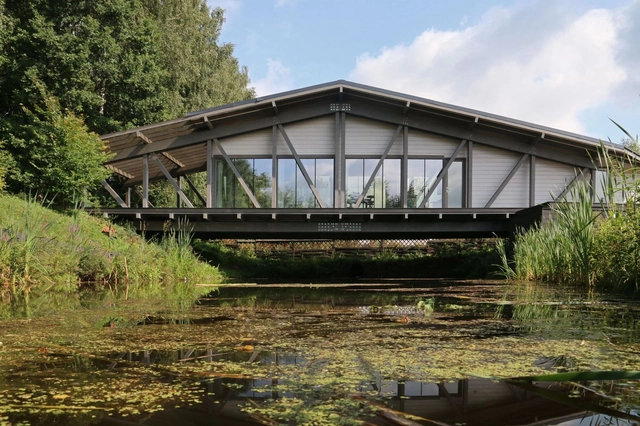
Bridge House / BIO-architects. Image Cortesia de Ivan Ovchinnikov
Metaphorically, building bridges equates to creating new opportunities, connections, and paths. The first bridges likely formed naturally with logs falling across rivers and natural depressions, though humans have also been building rudimentary structures to overcome obstacles since prehistory. Today, technological advances have made it possible to erect bridges that are both impressive and sculptural, playing a key role in transportation and connectivity. Usually needing to overcome large spans, with few points of support, bridges can be quite difficult to structure. But when is the bridge more than a connection between two points, instead resembling a building with a complex program? How can these 'bridge houses' be structured?
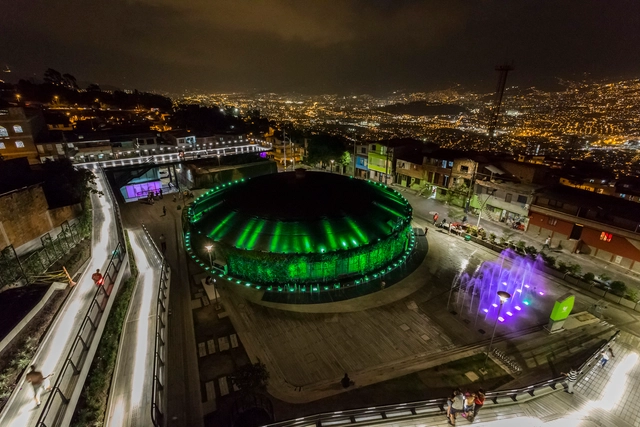
UVA La Esperanza in Medellin, Colombia. Image Courtesy of EPM
Social Urbanism: Reframing Spatial Design – Discourses from Latin America, a new book by Maria Bellalta, ASLA, dean of the School of Landscape Architecture at the Boston Architectural College, is a welcome addition to the growing number of publications on the social justice-oriented form of urbanism, architecture, and public space emanating from Medellín and Colombia. The achievements of social urbanism have rightfully become synonymous with Medellín in the world of landscape architecture, urban planning and design, and architecture.
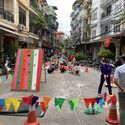
Mobile playground in Vietnam. Image Courtesy of UN-Habitat, Global Public Space Programme
The Un-Habitat or the United Nations agency for human settlements and sustainable urban development, whose primary focus is to deal with the challenges of rapid urbanization, has been developing innovative approaches in the urban design field, centered on the active participation of the community. ArchDaily has teamed up with UN-Habitat to bring you weekly news, article, and interviews that highlight this work, with content straight from the source, developed by our editors.
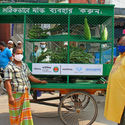
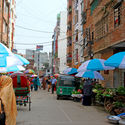
“During this pandemic, public spaces have played a vital role in the health and sustainability of urban communities around the world” states James Delaney, Block by Block chair. In fact, people need to go outside, now more than ever. In order to equip these public spaces to face the challenges of Covid-19, UN-Habitat with the Block by Block Foundation has been supporting ten cities, throughout this past year. With the help of local governments and the community, the initiatives helped covid-proof open urban entities, especially in poor neighborhoods, where there are few shared and green spaces. From creating mobile pop-up playgrounds for children in Hanoi, Vietnam, improving livelihood for street vendors in Dhaka and Khulna, Bangladesh to Covid Proofing of Public Spaces in Bhopalinformal settlements, India, these responses have provided help to those who need it the most.
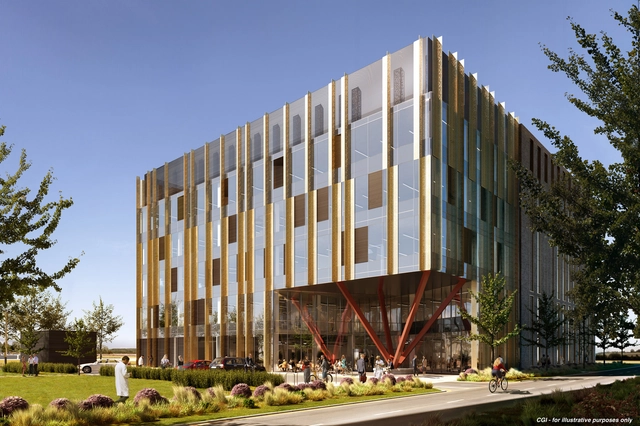
Scott Brownrigg's 1000 Discovery Drive has been granted planning approval from Cambridge City and South Cambridgeshire District Councils in United Kingdom. As the second building of the Biomedical Campus in Phase 2, the project includes 100,000 square feet of net internal area across laboratories and office space. The design aims to form a flexible and adaptable design to drive innovation within the scientific and medical community.
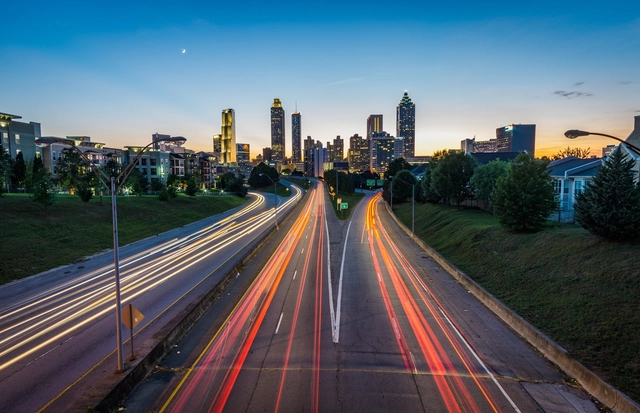
As Covid-19 spread across the globe last year, cities underwent a transformation unlike any we had seen in the last century. The sudden disappearance of both human and automotive traffic as people bunkered down under quarantine was visible in cities worldwide and, astonishingly, continued even after quarantine restrictions were lifted.
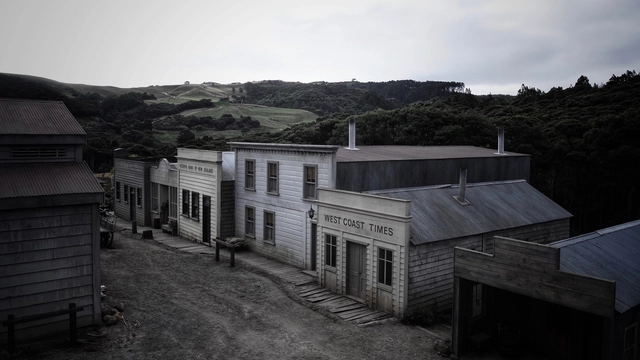
Production designer Felicity Abbott is behind the great staging of The Luminaries, a mini-series that takes place in New Zealand during the 1860s West Coast Gold Rush. In the below interview, she tells us her thoughts on the connection between films and architecture, addressing her work process and the main challenges on this set.
The Chicago Architecture Biennial (CAB) and the Danish Arts Foundation (DAF) have selected Soil Lab as the winning project of a DAF Open Call for a major new commission in the North Lawndale neighborhood of Chicago. Responding to the biennial’s 2021 edition theme The Available City, led by Artistic Director David Brown, the proposal, chosen to represent Denmark at the 2021 Chicago Architecture Biennial, was imagined by an international design team that includes Eibhlín Ní Chathasaigh (Dublin), James Albert Martin (Dublin), Anne Dorthe Vester (Copenhagen), Maria Bruun (Copenhagen) and Chicago residents.
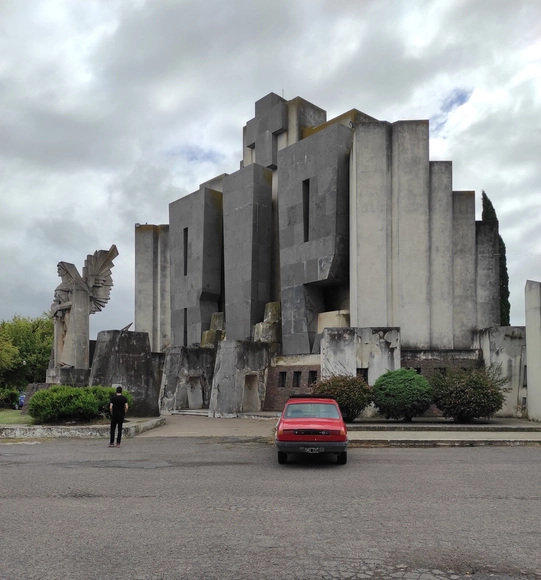
In only a few years, Italian-Argentine architect and engineer Francisco Salamone developed more than 60 buildings throughout the small towns of Buenos Aires Province as a part of the conservative government's push to develop the province's municipal buildings.
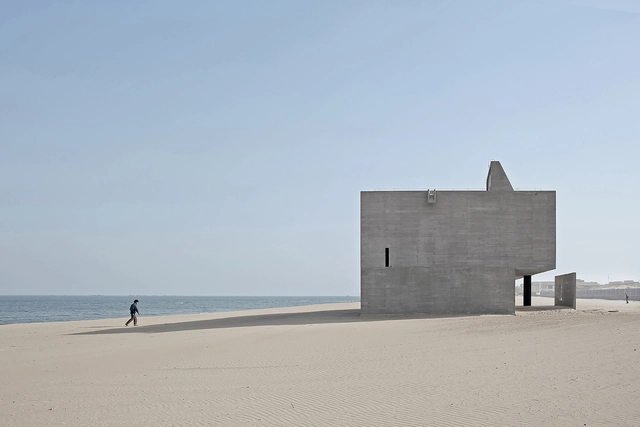
As architecture has evolved to include advanced building envelopes, innovative structural systems, and hybrid programs, new boundaries have been drawn. Sustainable practices and passive strategies have led architects to re-imagine building skins and the relationship between interior and exterior. While different typologies are designed with varied levels of permeability, libraries demand rigorous attention to performative facades and protected programs. This holds especially true when libraries are placed within radically changing landscapes.
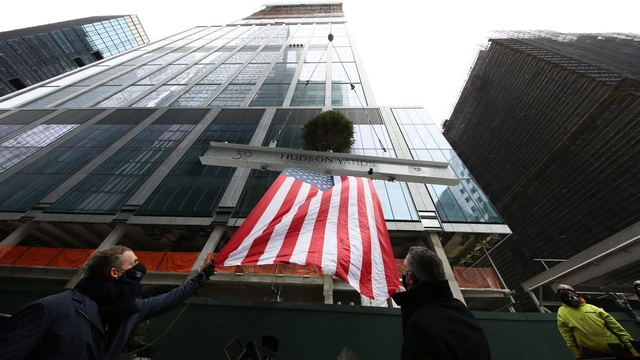
The 50 Hudson Yards skyscraper by Foster + Partners has topped out in New York. As one of the largest office buildings in the city, the project has become the fourth-biggest office tower by square footage. The 58-story office tower includes very large floor plates for up to 500 employees on each floor. The tower is the latest in a series of projects rounding out the Hudson Yards on the western edge of Manhattan.
At the 2016 Venice Architecture Biennale, curator Alejandro Aravena decided to reuse 100 tons of material discarded by the previous Art Biennale to create the new exhibition halls. Besides preserving 10,000 m² of plasterboard and 14 km of metallic structures, the initiative intended to give value, through design, to something that would otherwise be discarded as waste. The project also shed light on another observation: as architects, we generally restrict ourselves to thinking about buildings during the design process, construction phase, and at most through the use phase. We hardly think of what will become of them when they are demolished at the end of their useful life, an issue that should urgently become part of the conversation.
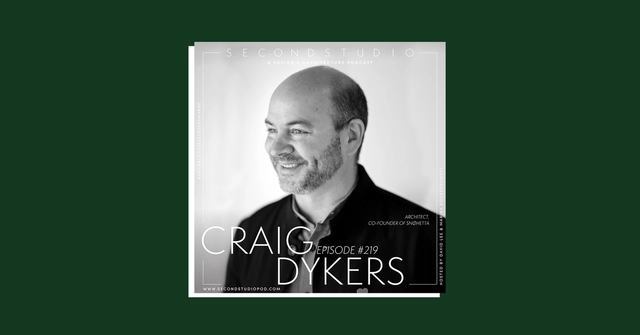
The Second Studio (formerly The Midnight Charette) is an explicit podcast about design, architecture, and the everyday. Hosted by Architects David Lee and Marina Bourderonnet, it features different creative professionals in unscripted conversations that allow for thoughtful takes and personal discussions.
A variety of subjects are covered with honesty and humor: some episodes are interviews, while others are tips for fellow designers, reviews of buildings and other projects, or casual explorations of everyday life and design. The Second Studio is also available on iTunes, Spotify, and YouTube.
This week David and Marina are joined by Craig Dykers, co-founder of Snøhetta, to discuss how architecture can cause both segregation and innovation in offices and in the U.S. Capitol; having meaningful dialogue with non-architects; the messiness of life; creating beautiful architecture that aids the larger society; the struggle for equality; a brief history of the contemporary profession of architecture and its current state; relying on theory in architecture; and more. Enjoy!
https://www.archdaily.com/957232/craig-dykers-many-people-dont-want-messiness-they-want-beauty-that-is-beyond-perfectionThe Second Studio Podcast













(1).jpg?1614161719&format=webp&width=640&height=580)
.jpg?1614161736 "Mobile playground in Vietnam. Image Courtesy of UN-Habitat, Global Public Space Programme")
(1).jpg?1614161719)
.jpg?1613993872&format=webp&width=640&height=580)